
Table of Contents >> Show >> Hide
- Why Cheap Pantry Organization Actually Works
- Step 1: Empty Everything Out and Get Ruthless
- Step 2: Clean the Space Before You Refill It
- Step 3: Set Up Pantry Zones That Match Real Life
- Step 4: Buy Cheap Organizers That Solve Specific Problems
- Step 5: Decant Selectively, Not Dramatically
- Step 6: Label Like a Normal Person
- Step 7: Organize the Pantry to Save Money, Not Just Space
- Cheap Pantry Organization Ideas for Small Spaces
- Common Pantry Organization Mistakes That Cost You Money
- A Realistic Budget Plan for Organizing a Pantry for Cheap
- Experience: What Cheap Pantry Organization Looks Like in Real Life
- Final Thoughts
A messy pantry has a special talent: it can make you feel broke and confused at the same time. You swear you need pasta, buy more pasta, get home, and discover enough pasta to feed a soccer team. Sound familiar? The good news is that you do not need custom cabinets, matching jars that cost more than groceries, or a professional organizer with a label maker holstered like a cowboy. You just need a smart system.
If you want to organize a pantry for cheap, the real goal is not to make it look like a magazine spread where every bean has a modeling contract. The goal is to make food easy to see, easy to grab, and hard to waste. A budget-friendly pantry should help you cook faster, shop smarter, and stop buying your fifth bottle of soy sauce because the other four were hiding behind a family-size box of cereal.
In this guide, you will learn how to declutter, sort, store, and maintain a pantry without spending much money. You will also get practical examples, low-cost pantry organization ideas, and a realistic plan that works whether you have a walk-in pantry, a narrow cabinet, or one overworked shelf next to the microwave.
Why Cheap Pantry Organization Actually Works
Expensive pantry makeovers often focus on appearance first. Cheap pantry organization works better because it focuses on behavior. When you organize based on how your household really cooks, snacks, shops, and stores food, the system lasts longer. That means fewer duplicate purchases, less forgotten food, and fewer last-minute grocery runs for something you already own.
A budget pantry makeover also forces you to be selective. Instead of buying twenty matching containers because they look pretty online, you only buy what solves a problem. Need to stop cans from becoming a metal avalanche? Add a riser. Need snack bags to stop reproducing in the dark? Use a bin. Need spices to stop playing hide-and-seek? Group them in one spot. That is efficient, affordable, and surprisingly satisfying.
Step 1: Empty Everything Out and Get Ruthless
The cheapest organizing tool is honesty. Start by taking everything out of the pantry. Yes, everything. Put it on a table, countertop, or the floor if you must. Seeing the full pantry inventory at once helps you spot duplicates, stale snacks, mystery packets, and foods you bought for one ambitious recipe in 2024 and never touched again.
Sort into Simple Categories
Create basic groups that make sense for your household, such as:
- Breakfast
- Pasta, rice, and grains
- Canned goods
- Baking supplies
- Snacks
- Spices and sauces
- Backstock or extras
Do not make your categories too specific. If you label one bin “organic chickpea pasta for Tuesdays,” you are not organizing. You are writing fan fiction about your future self.
Check Quality and Dates Without Panicking
Not every date means food suddenly transforms into danger at midnight. For many shelf-stable foods, “best by” dates are about quality, not safety. That means some dry and packaged goods may still be usable if they were stored properly and still look, smell, and taste normal. Cans should be in good condition, and any food with specific storage instructions should be handled according to the label.
At the same time, do not keep obviously damaged, leaking, swollen, stale, or suspicious items. Budget organizing should save money, not turn dinner into a science experiment.
Step 2: Clean the Space Before You Refill It
Once the shelves are empty, wipe them down. This is the glamorous chapter where you discover paprika dust from three years ago and one rogue raisin living rent-free in the corner. Use a damp cloth, mild cleaner if needed, and dry everything well before restocking.
If your pantry shelves are rough or sticky, inexpensive shelf liner can make cleanup easier later. If shelf liner is not in the budget, skip it. Clean shelves beat fancy shelves every time.
Step 3: Set Up Pantry Zones That Match Real Life
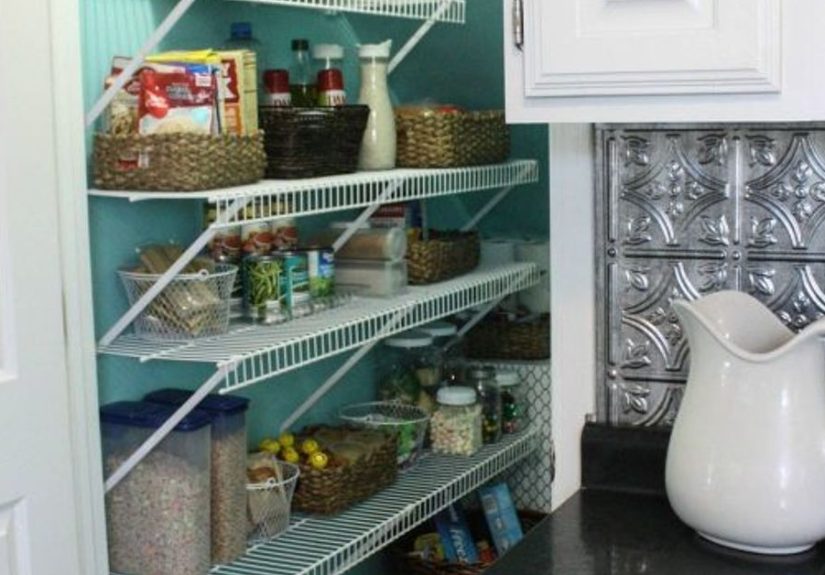
Now give each category a home. Pantry zoning is one of the best low-cost organization strategies because it improves function without requiring many products.
Use the Eye-Level Rule
Put everyday items at eye level. That usually means cereal, coffee, peanut butter, lunchbox snacks, favorite grains, or whatever your household grabs most often. Less-used items can go on higher or lower shelves. Heavy items should stay lower for safety and convenience.
Create Work Zones
Instead of randomly shelving foods, build small zones around how you actually use them:
- Breakfast zone: oatmeal, cereal, pancake mix, syrup
- Lunch zone: crackers, tuna, soups, sandwich supplies
- Baking zone: flour, sugar, baking soda, chocolate chips
- Dinner base zone: pasta, rice, beans, canned tomatoes, broth
- Snack zone: bars, nuts, popcorn, dried fruit
This setup makes meal prep easier and keeps people from tearing through the whole pantry like raccoons in a campsite cooler.
Step 4: Buy Cheap Organizers That Solve Specific Problems
You do not need a full container makeover. Start with the most affordable tools that create the biggest difference.
Best Budget Pantry Organizers
- Dollar store bins: Great for snacks, seasoning packets, instant noodles, and backstock.
- Shoe boxes or leftover delivery boxes: Free and surprisingly useful as temporary categories.
- Magazine holders: Excellent for foil, wraps, water bottles, or boxed pouches stored on their side.
- Lazy Susans: Perfect for oils, vinegars, sauces, and small jars that disappear in corners.
- Shelf risers: Help you see canned goods or spices instead of stacking them into little towers of regret.
- Mason jars or reused jars: Useful for dry goods if you already have them or can find them cheaply.
- Over-the-door storage: Helpful for spices, snacks, and small items in a tight pantry.
The trick is to buy only after you sort your food. Otherwise, you will end up with organizers for problems you do not actually have. That is how people wind up owning twelve acrylic bins and still not being able to find the breadcrumbs.
Step 5: Decant Selectively, Not Dramatically
Decanting dry goods into clear containers can help, but it is not mandatory. In fact, one of the easiest ways to blow your pantry budget is to assume every grain, snack, and sprinkle needs a matching jar.
Decant only the foods that regularly cause clutter or are easier to use in a container, such as flour, sugar, rice, pasta, cereal, oats, or baking ingredients. Leave items in their original packaging when the box already stores well, includes instructions you need, or would be annoying to transfer.
If you do decant, label the container with the food name and, when helpful, cooking details or the original best-by information. That way your handsome jar of mystery powder does not become a kitchen trivia question.
Step 6: Label Like a Normal Person
Labels are helpful, but they should serve your household, not intimidate it. Use simple category labels like “snacks,” “baking,” “grains,” or “canned food.” If your family changes brands or flavors often, broad labels work better than ultra-specific ones.
You do not need a fancy label machine. Masking tape and a marker work. Index cards work. Chalk labels work. Printable labels work if you already own a printer. The best label is the one people can read and will actually follow.
Step 7: Organize the Pantry to Save Money, Not Just Space
A well-organized pantry should lower your grocery bill. That is where this whole project starts pulling its weight.
Use First In, First Out
Put older products in front and newer ones in back. This basic rotation method helps reduce waste and makes it easier to use what you already bought.
Keep a Backstock Shelf
If you buy extras during sales, keep them together in one clearly labeled area. Otherwise, sale items drift into random corners, and you forget what you have.
Shop Your Pantry First
Before making a grocery list, check your pantry zones. Build one or two meals around what you already own. A “use it up” dinner of pasta, canned beans, broth, rice, or soup ingredients can stretch the food budget without feeling like a punishment.
Make a Small Inventory List
You do not need a spreadsheet worthy of a corporate merger. Just keep a note on your phone or a notepad nearby for items that are truly running low. This helps you buy intentionally instead of emotionally, which is how many people end up with twelve bags of chips and no actual dinner.
Cheap Pantry Organization Ideas for Small Spaces
If your pantry is really just one cabinet wearing a fake mustache, you still have options.
- Use the inside of the door for shallow storage.
- Add one riser to double visible space on a shelf.
- Store packets and small snacks upright in bins.
- Use stackable containers only where height is being wasted.
- Group dinner ingredients together to reduce rummaging.
- Move rarely used appliances or serving pieces out of pantry shelves reserved for food.
One smart move for a tiny pantry is to create a mini pantry elsewhere. A small bookshelf, narrow rolling cart, or a few wall shelves near the kitchen can hold overflow items cheaply and free up the main pantry for daily-use food.
Common Pantry Organization Mistakes That Cost You Money
Buying Organizers Before Measuring
A bin that does not fit is not a solution. It is decor with emotional baggage.
Using Too Many Tiny Categories
Over-labeling makes systems harder to maintain. Keep categories wide enough to be flexible.
Hiding Food in Opaque Containers
If you cannot see it, you may forget it. Visibility matters, especially for snacks, grains, and backstock.
Ignoring Vertical Space
Shelf risers, stackable bins, and over-the-door storage can create room without a renovation.
Organizing Without Decluttering
You cannot container your way out of too much stuff. Sometimes the cheapest answer is simply owning less duplicate food.
A Realistic Budget Plan for Organizing a Pantry for Cheap
Here is a simple example of a low-cost pantry refresh:
- 2 to 4 dollar-store bins for snacks and packets
- 1 lazy Susan for oils and sauces
- 1 shelf riser for cans or spices
- Masking tape or paper labels
- 1 or 2 reused jars for flour or sugar
This kind of setup can create major improvement without turning pantry organization into a second rent payment. If your budget is even tighter, start with free solutions first: cardboard boxes, washed pasta sauce jars, and better shelf zoning. You can always upgrade later.
Experience: What Cheap Pantry Organization Looks Like in Real Life
One of the most common experiences people have when organizing a pantry on a budget is realizing the problem was never a lack of space. It was a lack of visibility. The shelves felt crowded because nothing had a home, and the food that was already there kept getting buried under new purchases. Once categories were created and the extras were grouped together, the pantry suddenly felt bigger without adding a single shelf.
Another real-life pattern is that people often expect one big makeover day to solve everything. In practice, cheap pantry organization usually works best in two stages. First comes the reset: empty, sort, clean, group, and put things back in zones. Then comes the correction period: after a week or two of cooking and snacking, you notice what still is not working. Maybe the breakfast shelf is too high for the kids. Maybe the snacks need a bin because the boxes keep collapsing. Maybe the canned goods should be closer to the stove side of the kitchen. Those small edits are what make the system stick.
Budget pantries also teach people a valuable lesson about shopping habits. Once everything is visible, it becomes obvious which foods your household actually eats and which foods were bought out of optimism. That giant bag of specialty flour? A dream. The six cans of black beans? A lifestyle. Organization turns vague intentions into usable information. It is hard to overspend on random groceries when you can literally see your patterns on the shelf.
There is also a psychological shift that happens. A tidy pantry makes everyday cooking feel less chaotic. Weeknight meals get easier because you are not opening every cabinet like you are searching for a lost treasure map. You know where the rice is. You know how many cans of soup are left. You know whether you need oats before your next grocery trip. That kind of clarity sounds small, but it lowers stress in a very practical way.
Families often notice another benefit: the pantry becomes easier for everyone else to use. When categories are broad and labels are simple, kids can find snacks without unloading three shelves. Partners can put groceries away without asking where everything goes. Households that used to operate on one person’s “mystery system” become a little more functional and a lot less irritating.
And perhaps the most satisfying experience of all is this: the first grocery trip after the pantry is organized. You walk into the store with a tighter list, skip things you already have, and come home without that sinking feeling that you forgot something important. Instead of stuffing new groceries into random gaps, you slide them into a system that makes sense. It is not glamorous. It will not win an award from the International Council of Fancy Containers. But it saves time, saves money, and makes your kitchen work better every single day. That is the kind of cheap upgrade worth celebrating.
Final Thoughts
If you want to organize a pantry for cheap, do not start with shopping. Start with sorting. Build simple zones, use low-cost tools only where they help, label clearly, and keep visibility high. A budget-friendly pantry is not about perfection. It is about making your food easier to use and harder to waste.
Remember, the best pantry organization ideas are the ones your household can maintain on an ordinary Tuesday. If a system is too fussy, too expensive, or too pretty to survive a real grocery haul, it is not practical. Keep it simple, keep it cheap, and keep the pasta where you can actually find it.





 Close
Close