
Table of Contents >> Show >> Hide
- What You’ll Need: A Simple Spring Tune-Up Kit
- Step 1: Start With a 60-Second Safety Check (Before You “Just Try a Quick Ride”)
- Step 2: Give Your Bike a Real Spring Cleaning (So You Can Actually See Problems)
- Step 3: Lubricate Like You Mean It (But Don’t Marinate the Bike)
- Step 4: Check for Loose Bolts (The Silent Squeak Creators)
- Step 5: Tires and WheelsYour Bike’s “Shoes and Ankles”
- Step 6: BrakesBecause “Eventually Stopping” Is Not a Feature
- Step 7: Shifting and DerailleursThe “Why Won’t You Just Click?” Fixes
- Step 8: Check the “Hidden” Wear Items
- Step 9: Lights, Reflectors, and Visibility Checks
- Step 10: Do a Short Test Ride and Re-Check
- When to DIY vs. When to Visit a Bike Shop
- Spring Bike Maintenance Checklist (Printable-Style)
- Extra: Spring Tune-Up Experiences (Real-World “This Always Happens” Moments)
- Conclusion
Spring riding feels like freedomuntil your bike disagrees. After months of storage, temperature swings, road salt, and
“I’ll deal with it later” energy, even a well-loved bicycle can wake up creaky, squeaky, and mysteriously allergic to
shifting into the gear you want. The good news: you don’t need a pro shop to get rolling again. With a simple checklist,
a few basic tools, and a little patience, you can do a spring tune-up at home and start the season with a bike that
feels smooth, safe, and eager.
This guide walks you through a practical, DIY spring bike maintenance routinecleaning, inspecting, tightening,
adjusting, and test-ridingwithout turning your living room into a crime scene of grease and tiny bolts. (We’ll keep the
chaos optional.)
What You’ll Need: A Simple Spring Tune-Up Kit
You don’t need a mechanic’s wall of tools. Start with the basics and add specialty tools only if a problem shows up.
- Bike pump (with a gauge if possible)
- Clean rags and an old toothbrush or soft brush
- Bike-safe cleaner (mild soap + water works for most frame cleaning)
- Drivetrain degreaser (for chain/cassette/chainrings)
- Chain lube (wet or dry depending on your conditions)
- Allen/hex keys (commonly 4, 5, and 6 mm)
- Tire levers and a spare tube/patch kit
- Optional but helpful: torque wrench, chain wear checker, bike stand
Step 1: Start With a 60-Second Safety Check (Before You “Just Try a Quick Ride”)
A spring tune-up should begin with a quick safety scan. A classic approach is the ABC-style check:
Air, Brakes, and Chain/Cranks. Think of it as your bike’s version of
“stretch before running,” except the bike doesn’t complain on social media.
A is for Air
- Inflate tires to the recommended range printed on the tire sidewall.
- Look for cracks, dry rot, embedded debris, bulges, or a worn “square” profile.
- Spin each wheel to confirm it rotates freely without wobbling or rubbing.
B is for Brakes
- Squeeze the levers: they should feel firm and not pull all the way to the handlebar.
- Confirm pads contact the rim/rotor properly and don’t rub excessively when wheels spin.
- Check cables/housing for rust, fraying, or sticky movement.
C is for Chain (and the rest of the drivetrain)
- Pedal backward and listen: dry chains sound like a bag of forks being dragged across a sidewalk.
- Shift through gears on a stand or during a short driveway rollhesitation usually means adjustment is needed.
- Look for stiff links, rust, or thick black grime (the “mystery paste” of neglected drivetrains).
Step 2: Give Your Bike a Real Spring Cleaning (So You Can Actually See Problems)
Cleaning isn’t just cosmetic. Dirt hides cracks, worn parts, loose bolts, and leaks. Plus, grit acts like sandpaper on
moving components.
Clean the Frame and Contact Points
- Rinse gently or wipe with a damp rag (avoid blasting bearings with high-pressure water).
- Use mild soapy water to clean the frame, fork, handlebars, and wheels.
- Wipe dry. Moisture left behind invites rust and corrosionespecially around bolts.
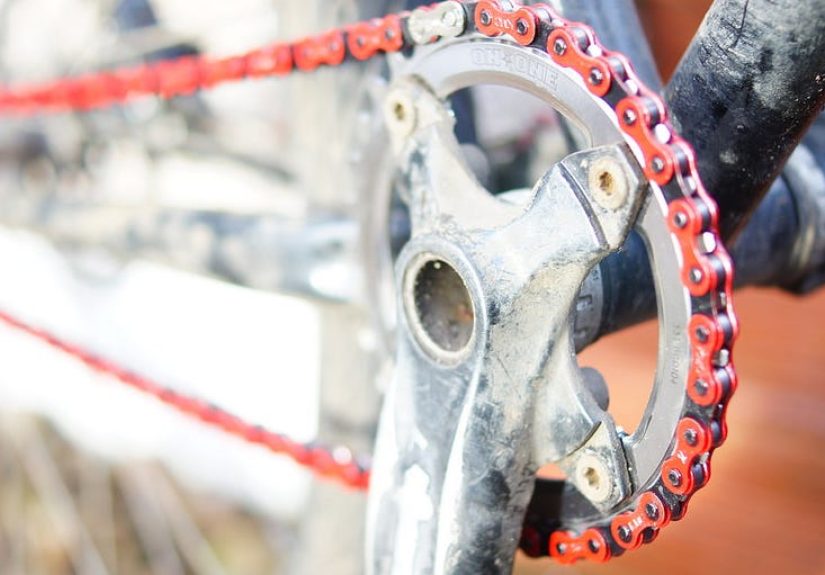
Deep Clean the Drivetrain
Your drivetrain is the chain, cassette (rear cogs), chainrings (front), and derailleur pulleys. It’s where most
spring “my bike feels terrible” complaints are born.
- Apply degreaser to the chain and gears (use a brush or a chain-cleaning tool if you have one).
- Scrub cassette teeth and pulley wheelsgrime loves to camp out there.
- Wipe thoroughly until your rag stops turning black instantly.
- Let everything dry before lubricating.
Step 3: Lubricate Like You Mean It (But Don’t Marinate the Bike)
Lubrication protects moving parts and helps prevent rustbut too much lube becomes a dirt magnet. The goal is
lubrication inside chain rollers, not a shiny oil coating on the outside.
How to Lube the Chain Correctly
- Apply a small drop to each chain link while slowly backpedaling.
- Let it sit a few minutes so it can work into the rollers.
- Wipe off the excess with a clean rag. (Yes, really. This step matters.)
Quick tip: choose wet lube for rainy/muddy conditions, and dry lube for dusty, dry
riding. If you’re not sure, start with an all-conditions lube and adjust once you see how your local spring behaves.
Step 4: Check for Loose Bolts (The Silent Squeak Creators)
Storage and temperature changes can loosen hardware. Your spring tune-up should include a bolt checkespecially on
the stem, handlebar, seatpost clamp, crank bolts, rack/fender mounts, and brake mounts.
Torque Matters (Especially on Carbon)
If you have a torque wrench, use it and follow manufacturer torque specs. Over-tightening can damage components;
under-tightening can create unsafe slipping or steering issues. If you don’t have a torque wrench, tighten carefully
and avoid “one more heave for good luck.”
Step 5: Tires and WheelsYour Bike’s “Shoes and Ankles”
Inspect Tires
- Sidewall cracks or dry rot: common after storage in heat or sunlight.
- Embedded glass/thorns: remove now before they become flats later.
- Frequent pressure loss: could mean a slow leak, worn valve core, or tubeless sealant that’s dried out.
If You Run Tubeless Tires
Tubeless sealant doesn’t live forever. If your setup sat all winter, you may need to top it off. Many riders refresh
sealant every few months depending on climate and storage conditions. If you hear no “sloshing” when you gently shake
the wheel, that’s a clue it may be time.
Check Wheels for True and Smooth Spinning
- Spin each wheel and watch the rim/rotor pass the brake padsside-to-side wobble suggests it needs truing.
- Squeeze pairs of spokes: they should feel reasonably even in tension (wildly loose spokes are a red flag).
- Grab the wheel and gently rock it side-to-sideplay can indicate hub bearing adjustment/service is needed.
Minor wobbles can often be addressed with careful wheel truing, but if you’re new to spoke adjustments, go slowly:
small turns make a big difference. If a wheel is badly out of true or has damaged spokes, a shop visit may save time
(and prevent turning your wheel into modern art).
Step 6: BrakesBecause “Eventually Stopping” Is Not a Feature
Rim Brakes (Pads Squeeze the Wheel Rim)
- Inspect pads for wear lines, hard glazing, and embedded debris (tiny metal bits can chew up rims).
- Make sure pads hit the rim squarelynot the tire and not below the braking surface.
- Center the brake if one pad rubs constantly.
Disc Brakes (Pads Squeeze a Rotor)
- Check pad thickness and rotor straightness (a bent rotor often causes rhythmic rubbing).
- Keep rotors cleanavoid getting chain lube or greasy fingerprints on them.
- If braking feels weak or squeals after cleaning, pads may be contaminated or worn.
If you have hydraulic disc brakes and the lever feels spongy, it may need a bleedoften doable at home with the right
kit, but it’s also a good “shop task” if you want it done fast and clean.
Step 7: Shifting and DerailleursThe “Why Won’t You Just Click?” Fixes
After storage, cables can stretch slightly, housings can gum up, and derailleurs can drift out of tune. Common spring
symptoms include skipping, hesitation, noisy shifting, or refusing to reach the easiest gear (which is rude when you
hit your first hill of the year).
Quick DIY Shifting Tune (Mechanical Systems)
- If shifting is slow to climb to bigger rear cogs: add cable tension using the barrel adjuster (usually counterclockwise).
- If shifting hesitates going to smaller rear cogs: reduce cable tension (usually clockwise).
- If the chain falls off the cassette ends, your limit screws may need attentionadjust cautiously.
Pro move: before you chase adjustments, confirm the derailleur hanger isn’t bent. A bent hanger can make shifting
feel haunted no matter how perfectly you turn the barrel adjuster.
Step 8: Check the “Hidden” Wear Items
Chain Wear
Chains don’t usually snap dramatically in spring (unless they’re truly neglected). Instead, they “stretch” with wear,
which accelerates wear on your cassette and chainrings. A chain wear checker is the easiest way to confirm whether it
should be replaced before it eats your more expensive parts.
Headset, Bottom Bracket, and Pedals
- Headset: apply the front brake and rock the bike forward/backclunking can mean headset play.
- Bottom bracket: grab crank arms and wiggle side-to-sidemovement can signal bearing issues.
- Pedals: spin them by handroughness or play suggests service or replacement.
Step 9: Lights, Reflectors, and Visibility Checks
Spring days get longer, but you’ll still ride in low lightearly mornings, cloudy evenings, or the “one quick loop”
that turns into two hours because the weather is perfect. Make sure your front and rear lights charge, mounts are
secure, and reflectors (or reflective gear) are in place.
Safety agencies consistently emphasize riding a bike that worksespecially brakesand using visibility gear like bright
clothing and proper lighting when conditions are dim.
Step 10: Do a Short Test Ride and Re-Check
A spring tune-up isn’t complete until you ride. Take a 10–15 minute spin close to home:
- Shift through all gears under light load.
- Brake firmly (in a safe area) to confirm predictable stopping.
- Listen for new noises. New noise = new clue.
- After the ride, re-check wheel attachment, brake rub, and any bolts you touched.
When to DIY vs. When to Visit a Bike Shop
DIY is perfect for cleaning, lubrication, basic bolt checks, tire swaps, simple brake and shifting tweaks, and
pre-ride inspections. Consider a shop (or an experienced friend) if you notice:
- Cracks in frame or fork, or any crash damage
- Persistent wheel wobbles, broken spokes, or severe rim/rotor rub
- Hydraulic brake bleeding needs
- Grinding bearings (hubs, headset, bottom bracket)
- Suspension service beyond basic cleaning and setup
If you ride a mountain bike with suspension, check your manufacturer’s service intervals. Many forks and shocks have
recommended maintenance schedules based on riding hours and conditionsspring is a great time to reset the calendar.
Spring Bike Maintenance Checklist (Printable-Style)
- Air: inflate tires, inspect tread/sidewalls, check tubeless sealant if applicable
- Brakes: lever feel, pad wear, rotor/rim cleanliness, cable/housing condition
- Chain/Drivetrain: clean, lube, wipe excess, check chain wear, inspect cassette/chainrings
- Bolts: stem/handlebar/seatpost/brake mountstighten to spec if possible
- Wheels: true check, spoke tension feel, hub play check
- Fit & contact points: grips, saddle, pedals, cleats
- Visibility: lights charged, reflectors/reflective gear ready
- Test ride: short loop + re-check
Extra: Spring Tune-Up Experiences (Real-World “This Always Happens” Moments)
Spring bike prep isn’t just a mechanical checklistit’s a seasonal ritual. If you’ve ever rolled your bike out after
winter and thought, “It was totally fine last year,” only to be greeted by a chorus of squeaks, you’re not alone.
Here are common springtime experiences riders report, what they usually mean, and how to handle them without losing
your mind (or your Saturday).
The “First Ride Squeak” That Appears Out of Nowhere
Many riders notice a squeak that didn’t exist in the fall. Often, it’s not one dramatic failureit’s a collection of
tiny changes: a slightly dry chain, grit in a derailleur pulley, a seatpost that needs cleaning, or a bolt that
loosened during temperature swings. A quick wipe-down and proper chain lube fixes a surprising percentage of these
mysteries. If the squeak persists, narrow it down by riding briefly while standing (seat area vs. drivetrain), then
braking (brakes vs. something else), then pedaling hard (cranks/pedals). The trick is to test one variable at a time
instead of tightening every bolt like you’re auditioning for a strongman competition.
Shifting That Works in the Stand but Not on the Road
A classic spring frustration: the bike shifts perfectly while you spin the pedals in the garage, then immediately
hesitates under real riding load. This often points to cable tension that’s closebut not quite rightor a cable/housing
that’s sticky after sitting. Riders commonly solve it with tiny barrel adjuster tweaks, a drop of lubricant where
appropriate (depending on your system), and confirming the derailleur hanger isn’t slightly bent. The “tiny tweaks”
part matters: a quarter-turn can be the difference between buttery shifting and a drivetrain that sounds like it’s
trying to communicate in Morse code.
The “My Tires Won’t Hold Air” Surprise
Tires naturally lose pressure over time, and spring is when that reality shows up dramatically. Riders often discover
slow leaks, dried-out tubes, or tubeless sealant that has turned into a rubbery science project. The most common fix is
simple: inflate properly, then re-check after 24 hours. If pressure drops fast, inspect for debris and listen for leaks.
For tubeless setups, people frequently top off sealant in spring because it can dry out during storageespecially if
the bike was kept somewhere warm. Once refreshed, many riders report fewer “mystery flats” and better confidence on
longer rides.
Brakes That Feel “Fine” Until You Actually Need Them
Spring is when riders remember that brakes don’t need to be broken to be ineffective. Rim brake pads can glaze,
collect grit, or wear down; disc pads can wear or become contaminated. A common experience is the first strong stop
feeling weaker than expectedor sounding like a goose with stage fright. Riders usually fix this with pad inspection,
cleaning braking surfaces, and adjusting alignment. If the lever pulls too close to the bar, it’s often cable stretch
(mechanical) or air in the system (hydraulic). Either way, spring is the right time to catch it in your driveway rather
than at the bottom of a hill.
The “Everything Feels Great… Until Mile 5” Reality
Another shared spring experience: the bike feels perfect for a few minutes, then a wobble, rub, or click appears once
things warm up and settle. That’s why experienced riders do a short test loop and then re-check key points. Wheels can
reveal a slight out-of-true once you’re rolling; bolts you tightened “about right” can need a second look; brake rub can
show up after the first hard stop. Think of it as a two-stage tune-up: garage work, then a reality check on the road,
then one final quick adjustment. The reward is a bike that stays quiet and reliable for the rest of the seasonand a
rider who doesn’t spend spring rides diagnosing noises instead of enjoying the ride.
Conclusion
Preparing your bicycle for spring is less about perfection and more about confidence. A clean drivetrain, properly
inflated tires, reliable brakes, and a quick bolt check can transform your first rides from “hope this holds together”
to “let’s take the long way home.” Start with the basics, make small adjustments, and test ride earlyyour future self,
halfway up the first hill of the season, will be grateful.







 Close
Close