
Table of Contents >> Show >> Hide
- Know Your Plant: Why Limelight Is Easier Than “Old Wood” Hydrangeas
- Best Time to Prune Limelight Hydrangeas
- How Much Should You Cut Back? Choose Your Pruning Goal
- Step-by-Step: How to Prune Limelight Hydrangeas the Right Way
- Pruning for Stronger Stems and Bigger Blooms (Without Flopping)
- Common Mistakes (And How to Avoid Them)
- Care Tips After Pruning: Set Up a Great Bloom Season
- Quick FAQ: Limelight Hydrangea Pruning
- of Real-World Experiences: What Gardeners Learn After a Few Seasons
- Conclusion
If you’ve ever stared at your Limelight hydrangea with pruners in hand and thought, “Am I about to improve this shrub… or commit a floral crime?”welcome.
The good news: Limelight (a panicle hydrangea) is one of the most forgiving hydrangeas you can grow. It blooms on new wood (fresh growth made this year),
so pruning is less about “don’t you dare cut that bud!” and more about shaping the plant so it looks great and doesn’t flop like it just remembered an embarrassing middle-school moment.
In this guide, you’ll learn when to prune, how much to cut, and what to do afterward so your Limelight produces sturdy stems,
big cone-shaped blooms, and a clean, balanced formwithout turning into a wild shrub with a personal vendetta against walkways.
Know Your Plant: Why Limelight Is Easier Than “Old Wood” Hydrangeas
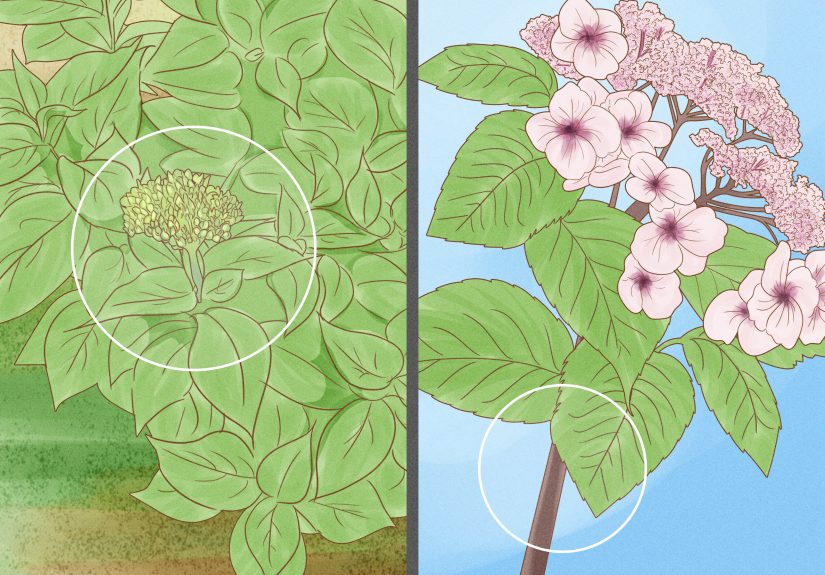
Limelight is Hydrangea paniculata, and panicle hydrangeas form flower buds on the current season’s growth. Translation: your plant can be pruned in the dormant season
(or very early spring) without sacrificing the summer show. That’s different from bigleaf hydrangeas (the classic blue/pink mopheads) that often bloom on old wood and can lose buds if pruned at the wrong time.
What “Blooms on New Wood” Means for You
- You can prune confidently in late winter/early spring.
- You can prune for size and shape without canceling bloom season.
- How hard you prune affects bloom size and stem strengthwhich is where strategy matters.
Best Time to Prune Limelight Hydrangeas
The sweet spot for most gardens is late winter to early spring, while the plant is still dormant or just starting to wake upideally
before leaf-out and before rapid new growth begins. This timing lets you see the branch structure clearly, avoid winter damage surprises, and guide the plant’s shape for the season ahead.
Timing by Climate (Simple, Practical Version)
- Cold-winter regions (USDA zones ~3–5): Late winter into early spring, often when the worst cold has passed and buds start to swell.
- Moderate regions (zones ~6–7): Late winter or very early springthink “before your lawn looks like it needs therapy.”
- Warmer regions (zones ~8–9): Late winter still works; aim to prune before vigorous spring growth takes off, and consider a bit of afternoon shade for overall plant comfort.
Can You Prune in Fall?
Yesafter the plant goes dormant. Some gardeners prune panicle hydrangeas in late fall or winter, but many prefer leaving the dried flower heads for winter interest
(and because they look pretty with frost). If you do prune in fall, keep it reasonable and avoid stimulating tender new growth.
When Not to Prune
- Late spring or early summer: You may remove new growth that would carry flowers, reducing bloom quantity.
- Right before a major cold snap: Fresh cuts can make damage easier in harsh conditionsanother reason late winter/early spring is the crowd favorite.
How Much Should You Cut Back? Choose Your Pruning Goal
“How hard should I prune?” is like asking, “How short should I cut my hair?” The answer depends on the look you want, how big the shrub has gotten, and whether it tends to flop.
Here are three reliable approaches.
Option 1: The “Polite Haircut” (Light Maintenance Pruning)
Best for: established plants you like, gardens where height is welcome, and anyone who prefers “tidy” over “dramatically transformed.”
- Remove dead, damaged, or diseased wood.
- Cut out crossing branches that rub.
- Thin weak, skinny stems that won’t hold blooms upright.
- Shorten the remaining stems by about 10–25% to shape and balance.
Option 2: The “One-Third Rule” (Most Popular, Most Balanced)
Best for: bigger blooms, better structure, and controlling size without making the plant look like a stubby hedge.
Many growers prune panicle hydrangeas back by about one-third each year to encourage sturdy new growth and a fuller, bloom-heavy shrub.
- Reduce overall height by ~1/3.
- Thin out spindly side shoots.
- Keep a strong framework of main stems to support heavy flower panicles.
Option 3: The “Big Reset” (Hard Pruning / Rejuvenation)
Best for: overgrown plants, shrubs that flop badly, or Limelights planted where “8 feet wide” turned out to be… inconvenient.
Because Limelight blooms on new wood, you can prune more aggressivelybut there’s a trade-off: very hard pruning can push fast, soft growth that may need support.
- Hard cut-back: Reduce stems significantly (often to a low framework). Expect vigorous regrowth and potentially larger blooms.
- Rejuvenation (gentler): Over 2–3 years, remove a portion of the oldest, thickest stems at the base each year to renew the shrub without shocking it.
Step-by-Step: How to Prune Limelight Hydrangeas the Right Way
-
1) Gather tools (and don’t bring dull pruners to a stem fight)
Use sharp hand pruners for thin stems and loppers for thicker ones. Clean blades with rubbing alcohol or a disinfectant wipe,
especially if you’re removing diseased wood. -
2) Start with the “3 D’s”: Dead, Damaged, Diseased
Cut out any dead branches first. If you’re unsure, do the quick scratch test: lightly scrape the bark.
Green beneath = alive. Brown and dry = remove it. -
3) Remove crossing or inward-growing branches
If two stems rub, one will eventually loseand the plant may invite disease to the wound. Open the center slightly for airflow and a stronger structure.
-
4) Thin weak stems that can’t carry blooms
Limelight flowers can get heavy. Thin, whippy stems often flop once blooms expand. Removing some weak shoots encourages the plant to invest in sturdier stems.
-
5) Make clean “heading cuts” above buds
When shortening stems, cut just above a healthy bud. This directs new growth outward and helps the shrub keep a pleasing vase shape instead of becoming a tangled ball.
-
6) Shape with intention (not vibes)
Step back every few cuts. Aim for a balanced frameworkslightly wider at the base than the topso sunlight reaches lower stems and the shrub stays stable.
Pruning for Stronger Stems and Bigger Blooms (Without Flopping)
Bigger blooms often come from pruning that encourages fewer, stronger flowering stemsplus good growing conditions. But there’s a sweet spot:
prune too lightly and you may get lots of smaller blooms; prune too hard and you may get huge blooms on stems that act like wet noodles after a summer thunderstorm.
Anti-Flop Tips
- Don’t leave a jungle of skinny stems. Thin them out so the plant’s energy goes into fewer, sturdier canes.
- Avoid heavy nitrogen. Too much nitrogen can cause lush, soft growth that flops more easily.
- Consider discreet support. A simple ring support early in the season can save you from “hydrangea sprawl.”
- Full sun (with some shade in hot areas) often encourages sturdier growth than deep shade.
Common Mistakes (And How to Avoid Them)
Mistake 1: Pruning at the wrong time and blaming the plant
Late spring pruning can remove fresh growth that would have flowered. If you must tidy in spring, do it earlybefore new growth really gets moving.
Mistake 2: Turning it into a hedge with flat-top cuts
Shearing creates a dense outer shell with weak interior growth. Instead, use selective cuts that maintain a strong framework and natural shape.
Mistake 3: Never thinning the center
Over time, unthinned shrubs can become crowded, reducing airflow and increasing disease risk. A little thinning each year is easier than a dramatic rescue later.
Mistake 4: Forgetting aftercare
Pruning is a stress event (a reasonable one, but still). The plant responds best when watering, mulch, and nutrition are steady afterward.
Care Tips After Pruning: Set Up a Great Bloom Season
Watering
After pruning, resume normal watering based on weather. Limelight likes consistent moisture, especially as new growth starts and flower buds form.
Avoid soggy soilgood drainage matters.
Mulch
Add a 2–3 inch layer of mulch (kept a few inches away from the stems) to moderate soil temperature and conserve moisture.
Fertilizing
If you fertilize, do it in spring as growth starts. Choose a balanced, slow-release fertilizer (or compost) rather than a high-nitrogen option that encourages floppy growth.
In many gardens with decent soil, compost plus mulch is enough.
Sunlight & Placement Check
Limelight generally performs best with plenty of light. In cooler climates, more sun can mean sturdier stems and heavier bloom.
In hot climates, some afternoon shade can help reduce stress.
Quick FAQ: Limelight Hydrangea Pruning
Do I have to prune every year?
Not strictly. But annual pruning (even light) helps maintain size, shape, and stem strengthespecially if you want a tidy shrub with reliable bloom.
Will pruning make it bloom more?
It can improve bloom display by encouraging strong new growth and reducing weak stems. But blooms also depend on sunlight, moisture, and overall health.
Can I prune it into a tree form?
Yespanicle hydrangeas can be trained as a standard. It takes consistent training early on: select a main trunk, remove lower shoots, and maintain the canopy with careful pruning.
What if I pruned “wrong” last year?
Limelight is forgiving. Focus on correct timing this season, thin weak growth, and avoid hard pruning every year if flopping is an issue. It usually rebounds well.
of Real-World Experiences: What Gardeners Learn After a Few Seasons
Ask ten gardeners how they prune Limelight hydrangeas and you’ll get eleven answersbecause the “best” pruning style often depends on what your plant does in your yard.
One of the most common experiences people share is how quickly Limelight teaches you the difference between big blooms and sturdy stems.
In year one, many gardeners do a bold cut-back, chasing those show-stopping flower cones. The blooms delivermassive, bright, and impossible to ignore.
Then summer rain hits, the flowers soak up water like sponges, and suddenly the shrub looks like it’s trying to lie down for a nap in the driveway.
That “flop lesson” often leads to a smarter second-year approach: instead of cutting everything down hard again, gardeners start thinning.
They remove skinny stems at the base, keep fewer but stronger canes, and trim the remaining stems by about a third.
The result is one of those satisfying “I did something small and it worked” moments: the shrub still blooms heavily, but it holds itself up better.
Many people also learn to prune with pausesmaking a few cuts, stepping back, and checking the shaperather than getting into a pruning trance and accidentally creating
a hydrangea that looks like a lopsided umbrella.
Another common experience is realizing that Limelight’s size estimates are not jokes. Garden tags often say things like “6–8 feet tall and wide,” which can feel abstract
until the plant actually does that. Gardeners who planted Limelight “just for a little summer color” sometimes discover it has quietly become the dominant resident of the flower bed,
politely shading everything else and expanding like it pays rent. In those cases, rejuvenation pruning becomes a favorite strategy because it feels fair:
remove a few of the oldest, thickest stems at the base each year, let the plant replace them with fresh growth, and keep the shrub looking intentional instead of chaotic.
People also tend to develop strong opinions about winter flower heads. Some love leaving the dried panicles for structure and seasonal interestespecially when snow settles on them.
Others find the brown heads messy and prefer a cleaner look. The shared lesson is that either choice can work, as long as the major pruning happens at the right time.
Gardeners who prune too late in spring often describe a mild panic when they realize they’ve cut off a lot of new growth; the plant usually survives just fine,
but the bloom show can be smaller. That experience tends to convert people into “late winter pruning” fans for life.
Finally, many gardeners mention that the biggest upgrade isn’t even the pruningit’s the combination of pruning plus simple aftercare:
a mulch refresh, consistent watering during dry spells, and avoiding heavy nitrogen fertilizers.
When those pieces come together, Limelight becomes the kind of shrub that makes you look like you know what you’re doingeven if your actual process involved
watching one gardening video, getting distracted, and then pruning while thinking about lunch.
Conclusion
Pruning Limelight hydrangeas doesn’t have to feel like defusing a bomb with garden gloves on. Stick to the best timinglate winter to early spring
decide your goal (tidy shape, controlled size, sturdier stems, or bigger blooms), and prune with a simple plan: remove dead and weak wood, thin for airflow,
then shorten remaining stems with clean cuts above healthy buds. Pair that with steady watering, mulch, and sensible feeding, and your Limelight will reward you
with a summer display that looks professionally landscapedeven if you did it in old sneakers with a coffee in hand.






 Close
Close