
Table of Contents >> Show >> Hide
- Why a Tree Stump Coffee Table Works in Real Homes
- Choosing the Right Stump: Size, Species, and “Personality”
- The Secret Sauce: Drying and Moisture Content
- Tools and Materials
- Step-by-Step: How to Make a Tree Stump Coffee Table
- Finish Options: What Looks Good and Holds Up
- Should You Add Legs, a Base, or Casters?
- Styling Tips: Make It Look Intentional (Not Like You Forgot to Dispose of It)
- Care and Maintenance
- Troubleshooting: Common Problems (and How People Fix Them)
- FAQ
- Real-World Experiences With a Tree Stump Coffee Table (About )
- Conclusion
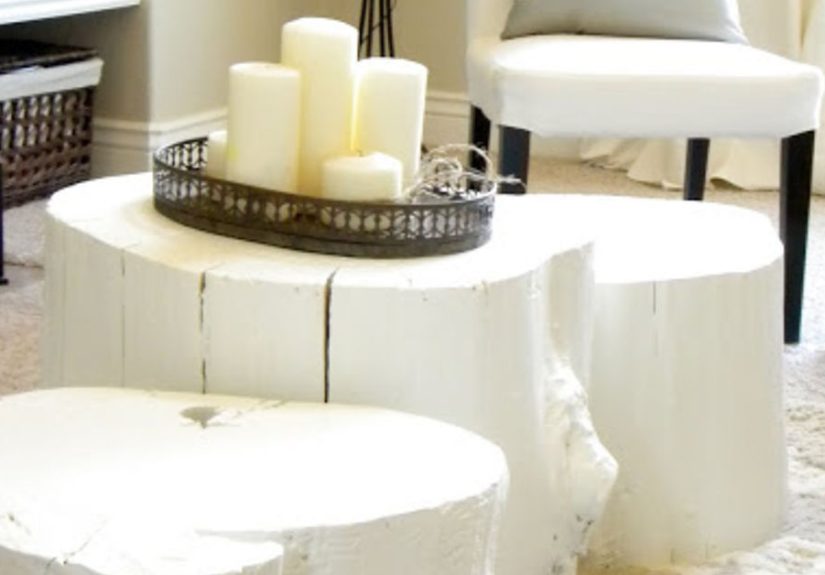
A tree stump coffee table is the rare home décor item that’s equal parts furniture, conversation starter, and
proof you can turn yard waste into something Pinterest-worthy. It’s rustic without trying too hard, modern when you
pair it with clean-lined seating, and surprisingly practicalbecause a properly finished stump is basically a wood “boulder”
you can set snacks on.
But let’s be honest: if you bring a fresh stump inside, you’re also inviting in moisture, sap, possible bugs, and the
inevitable question, “So… is it supposed to crack like that?” The good news: with the right wood selection, drying strategy,
and finish, a tree stump coffee table can look intentional, last for years, and stay easy to maintain.
Why a Tree Stump Coffee Table Works in Real Homes
The appeal is simple: it’s a one-of-a-kind piece with natural texture and shape you can’t fake. A stump can read as
minimalist (one solid form), organic modern (especially with a matte finish), or cabin-cozy (bark-on and warm-toned).
And because the “grain pattern” is literally the tree’s growth history, every top surface looks like nature tried
its hand at graphic design.
Best rooms and styles for a stump table
- Modern living rooms: Choose a clean cylinder shape and a satin or matte finish.
- Boho / eclectic spaces: Leave more texture, embrace knots, and pair with woven rugs.
- Cabin / farmhouse: Bark-on stumps or darker stains feel right at home.
- Small spaces: Use a slightly smaller stump and add hidden casters for easy movement.
Choosing the Right Stump: Size, Species, and “Personality”
Not every stump is destined for greatness. Some are stable, clean, and cooperative. Others are basically a splitting
contest waiting to happen. Choosing wisely up front saves time later.
Size guidelines that actually function
- Height: Aim for 16–18 inches for most sofas (match or sit slightly below your seat cushion height).
- Diameter: 18–30 inches is common for a coffee table; 12–18 inches makes a great side table.
- Weight: If it takes three friends and a group chat to move it, consider casters or a lighter section.
Hardwood vs. softwood (the vibe and the durability)
Hardwoods (like oak, maple, walnut) are typically denser and resist dents bettergreat if your coffee table also serves
as the family’s “temporary everything shelf.” Softwoods (like pine) can still work, but they’re more dent-prone and may
show wear faster. Both can look beautiful; the difference is how “lived in” you want it to look over time.
Bark-on or bark-off?
Bark looks dramatic, but it’s also the part most likely to loosen, flake, or hide little hitchhikers. Bark-off gives a
cleaner silhouette and makes finishing easier. If you keep the bark, plan to stabilize it (and accept that some natural
shedding can happen).
The Secret Sauce: Drying and Moisture Content
If stump tables had a “boss level,” it would be moisture. Wood moves as it dries. End grain dries fastest. Big rounds
(like stumps) are especially prone to checkingthose radial cracks that form as wood shrinks unevenly.
A few checks can look rustic and intentional. A giant canyon that eats your coasters? Less charming.
What “dry enough” means indoors
For indoor furniture, wood is often dried to a moisture content that matches typical indoor conditions. A practical target
you’ll see referenced for interior projects is roughly the mid–single digits to around 8% moisture content, depending on
region and indoor humidity. Stumps are thick, so they take longer than boards to reach stable indoor conditions.
How to dry a stump without losing your mind
-
Start with a stump that’s already seasoned if possible. Tree services, sawmills, and woodworking suppliers
sometimes have rounds that have been drying longer than your last phone upgrade cycle. -
Slow the drying at the ends. Coating end grain can reduce rapid moisture loss and help limit checking.
Many woodworkers use purpose-made end-grain sealers (or, in some cases, waxy or paint-based approaches) to slow drying. - Dry in a shaded, ventilated spot. Avoid blasting it in hot sun; uneven, fast drying can increase cracks.
-
Be patient. A thick stump can take a long time to stabilize. Rushing often turns into “learning” (and then
filling cracks).
Reality check: even well-dried rounds can crack. The goal isn’t “never crack.” The goal is “crack in a controlled,
predictable wayand then finish it so the table stays stable and usable.”
Tools and Materials
You can keep this project simple or go full woodworking hero. Here’s the “solid, practical” kit.
Basic tools
- Stiff brush (for dirt and loose bark)
- Shop vacuum or soft broom
- Orbital sander or sanding block
- Sandpaper assortment (coarse to fine)
- Level and pencil (for checking flatness)
- Clean rags / tack cloth
Optional upgrades
- Wood moisture meter (handy if you like decisions based on numbers)
- Chisel or drawknife (for bark removal)
- Hairpin legs, a metal base, or casters
- Epoxy for crack filling (clear or tinted)
Step-by-Step: How to Make a Tree Stump Coffee Table
1) Clean it like you mean it
Brush off dirt, loose bark, and debris. If it’s grimy, use a lightly damp cloth (not a soaking bathwood doesn’t love
extended water time). Let it dry completely before sanding or finishing.
2) Decide your surface: smooth, semi-smooth, or “forest chic”
If you want a sleek top, sand it flat and smooth. If you like character, keep some saw marks or texturejust make sure it’s
stable and doesn’t snag.
3) Sand in a sensible sequence
Start with a coarser grit to remove high spots, then move to finer grits to refine the surface. Don’t jump from “rough”
straight to “baby-smooth”that’s how you end up sanding forever while questioning your life choices.
4) Address cracks and checks (optional but often worth it)
Small checks can be left as-is for a natural look. If you want a smoother, easier-to-clean top, filling is your friend.
Epoxy is commonly used to fill voids and cracks in wood projects; you can keep it clear for a glassy “river” effect or tint
it for contrast. Work carefully and follow product directions for mixing and curing.
5) Stabilize bark if you’re keeping it
Bark can loosen over time, especially once the stump fully dries indoors. If pieces are wobbly, you can remove the bark
(clean look) or stabilize it with a compatible adhesive and a protective topcoat. Expect that “perfect bark forever” is a
high-maintenance dream. “Mostly bark, mostly stable” is a healthier goal.
6) Choose your finish based on how you live
Finishing is where a stump goes from “yard artifact” to “real furniture.” Your best finish depends on whether you want a
natural matte look, a shiny sealed surface, or something in-between.
Finish Options: What Looks Good and Holds Up
Polyurethane (durable, practical, classic)
Polyurethane is a go-to for furniture surfaces because it forms a protective film. Multiple thin coats generally outperform
one thick coat. If you’re brushing it on, use long strokes and avoid heavy pooling. Sanding lightly between coats helps
smooth the finish and improves adhesion.
- Best for: coffee tables that will actually see coffee, water rings, and the occasional snack spill.
- Look: satin and matte feel modern; gloss looks bold and dramatic.
- Tip: finish the sides and top for consistent protection; don’t neglect the bottom if moisture swings are a concern.
Hardwax oils and oil finishes (warm, tactile, repairable)
Oil-based finishes can enhance grain and feel more “natural” to the touch, but they may require more maintenance depending
on the product and use. Some “tung oil finish” products are actually varnish blends that build slowlybeautiful, but not
instant gratification.
- Best for: a softer, hand-rubbed look and people who don’t mind occasional touch-ups.
- Look: often matte to low-satin, emphasizing texture.
Epoxy top (the “glass lake” look)
If you want a perfectly flat, glossy surface (and you don’t mind the extra steps), epoxy can create a dramatic finish.
This works especially well when your stump has deep checks you want to lock in and smooth over. It’s less forgiving than
wipe-on finishes, so follow product directions and work in a clean, controlled space.
Should You Add Legs, a Base, or Casters?
A stump can sit directly on the floor, but adding a base can improve stability, protect flooring, and make it easier to
clean underneath.
Popular options
- Felt pads: simplest floor protection; great for hardwood floors.
- Hidden casters: ideal for heavy stumps; makes rearranging painless.
- Hairpin legs: instantly modern; works best if the stump is flatter on the bottom or mounted to a plate.
- Metal ring base: elevates the stump while keeping an organic silhouette.
Styling Tips: Make It Look Intentional (Not Like You Forgot to Dispose of It)
The key to styling a stump table is contrast. Pair natural texture with something clean and refined so it reads as a choice.
- Modern contrast: stump + neutral sofa + metal lamp + simple tray.
- Cozy contrast: stump + chunky knit throw + warm lighting + woven basket nearby.
- Color pop: keep the stump natural, then add a bold book stack or a bright ceramic vase.
Care and Maintenance
Daily reality
- Use coasters if you want to keep the finish pristine (or embrace the “life happens” patina).
- Dust with a soft cloth; avoid harsh cleaners that can dull finishes.
- Keep it away from direct heat sources that can push wood movement.
If the finish gets worn
Many film finishes can be refreshed by cleaning, lightly scuff-sanding, and applying a new thin coatespecially on high-use
surfaces. Always follow the finish manufacturer’s directions for recoating.
Troubleshooting: Common Problems (and How People Fix Them)
“My stump is cracking!”
Some checking is normal as the stump acclimates. If cracks are small and stable, many people leave them for character.
If cracks are collecting crumbs like a tiny canyon buffet, filling with epoxy (clear or tinted) is a common solution.
“The bark is falling off.”
Also common. Bark can detach as the stump dries and shrinks. You can remove it for a cleaner look or stabilize it and accept
a little shedding as part of the stump’s personality.
“It feels sticky or smells weird.”
That can happen if the wood wasn’t dry enough or the finish didn’t cure properly. Improve ventilation, confirm dryness,
and consider switching to a more suitable finish system. When in doubt, let it fully dry and cure before adding more layers.
FAQ
Is a tree stump coffee table safe for indoor use?
Yeswhen it’s clean, dry, and properly finished. The finish helps seal the surface and makes it easier to wipe and maintain.
If you’re concerned about pests, use well-seasoned wood and avoid bringing in a fresh stump straight from the yard.
How many coats of polyurethane do I need?
Many DIY and home-improvement guides recommend building multiple thin coats for protection, especially on high-touch surfaces.
The exact number depends on the product and whether it’s wipe-on or brush-on, but the “thin coats, sand lightly between”
approach is widely recommended for smoother results.
Will it always crack eventually?
Wood is a natural material, and rounds are prone to checking. Proper drying, end sealing, and stable indoor conditions can
reduce cracking, but “never crack” is not the normal promise of stump furniture. “Crack gracefully” is the win.
Real-World Experiences With a Tree Stump Coffee Table (About )
People who live with a tree stump coffee table tend to learn the same lessonsoften in the first month, sometimes the first
week, occasionally the first afternoon when someone sets down an icy drink and walks away like nothing happened.
First: the weight is both a perk and a prank. A stump table feels sturdy in a way that flimsy flat-pack
furniture can only dream about. It doesn’t wobble, it doesn’t scoot, and it doesn’t flinch when a kid leans on it. But that
same sturdiness means rearranging your living room turns into a mini strength test. Many homeowners end up adding felt pads
or hidden castersnot because they planned to, but because they realized vacuuming around a 150-pound wood cylinder is an
extreme sport.
Second: the top becomes a lifestyle mirror. If your household is a “coasters always” group, a smooth,
satin-finished stump can stay looking showroom-new. If your household is more “I used a coaster once in 2019,” you’ll
either see water rings or you’ll choose a finish that shrugs off moisture (polyurethane is popular for exactly this reason).
The funny part is that stump tables can look better with a little wearlike a leather jacket that’s had a few adventures.
People often report that once they stop trying to keep it “perfect,” they enjoy it more.
Third: cracks are not always a crisis. New stump-table owners sometimes panic when a check shows up.
Long-time stump-table people often treat it like weather: noted, expected, and mostly harmless. A small crack can add
character. A larger crack can be filled, sometimes becoming a design featureespecially if it’s tinted subtly or left clear
for a “glassy river” look. The shift is mental: instead of “my table is failing,” it becomes “my table is settling into its
final form.”
Fourth: texture changes how you use the table. A bark-on stump looks incredible, but it’s not always friendly
to delicate fabrics, bare legs, or vacuum hoses. Some people love the tactile, outdoorsy vibe and accept a little shedding.
Others end up removing bark later for a cleaner silhouette. Both paths are normalyour stump doesn’t care, but your rug might.
Finally: a stump table attracts comments like a magnet. Guests notice it. Kids tap it. Someone will say,
“Wait, is this a real stump?” like they’ve discovered your secret identity. That’s part of the charm. It feels personal,
handmade, and groundedliterally. In a world of identical furniture, a tree stump coffee table is a small act of rebellion
that also holds chips and salsa.
Conclusion
A tree stump coffee table is one of the simplest ways to bring natural warmth into a roomwithout committing
to full “log cabin cosplay.” Pick a solid stump, respect moisture and drying, choose a finish that matches your real life,
and decide whether you want the clean bark-off look or the wild bark-on vibe. Most importantly: don’t fear a little
imperfection. With stump furniture, nature is the designerand nature does not use rulers.







 Close
Close