
Table of Contents >> Show >> Hide
- What “regulating your nervous system” actually means
- Signs your nervous system may be stuck in overdrive
- Expert-backed ways to regulate your nervous system in the moment
- Daily habits that make nervous system regulation easier
- What does not help much
- A simple 10-minute nervous system regulation routine
- When to get professional help
- Final thoughts: regulation is a practice, not a personality trait
- Experiences related to regulating your nervous system
- Conclusion
If your brain feels like it has 37 browser tabs open, three are frozen, and one is playing mysterious music, welcome. You are not broken, lazy, or “bad at relaxing.” More often, your nervous system is doing exactly what it was designed to do: protect you. The problem is that modern life keeps slapping the alarm button like it is trying to win a game show.
That is why so many people want to learn how to regulate their nervous system. They want to feel less wired, less overwhelmed, less exhausted-but-somehow-still-alert-at-11:48 p.m. The good news is that nervous system regulation is not a mystical talent reserved for yoga instructors, forest hermits, or that one friend who says things like “I simply breathe into my hips.” It is a set of practical skills and daily habits that can help your body shift out of stress mode and back toward steadiness.
In this guide, we will break down what nervous system regulation actually means, what experts generally recommend, which techniques help in the moment, and which habits make calm easier to access over time. We will also cover when stress may be something more serious and when it is smart to talk with a medical or mental health professional.
What “regulating your nervous system” actually means
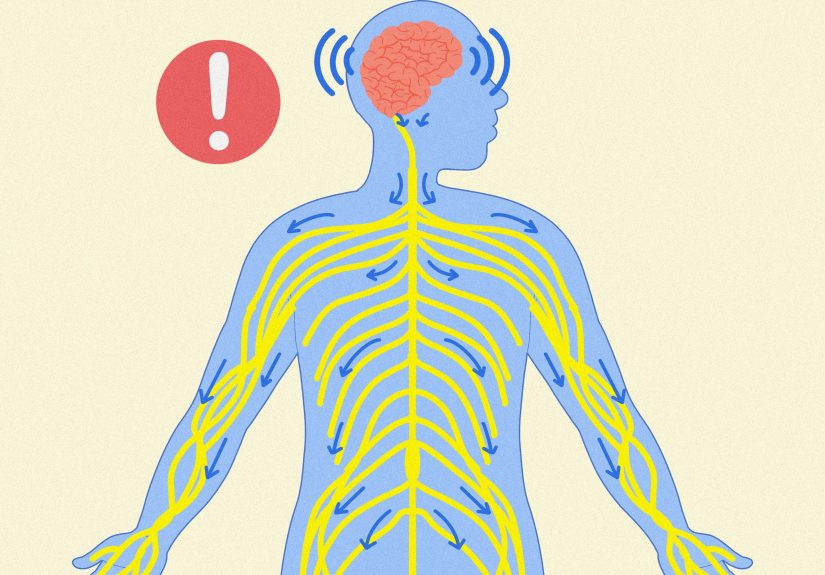
Let’s translate the science into normal-human language. Your autonomic nervous system helps run automatic body functions like breathing, heart rate, digestion, sweating, and your stress response. One branch, the sympathetic nervous system, is the body’s gas pedal. It powers the classic fight-or-flight response. Another branch, the parasympathetic nervous system, acts more like the brake. It supports the rest-and-digest state that helps your body recover, digest food, and settle down.
So when people talk about nervous system regulation, they usually mean helping the body move from a prolonged stress state toward a more balanced one. Not “be calm all the time.” Not “never feel anxious again.” Not “float through life like a scented candle commercial.” Regulation is about flexibility. Your system should be able to rev up when needed and then come back down when the threat has passed.
That last part matters. Stress itself is not the villain. Stress can help you meet a deadline, hit the brakes in traffic, or power through a challenge. Trouble starts when your body stays on high alert too often or too long. Then your mind may feel jumpy, your sleep may go sideways, your muscles may tense up like they are auditioning for a statue role, and your patience may disappear faster than fries at a crowded table.
Signs your nervous system may be stuck in overdrive
People experience stress differently, but common signs of nervous system dysregulation or chronic stress overload can include shallow breathing, a racing heart, tight shoulders, stomach issues, headaches, irritability, restlessness, trouble focusing, poor sleep, fatigue, and a general sense that your body has mistaken Tuesday emails for a bear attack.
You might also notice that you swing between extremes. Some days you feel wired, panicky, reactive, and unable to slow down. Other days you feel shut down, foggy, detached, or oddly numb. That does not mean you are failing at life. It may mean your body has been working overtime to cope.
In simple terms, a dysregulated nervous system often looks like poor recovery. You get stressed, but you do not bounce back easily. Small stressors feel huge. Minor inconveniences become personal character tests. A delayed text reply starts to feel like an emotional hostage situation. That is when regulation skills become especially useful.
Expert-backed ways to regulate your nervous system in the moment
1. Slow your exhale first
If you want one tool that is simple, free, portable, and does not require a subscription, start with breathing. Experts often recommend slow, controlled breathing because it can help reduce the body’s stress response and support a calmer physiological state. The key is not dramatic theatrical breathing. You are not preparing for a soap opera close-up. You are gently telling your body, “We are safe enough to slow down.”
A helpful starting point is this: inhale through your nose for a comfortable count, then exhale a little longer than you inhale. For example, breathe in for four counts and out for six. Repeat for a few minutes. The longer exhale can encourage your body to shift toward a more settled state. If counting stresses you out, skip the math and simply think easy inhale, slower exhale.
Other breathing methods, like box breathing, diaphragmatic breathing, or cyclic sighing, can also help. What matters most is choosing a method that feels safe and sustainable. If a technique makes you feel more panicky, dizzy, or trapped, stop and try a gentler version.
2. Ground yourself with your senses
When stress pulls your mind into spirals, grounding helps bring your attention back to the present. One classic method is the 5-4-3-2-1 technique: notice five things you can see, four you can feel, three you can hear, two you can smell, and one you can taste. It sounds almost suspiciously simple, but that is part of its charm. Grounding works by giving your brain a concrete task instead of letting it run laps around worst-case scenarios.
You can also ground through touch. Hold a cool glass of water. Press both feet into the floor. Wrap yourself in a blanket. Rest one hand on your chest and one on your stomach. The goal is not to force instant peace. The goal is to interrupt the stress loop.
3. Relax your muscles on purpose
Stress is not just a thought problem. It is a body problem too. That is why progressive muscle relaxation can be so effective. Gently tense one muscle group at a time, then release it. Work from your feet upward or from your forehead downward. The contrast helps you notice how much tension you are carrying and teaches your body what “letting go” actually feels like.
This is especially useful if you are the kind of person who says, “I’m fine,” while your jaw is locked, your shoulders are parked near your ears, and your fists are quietly writing angry poetry.
4. Move, even a little
When your body is flooded with stress energy, sometimes the best move is, well, movement. A short walk, gentle stretching, yoga, shaking out your arms, or even marching in place can help discharge some of that activation. You do not need a heroic workout. In fact, if you already feel overstimulated, a punishing workout may make you feel worse. Think supportive movement, not punishment disguised as wellness.
5. Use a “cue of safety”
Many people calm faster when they pair regulation with something familiar and soothing. That might be a favorite song, a warm shower, soft lighting, prayer, a brief meditation, a pet, a comforting scent, or sitting outside for a few minutes. These cues will not erase stress, but they can make it easier for your body to believe the emergency has passed.
Daily habits that make nervous system regulation easier
Sleep: the unglamorous superstar
If your sleep is inconsistent, your stress tolerance usually shrinks. Experts consistently point to sleep as one of the foundations of emotional regulation and recovery. When you are under-rested, your body is more reactive and less resilient. Translation: the email feels meaner, the noise feels louder, and the minor inconvenience feels like destiny has singled you out.
Try to keep a reasonably consistent sleep and wake schedule. Reduce late-night doomscrolling. Make your bedroom darker and cooler if possible. If caffeine is crashing your calm or wrecking your sleep, consider scaling back, especially later in the day.
Exercise: not just for abs and smug fitness watches
Regular movement helps reduce stress and supports a healthier stress response over time. Aerobic exercise, walking, swimming, cycling, strength training, yoga, and other forms of movement can all play a role. The best type is usually the one you will actually do more than twice before dramatically abandoning it.
If your nervous system has been running hot, try aiming for consistency over intensity. A daily walk may help more than a random, punishing workout followed by four days of soreness and dramatic regret.
Mindfulness, meditation, and journaling
Mindfulness is not the art of having zero thoughts. If that were the requirement, most of us would fail before sitting down. Mindfulness simply means paying attention to the present moment with less judgment. Research-backed practices like mindfulness meditation can help reduce stress, anxiety, and sleep disruption for many people.
Journaling can also help, especially when your thoughts feel chaotic. Write down what is stressing you, what sensations you notice in your body, what triggered the reaction, and what helped even a little. Over time, patterns emerge. You may discover that your nervous system is less “randomly dramatic” than it seems. It may actually be fairly predictable.
Food, hydration, and stimulants
Your nervous system is not separate from the rest of your body. Skipping meals, living on coffee, forgetting water exists, and treating energy drinks like a personality trait can all make stress feel more intense. Eating regular meals, staying hydrated, and being mindful about caffeine and alcohol can make a meaningful difference in how steady you feel.
This does not mean you have to become a flawless wellness monk. It just means your body tends to regulate better when it is not running on fumes and iced espresso alone.
Social connection and nature
One of the most underrated regulation tools is healthy connection. Talking with a trusted friend, sitting with family, getting a hug you actually want, or spending time with supportive people can help you feel safer and less alone. Social support is not a bonus feature. For many people, it is part of how the nervous system settles.
Time outdoors can help too. A short walk in nature, sitting under a tree, or simply stepping outside without your phone for a few minutes can lower the temperature on an overwhelmed mind. It is not magic. It is just your body remembering there is a world bigger than your stress.
What does not help much
Let’s save you some frustration. Nervous system regulation is not usually about one miracle hack. It is rarely one cold plunge, one breathing video, one expensive supplement, or one perfectly curated morning routine. Most people do better with simple, repeatable basics practiced often enough that the body starts to trust them.
It also helps to stop expecting yourself to feel calm instantly. Regulation is not performance art. Sometimes success looks like going from a ten out of ten panic spiral to a six. Sometimes it looks like noticing your shoulders and unclenching them. Sometimes it looks like stepping away before you send the text message that future-you would describe as “an avoidable plot twist.”
Also, be cautious with trendy claims that promise to “reset” your nervous system overnight. Your body is not a frozen router. Most regulation is gradual, boring, and highly effective precisely because it is gradual and boring.
A simple 10-minute nervous system regulation routine
If you want a starting point, try this short sequence:
- Minute 1: Sit down and plant both feet on the floor.
- Minutes 2 to 4: Breathe in gently through your nose and exhale a little longer than you inhale.
- Minutes 5 to 6: Relax your jaw, shoulders, hands, and belly. Unclench like it is your part-time job.
- Minutes 7 to 8: Name five things you can see and three things you can hear.
- Minute 9: Stretch or walk slowly around the room.
- Minute 10: Ask yourself, “What do I need next: water, food, rest, movement, fresh air, or support?”
That last question is important. Regulation is not just calming down. It is also learning to respond to your body with useful care.
When to get professional help
There is a point where “I should probably meditate” stops being enough. If anxiety or stress is persistent, feels out of proportion, causes panic-like symptoms, disrupts sleep for long periods, affects work or school, strains relationships, or makes you avoid daily life, it is a good idea to speak with a doctor or licensed mental health professional.
Therapies such as cognitive behavioral therapy can be very effective for anxiety and stress-related patterns. Professional support can help you identify triggers, challenge unhelpful thoughts, process trauma, and build tools that fit your specific nervous system instead of some influencer’s extremely well-lit one.
And please do not automatically assume every racing heart, chest sensation, or shortness of breath is “just anxiety.” Seek urgent medical care for severe or sudden symptoms such as chest pain, fainting, blue lips, major breathing trouble, or anything that feels new, intense, or alarming. When in doubt, get checked out.
If you are in the United States and you are experiencing a mental health crisis, call or text 988 for immediate support. Reaching out is not dramatic. It is wise.
Final thoughts: regulation is a practice, not a personality trait
Learning how to regulate your nervous system is less about becoming a permanently serene person and more about becoming a responsive one. You learn what activates you, what steadies you, and what your body needs before stress becomes a full internal fireworks display.
Start small. Pick one breathing technique, one grounding exercise, one movement habit, and one sleep-supporting change. Use them consistently. Let boring be beautiful. Over time, your body can become more flexible, your reactions less extreme, and your recovery faster.
No, you do not need to become a monk. No, you do not need to throw your phone into a lake. You just need a few reliable ways to tell your body, again and again, that it can come home to safety.
Experiences related to regulating your nervous system
For many people, nervous system regulation does not feel dramatic at first. It feels almost disappointingly ordinary. One person might start with a two-minute breathing practice before work and notice that they still feel stressed, but they no longer snap at the first email that lands with the subject line “Quick question.” Another might begin taking a short walk after dinner and realize that their mind is not quieter exactly, but their body feels less like it is bracing for impact.
A common experience is discovering that regulation often starts in the body before it reaches the mind. Someone may sit down for a grounding exercise and think, “This is silly. I am still anxious.” Then five minutes later, they notice their jaw has softened, their hands are warmer, and their breathing is no longer sprinting. The mind may still be chatty, but the body is less convinced that disaster is one calendar notification away.
People also frequently notice that the “best” regulation tool depends on the kind of stress they are having. If they feel wired and panicky, slow breathing and muscle relaxation may help. If they feel numb and shut down, breathing alone may not do much, but standing up, stepping outside, or moving their body can help them feel present again. Some people need quiet. Others need connection. Some regulate by journaling. Others regulate by folding laundry while listening to music loud enough to drown out their inner nonsense.
There is often a learning curve too. At first, a person may only remember to regulate after they are already overwhelmed. They breathe after the argument, stretch after the meltdown, and call a friend after the spiral has already done three victory laps. But over time, many people start catching the signs earlier. They notice the tight chest, the clenched teeth, the fast talking, the inability to sit still, the sudden urge to solve their whole life at 10:30 p.m. That awareness is progress. It means the body is no longer driving completely unsupervised.
Another very real experience is grief over how long someone has lived in survival mode without realizing it. When their body finally begins to settle, they may feel relief, but also sadness. They may think, “So this is what calm was supposed to feel like?” That reaction is understandable. Regulation can bring up emotions that were buried under constant activation. This is one reason professional support can be so valuable, especially for people with trauma, chronic anxiety, or long-term stress.
And then there are the small victories, which deserve more respect than they get. Sleeping a little better. Recovering from a stressful conversation in 20 minutes instead of four hours. Noticing a trigger and choosing to pause before reacting. Eating lunch before the caffeine shakes begin. Saying, “I need a break,” before your nervous system files a formal complaint. These moments may not look glamorous on social media, but they are often what real healing looks like in daily life.
In the end, the experience of learning to regulate your nervous system is usually less about becoming perfectly calm and more about becoming more familiar with yourself. You learn your patterns, your limits, your signals, and your supports. You stop treating your body like an inconvenience and start treating it like a messenger. And once that shift happens, even a stressful life can feel more manageable, more humane, and a lot less like your internal alarm system is being run by an over-caffeinated raccoon.
Conclusion
Nervous system regulation is not a trendy luxury. It is a practical life skill. When you understand how stress affects your body and use expert-backed tools like breathing, movement, sleep support, mindfulness, grounding, and healthy connection, you build real resilience. You may not control every stressor, but you can absolutely improve how your body responds and recovers.







 Close
Close