
Table of Contents >> Show >> Hide
- Why Food Gets Stuck in Wisdom Teeth Sockets
- How to Remove Food from Extracted Wisdom Teeth Sockets: 14 Steps
- Step 1: Do Not Panic or Dig
- Step 2: Check Your Post-Op Timeline
- Step 3: Wash Your Hands First
- Step 4: Prepare a Warm Salt Water Rinse
- Step 5: Let the Rinse Move Gently
- Step 6: Let the Water Fall Out
- Step 7: Repeat After Eating
- Step 8: Use a Syringe Only If Your Dentist Provides or Approves It
- Step 9: Aim Beside the Socket, Not Deep Inside It
- Step 10: Brush Carefully Around the Area
- Step 11: Avoid Straws, Smoking, and Forceful Suction
- Step 12: Eat Socket-Friendly Foods
- Step 13: Know What Not to Mistake for Food
- Step 14: Call Your Dentist If Symptoms Seem Wrong
- What Happens If Food Stays in the Socket?
- How to Tell Normal Healing from a Problem
- Best Foods to Eat While Wisdom Teeth Sockets Heal
- Foods and Habits to Avoid
- When Can You Stop Worrying About Food in Wisdom Teeth Holes?
- Common Mistakes People Make
- Practical Experience: What Recovery Really Feels Like
- Conclusion
Getting wisdom teeth removed is a little like canceling a difficult tenant from the back of your mouth. The hard part is over, but now you have to keep the empty “apartment” clean while it heals. One of the most common post-surgery worries is food getting stuck in the extracted wisdom teeth sockets. It feels strange, it looks suspicious, and your tongue suddenly turns into a tiny detective that will not stop investigating the area.
The good news: small food particles in wisdom tooth holes are common, and most can be removed safely with gentle rinsing and proper aftercare. The not-so-good news: poking, scraping, blasting, or panic-cleaning the socket can disturb the protective blood clot and increase the risk of dry socket, pain, bleeding, or delayed healing. In other words, this is not the moment to become a home dental surgeon with a toothpick and confidence.
This guide explains how to remove food from extracted wisdom teeth sockets in 14 careful steps, what to avoid, when to call your dentist, and how to eat in a way that makes your recovery less dramatic. Always follow your oral surgeon’s instructions first, because your case may be different depending on stitches, infection risk, medication, and how complex the extraction was.
Why Food Gets Stuck in Wisdom Teeth Sockets
After a wisdom tooth is removed, it leaves behind a socket, which is the space where the tooth roots used to sit. During normal healing, a blood clot forms in that socket. This clot protects the bone and nerves underneath while gum tissue gradually grows over the area. For several days or weeks, the socket may feel like a tiny food trap, especially after eating soft grains, shredded meat, seeds, rice, noodles, or crumbly snacks.
Food stuck in a wisdom tooth hole does not automatically mean infection. Sometimes it is just a soft particle sitting near the healing gum. Other times, what looks like food may actually be normal healing tissue. The goal is to clean the area gently without pulling out the blood clot. Think of it like washing a delicate sweater, not power-washing a driveway.
How to Remove Food from Extracted Wisdom Teeth Sockets: 14 Steps
Step 1: Do Not Panic or Dig
If you feel food in the socket, pause before doing anything. Do not use your fingernail, toothpick, cotton swab, dental pick, fork tine, or any “creative” tool from the bathroom drawer. Digging can irritate the tissue, introduce bacteria, restart bleeding, or dislodge the clot. A little patience is safer than aggressive cleaning.
Step 2: Check Your Post-Op Timeline
The first 24 hours after wisdom tooth extraction are the most delicate. Many dentists advise avoiding rinsing, spitting, or swishing during this early period because the clot needs time to stabilize. If food gets near the area on day one, leave it alone unless your oral surgeon gave different instructions. After the first day, gentle cleaning usually becomes safer.
Step 3: Wash Your Hands First
Before touching your face, handling gauze, or preparing a rinse, wash your hands thoroughly with soap and water. Your mouth already has plenty of bacteria; it does not need bonus guests from your phone, keyboard, or snack bag. Clean hands are a simple but important part of wisdom teeth aftercare.
Step 4: Prepare a Warm Salt Water Rinse
Mix about one-half teaspoon of salt into a cup of warm water. The water should be warm, not hot. Hot liquid can irritate healing tissue and increase discomfort. Salt water can help loosen small food particles, soothe the area, and support a cleaner mouth while the socket heals.
Step 5: Let the Rinse Move Gently
Take a small sip of the warm salt water. Instead of swishing like you are testing mouthwash in a commercial, tilt your head gently from side to side and let the liquid bathe the socket. Keep the motion slow and calm. Your goal is to float debris out, not launch it into another ZIP code.
Step 6: Let the Water Fall Out
Do not spit forcefully. Lean over the sink, open your mouth, and let the rinse fall out naturally. Forceful spitting can create pressure that may disturb the clot. Repeat this gentle rinse a few times, especially after meals, if your dentist has cleared you to rinse.
Step 7: Repeat After Eating
Once you are past the first 24 hours and have permission to rinse, use warm salt water after meals. This is one of the easiest ways to prevent food from sitting in wisdom teeth holes. It is especially helpful after foods like mashed potatoes, scrambled eggs, pasta, oatmeal, or soup with tiny bits of vegetables.
Step 8: Use a Syringe Only If Your Dentist Provides or Approves It
Some oral surgeons give patients a curved-tip irrigation syringe. If you receive one, ask exactly when to start using it. Many providers do not want patients irrigating too early because pressure may disturb healing tissue. When approved, fill the syringe with warm salt water or the rinse recommended by your dentist.
Step 9: Aim Beside the Socket, Not Deep Inside It
If you are cleared to use a syringe, do not jam the tip into the hole. Hold it near the socket and aim the stream gently along the side. Use low pressure. The water should rinse debris away, not drill into the wound. If the area hurts sharply, bleeds, or feels worse, stop and contact your dental office.
Step 10: Brush Carefully Around the Area
Continue brushing your other teeth, but be careful near the extraction sites. Use a soft-bristled toothbrush and avoid scrubbing the socket directly. Good oral hygiene lowers the chance of bad breath, plaque buildup, and infection, but rough brushing can irritate healing gums.
Step 11: Avoid Straws, Smoking, and Forceful Suction
Straws, smoking, vaping, and forceful sucking motions can create pressure in the mouth. That pressure may pull the clot loose and increase the risk of dry socket. If you are craving a smoothie, use a spoon. Yes, it is less glamorous. Your socket does not care about glamour; it wants peace.
Step 12: Eat Socket-Friendly Foods
Choose soft foods that are less likely to crumble into the extraction holes. Good options include yogurt, applesauce, mashed potatoes, smoothies eaten with a spoon, scrambled eggs, cottage cheese, smooth soups, pudding, and soft pasta. Avoid popcorn, chips, seeds, nuts, granola, rice, crusty bread, spicy foods, sticky candy, and anything crunchy enough to sound like a construction project.
Step 13: Know What Not to Mistake for Food
White, yellowish, or grayish material in the socket is not always food. It may be healing tissue, collagen dressing, or normal wound covering. Do not scrape it away. If you are unsure whether something is food or healing tissue, call your dentist rather than trying to remove it yourself.
Step 14: Call Your Dentist If Symptoms Seem Wrong
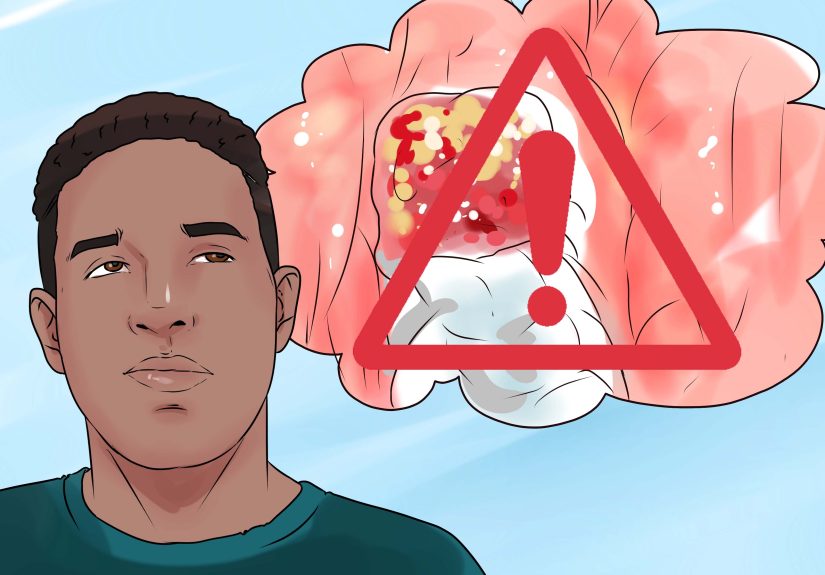
Contact your dentist or oral surgeon if you have severe pain that worsens after a few days, pain spreading to your ear or temple, persistent bad taste, foul odor, fever, pus, swelling that gets worse instead of better, heavy bleeding, or trouble swallowing or breathing. These signs may point to dry socket, infection, or another complication that needs professional care.
What Happens If Food Stays in the Socket?
A tiny piece of soft food usually works its way out with gentle rinsing. However, trapped food can irritate the area, feed bacteria, worsen bad breath, and make the socket feel sore. The risk is higher if you keep chewing on the extraction side or skip rinsing after meals once rinsing is allowed.
Still, the answer is not aggressive cleaning. The safest approach is gentle, repeated rinsing and professional help if the debris will not move or symptoms increase. Your dentist can flush the socket properly without damaging the healing tissue. That is one of the many reasons dentists own tiny tools and bright lights instead of guessing with a bathroom mirror at midnight.
How to Tell Normal Healing from a Problem
Normal wisdom teeth recovery often includes swelling, mild bleeding, soreness, jaw stiffness, and a strange taste for the first few days. Pain should generally improve over time. The socket may look uneven, dark, white, or slightly weird. “Weird” is not always dangerous after oral surgery.
A possible problem is pain that suddenly becomes intense after initially improving. Dry socket often causes deep, throbbing pain and may expose bone in the socket. Infection may involve fever, pus, worsening swelling, redness, or a foul smell. If your recovery feels like it is moving backward instead of forward, call your dental team.
Best Foods to Eat While Wisdom Teeth Sockets Heal
Food choices matter because some meals practically volunteer to get stuck. During early recovery, aim for smooth, soft, and mild foods. Try Greek yogurt, blended soups, mashed sweet potatoes, avocado, applesauce, oatmeal that is not too thick, scrambled eggs, soft noodles, protein shakes eaten with a spoon, and well-cooked vegetables mashed until smooth.
As healing improves, you can slowly add firmer foods when chewing feels comfortable. Introduce one texture at a time. If a food breaks into sharp crumbs, sticks like glue, or hides tiny seeds, save it for later. Popcorn is the classic villain here. It may look innocent, but one kernel shell in a healing socket can turn snack time into a dental mystery novel.
Foods and Habits to Avoid
Skip crunchy snacks, sticky candy, nuts, seeds, popcorn, tortilla chips, crusty bread, tough meat, and spicy foods until your dentist says your mouth is ready. Avoid alcohol during early healing, especially if you are taking prescription pain medicine or antibiotics. Do not smoke or vape, because tobacco and suction can interfere with healing and increase complication risk.
Also avoid obsessive checking. The tongue is surprisingly strong and persistent. Constantly poking the socket with your tongue can irritate the site and make it feel more noticeable. Give the area room to heal. Your mouth is doing construction work; stop walking through the wet cement.
When Can You Stop Worrying About Food in Wisdom Teeth Holes?
Healing time varies. Many people feel much better after several days, but the sockets may take longer to close completely. Lower wisdom teeth sockets often feel deeper and may collect food longer than upper sockets. If you had impacted wisdom teeth, stitches, or a more complex extraction, healing may take additional time.
In general, the worry decreases as gum tissue fills in and the hole becomes shallower. Keep rinsing after meals as instructed, maintain gentle brushing, and attend follow-up appointments if scheduled. If the socket still traps food after a couple of weeks or becomes painful, ask your dentist to check it.
Common Mistakes People Make
The first mistake is rinsing too hard too soon. The second is using a water flosser at high pressure. The third is trying to remove every visible speck from the socket. The fourth is returning to crunchy foods because “it feels mostly fine.” Wisdom tooth recovery is famous for punishing overconfidence.
Another common mistake is ignoring worsening pain because the patient assumes pain is always normal after surgery. Some soreness is expected, but severe or increasing pain deserves attention. A quick call to the dental office can prevent days of unnecessary discomfort.
Practical Experience: What Recovery Really Feels Like
Many people describe the first few days after wisdom tooth removal as a mix of soreness, curiosity, and mild paranoia. Every bite feels strategic. Every mirror check becomes a medical investigation. You eat mashed potatoes and wonder whether a tiny beige spot in the socket is potato, tissue, or something that requires a dramatic phone call. This is normal. Healing mouths look strange, and extraction sites rarely resemble the clean diagrams shown in dental brochures.
A useful real-life habit is to build a simple post-meal routine. After eating, sit upright, drink water, and wait a few minutes. Then, if you are beyond the first 24 hours and your dentist has approved rinsing, use warm salt water gently. Do not rush. Let the rinse soak the area and fall out. Many patients find that two or three calm rinses remove the “something is stuck” feeling without any need to touch the socket.
Another helpful experience-based tip is to eat in good lighting and choose meals that are easy to rinse away. Smooth soup is easier than rice. Scrambled eggs are easier than toast. Yogurt is easier than granola. If a food leaves crumbs on your plate, it can leave crumbs in your socket. For the first several days, boring food is not a punishment; it is a recovery strategy wearing sweatpants.
People also learn quickly that chewing on the opposite side matters. Even soft foods can drift toward the extraction site if you chew carelessly. Take smaller bites, chew slowly, and keep water nearby. If you had wisdom teeth removed on both sides, focus on foods that require little or no chewing. This is the brief season of spoons, patience, and pretending pudding is a balanced meal.
Sleep and hydration also affect the experience. A dry mouth can make the socket feel more irritated and make food particles seem more noticeable. Sip water regularly, especially if your medication makes your mouth dry. Rest with your head slightly elevated if swelling is present. Follow your pain medicine instructions exactly, and do not wait until pain is roaring before managing it.
The biggest lesson from patient experiences is this: gentle consistency beats heroic cleaning. You do not need to make the socket look perfect. You need to keep it reasonably clean while protecting the clot and healing tissue. If something will not rinse out, if the taste is foul, or if pain is getting worse, let the professionals handle it. That is not failure; that is smart aftercare.
Conclusion
Removing food from extracted wisdom teeth sockets is mostly about timing, gentleness, and knowing when not to interfere. After the first 24 hours, warm salt water rinses are often the safest first step. A curved-tip syringe may help later, but only when your dentist or oral surgeon says it is time. Avoid digging, forceful spitting, straws, smoking, crunchy foods, and high-pressure cleaning tools.
Your mouth heals best when you treat the socket like a tiny construction zone: keep it clean, do not poke the workers, and avoid dropping popcorn into the foundation. With soft foods, gentle rinsing, careful brushing, and attention to warning signs, most food-related socket worries can be handled safely at home. When pain, swelling, odor, pus, or bleeding seems unusual, call your dental team and let them take a look.







 Close
Close