
Table of Contents >> Show >> Hide
- Why Onions Taste So Strong (And Make Your Eyes Water)
- The 7-Step Plan to Tame Strong Onion Taste and Smell
- Step 1: Start with the Right Onion
- Step 2: Slice or Chop Onions the Smart Way
- Step 3: Rinse or Soak Onions in Cold or Ice Water
- Step 4: Give Onions a Quick Acid Bath
- Step 5: Blanch or Microwave Briefly to Soften the Bite
- Step 6: Cook Low and Slow to Turn Sharpness into Sweetness
- Step 7: Banish Onion Smell from Hands, Cutting Boards, and Kitchen
- Food Safety Tips When Handling Onions
- Real-Life Experiences: What Actually Works in a Busy Kitchen
- Conclusion: You Can Keep the Onion, Lose the Burn
If you love the crunch and flavor of onions but hate that strong sharp taste (or the onion smell that seems to move into your hands, cutting board, and soul), you’re not alone. The same sulfur compounds that make onions so flavorful are also responsible for the burn, the tears, and the lingering odor.
The good news: with a few simple tricks, you can tame the bite, keep the crunch, and stop smelling like a deli sandwich all day. This guide walks you through seven practical steps to remove the strong taste or smell from onions, plus real-world experiences from home cooks and restaurants that rely on these tricks daily.
Why Onions Taste So Strong (And Make Your Eyes Water)
When you slice into an onion, you break open its cells. Enzymes inside the onion react with sulfur-containing compounds to form a volatile irritant known as the lachrymatory factor, primarily syn-propanethial-S-oxide. This gas evaporates quickly, hits your eyes, forms a mild acid with your tears, and your eyes start watering.
The same sulfur chemistry is why onions taste sharp and smell so strong when raw. Different onion varieties have different sulfur levels, which is why a sweet onion tastes mild while a yellow onion can feel like it’s trying to fight you.
To reduce that punchy flavor or lingering smell, your job is to either dilute, neutralize, or transform those sulfur compounds. The following seven steps show you exactly how.
The 7-Step Plan to Tame Strong Onion Taste and Smell
Step 1: Start with the Right Onion
Before you even reach for the knife, you can make life easier by choosing a naturally milder onion. Sweet varieties (like Vidalia, Walla Walla, or Maui) and some tear-reduced types have lower sulfur levels and a higher natural sugar content, so they taste mild and sweet even when raw.
In contrast, many yellow and red onions pack more sulfur, which means more sharpness and more smell. Those are fantastic for cookingwhere heat transforms their harshness into deep sweetnessbut they can be aggressive in salads and sandwiches if you use them raw.
Quick tip: If you know you’ll be serving raw onions (think salsa, guacamole, burgers, ceviche, or salads), reach for a sweet onion or a gentler red onion and then apply the steps below. You’ll fight less chemistry and get better flavor with less effort.
Step 2: Slice or Chop Onions the Smart Way
How you cut your onion affects how intense it tastes. More damage to the cells means more enzymes reacting with sulfur compounds and more sharp flavors and odors being released.
- Use a sharp knife: A dull blade crushes and smears the onion, releasing more sulfur compounds. A sharp knife makes smooth, clean cuts, so less “onion gas” escapes.
- Cut with the grain for texture, across the grain for softer bite: Thin slices across the root-to-stem lines tend to feel softer and can taste less aggressively sharp once treated.
- Avoid over-mincing for raw uses: The finer you chop, the more surface area you expose and the stronger the taste will feel unless you plan to soak or cook the onions.
If your eyes are burning badly while you cut, consider chilling the onions briefly in the fridge before slicing. Cooler onions release fewer vapors at once, which can also mean a slightly less intense smell.
Step 3: Rinse or Soak Onions in Cold or Ice Water
This is the classic, restaurant-approved trick to take the bite out of raw onions without cooking them. Multiple culinary sources recommend soaking sliced onions in cold or ice water for 10–20 minutes to mellow their flavor.
How to do it:
- Peel and slice or dice the onion as desired.
- Place it in a bowl of very cold water (ice water if possible).
- Let it sit for at least 10 minutes; 20 minutes gives even milder flavor.
- Drain well and pat dry with a clean towel or paper towel before serving.
The water helps draw out some of the sulfur compounds into the bowl instead of leaving them on your plate. Ice water has a bonus: it keeps or even improves the onion’s crispness, which is perfect for salads, tacos, and sandwiches.
When to use this: Anytime you want raw onions but gentler flavorred onions for salads, burger toppings, or fresh salsas are prime candidates.
Step 4: Give Onions a Quick Acid Bath
If you like a tangy edge, an acid bath is a great two-in-one trick: it both mellows harshness and adds flavor. Acidic ingredients (like vinegar or citrus juice) help neutralize some sulfur compounds and distract your taste buds with bright, sour notes.
Simple acid bath method:
- Mix together:
- 1 part vinegar (white wine, rice, or apple cider) or fresh lemon/lime juice
- 1–2 parts water
- A pinch of salt and a small pinch of sugar (optional but highly recommended)
- Add thinly sliced onions and let them sit for 10–30 minutes.
- Drain and pat dry before using, or leave them in the liquid for a quick pickle effect.
Quick-pickled onions not only taste gentler, they also bring color and brightness to tacos, grain bowls, burgers, and salads. This approach is widely recommended in recipes for pickled red onions and raw onion “hacks” for salads.
Heads up: Vinegar and citrus can be too strong if you use them straight. Diluting with water and adding a pinch of sugar balances the flavor and keeps the onion from tasting like it fell into a pickle jar by accident.
Step 5: Blanch or Microwave Briefly to Soften the Bite
When you don’t need completely raw onions but still want them to keep most of their texture, a quick heat treatment works wonders. Heat partially breaks down sulfur compounds and begins to convert onion’s natural sugars, which softens the sharpness.
Two easy options:
- Blanching: Drop sliced onions into boiling water for 30–60 seconds, then immediately transfer them to an ice bath to stop the cooking. Drain well. This tames the bite but keeps the onion recognizable and slightly crisp.
- Quick microwave: Place sliced or chopped onion in a microwave-safe bowl, sprinkle with a little water, cover loosely, and microwave for about 30–60 seconds. Let cool before using in salads or toppings.
This approach is especially helpful if you’re making dishes where raw onions feel too harsh but fully caramelized onions would be too soft or sweet.
Step 6: Cook Low and Slow to Turn Sharpness into Sweetness
If you’re dealing with very strong onions and don’t actually need them raw, the easiest fix is to cook them. Heat breaks down sulfur compounds and gradually caramelizes natural sugars, transforming sharp, pungent onions into something mellow and sweet.
Two great ways to do this:
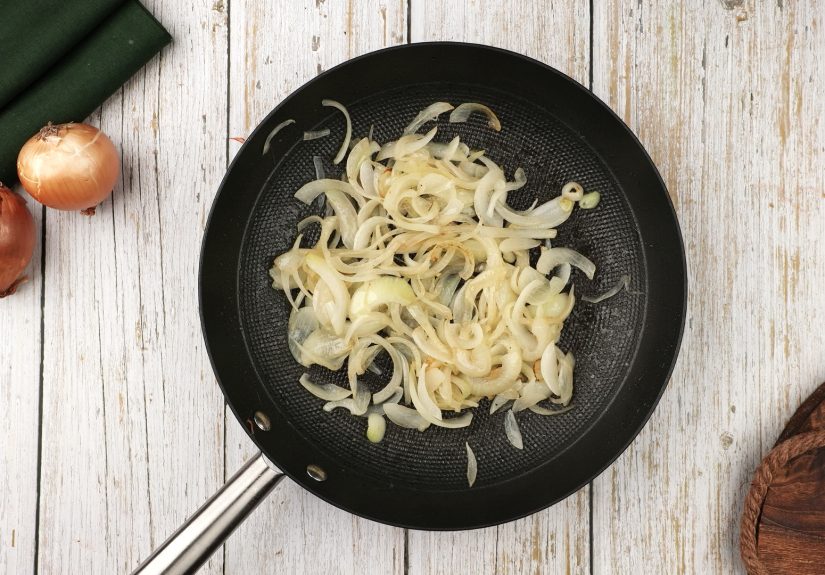
- Sautéing: Cook sliced onions in a bit of oil or butter over medium heat until soft and translucent. At this point they’ve lost most of their harshness and gained gentle sweetnessideal for stir-fries, sauces, and pasta.
- Caramelizing: Cook onions low and slow (often 30–40 minutes) until they turn deep golden brown. The longer, slower cook time pulls out and develops their sugars, making the flavor sweet, rich, and almost jammy.
Once onions are fully cooked, the “strong raw onion taste” is essentially gone. If you’re really sensitive to onion sharpness, leaning into cooked onions is often the easiest lifestyle choice.
Step 7: Banish Onion Smell from Hands, Cutting Boards, and Kitchen
Even if you successfully tame the flavor in your dish, onion smell can cling to your hands, knives, cutting boards, and sometimes your fridge. Thankfully, there are science-backed ways to remove that odor.
For hands:
- Stainless steel trick: Rubbing your hands on stainless steel under running water (the sink, a spoon, or a special stainless “soap” bar) helps bind sulfur compounds to the metal surface and pulls the smell off your skin.
- Lemon or vinegar rinse: The citric or acetic acid neutralizes sulfur odors. Rub a lemon wedge or dilute vinegar on your hands for a few seconds, then rinse.
- Baking soda or salt scrub: Make a paste with baking soda and water or combine dish soap with salt. The mild abrasiveness plus basic or surfactant action helps lift and neutralize the odor.
For cutting boards and utensils:
- Lemon and salt: Sprinkle coarse salt on the board, rub with half a lemon, let sit briefly, then rinse and dry. The acid helps neutralize onion sulfur compounds, while salt gently scrubs.
- Baking soda paste: For plastic boards, a baking soda and water paste can help absorb and neutralize odors.
- Good ventilation and storage: Air out the kitchen, and keep cut onions tightly covered in an airtight container to prevent the smell from taking over your fridge.
Important safety note: Avoid using acidic cleaners (like lemon or vinegar) on natural stone countertops that can be etched by acid, and never mix acids with bleach-based cleaners.
Food Safety Tips When Handling Onions
While you’re busy taming onion flavor and smell, keep a few food safety basics in mind:
- Refrigerate cut onions: Store sliced onions in a sealed container in the refrigerator, and use them within a few days for best flavor and safety.
- Don’t soak indefinitely: Water and acid soaks are great for 10–60 minutes. After that, onions can lose too much texture and flavor and may pick up off-notes.
- Use clean water and containers: Always soak onions in clean, cold drinking water in food-safe bowls.
- Watch cross-contamination: If you cut onions on the same board as raw meat, wash and sanitize the board thoroughly.
Real-Life Experiences: What Actually Works in a Busy Kitchen
These techniques aren’t just theoryhome cooks, test kitchens, and restaurant pros use them every day to keep onion flavors under control and smells manageable.
In many professional kitchens, prep cooks spend a good chunk of time slicing massive amounts of onions for salads and garnishes. It’s common practice to put all those sliced onions into large tubs of ice water and let them soak while the rest of the prep happens. By the time service starts, the onions are crisp, refreshingly mild, and ready to pile on burgers, tacos, and composed salads without overpowering everything else.
Home cooks often discover the cold-water trick the hard wayafter making one salad that tastes like a raw onion challenge. Once you try soaking red onion for 10–15 minutes and compare it to untreated slices, the difference is obvious. The soaked onion tastes cleaner, softer, and less harsh, and the aftertaste doesn’t linger in your mouth for hours.
If you’re a fan of pickled red onions, there’s a good chance you’ve run into recipes suggesting a pre-soak in ice water or a brief vinegar bath to remove bitterness. These methods show up repeatedly in modern recipes and guides for “perfect pickled red onions.” They’re especially helpful if your onions are extra strong or if you’re serving people who say “I don’t like raw onions” (only to eat half the jar once they try the milder version).
The acid bath method also has a fan club among people who love bold, bright flavors. Combining sliced onions with rice vinegar or citrus juice, a pinch of salt, and a touch of sugar gives you a quick, crunchy onion pickle that you can make while you prep the rest of dinner. By the time your main dish is readyabout 20–30 minutes laterthe onions have transformed from sharp and aggressive to tangy and friendly.
Onion smell on hands is another shared pain point. Many cooks try regular soap and hot water first, only to discover that the smell comes back as soon as their hands warm up. That’s where stainless steel and citrus come in. Rubbing your hands on the stainless-steel sink or a spoon under cool running water is a common trick that plenty of chefs swear by. The combo of cold water and metal helps pull sulfur compounds off your skin instead of just moving them around.
Others prefer the lemon method: after chopping onions (or garlic), they grab a leftover lemon wedge, rub it all over their fingers and nails, and then rinse. The citric acid does a surprisingly good job at neutralizing those stubborn smells, and you get the side bonus of your hands smelling like a citrus grove instead of a sandwich shop. This trick also shows up repeatedly in kitchen hacks and household cleaning tips.
Even cutting boards have their own onion-odor stories. If you regularly chop onions on a wooden board, you’ve probably experienced the moment when your apple slices mysteriously taste like onion. That’s when the lemon-and-salt scrub becomes a hero. A quick scrub with coarse salt and half a lemon, followed by a rinse and thorough drying, can noticeably reduce or eliminate that built-in onion aroma.
Over time, most cooks end up with a personal system that blends these methods. For example, you might:
- Use sweet or red onions for raw dishes.
- Soak them in ice water for 15 minutes.
- Quick-pickle a portion in vinegar for extra flavor.
- Rub your hands on the stainless sink and finish with a lemon wedge.
The big takeaway is that you’re not stuck with harsh, nose-clearing onions unless you want them. Once you understand how water, acid, and heat change the chemistry, you can dial onion intensity up or down depending on your recipe and your audience.
Conclusion: You Can Keep the Onion, Lose the Burn
Onions don’t have to bully your taste buds or haunt your kitchen. By choosing milder varieties, cutting them carefully, using cold-water soaks, embracing acid baths and quick heat treatments, and cleaning up with stainless steel and citrus, you can remove the strong sharp taste or smell while still enjoying everything onions bring to the table.
Experiment with the seven steps above and mix and match them based on your dish. With just a bit of practice, you’ll know exactly how to tame even the strongest onionand no one will guess how fierce it was to begin with.







 Close
Close