
Table of Contents >> Show >> Hide
Upper lip hair is one of those tiny beauty topics that somehow manages to feel huge when you’re standing three inches from a bathroom mirror under aggressive lighting. One minute you’re getting ready for your day, and the next you’re wondering whether you need a razor, wax, thread, laser, a magnifying mirror, and maybe emotional support. The good news is that upper lip hair is completely normal, and there are plenty of ways to remove it safely.
The trick is not finding a method. It’s finding the best upper lip hair removal method for your skin, hair type, pain tolerance, budget, and patience level. Some options are fast and cheap. Some are more precise. Some can deliver longer-lasting results. And one is the true long-game champion if you want permanent removal.
In this guide, we’ll break down how to remove upper lip hair with the 10 best methods, including shaving, dermaplaning, waxing, threading, depilatory creams, facial trimmers, epilators, laser hair removal, and electrolysis. We’ll also cover how to choose the right option, what mistakes to avoid, and when upper lip hair may be more than a cosmetic annoyance.
Before You Start: Not All Upper Lip Hair Is the Same
Some upper lip hair is soft, light, and barely visible. That’s usually called vellus hair, also known as peach fuzz. Other hair is darker, coarser, and more obvious. That’s often called terminal hair. The distinction matters because the best removal method for soft fuzz may not be the best one for coarse, stubborn strands.
It also matters how the hair appeared. If you’ve always had some upper lip hair, that may simply be genetics doing what genetics does. But if you suddenly notice faster, thicker, darker growth, especially along with acne, irregular periods, scalp hair thinning, or a deeper voice, it’s worth checking in with a healthcare professional. In some cases, excess facial hair can be linked to hormone-related conditions such as hirsutism or polycystic ovary syndrome.
Translation: sometimes it’s just hair, and sometimes it’s a clue. Your mirror is nosy like that.
How to Remove Upper Lip Hair: 10 Best Ways
1. Shaving
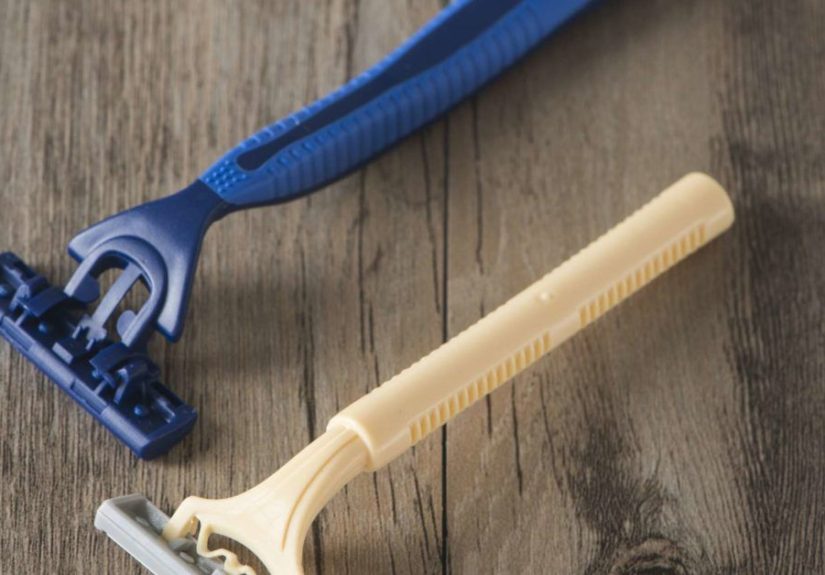
Let’s start with the method that gets unfairly dragged in beauty conversations: shaving. Yes, you can shave your upper lip. No, it does not make the hair grow back thicker. What actually happens is that shaved hair can feel blunter or stubbly as it grows in, which makes it seem harsher than it really is.
Shaving is fast, inexpensive, and painless if you use a clean tool and a gentle touch. It works best for people who want quick results and don’t mind keeping up with regular maintenance. The downside is obvious: because shaving cuts hair at the skin’s surface, results are short-lived. You may need to repeat it every day or every few days.
If your skin is sensitive, prep matters. Clean skin, a fresh blade, and a light hand will help reduce razor burn, nicks, and ingrown hairs. For many people, shaving is the low-drama, high-efficiency choice.
2. Dermaplaning
Dermaplaning is basically shaving’s polished cousin. It uses a small blade to remove fine facial hair and exfoliate dead skin at the same time. That makes it especially popular for peach fuzz and for anyone who wants smoother makeup application afterward.
One reason dermaplaning has become so trendy is that it multitasks. You’re not just removing upper lip hair; you’re also sloughing off dull surface skin. The catch is that it’s still temporary. Hair will grow back. It also isn’t ideal for everyone. If you have active acne, irritated skin, rashes, or certain inflammatory skin conditions, this may not be the best move.
In-office dermaplaning is usually the safer bet, though some people do it at home. If you go the DIY route, be extra cautious. The upper lip area is small, sensitive, and very unforgiving when you get overconfident.
3. Tweezing
Tweezing is one of the best ways to remove a few visible upper lip hairs with precision. If you’re dealing with a handful of darker strands rather than a full patch of fuzz, tweezers can be practical and cheap.
Because tweezing pulls hair from the root, results last longer than shaving. But precision comes with a price: time. Removing one or two hairs is manageable. Removing a whole upper lip one hair at a time is the kind of project that makes you question your life choices.
Tweezing can also cause redness, irritation, and ingrown hairs if you overdo it or use dirty tools. Always sanitize your tweezers first, pluck in good lighting, and stop before your upper lip starts looking like it lost a fight.
4. Waxing
Waxing is a classic option for upper lip hair removal, and for good reason. It removes hair from the root, so results can last for weeks instead of days. It also works well on both fine and coarse hair, which makes it a popular pick for people who want a smoother finish without daily upkeep.
The trade-off is pain and potential irritation. Waxing can leave the area red, tender, and temporarily angry-looking. If the wax is too hot, it can burn the skin. And if you’re using retinoids, tretinoin, isotretinoin, or other products that thin or sensitize the skin, waxing may be a very bad idea.
For the upper lip, technique matters a lot. If you’re nervous, a professional is often worth it. A well-done wax can make you feel polished. A bad one can make you spend the afternoon Googling “why is my mustache area on fire?”
5. Threading
Threading is a favorite for facial hair because it’s precise, quick, and often gentler than waxing for sensitive skin. A skilled technician uses twisted cotton thread to remove hair from the root. It’s commonly used on brows, but it also works very well on the upper lip.
Many people like threading because it doesn’t involve heat or chemicals. That can make it appealing if your skin hates wax or depilatory creams. It also tends to give cleaner lines and good control in a small area.
That said, threading still isn’t painless. It can cause redness, stinging, swelling, and irritation, especially right afterward. The quality of the result depends heavily on the person doing it, so this is not the moment to let someone “try it for the first time.”
6. Depilatory Creams
Depilatory creams dissolve hair at or just below the skin’s surface. They’re quick, convenient, and often last a bit longer than shaving. For people who hate blades and can’t deal with waxing, they can be a useful middle ground.
But this method comes with a big warning label: facial skin is delicate, and these products can sting, irritate, or even burn if used incorrectly. Always choose a formula specifically labeled for the face, do a patch test first, follow the timing instructions exactly, and rinse thoroughly. Afterward, stick to a bland, fragrance-free moisturizer.
If your skin is reactive, rosacea-prone, freshly exfoliated, or already irritated, skip this one. Upper lip hair is annoying, sure, but chemical burns are dramatically worse.
7. Facial Hair Trimmers
Facial trimmers are essentially the low-commitment, low-risk option. These small electric devices trim hair close to the surface without pulling it out. They’re easy to use, less intimidating than a blade, and especially helpful if you want quick maintenance between other treatments.
Trimmers are good for people with low pain tolerance, busy schedules, or shaky hands. They’re also handy if you want to tidy the area without fully removing every single hair.
The downside is that results are temporary, similar to shaving. Hair regrows fairly quickly, and you won’t get the smooth-from-the-root finish that waxing, threading, or tweezing can provide. Still, for convenience, this one earns its place on the list.
8. Epilators
Epilators are electric devices that pull hair out from the root using rotating tweezers. In theory, they combine the long-lasting effect of plucking with the speed of a machine. In practice, they can work well on the upper lip for some people and feel like a tiny robot with a grudge for others.
Because epilators remove hair from the root, regrowth is slower than with shaving or trimming. They can be useful if you want a home method with longer-lasting results. However, they may also trigger redness, inflammation, and ingrown hairs, especially if your skin is sensitive.
If you try this method, choose a device designed for facial use, move slowly, and test a small area first. The upper lip is not the place for blind optimism.
9. Laser Hair Removal
Laser hair removal is one of the most effective options for long-term hair reduction. It works by targeting pigment in the hair follicle, damaging it over time so hair grows back thinner, finer, or not at all for long stretches.
This method tends to work best on darker hair because the laser needs pigment to target. It’s generally less effective on blonde, gray, white, or red hair. It also requires multiple sessions, and on women’s faces, hormonal influences can make regrowth more likely than on other body areas. So think long-term reduction, not a magic one-and-done fix.
Provider skill matters here. The wrong laser or an inexperienced operator can increase the risk of burns, pigment changes, and blistering. If you’re considering laser treatment for your upper lip, choose someone experienced with your skin tone and hair type. If you’re preparing for laser, avoid plucking, waxing, and electrolysis for several weeks beforehand so the follicle stays intact for the treatment.
10. Electrolysis
If you want the heavyweight champion of permanent facial hair removal, meet electrolysis. This method uses an electrical current delivered into individual follicles to destroy the hair-growth cells. It works on all skin tones and all hair colors, including light hairs that laser can’t reliably treat.
Electrolysis is slow because each follicle is treated individually, and you’ll need multiple sessions because hair grows in cycles. But it remains the best option for people who want true permanence rather than just long-term reduction.
The main downsides are time, cost, and discomfort. It can sting, and the upper lip is one of the more sensitive areas. Also, operator experience matters enormously. Poor technique can increase the risk of burns, infection, or scarring. But if you’re tired of the endless cycle of remove-regrow-repeat, electrolysis is often the method that finally ends the argument.
How to Choose the Best Upper Lip Hair Removal Method
If you want the fastest and easiest option, go with shaving or a facial trimmer. If you want smoother skin for longer and can tolerate some discomfort, waxing, threading, tweezing, or an epilator may suit you better. If you want better makeup texture and temporary peach-fuzz removal, dermaplaning is worth considering. If you want the most lasting results, look at laser hair removal or electrolysis.
Your skin type matters too. Sensitive skin often does better with threading than waxing. Reactive skin may hate depilatory creams. Coarse dark hair may respond well to laser, while fine blond hair may push you toward electrolysis instead.
Budget matters, too. Shaving is cheap. Laser and electrolysis are not. But constant waxing appointments can add up over time, so the “cheapest” method isn’t always the least expensive in the long run.
Upper Lip Hair Removal Mistakes to Avoid
The biggest mistake is using a method that clashes with your skin care routine. If you’re applying retinoids, acids, or acne medications, think twice before waxing. Another mistake is skipping patch tests with facial hair removal cream. Another is using dirty tools and then acting surprised when bumps appear.
It’s also smart to avoid stacking irritation. Don’t wax and then immediately exfoliate. Don’t dermaplane over inflamed acne. Don’t attack your upper lip with three different methods in the same week because you’re chasing absolute perfection. Your skin is not a craft project.
When to See a Doctor
Most upper lip hair is simply a grooming concern. But if the hair becomes suddenly darker, thicker, faster-growing, or more widespread, it may be worth getting evaluated. The same goes if you also notice irregular periods, worsening acne, scalp hair loss, voice changes, or other signs of hormone shifts.
In those situations, removing the hair may help cosmetically, but it won’t address the reason the hair is showing up in the first place. A dermatologist, gynecologist, or endocrinologist can help figure out whether something hormonal is going on and discuss treatment options if needed.
Final Thoughts
There’s no single best way to remove upper lip hair for everyone. The right method depends on whether you want speed, smoothness, precision, lower pain, lower cost, or lasting results. For quick upkeep, shaving and trimming are hard to beat. For clean lines, threading and tweezing shine. For longer-lasting at-home options, waxing and epilators can work well. For the long game, laser hair removal and electrolysis lead the pack.
The smartest strategy is not chasing the trendiest method. It’s choosing the one your skin actually likes. Because the best upper lip hair removal routine is the one that gets the job done without turning your face into a cautionary tale.
What Real-World Upper Lip Hair Removal Experiences Usually Teach You
One of the most common experiences people have with upper lip hair removal is discovering that the “best” method on paper is not always the best one in real life. Someone might swear by waxing because it keeps the area smooth for weeks, while another person tries it once and spends the rest of the day holding an ice pack to their face and regretting every decision that led them there. That difference usually comes down to skin sensitivity, hair thickness, medications, and plain old pain tolerance.
A lot of people also learn that their upper lip hair looks very different depending on the method they use. Shaving and trimming often feel surprisingly easy and much less dramatic than expected. Many first-timers are shocked to realize that the scary myth about hair “growing back thicker” doesn’t actually play out the way they were told. What they do notice is stubble or blunt regrowth, which can make the hair feel rougher for a day or two. That sensation is what throws people off, not a real increase in hair thickness.
Threading and waxing tend to teach a different lesson: precision is wonderful, but irritation is real. People often love the clean finish, especially on the upper lip where every tiny hair seems to become visible in sunlight, selfies, and car mirrors. But they also quickly learn that timing matters. If you have a wedding, a presentation, or a date in two hours, that may not be the ideal moment to experiment with a method that can leave redness behind. Many experienced users eventually figure out a rhythm: remove the hair at night, keep skin care simple, and let the area calm down before facing the world.
People who try depilatory creams usually become very loyal to patch testing after exactly one bad experience. The appeal is obvious: no blade, no pulling, no salon appointment. But facial skin has a short fuse, and upper lip skin in particular does not appreciate guesswork. Those who have good results usually follow directions obsessively, use formulas made specifically for the face, and moisturize afterward. Those who don’t? Let’s just say they become very passionate advocates for reading the label.
Laser hair removal and electrolysis teach the biggest long-term lesson of all: patience. People often go into these treatments hoping for instant transformation, then realize that permanent or near-permanent results are built slowly. Sessions need to be repeated. Hair cycles matter. Hormones matter. The upper lip can be stubborn. But many people still find the process worth it because it reduces the mental load of constant maintenance. Over time, that can be the biggest win. Not just smoother skin, but fewer daily decisions, fewer emergency mirror checks, and less energy spent thinking about a tiny strip of hair above your mouth.
In the end, real-world experience usually leads people to the same conclusion: upper lip hair removal is not about chasing perfection. It’s about finding a method that fits your skin, your schedule, and your comfort level well enough that you stop overthinking it. And honestly, that may be the smoothest result of all.





 Close
Close