
Table of Contents >> Show >> Hide
- Why Excessive Barking Complaints Get Complicated
- How to Report Excessive Dog Barking: 13 Steps
- Step 1: Make sure it is a real pattern, not a one-time dog meltdown
- Step 2: Rule out an emergency or possible cruelty situation
- Step 3: Check your city, county, landlord, or HOA rules
- Step 4: Try a calm, direct conversation with the owner first
- Step 5: Keep a written bark log
- Step 6: Gather evidence the clean, legal, boring way
- Step 7: Decide whether your first formal complaint should go to management or the city
- Step 8: See whether other neighbors are affected
- Step 9: File the complaint with the correct non-emergency channel
- Step 10: Include the details that make action possible
- Step 11: Ask what happens next
- Step 12: Follow up and escalate if the barking continues
- Step 13: Stay factual, not personal
- What a Strong Barking Complaint Sounds Like
- Common Mistakes to Avoid
- Conclusion
- Real-World Experiences Related to Reporting Excessive Dog Barking
- SEO Tags
There is “a dog barked once because a squirrel had the audacity to exist,” and then there is “this has been going on so long I know the barking schedule better than my own calendar.” The first is life with dogs. The second may be a genuine nuisance. If a neighbor’s dog is barking for long stretches, waking your family, interrupting work calls, or turning your backyard into a live-action alarm clock, you do not have to just stand there pretending it is charming.
That said, reporting excessive dog barking works best when you do it strategically. Marching outside in a rage and yelling across the fence usually produces exactly two results: more barking and worse neighbor relations. A better approach is calm, documented, and local-rule-driven. In many parts of the United States, barking complaints are handled as non-emergency quality-of-life issues, often through animal control, 311, a landlord, an HOA, or non-emergency police. The trick is figuring out which path applies where you live.
This guide walks you through 13 practical steps for reporting excessive dog barking the right way. You will learn how to tell the difference between normal dog noise and reportable nuisance barking, how to build a complaint that sounds credible instead of cranky, and how to escalate the issue without becoming the villain in your own neighborhood saga.
Why Excessive Barking Complaints Get Complicated
Dogs bark for reasons that are often surprisingly ordinary: boredom, alerting, separation anxiety, loneliness, frustration, fear, lack of exercise, or because a leaf moved in a suspicious way. That is one reason many cities do not jump straight to penalties. First complaints may trigger a warning letter, educational material, or a courtesy notice rather than immediate punishment. The goal is often to stop the noise, not launch a neighborhood courtroom drama.
But local rules still matter. One city may define nuisance barking by duration. Another may define it by frequency, audibility, time of day, or whether it disturbs nearby residents. That is why the smartest complaint is not just, “This dog is driving me insane.” It is, “Here is what happened, when it happened, how often it happened, and why it appears to violate the local rule.” Suddenly, your complaint sounds less like a rant and more like evidence.
How to Report Excessive Dog Barking: 13 Steps
Step 1: Make sure it is a real pattern, not a one-time dog meltdown
Before you report anything, listen for a pattern. Is the dog barking every weekday from 8 a.m. to noon when the owner leaves for work? Is it worse at night? Does it happen only when delivery drivers show up, or does it go on for long, uninterrupted stretches? A single loud episode is annoying. A repeated pattern is what most authorities care about.
This step matters because your credibility starts here. If you call after one bad afternoon, you may be dismissed as impatient. If you can show the barking is recurring, prolonged, and disruptive, your report becomes much stronger.
Step 2: Rule out an emergency or possible cruelty situation
Not every barking problem is just a noise problem. Sometimes barking is a warning sign that a dog is in distress. If the dog appears injured, trapped, left outside without basic care in dangerous conditions, or part of an active safety issue, do not treat it like a routine nuisance complaint. Contact the appropriate emergency or animal welfare authority in your area.
In plain English: if it is a “quality of life” issue, use the non-emergency route. If it looks like immediate danger, use the urgent route. That distinction can save time and, in serious cases, protect an animal.
Step 3: Check your city, county, landlord, or HOA rules
Now do the least glamorous but most powerful thing in the entire process: look up the exact rule. Search your city or county website for terms like barking dog complaint, animal noise, noise ordinance, animal control, or 311 barking dog. If you rent, also check your lease. If you live in a planned community, read the HOA rules.
Some jurisdictions treat barking as an animal-control issue. Others treat it as a noise-code issue. In apartment buildings, the first stop may be management, not the city. If you skip this step, you may send your complaint to the wrong place and lose weeks. Bureaucracy loves a misrouted complaint almost as much as dogs love barking at UPS trucks.
Step 4: Try a calm, direct conversation with the owner first
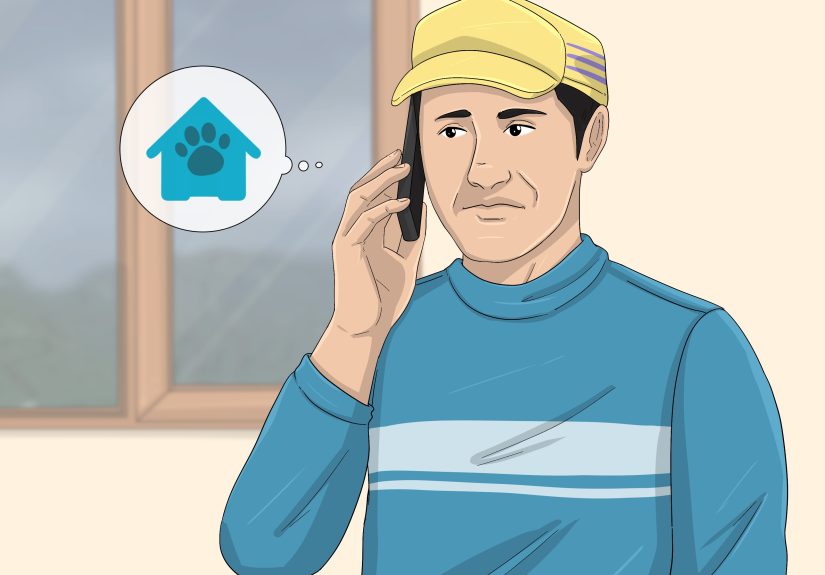
If it feels safe and reasonable, talk to the dog’s owner. Many owners genuinely do not know the barking is happening, especially if it occurs when they are away. Keep it neutral and specific. Say something like, “I wanted to let you know your dog has been barking for long stretches during the morning this week. I figured you might not be home to hear it.”
Do not accuse. Do not diagnose their dog. Do not open with, “Your pet has turned my life into a submarine alarm.” A calm tone gives the owner a chance to fix the issue without becoming defensive. Sometimes that conversation solves everything. Sometimes it solves nothing, but it still helps because later you can honestly say you tried to resolve it informally first.
Step 5: Keep a written bark log
This is where your case goes from “frustrated neighbor” to “organized human with timestamps.” Write down the date, start time, end time, estimated duration, and what the barking sounded like. Note whether it was intermittent, continuous, or tied to a trigger such as passersby, garbage pickup, or the owner leaving home.
A good log might read like this:
Monday, 7:15 p.m. to 8:02 p.m. Continuous barking from backyard. Audible inside bedroom with windows closed. Restarted twice after short pauses. Owner appeared absent.
Why does this matter? Because complaint systems often want patterns, not feelings. A bark log shows that the issue is measurable, recurring, and disruptive. It also helps you compare the facts against the language of your local ordinance.
Step 6: Gather evidence the clean, legal, boring way
Yes, boring is good here. Take short audio or video clips from your own property if local law allows it. Save copies of emails or messages to the landlord, HOA, or owner. Keep screenshots of complaint confirmations. If neighbors are also affected, ask whether they would be willing to provide their own logs or statements.
Do not trespass. Do not provoke the dog. Do not stage some amateur detective operation involving hedges, ladders, or dramatic whispering. The best evidence is ordinary, lawful, time-stamped, and easy to understand.
Step 7: Decide whether your first formal complaint should go to management or the city
If you live in an apartment, condo, duplex, or HOA community, your most effective first complaint may be to building management or the association. Why? Because they can often enforce lease terms, quiet-enjoyment rules, pet policies, or nuisance clauses faster than city agencies can.
If the barking dog belongs to a nearby house and there is no property manager involved, your next formal route is usually 311, animal control, or the agency listed in your local noise ordinance. Think of this step as choosing the shortest line in the problem-solving grocery store.
Step 8: See whether other neighbors are affected
You do not need to build a neighborhood coalition worthy of a campaign headquarters, but it helps to know whether others hear the same thing. If multiple households are affected, separate complaints or witness statements can make the issue harder to dismiss as a personal feud.
Be careful, though. Keep it factual and low-drama. You are collecting corroboration, not auditioning for a reality show called Suburban Bark Wars. A simple question works: “Have you also been hearing the dog barking for long stretches this week?”
Step 9: File the complaint with the correct non-emergency channel
Once you know the proper route, file the complaint completely and professionally. Depending on your jurisdiction, that might mean an online service request, a 311 call, a written complaint, an email, a landlord report, or a non-emergency police contact. Some places allow online tracking. Some require a signed statement. Some do not accept anonymous complaints.
Use a steady tone. The goal is not to sound outraged. The goal is to sound helpful, precise, and serious. Agencies respond better to “The dog barked continuously from 10:14 p.m. to 10:29 p.m. on three separate nights this week” than to “I am losing my mind and civilization is collapsing.”
Step 10: Include the details that make action possible
When you report, include the address of the dog, the times and duration of the barking, where you heard it from, whether it happens regularly, whether you already contacted the owner, whether other neighbors are affected, and whether you have logs or recordings. If a form asks for your contact information, provide it unless your local system clearly allows anonymous reporting.
Also mention any practical impact: sleep disruption, work interruption, inability to use a room or yard, repeated nighttime disturbances, or a pattern that matches the local nuisance standard. This is not being dramatic. It is showing why the noise is not trivial.
Step 11: Ask what happens next
Good reporting is not just filing the complaint. It is understanding the process. Ask whether the owner will receive a warning letter, whether an officer may contact you, whether more evidence is needed, how follow-up works, and how long the initial response usually takes. Save the case number if one is given.
This step keeps you from guessing. In some systems, the first complaint is educational. In others, ongoing complaints build toward citations, mediation, inspections, hearings, or court action. You want to know the playbook before the second quarter starts.
Step 12: Follow up and escalate if the barking continues
If the barking continues after the first complaint, follow up with your case number and updated log. Keep the tone professional. You are not “starting over”; you are documenting that the issue remains unresolved.
Possible next steps may include mediation, a second complaint, landlord enforcement, code enforcement, an administrative hearing, or small claims or nuisance action if local law allows it and the problem is severe enough. Escalation should be progressive and well documented. The stronger your paper trail, the less this becomes a “he said, she said” argument.
Step 13: Stay factual, not personal
This may be the hardest step because prolonged barking can make even a calm person fantasize about moving to a silent cabin in the woods. But staying factual protects your case. Avoid insults, threats, sarcasm, retaliatory noise, or social media call-outs. Do not turn a barking complaint into a neighbor-hostility project.
Frame everything around behavior, timing, and impact. The issue is excessive barking. The issue is not whether the owner is lazy, rude, or the villain of your block. Keep your complaint clean, and you make it easier for authorities, managers, or courts to help you.
What a Strong Barking Complaint Sounds Like
Here is a simple example you can model:
“I am reporting ongoing excessive dog barking at 125 Maple Street. The barking has occurred on at least five occasions in the past seven days, including March 22 from 10:18 p.m. to 10:34 p.m. and March 24 from 6:50 a.m. to 7:12 a.m. The noise is plainly audible inside my home with the windows closed. I spoke to the owner on March 21, but the problem has continued. I have a written log and short recordings if needed.”
That works because it is precise, calm, and useful. No melodrama. No guessing. No paragraphs about how the dog has ruined brunch forever.
Common Mistakes to Avoid
- Reporting too early without confirming a pattern.
- Skipping the local ordinance and filing with the wrong agency.
- Using emotion instead of details.
- Failing to keep a log.
- Ignoring landlord or HOA channels when they clearly apply.
- Escalating publicly instead of formally.
- Waiting so long that you have months of frustration but no records.
Conclusion
Reporting excessive dog barking is not about punishing dogs for being dogs. It is about handling an ongoing nuisance in a way that is fair, credible, and effective. The best results usually come from a simple sequence: confirm the pattern, check the local rule, try a calm conversation, document the problem, and file through the right channel with useful details. If the problem continues, follow up with updated evidence and escalate through the systems your city, landlord, or HOA already has in place.
In other words, do not go nuclear on day one, and do not suffer in silence for six months either. Be calm. Be specific. Be organized. That combination solves far more barking disputes than dramatic speeches ever will.
Real-World Experiences Related to Reporting Excessive Dog Barking
One of the most common experiences people describe is discovering that the barking is much worse when the owner is gone than when the owner is home. A neighbor may honestly say, “My dog never barks,” and from their perspective that seems true because they only see the dog in the evening. Meanwhile, the dog may spend three weekday hours barking at every hallway sound, delivery truck, and fluttering bird while the owner is at work. That gap between what the owner hears and what the neighborhood hears is why calm communication and a written log are so powerful. They replace argument with observable facts.
Another familiar experience happens in apartment buildings. A renter may assume the city should handle everything, only to learn that management is actually the fastest route because the lease already bans nuisance behavior. In those situations, a short email with dates, times, and the unit number often gets more traction than an angry front-desk complaint. Property managers tend to act faster when they can verify a repeated pattern rather than a vague statement like “the dog next door is always loud.” The people who get results are often the ones who sound like reliable witnesses, not exhausted stand-up comedians doing a bit about insomnia.
Suburban complaints often unfold differently. Someone hears a backyard dog barking late at night, assumes the owner is careless, and prepares for confrontation. Then the first conversation reveals something more ordinary: the family started leaving the dog outside longer after a schedule change, or they had no idea the dog barked when they stepped inside, or the dog recently developed separation anxiety. That does not make the noise okay, but it explains why a respectful first contact can work. Many barking problems improve once the owner knows about them and tries basic fixes like supervision, exercise, indoor time, training, or blocking visual triggers.
Then there are the cases that do not resolve easily. The owner denies everything. The barking continues. A warning letter comes and goes. At that point, people who kept clean records usually feel much less helpless. They can follow up with dates, durations, case numbers, and copies of earlier reports. People who relied only on memory often feel stuck because they know the problem is real but cannot prove the pattern clearly. That is why the “boring paperwork” part of this process matters so much. It is not glamorous, but it is the bridge between frustration and action.
Many people also discover that the emotional side of the issue is bigger than they expected. Lack of sleep, broken concentration, interrupted remote work, a baby waking up, or the inability to enjoy a patio can make a barking complaint feel deeply personal. That reaction is normal. But the most effective complaints are the ones that translate personal frustration into neutral facts. The moment you can say, “Here are the times, here is the duration, here is the impact, and here is the local rule,” the issue becomes solvable. That is the real lesson repeated across so many barking disputes: the people who stay calm, organized, and consistent usually get farther than the people who are the most furious.






 Close
Close