
Table of Contents >> Show >> Hide
- The 15-second answer: the best way to store garlic
- Why garlic goes bad (and how storage fixes it)
- Buy garlic like you plan to store it
- How to store whole garlic bulbs (the pantry method)
- How to store separated cloves (unpeeled)
- How to store peeled garlic (and how long it lasts)
- How to store chopped or minced garlic
- Garlic in oil, garlic confit, and roasted garlic: store safely
- How to freeze garlic (the “future you will be grateful” method)
- Drying and dehydrating garlic (for flakes and powder)
- Pickling and other preserving methods (use tested recipes)
- Can you eat sprouted garlic?
- Signs garlic has gone bad
- Garlic storage do’s and don’ts
- FAQ: quick answers to common garlic storage questions
- Conclusion
- Real-world experiences with storing garlic (the stuff that actually happens)
- SEO tags (JSON)
Garlic is the little white bulb that shows up to every dinner party uninvited… and somehow makes everything better.
The problem: store it wrong and it turns into a science experimentsprouting, shriveling, or growing fuzzy “sweaters.”
Store it right and you’ll keep that punchy flavor for weeks (sometimes months) with almost zero effort.
This guide covers the best way to store garlic in its most common formswhole bulbs, separated cloves, peeled cloves,
chopped/minced garlic, roasted garlic, and garlic-in-oilplus freezing and other longer-term options. Expect practical
examples, clear do’s and don’ts, and food-safety notes where they matter.
The 15-second answer: the best way to store garlic
For most home cooks, the best garlic storage method is simple: keep whole, unpeeled bulbs in a
cool, dry, dark, well-ventilated spotthink pantry shelf, cabinet away from the stove, or a countertop
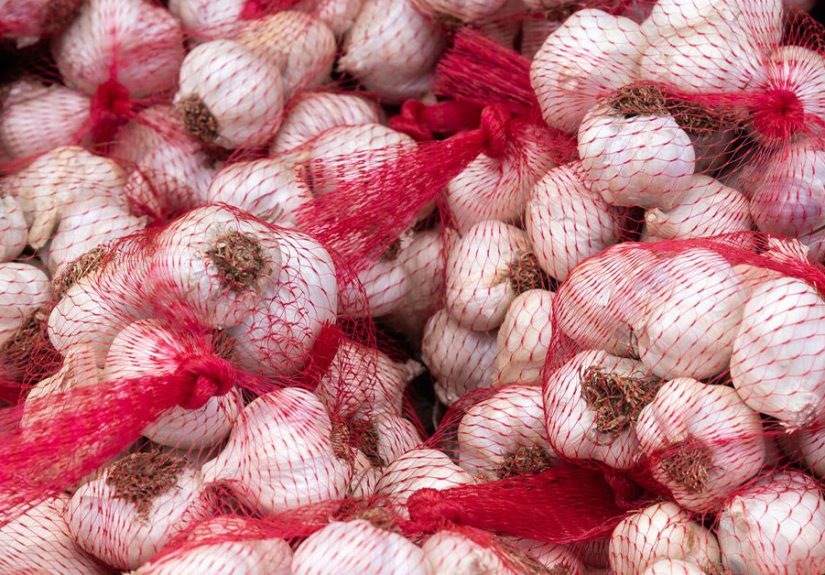
corner that doesn’t get blasted by sun. Use a mesh bag, paper bag (loosely closed), wire basket, or a ventilated
garlic keeper. The goal is airflow without moisture.
Translation: garlic wants to breathe. It does not want to sweat.
Why garlic goes bad (and how storage fixes it)
Garlic is basically a “dormant plant” with a mission. Given the wrong conditions, it tries to:
- Sprout (especially after cold exposure, then warmer temps).
- Mold (when it’s damp or trapped in a non-breathable container).
- Shrivel (when it’s too warm or stored too long).
- Turn rubbery (often from moisture + time).
Good storage slows those changes: airflow keeps surfaces dry, darkness helps discourage sprouting, and moderate
temperatures keep cloves from waking up and deciding to become a houseplant.
Buy garlic like you plan to store it
Storage starts at the store. If you bring home garlic that’s already halfway to retirement, your pantry can’t
magically reverse time (if it could, we’d all be storing our emails in there too).
What to look for
- Firm bulbs with tight, papery skins.
- No soft spots, dampness, or dark, moldy patches.
- Minimal sprouting (tiny green tips are usable, but big sprouts usually mean older garlic).
What to avoid
- Bulbs in sealed plastic that look “sweaty.” Moisture trapped around garlic is an invitation to spoilage.
- Cracked or exposed cloves inside the bulbthose age faster.
How to store whole garlic bulbs (the pantry method)
Whole bulbs last the longest because the skins protect the cloves. For everyday cooking, this is the
“set it and forget it” option.
Best containers for garlic storage
- Mesh bag (classic and effectiveairflow on all sides).
- Wire basket (great if it’s not sitting in direct sunlight).
- Paper bag (fold the top loosely; don’t seal it like a submarine hatch).
- Ventilated garlic keeper (ceramic/stoneware with holes works well because it blocks light but still breathes).
Where to put it
Pick a spot that’s:
- Dry (avoid under-sink cabinets, next to dishwashers, or anywhere “mysteriously damp”).
- Dark or shaded (light can encourage sprouting).
- Ventilated (airflow matters more than you think).
- Away from heat (not beside the oven, toaster, or sunlit windowsill).
Temperature and humidity: what “cool and dry” really means
You’ll see slightly different “ideal” ranges depending on whether the advice is aimed at home kitchens, growers,
or commercial storage. For typical households, the practical takeaway is:
avoid warmth + moisture, and don’t trap garlic in airtight plastic.
If you grow your own or buy in bulk, cooler “cold and dry” conditions can extend storage lifeprovided the garlic is
properly cured and kept dry with airflow. In many homes, a pantry that stays relatively cool and dry is “good enough”
for several months.
Hardneck vs. softneck garlic: storage life isn’t one-size-fits-all
If your garlic seems to sprout faster than your neighbor’s, you may be working with different varieties:
- Softneck garlic (often the grocery-store standard) usually stores longer.
- Hardneck garlic tends to have big flavor and larger cloves, but often doesn’t keep quite as long.
Both do best with airflow and dryness; softneck just tends to win the “still usable in late winter” contest.
Should you refrigerate whole bulbs?
For long-term storage, refrigeration is generally not ideal for intact bulbs because cold conditions can encourage
sprouting once the garlic returns to warmer temperatures. If you’re going to use the garlic soon, refrigeration won’t
ruin your lifebut pantry storage is usually the better default for whole bulbs.
How to store separated cloves (unpeeled)
Once you break apart a bulb, the cloves lose a little protection. Still, you can store unpeeled cloves
similarly to whole bulbscool, dry, dark, breathable.
Example: your “weeknight cooking bowl”
If you cook with garlic daily, keep a small bowl or wire basket with a few bulbs or cloves on the counterjust not in
direct sun and not right next to the stove. Refill from your pantry stash. This keeps the main supply in stable
conditions while your “active duty” garlic is easy to grab.
How to store peeled garlic (and how long it lasts)
Peeled garlic is convenient… and also more fragile. Without skins, cloves dry out faster and pick up refrigerator
odors (hello, leftover pizza). The fridge is the right place for peeled garlic, but treat it like a short-term
ingredient, not a pantry staple.
Best method
- Place peeled cloves in a clean, airtight container (glass works well).
- Add a paper towel if you notice condensation; swap it if it gets damp.
- Store in the refrigerator and use within about a week for best quality.
A note about pre-peeled garlic
Store-bought pre-peeled cloves can be a time-saver, but quality varies. If they smell “off,” feel slimy, or show
discoloration, skip them. Convenience should not come with a side of regret.
How to store chopped or minced garlic
Once garlic is cut, its flavor changes quickly and spoilage risk rises. If you mince garlic ahead of time, keep
expectations realistic: you’re buying convenience, not immortality.
Short-term refrigerator method
- Store chopped/minced garlic in a small airtight container.
- Keep it cold (back of the fridge is more stable than the door).
- Use it within a few days to a week for best flavor and safety.
Flavor reality check: “jarlic” vs. fresh
Pre-minced garlic in jars is convenient, but many cooks find it tastes flatter than fresh. If garlic is a main flavor
in your recipe (garlic bread, scampi, aglio e olio), fresh cloves usually taste brighter. If garlic is just part of a
busy weeknight sauce, convenience products may be “good enough.”
Garlic in oil, garlic confit, and roasted garlic: store safely
Garlic + oil is deliciousand also a combination that needs food-safety respect. The big concern is that
raw garlic stored in oil at room temperature can create conditions where harmful bacteria may grow.
That’s why reputable food-safety guidance recommends refrigeration for short periods or freezing for longer storage.
Garlic in oil (raw) the safe approach
- Do not store raw garlic-in-oil at room temperature.
- If you make it, store it in the refrigerator and use it quickly (think days, not weeks).
- For longer storage, freeze it in small portions (ice cube trays work well).
Garlic confit (cooked in oil)
Garlic confit is cooked, which changes the situationbut it still needs cold storage. Keep it refrigerated and treat
it as a short-term condiment. If you make a big batch, freezing portions is the easiest way to extend its life
without stressing about dates.
Roasted garlic
Roasted garlic is softer and sweeter, but it’s also moist. Store roasted cloves or roasted garlic paste in an airtight
container in the fridge and use within a few days. You can also freeze roasted garlic (more on that next).
How to freeze garlic (the “future you will be grateful” method)
Freezing is the best long-term option for peeled garlic, minced garlic, roasted garlic, and garlic-in-oil mixtures.
The texture may soften, but the flavor holds up well in cooked dishes.
Option 1: Freeze whole peeled cloves
- Peel cloves and pat them dry.
- Spread in a single layer on a tray to “flash freeze” for 1–2 hours.
- Transfer to a freezer bag or airtight container.
This method lets you grab exactly what you need. Frozen cloves grate easily on a microplane straight into a pan.
Option 2: Freeze minced garlic in cubes
- Mince garlic in a food processor or by hand.
- Spoon into an ice cube tray.
- Add a tiny bit of water, broth, or oil to help it pack (choose what fits your cooking style).
- Freeze, then store the cubes in a labeled freezer bag.
Example: If one cube equals 1 teaspoon minced garlic, you’ve basically made your own “press-and-go” meal prep tool.
Option 3: Freeze roasted garlic paste
Mash roasted garlic into a paste, then freeze in small scoops (tray or parchment-lined sheet). It’s perfect for
soups, mashed potatoes, sauces, and quick compound butter.
Labeling tip (because freezer mystery is real)
Write the date and portion size on the bag (e.g., “garlic cubes1 tsp eachJan 2026”). Otherwise, you’ll be doing
freezer archaeology later.
Drying and dehydrating garlic (for flakes and powder)
Drying turns garlic into shelf-stable flakes or powdergreat for spice blends and quick seasoning. The smell while
drying is… enthusiastic. If you have housemates, warn them. If you have neighbors, maybe invite them to dinner.
Basic dehydrator approach
- Peel cloves and slice or chop evenly.
- Dehydrate until pieces are fully dry and brittle (time varies by machine and thickness).
- Store in an airtight jar in a cool, dark place.
If your dried garlic is even slightly flexible, it still contains moisture and can spoil in storage. Dry means
snap, not bend.
Pickling and other preserving methods (use tested recipes)
If you want preserved garlic with tang (pickled cloves) or a fermented kick, stick to
tested, research-based recipesespecially if you’re storing it beyond a few days. Home food
preservation is awesome when it’s done safely, and risky when it’s “freestyling.”
For most people, refrigerator pickles or freezing are the easiest, safest “do it once, enjoy it later” options.
Can you eat sprouted garlic?
Yessprouted garlic is generally safe to eat. The flavor can become sharper or slightly bitter as garlic ages.
If the green sprout is large and the clove tastes harsh, you can remove the sprout (especially for raw uses like
dressings, dips, or aioli). In cooked dishes, many people don’t notice much difference.
Signs garlic has gone bad
When in doubt, trust your senses. Toss garlic that shows:
- Mold (fuzzy growth or suspicious powdery patches).
- Soft, mushy cloves or a bulb that feels spongy.
- Strong “off” odor (different from normal garlic pungencymore sour or rotten).
- Discoloration paired with sliminess.
A little sprouting or slight dryness isn’t automatically “bad,” but mold and mush are a hard no.
Garlic storage do’s and don’ts
Do
- Store whole bulbs in a breathable container (mesh, wire, ventilated keeper).
- Keep garlic dry and out of direct light.
- Use the fridge for peeled or cut garlic (short-term), and freeze for long-term.
- Keep garlic away from high-moisture produce and damp areas.
Don’t
- Don’t store whole bulbs in sealed plastic (moisture + no airflow = spoilage party).
- Don’t leave garlic next to the stove or in a sunny window (heat encourages sprouting and drying).
- Don’t store raw garlic in oil at room temperature.
- Don’t buy more garlic than you can use unless you have a freezing plan.
FAQ: quick answers to common garlic storage questions
How long does garlic last?
It depends on the form and storage conditions. Whole bulbs in the pantry can last for weeks and often months.
Peeled cloves last about a week in the fridge. Chopped garlic is best used within a few days. Frozen garlic lasts
longer and works best in cooked dishes.
Should I store garlic and onions together?
They like similar conditions (cool, dry, ventilated), so it’s possibleif both have airflow and aren’t trapped
in moisture. But don’t crowd them in a sealed bin. Also, keep garlic away from produce that traps moisture or
encourages spoilage.
Can I store garlic in the fridge to make it last longer?
Refrigeration is great for peeled or cut garlic short-term. For whole bulbs, fridge storage can encourage sprouting
later, so pantry storage is usually better for long-term quality.
What’s the best garlic storage container?
Anything that blocks excess light and allows airflow: mesh bags, wire baskets, paper bags (loosely closed), or a
ventilated garlic keeper. The “best” one is the one you’ll actually use consistently.
Conclusion
Garlic storage doesn’t need fancy gadgets or complicated rules. Keep whole bulbs dry, dark, and ventilated; refrigerate
peeled or cut garlic for short-term use; and freeze garlic when you want long-term convenience. Once you build a simple
systempantry stash + small “use now” supplyyou’ll waste less garlic, cook faster, and avoid the dreaded moment of
discovering a fuzzy bulb the night you promised “garlic-forward” pasta.
Your next meal is already better. And your garlic is now officially on a better life path.
Real-world experiences with storing garlic (the stuff that actually happens)
In real kitchens, garlic storage is less about “perfect conditions” and more about avoiding predictable disasters.
One of the most common experiences is buying a big bag of garlic with good intentionsthen tossing it into a closed
cabinet still in the store’s plastic packaging. A week later, you open the door and get hit with that telltale smell:
not the bold garlic aroma you wanted, but a damp, funky warning that something’s turning. The fix is almost always the
same: remove garlic from airtight plastic the day you bring it home and move it into something breathable.
Another classic scenario is the “busy-week cooking sprint.” You pre-peel a bunch of cloves on Sunday to save time,
and it feels like a genius move… until Thursday when the cloves are drying out and picking up fridge odors. Cooks who
do this often find a middle-ground strategy works better: peel enough for 2–3 days, store them in a small airtight
container, and freeze the rest. That way, you keep convenience without relying on peeled garlic to stay perfect for a
full week.
Then there’s the sprouting surprise. Many people swear garlic “suddenly” sprouts overnight, but it’s usually a pattern:
bulbs spend time in colder environments (like a chilly store or fridge), then sit in a warmer kitchen. Garlic reads
that as seasonal change and starts growing. The best real-life workaround is to keep whole bulbs in a stable pantry
spot and avoid bouncing them between cold and warm temperatures. If sprouting still happens, don’t panicmany home
cooks simply remove the green sprout for raw recipes and keep using the clove for cooked dishes where the flavor
difference is smaller.
People also learn quickly that garlic hates “wet neighbors.” Store it near a sink, in a damp basement, or next to
produce that’s giving off moisture, and you’ll see moldy skins or soft cloves sooner. A small shiftmoving garlic to a
higher shelf, using a wire basket, or keeping it in a ventilated keeperusually changes everything. The funny part is
how low-tech the best solutions are: airflow, dryness, and a spot that doesn’t get blasted by heat.
Finally, there’s the experience of trying to be fancy with garlic-in-oil. It tastes incredible, so it’s tempting to
keep a jar on the counter like a cozy bistro. But experienced home cooks who follow food-safety guidance treat it as a
refrigerator (short-term) or freezer (long-term) item. The practical routine looks like this: make a small batch,
label it, keep it cold, and freeze extra in tiny portions. The end result is the samefast flavor on demandwithout
gambling on storage conditions.
If you want a simple “real life” system that sticks, try the three-zone approach:
(1) pantry storage for whole bulbs, (2) a small container of “this week’s garlic” for quick access, and (3) a freezer
backup of peeled cloves or minced cubes for the nights when cooking needs to be faster than your schedule.
It’s not glamorous, but neither is throwing out garlic. And this system wins.







 Close
Close