
Table of Contents >> Show >> Hide
- Can You Really Stretch a Cotton T-Shirt?
- Before You Start: Read This So You Do Not Ruin the Shirt
- Method 1: The Lukewarm Water and Hair Conditioner Soak
- Method 2: The Towel Roll Stretch
- Method 3: Stretching the Shirt While Wearing It
- Method 4: The Weighted Flat-Dry Method
- Method 5: The Steam Stretch Method
- Method 6: The Chair-Back or Hanger Stretch
- Method 7: The Targeted Hand-Stretch Method
- How Much Can You Stretch a Cotton T-Shirt?
- How to Stretch a Cotton T-Shirt Without Damaging It
- How to Keep a Cotton T-Shirt from Shrinking Again
- Common Mistakes to Avoid
- Which Method Should You Choose?
- Extra Experience: What Real-Life T-Shirt Stretching Teaches You
- Conclusion
- SEO Tags
Few laundry moments feel as personally insulting as pulling your favorite cotton T-shirt from the dryer and realizing it now fits like it was designed for a very stylish house cat. Maybe it shrank after one hot wash. Maybe it was always a little snug. Maybe you ordered your “usual size” online and the shirt arrived with the confidence of a compression top. Whatever happened, the good news is this: in many cases, you can stretch a cotton T-shirt enough to make it more comfortable, more wearable, and less likely to start a fight with your shoulders.
Cotton is a natural fiber, and that matters. Unlike some synthetic fabrics that bounce back quickly, cotton can shrink when exposed to heat, agitation, and aggressive drying. But cotton also becomes more flexible when damp, especially when the fibers are relaxed with water, conditioner, steam, or gentle tension. That is the basic science behind most at-home stretching methods: soften the fibers, reshape the shirt, then let it dry in the new position.
This guide explains how to stretch a cotton T-shirt using seven simple methods you can try at home. No medieval laundry equipment required. Just patience, a towel, water, and perhaps a bottle of hair conditioner that is about to become the hero of your wardrobe.
Can You Really Stretch a Cotton T-Shirt?
Yes, you can often stretch a cotton T-shirt, especially if it is made from 100% cotton or a cotton-rich blend. However, “stretch” does not mean turning a small into an extra-large. Think of it as restoring comfort, gaining a little room in the chest, lengthening the hem, relaxing tight sleeves, or bringing back some of the size lost in the wash.
The results depend on several factors: the type of cotton, how tightly the fabric is knitted, whether the shirt is preshrunk, how much heat damage it has experienced, and whether it contains elastane, polyester, or other fibers. A thick cotton tee may stretch slowly but hold its shape well. A thin jersey tee may stretch more easily but can become uneven if you pull too hard. A graphic T-shirt needs extra care because printed designs can crack or distort if stretched aggressively.
Before You Start: Read This So You Do Not Ruin the Shirt
Before trying any method, check the care label. If the shirt says “dry clean only,” “do not soak,” or has special printing, embroidery, or delicate trims, proceed carefully. Also, avoid boiling water. Hot water may make cotton fibers contract more, which is exactly the opposite of what you want. Lukewarm water is usually the safest choice.
When stretching, use slow and even pressure. Do not yank the shirt like you are trying to start a lawn mower. Cotton can lose shape, seams can twist, and necklines can become floppy if you stretch randomly. Focus on the exact area that needs more room: width, length, sleeves, shoulders, or the hem.
Method 1: The Lukewarm Water and Hair Conditioner Soak
This is one of the most popular ways to unshrink and stretch a cotton T-shirt because it is gentle, affordable, and surprisingly effective. Hair conditioner helps relax the cotton fibers so they can be reshaped with less resistance.
How to do it
- Fill a sink, basin, or bucket with lukewarm water.
- Add 1 to 2 tablespoons of hair conditioner or baby shampoo.
- Stir the water until the conditioner dissolves.
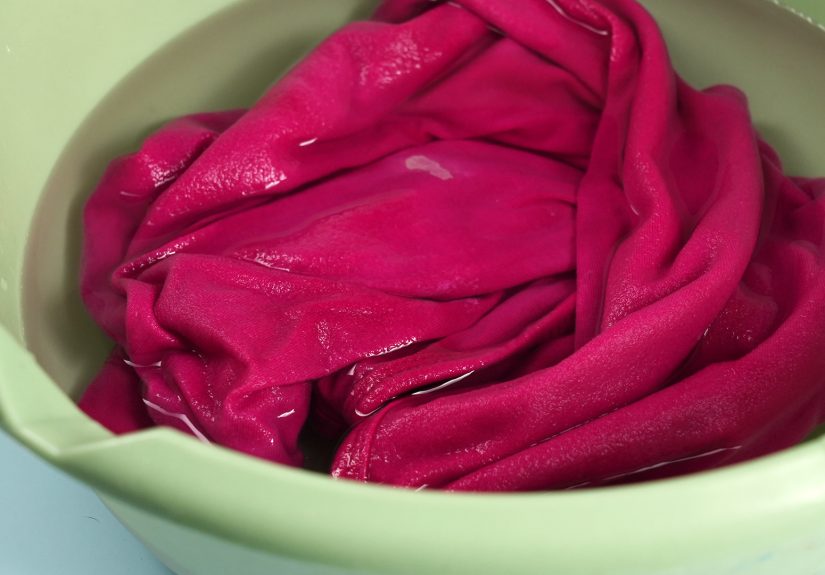
- Submerge the cotton T-shirt and let it soak for 20 to 30 minutes.
- Remove the shirt and gently press out excess water. Do not wring it like a dishcloth.
- Lay the shirt flat on a clean towel.
- Gently stretch the tight areas with both hands.
- Use books, jars, or other smooth household weights to hold the fabric in place while it air-dries.
This method works best for shirts that shrank slightly in the wash. It is especially useful when the whole shirt feels smaller: shorter body, tighter chest, and sleeves that suddenly have big “gym bro” energy.
Method 2: The Towel Roll Stretch
The towel roll method is ideal when you want a controlled stretch without pulling too hard. It also helps remove extra water, which makes the shirt easier to shape.
How to do it
- Soak the shirt in lukewarm water for 10 to 15 minutes.
- Lay a large towel flat on a clean surface.
- Place the wet T-shirt on top of the towel and smooth out wrinkles.
- Roll the towel and shirt together like a burrito.
- Press gently along the roll to absorb water.
- Unroll the towel, then stretch the shirt to the desired shape.
- Let the shirt dry flat.
The towel roll method is great for beginners because it reduces dripping and keeps the fabric from becoming overstretched. If your shirt only needs a little extra room, this method may be all you need.
Method 3: Stretching the Shirt While Wearing It
This method is not glamorous, but it can work well when you need the shirt to mold to your body. The idea is simple: damp cotton stretches more easily, and wearing the shirt helps guide it into a more natural fit.
How to do it
- Dampen the shirt with lukewarm water. It should be wet but not dripping.
- Put the shirt on carefully.
- Move around gently: raise your arms, twist your torso, and stretch the areas that feel tight.
- Wear it for 15 to 30 minutes, then take it off and lay it flat to finish drying.
This method is useful for stretching the chest, shoulders, and waist in a natural way. However, skip it if the shirt is extremely tight, has delicate graphics, or feels uncomfortable when wet. Fashion should involve confidence, not a wrestling match with damp cotton.
Method 4: The Weighted Flat-Dry Method
The weighted method is one of the safest ways to stretch a cotton T-shirt evenly. It is especially helpful when you want to add length or widen the body without creating weird stretched-out corners.
How to do it
- Dampen the T-shirt with lukewarm water or use the conditioner soak first.
- Lay the shirt flat on a towel or drying rack.
- Gently pull the shirt outward from both side seams to add width.
- Pull from the shoulders and hem if you want more length.
- Place smooth weights around the edges to hold the new shape.
- Leave it to air-dry completely.
Use items that will not stain the shirt. Clean books wrapped in plastic bags, heavy jars, or smooth cans work well. Avoid rusty objects, colored paper, or anything that might leave a mark. Your goal is a better-fitting shirt, not a mysterious modern art project.
Method 5: The Steam Stretch Method
Steam can help relax cotton fibers without fully soaking the garment. This is a good option when you want to target a specific area, such as tight sleeves, a snug chest, or a hem that sits too high.
How to do it
- Hang the shirt on a sturdy hanger.
- Use a garment steamer or the steam setting on an iron.
- Hold the steamer close enough to relax the fabric but not so close that it spits water or overheats the shirt.
- Once the fabric is warm and slightly damp, gently pull the area you want to stretch.
- Let the shirt cool and dry while hanging or lying flat.
Be careful with printed designs. Steam can soften some prints and make them vulnerable to cracking or distortion. If the shirt has a large graphic, steam from the inside or avoid steaming directly over the design.
Method 6: The Chair-Back or Hanger Stretch
This method is useful for widening the body of a cotton T-shirt. It uses gentle tension from a chair back, hanger, or similar object to stretch the shirt while it dries.
How to do it
- Dampen the shirt with lukewarm water.
- Stretch the shirt over the back of a clean chair, a wide hanger, or a smooth drying frame.
- Make sure the fabric is evenly placed and not twisted.
- Leave it in place until mostly dry.
- Remove it before it becomes completely stiff, then smooth it flat with your hands.
This method can help widen the torso, but do not use anything with sharp corners. Sharp edges can create permanent bumps in the fabric. Also, avoid stretching the neckline over a hanger unless you want the collar to have the enthusiasm of a tired rubber band.
Method 7: The Targeted Hand-Stretch Method
Sometimes the entire shirt does not need stretching. Maybe only the sleeves are tight. Maybe the bottom hem rides up. Maybe the shoulders feel like they are auditioning for a superhero costume. Targeted stretching lets you fix one area without changing the whole garment.
How to do it
- Dampen only the area you want to stretch.
- Hold the fabric with both hands on opposite sides of the tight area.
- Pull gently and hold for 10 to 15 seconds.
- Release, smooth the fabric, and repeat a few times.
- Let the shirt air-dry flat.
For sleeves, pull around the sleeve opening and across the upper arm area. For length, hold the shirt at the shoulder seams and gently pull downward from the hem. For width, pull from side seam to side seam. The key is patience. Small repeated pulls work better than one dramatic tug.
How Much Can You Stretch a Cotton T-Shirt?
Most cotton T-shirts can be stretched slightly, often enough to improve comfort by a noticeable amount. You may gain a little extra room in the chest, waist, sleeves, or length, but it is unrealistic to expect a dramatic size transformation. If a shirt shrank one full size, you may be able to make it wearable again. If it shrank two sizes, you may need to accept its new destiny as a sleep shirt, gym rag, or very fancy cleaning cloth.
Preshrunk cotton usually changes less than untreated cotton, but it can still tighten with repeated hot washing and high-heat drying. Cotton blends may behave differently. A cotton-polyester shirt may resist stretching more than 100% cotton, while a cotton-spandex shirt may stretch easily but snap back after drying.
How to Stretch a Cotton T-Shirt Without Damaging It
The safest approach is to use moisture, gentle pressure, and flat drying. Avoid extreme heat, aggressive pulling, and hanging a soaking wet shirt from the shoulders. Wet cotton can become heavy, and that weight may distort the shoulder seams or neckline.
If the shirt has a printed design, stretch from the seams and plain fabric areas rather than pulling directly across the print. If the shirt is vintage, expensive, sentimental, or irreplaceable, test a small area first. Laundry courage is admirable, but not when it turns your favorite concert tee into a cautionary tale.
How to Keep a Cotton T-Shirt from Shrinking Again
Once you have stretched your shirt, protect your progress. Wash cotton T-shirts in cold or warm water, not hot water, unless the care label specifically allows it. Use a gentle cycle when possible. Avoid overdrying, which is one of the biggest reasons cotton shirts shrink and tighten.
The best drying method is air drying. Lay the shirt flat or hang it carefully on a drying rack. If you must use a dryer, choose low heat and remove the shirt while it is still slightly damp. Then reshape it by hand and let it finish drying naturally.
Common Mistakes to Avoid
Using water that is too hot
Hot water can make cotton shrink more. Lukewarm water is safer when your goal is stretching.
Pulling too hard in one spot
This can create uneven fabric, warped seams, or a stretched neckline. Always pull evenly and gradually.
Wringing out the shirt
Wringing can twist cotton fibers and distort the shape. Press water out gently or use the towel roll method.
Drying on high heat after stretching
High heat may undo your work. Air drying is the better choice.
Ignoring the fabric blend
Not all T-shirts are pure cotton. Check the label so you know what you are working with.
Which Method Should You Choose?
If the entire shirt shrank, start with the conditioner soak. If you need more length, use the weighted flat-dry method. If the shirt feels tight only in certain places, try targeted hand-stretching or steam. If you want the shirt to fit your body more naturally, damp-wearing can help. For beginners, the towel roll method is the safest starting point because it gives you control and reduces the risk of overstretching.
For best results, combine methods. For example, soak the shirt with conditioner, towel-roll it to remove water, stretch it flat, and use weights to hold the shape. That combination gives you fiber relaxation, moisture control, and steady drying tension. It is basically a spa day for your T-shirt, minus the cucumber water.
Extra Experience: What Real-Life T-Shirt Stretching Teaches You
After dealing with more tight cotton T-shirts than anyone should admit in polite company, one lesson stands out: stretching a shirt is less about force and more about timing. Cotton is most cooperative when it is damp, relaxed, and handled evenly. If you try to stretch a dry shirt, you may get a tiny bit of movement, but it usually snaps back or feels awkward. When you soak it first, especially with a little conditioner, the fabric becomes much more willing to negotiate.
A practical example: imagine a 100% cotton T-shirt that fits well in the shoulders but feels too short after accidentally spending too much quality time in the dryer. The best fix is not to pull the neckline downward. That usually stretches the collar and makes the shirt look tired. Instead, dampen the whole shirt, lay it flat, hold the shoulder area steady, and pull gently from the bottom hem. Then place small weights along the hem while it dries. This keeps the stretch focused where you actually need it.
For a shirt that is too tight across the chest, pulling only from the side seams works better than grabbing random handfuls of fabric. Lay the shirt flat, smooth out the wrinkles, and stretch from left seam to right seam in several sections: upper chest, midsection, and lower torso. This creates a more balanced shape. If you only pull in the center, you may create a strange bubble effect that says, “I tried something, and the shirt remembers.”
Sleeves require extra patience. Cotton sleeves can become tight around the upper arm, especially after hot drying. Dampen each sleeve and stretch around the opening first, then gently pull across the sleeve width. Avoid tugging at the shoulder seam because that area can warp quickly. If the sleeve has a printed logo or patch, stretch around it rather than directly across it.
One underrated trick is measuring before and after. Before stretching, lay the shirt flat and measure the chest width, length, and sleeve opening. After stretching and drying, measure again. This helps you see whether the method worked and prevents you from overdoing it. A half-inch or inch of improvement can make a big difference in comfort.
Another experience-based tip: do not rush the drying stage. A shirt may look stretched while wet, but the final fit depends on how it dries. If you stretch it and then toss it into a hot dryer, you are basically pressing the reset button on shrinkage. Let it air-dry fully in the shape you want. Yes, it takes longer. No, your dryer is not offended. It will survive.
Finally, remember that not every shirt can be rescued perfectly. Some cotton tees shrink because the fibers have tightened significantly after repeated heat exposure. Others are cut small from the beginning. Stretching can improve fit, but it cannot rewrite the laws of textile physics. Still, if the shirt is close to wearable, these methods are absolutely worth trying before you donate it, repurpose it, or dramatically whisper goodbye while placing it in the pajama drawer.
Conclusion
Learning how to stretch a cotton T-shirt is a simple skill that can save money, reduce waste, and rescue your favorite tee from laundry tragedy. The best methods use lukewarm water, conditioner, steam, gentle pulling, and careful air drying. Start slowly, focus on the areas that need more room, and avoid high heat once the shirt has been reshaped.
For most cotton shirts, the conditioner soak and weighted flat-dry method offer the best combination of safety and results. For smaller adjustments, targeted hand-stretching or steam may be enough. With the right technique, your T-shirt can go from “laundry betrayed me” to “actually, this fits pretty nicely.”
SEO Tags
Note: This article is written for web publishing and synthesizes practical garment-care guidance from reputable laundry, textile, appliance, and home-care resources.





 Close
Close