
Table of Contents >> Show >> Hide
- Step 1: Learn Your Rabbit’s Normal First
- Step 2: Watch for Fewer Happy Behaviors
- Step 3: Notice Whether Your Rabbit Has Become Extra Clingy
- Step 4: Look for More Hiding, Freezing, or Withdrawal
- Step 5: Pay Attention to Destructive Chewing and Digging
- Step 6: Check for Changes in Grooming and Affection
- Step 7: Watch for Irritability, Thumping, or Moodiness
- Step 8: Monitor Appetite, Poop, Water Intake, and Litter Box Habits
- Step 9: Review Your Rabbit’s Daily Schedule and Environment
- Step 10: Increase Social Time and Enrichment, Then Watch What Happens
- Step 11: Consider a Compatible Rabbit Companion the Right Way
- How to Tell the Difference Between Loneliness, Boredom, and Illness
- Final Thoughts
- Rabbit Owner Experiences: What Loneliness Can Look Like in Real Life
- SEO Tags
Rabbits are adorable, opinionated little housemates with velvet ears, strong snack opinions, and a truly unmatched talent for chewing the one thing you hoped they would ignore. But for all their charm, they are not always easy to read. A lonely rabbit will not send you a sad text message or dramatically sigh into a tiny cup of chamomile tea. Instead, loneliness usually shows up through behavior.
That is what makes this topic tricky. A rabbit that seems “off” may be lonely, bored, under-stimulated, stressed, sick, or simply having a low-key bunny day. The goal is not to slap a label on every odd behavior. The goal is to read the full picture: body language, energy level, environment, daily routine, social time, and health.
Most rabbits are social animals and often do best with companionship, especially from another compatible rabbit. But not every rabbit wants a roommate immediately, and not every withdrawn rabbit is lonely. Some rabbits are naturally independent. Others are upset because they need more space, more enrichment, more time with you, or a trip to a rabbit-savvy veterinarian. In other words, your bunny is complex. Naturally.
This step-by-step guide will help you spot the difference between a rabbit who is simply being a rabbit and one who may be missing social connection.
Step 1: Learn Your Rabbit’s Normal First
You cannot tell whether your rabbit is lonely if you do not know what “normal” looks like for that specific bunny. Some rabbits are extroverts who zoom around the room like they just drank espresso. Others are quiet observers who prefer to loaf nearby and judge you in silence.
Start by noticing your rabbit’s everyday habits. When are they most active? Do they greet you at feeding time? Do they toss toys, binky, sprawl, or ask for pets? Are they usually curious when you enter the room, or do they warm up slowly? A good baseline matters because behavior changes are often more meaningful than behavior alone.
If your rabbit has always been calm and independent, that does not automatically mean they are lonely. But if a once-engaged bunny suddenly becomes withdrawn, clingy, destructive, or listless, pay attention.
Step 2: Watch for Fewer Happy Behaviors
One of the clearest clues is a drop in joyful, relaxed behavior. Happy rabbits often show it in ways that are delightfully dramatic: binkies, zoomies, toy tossing, flops, relaxed loafing, gentle tooth purring when petted, and general curiosity about what you are doing. Yes, even when what you are doing is just folding laundry badly.
If your rabbit used to race around in the evening, leap in the air, nudge you for attention, or flop near your feet and now does much less of that, loneliness could be part of the story. Rabbits that are under-socialized or under-stimulated may seem emotionally flat. They are present, but not exactly thriving.
This does not mean every rabbit needs to perform a Broadway-level binky routine daily. It means a noticeable reduction in playfulness or confidence deserves a closer look.
Step 3: Notice Whether Your Rabbit Has Become Extra Clingy
Loneliness does not always look like withdrawal. Sometimes it looks like a rabbit who suddenly wants to be involved in absolutely everything. If your bunny starts following you from room to room, nudging you constantly, demanding pets more than usual, or hovering near your feet every time you stand up, they may be asking for more social contact.
This is especially common in rabbits who live alone and rely heavily on human companionship. A solo rabbit may bond deeply with their person, but humans are still not a perfect substitute for rabbit-to-rabbit interaction. You leave for work. You sleep. You have hobbies. Your rabbit finds this personally inconvenient.
Clinginess by itself is not a problem. In fact, it can be sweet. But if it is a sudden change paired with restlessness, frustration, or obvious boredom, it may be a sign that your rabbit is not getting enough connection during the day.
Step 4: Look for More Hiding, Freezing, or Withdrawal
At the other end of the spectrum is the rabbit who seems to retreat from life. A lonely or stressed rabbit may spend more time hiding, sitting in one spot, or freezing instead of exploring. They may stop greeting you at the pen door. They may stay tucked in their hidey house longer than usual. They may look alert but emotionally checked out.
Because rabbits are prey animals, withdrawal can also be a stress response. It can happen when a rabbit feels insecure, under-enriched, or emotionally unsettled. It can also happen when a bonded rabbit loses a companion. In those cases, the rabbit may appear subdued, hesitant, or less confident without their usual social support.
That said, prolonged hiding can also signal illness or pain. If the withdrawal is significant, sudden, or paired with appetite changes, treat it as a health concern first and a loneliness clue second.
Step 5: Pay Attention to Destructive Chewing and Digging
Rabbits chew. Rabbits dig. Rabbits redecorate without permission. Those behaviors are normal. The question is whether they have become more intense, more frantic, or more frequent.
A rabbit who is bored, frustrated, or lacking enough exercise and social contact may become noticeably more destructive. That can mean attacking baseboards, carpet, furniture corners, pen bars, litter boxes, or whatever object you foolishly believed was safe. Destruction is often a sign that a rabbit has energy, instincts, and emotions that have nowhere healthy to go.
If your rabbit is chewing with new determination, ask a few questions. Are they getting enough time out of their enclosure? Enough safe toys? Enough foraging opportunities? Enough interaction? Enough room to move? A lonely rabbit is not always sad in a quiet way. Sometimes they express it through a tiny campaign against your electrical cords.
Step 6: Check for Changes in Grooming and Affection
Rabbits are social groomers. In bonded pairs, they groom each other, nap together, and offer comfort in ways humans simply cannot copy. A solo rabbit may redirect those needs toward you, toward objects, or inward.
Some lonely rabbits become extra affectionate and start licking you more, nudging for pets, or pressing their head down to request grooming. Others may overgroom themselves, seem slightly obsessive about cleaning, or look a bit unsettled when alone.
You should also pay attention to messy grooming, neglected coat condition, or fur loss. Those can point to stress, but they can also point to medical issues, obesity, pain, parasites, or dental trouble. The key is context. If the grooming change appears along with boredom, clinginess, or social frustration, loneliness becomes more plausible. If it appears with skin irritation, bald spots, drooling, or appetite changes, call the vet.
Step 7: Watch for Irritability, Thumping, or Moodiness
A lonely rabbit is not always a melancholy poet staring out the window at the moon. Sometimes they are grumpy. A rabbit who feels frustrated may start thumping more, grunting, lunging during cage cleaning, or acting touchier than usual when routines change.
That does not mean your rabbit has suddenly become “mean.” Rabbits often react strongly when their environment feels too small, too boring, too unpredictable, or too socially empty. Moodiness can be the emotional equivalent of saying, “I am dissatisfied with current management.”
Still, irritability can also be linked to pain. If your rabbit becomes defensive when touched, resists normal movement, or starts loud tooth grinding, do not assume they are lonely. Assume they may be uncomfortable and get a professional evaluation.
Step 8: Monitor Appetite, Poop, Water Intake, and Litter Box Habits
This is the most important step in the whole article, so let us be very clear: a rabbit who is eating less, pooping less, refusing treats, becoming lethargic, or changing litter box habits may be sick. Loneliness can affect behavior, but appetite and output changes in rabbits are never something to shrug off.
Rabbits are masters at hiding illness, and conditions like gastrointestinal stasis, urinary pain, dental disease, and stress-related slowdowns can escalate quickly. If your rabbit seems lonely and is skipping food, producing fewer droppings, sitting hunched, drooling, leaking urine, or suddenly missing the litter box, call a rabbit-savvy vet right away.
In practical terms, this means you should not use “Maybe he misses a friend” as a way to delay medical care. Rule out health problems first. Then circle back to the emotional side.
Step 9: Review Your Rabbit’s Daily Schedule and Environment
Sometimes the answer is not hidden in the rabbit. It is hidden in the routine. A rabbit who spends long hours alone in a small enclosure with minimal stimulation is more likely to seem lonely, frustrated, or depressed. Even a loving owner can accidentally create a boring life if the rabbit’s day lacks variety and connection.
Take a hard look at the setup. Does your rabbit have enough space to stand fully upright, stretch out, and move around comfortably? Do they get supervised exercise outside the enclosure every day? Are there boxes to explore, paper to shred, hay to forage through, toys to toss, and safe chew items? Do they have a quiet retreat area that still allows them to be part of family life?
If your rabbit is alone for most of the day and their environment is basically “hay, litter box, stare into the void,” loneliness becomes much more likely.
Step 10: Increase Social Time and Enrichment, Then Watch What Happens
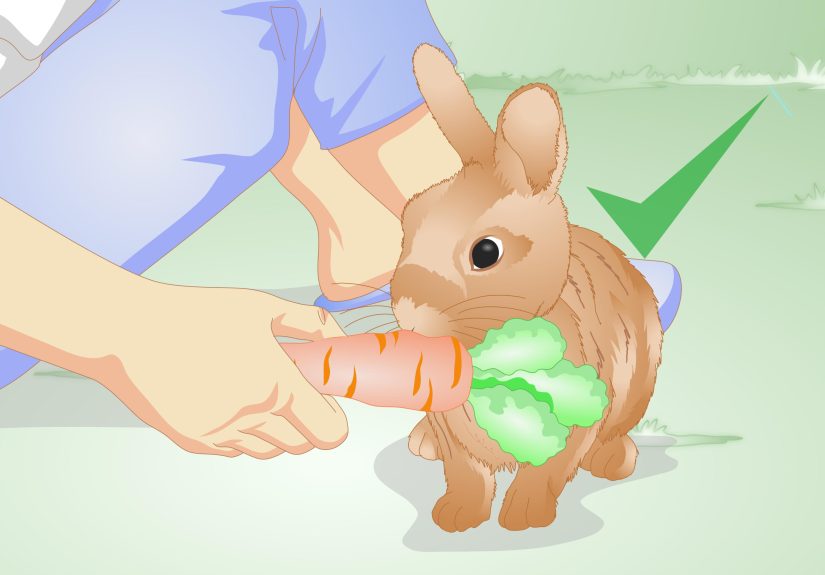
If you suspect loneliness, do a simple experiment: improve your rabbit’s day and observe the response. Add more floor time. Sit on the floor with them without forcing interaction. Hand-feed part of their greens. Rotate toys. Create hay-stuffed boxes, tunnels, dig boxes, and foraging games. Talk to them. Groom them if they enjoy it. Make their environment more interesting and their routine more connected.
Then watch. Does your rabbit become more playful, more relaxed, and more engaged? Do they start flopping again, exploring more, or seeking attention in a calmer way? That improvement suggests the problem may have been loneliness, boredom, or not enough stimulation rather than illness or personality alone.
A good response to better enrichment does not prove your rabbit needs a bonded partner immediately. But it does tell you that their emotional well-being improves when their social and behavioral needs are better met.
Step 11: Consider a Compatible Rabbit Companion the Right Way
If your rabbit still seems lonely despite a rich environment and regular human interaction, a compatible rabbit friend may be the missing piece. For many rabbits, companionship from their own kind is deeply meaningful. Bonded rabbits groom each other, rest together, share meals, and provide a kind of support humans cannot fully replicate.
But this is not a “surprise, I bought you a roommate” situation. Rabbits are territorial, and introductions must be done carefully. Spaying or neutering is essential, and bonding usually works best with guidance from a rescue or rabbit-experienced professional. Some rabbits click quickly. Others require patience, neutral territory, and gradual introductions. A few genuinely prefer living solo.
In other words, if your rabbit needs a friend, do not just add another rabbit and hope for the best. That is not matchmaking. That is chaos with whiskers.
How to Tell the Difference Between Loneliness, Boredom, and Illness
Signs that point more toward loneliness or boredom
These include reduced play, clinginess, extra attention-seeking, mild withdrawal, more destructive chewing, and improvement when you increase social time and enrichment. The rabbit is still eating, pooping, and functioning normally, but seems emotionally under-fulfilled.
Signs that point more toward illness or pain
These include refusing food, fewer droppings, loud tooth grinding, drooling, urine leakage, hiding more than usual, a hunched posture, lethargy, and sudden litter box accidents. Those signs need veterinary attention quickly.
Signs that may be just personality
Some rabbits are independent, reserved, or not especially cuddly. If your rabbit has always been calm, eats well, explores normally, and seems relaxed in their own way, they may simply be introverted. Not every bunny is auditioning for the role of “chaotic best friend.”
Final Thoughts
If your rabbit is lonely, the signs are usually subtle at first. Less joy. More frustration. More waiting around. A little less sparkle in the daily routine. The fix may be more interaction, more enrichment, more freedom, better housing, or a carefully chosen rabbit companion. It may also be a medical issue hiding in plain sight.
The smartest approach is to think like a detective, not a guesser. Study your rabbit’s normal behavior. Notice changes early. Improve their environment. Prioritize health concerns. And remember that rabbits do not need perfection. They need safety, stimulation, understanding, and meaningful connection.
When those things are in place, rabbits tend to make their feelings known. Usually with a flop. Sometimes with a binky. Occasionally by chewing the corner of your bookcase while making direct eye contact.
Rabbit Owner Experiences: What Loneliness Can Look Like in Real Life
Many rabbit owners first realize something is wrong not during a dramatic emergency, but during an ordinary week. One owner noticed her solo rabbit stopped doing his usual evening zoomies. He still ate well and used the litter box normally, but instead of racing laps around the living room, he sat near the pen door and watched people move through the house. Once she started giving him longer out-of-pen time and hiding hay in cardboard puzzle toys, he perked up. The behavior did not disappear completely, but it was the first clue that he needed more stimulation and contact.
Another rabbit owner described the opposite pattern: her bunny became intensely clingy after a schedule change. She had started working longer hours, and suddenly her rabbit followed her everywhere, nudged her ankles constantly, and seemed restless even after dinner. At first she thought it was cute. Then she realized it was also a change. She adjusted her routine, added a consistent play period in the morning and evening, and spent more time sitting on the floor instead of interacting only during feeding and cleaning. Within two weeks, her rabbit seemed calmer and more settled.
A bonded-pair story can be even more revealing. One family lost an older rabbit and expected the remaining bunny to act “basically the same.” Instead, he became quieter, hid more, and seemed less confident during free-roam time. He still ate, but the spark was missing. After working with a rescue on careful introductions, they found a compatible companion. The change was not instant magic, but within a month he was grooming, loafing beside his new partner, and exploring more of the house again. That experience taught them that some rabbits do not just enjoy companionship; they visibly rely on it.
There are also cases where loneliness is mistaken for illness, and vice versa. One owner assumed her rabbit was sulking because she had recently rearranged the room and spent less time at home. But when the rabbit also began producing smaller droppings and sitting hunched in a corner, she went to the vet. The real issue was pain. After treatment, the rabbit’s mood improved. That experience is a good reminder that rabbit feelings and rabbit health are tightly connected, and you should never ignore changes in appetite, posture, or poop.
Perhaps the most useful lesson from real rabbit households is this: small changes matter. A rabbit does not need to look miserable for something to be off. Sometimes loneliness shows up as less play, more waiting, more chewing, more hiding, or just a softer version of your rabbit’s normal personality. Owners who notice those early shifts, adjust the environment, and act quickly on medical red flags are usually the ones who help their rabbits feel better fastest.






 Close
Close