
Table of Contents >> Show >> Hide
- Before You Start: Know What a Hearth Must Do
- Best Tile for a Fireplace Hearth
- Tools and Materials You Will Need
- Step 1: Inspect the Existing Hearth
- Step 2: Remove Old Tile and Clean the Surface
- Step 3: Install Cement Backer Board if Needed
- Step 4: Plan the Tile Layout
- Step 5: Mix the Thinset Mortar
- Step 6: Spread and Comb the Mortar
- Step 7: Set the Hearth Tile
- Step 8: Cut Edge Tiles Carefully
- Step 9: Let the Mortar Cure
- Step 10: Grout the Tile
- Step 11: Clean Haze and Seal if Needed
- Common Mistakes to Avoid
- Design Tips for a Hearth That Looks Professional
- Extra Experience Notes: What Tiling a Hearth Teaches You
- Conclusion
A fireplace hearth has a very specific job: it protects the floor, frames the firebox, and gives the room that cozy “somebody here owns a good blanket” feeling. But when the hearth tile is cracked, stained, outdated, or aggressively beige, the whole fireplace can look tired. The good news? Learning how to tile a hearth is a realistic DIY project for a careful homeowner, especially if you enjoy measuring twice, cutting once, and occasionally whispering encouraging words to a tile spacer.
This guide walks you through the process from planning and surface prep to laying tile, grouting, sealing, and avoiding the mistakes that make future-you mutter at past-you. Whether you are refreshing an old fireplace hearth, tiling over a prepared base, or building a new tiled hearth extension, the goal is the same: a flat, durable, heat-appropriate surface that looks intentionalnot like the tile aisle exploded in your living room.
Before You Start: Know What a Hearth Must Do
A hearth is not just decorative trim. For a wood-burning masonry fireplace, the hearth extension is part of the fire safety system. In many U.S. residential code references, a masonry fireplace hearth extension must project at least 16 inches in front of the firebox opening and at least 8 inches beyond each side when the opening is less than 6 square feet. Larger openings commonly require at least 20 inches in front and 12 inches beyond each side. Local code, fireplace type, and manufacturer instructions always win, so check those before you buy tile.
Also, tile belongs on the hearth surface and fireplace surroundnot inside the firebox unless the product is specifically rated for that environment. The firebox needs firebrick or other approved refractory material. Regular decorative tile may be tough, but it is not auditioning to become lava armor.
Best Tile for a Fireplace Hearth
The best hearth tile is noncombustible, durable, and suitable for the amount of foot traffic, ash, tools, and heat exposure the area receives. Porcelain tile is one of the most popular choices because it is dense, strong, low-maintenance, and available in stone, concrete, marble, slate, and patterned looks. Ceramic tile can also work well for many hearths, especially decorative hearths that are not exposed to heavy wear.
Natural stone such as slate, granite, marble, limestone, or travertine can create a timeless fireplace hearth, but stone usually requires more sealing and maintenance. Slate is forgiving and rustic. Marble is elegant but can stain or etch. Granite is tough and polished. If you love stone, choose a finish that will not become dangerously slick when dusty.
Tile Size and Pattern Ideas
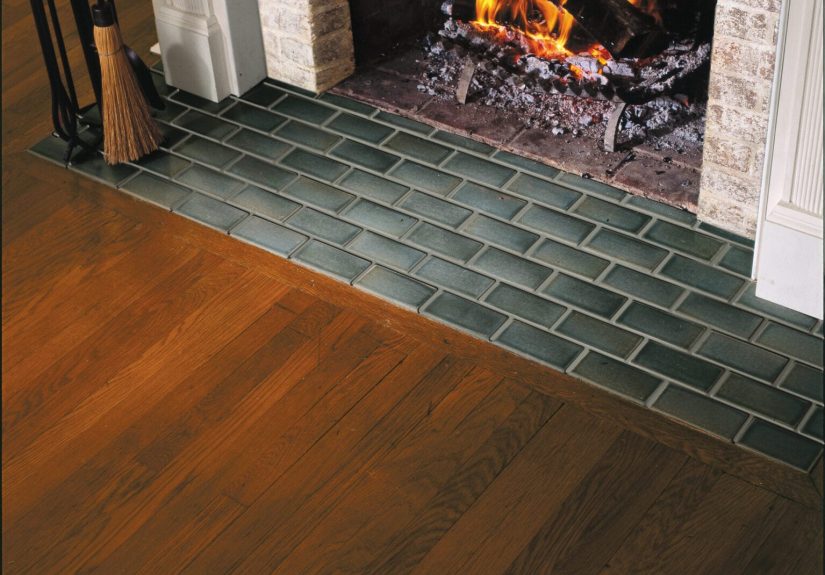
Large-format tile gives a sleek, modern look and reduces grout lines. Mosaic tile helps with small hearths, curves, and tricky cuts. Subway tile, herringbone, basketweave, hexagon, checkerboard, and brick-look porcelain all work beautifully depending on your home’s style. For a beginner-friendly project, choose a tile pattern with fewer tiny cuts. A simple grid may not sound glamorous, but neither does crying quietly next to a wet saw.
Tools and Materials You Will Need
Gather everything before you start. Hearth tiling is much smoother when you are not running to the hardware store with thinset drying in a bucket.
- Porcelain, ceramic, or natural stone tile
- Cementitious backer board, if tiling over a wood base
- Cement board screws
- Modified thinset mortar suitable for your tile and substrate
- Notched trowel sized for your tile
- Margin trowel
- Tile spacers
- Tile cutter, wet saw, or angle grinder with diamond blade
- Level and straightedge
- Tape measure and pencil
- Painter’s tape
- Grout float
- Grout sponge and buckets
- Sanded, unsanded, epoxy, or premixed grout, depending on the tile and joint width
- Caulk rated for the transition joints, if needed
- Tile sealer or stone sealer, if required
- Safety glasses, gloves, dust mask, and knee pads
Step 1: Inspect the Existing Hearth
Start by checking the condition of the hearth. Look for loose tile, cracked mortar, soft plywood, crumbling concrete, water damage, uneven spots, and gaps near the firebox. A tiled hearth is only as good as the surface below it. Tile does not hide movement; it announces movement with cracks.
If the existing tile is firmly bonded, flat, clean, and compatible with a new tile layer, tiling over tile may be possible. However, the added height can create problems at the firebox edge, flooring transition, or mantel legs. If the old tile is loose or the substrate is damaged, remove it and rebuild from a solid base.
Step 2: Remove Old Tile and Clean the Surface
Protect nearby flooring with drop cloths or cardboard. Remove fireplace doors or trim if they are in the way. Use a pry bar, hammer, chisel, or rotary hammer to remove old tile carefully. Work slowly near wood floors and the firebox edge.
After demolition, vacuum dust and debris. Scrape off old adhesive, high spots, paint, and loose mortar. Thinset needs a clean, stable surface to bond properly. If the base is concrete or masonry, patch cracks and low spots with the appropriate patching compound or mortar. If the hearth has a wood base, do not tile directly onto regular plywood for a wood-burning fireplace hearth. Use an approved noncombustible or tile-ready assembly according to code and manufacturer instructions.
Step 3: Install Cement Backer Board if Needed
If your hearth substrate includes plywood, cement backer board is often used to create a stable, tile-friendly surface. Measure the hearth area, mark the backer board, score and snap it, or cut it with the recommended tool. Dry-fit the board before fastening. Leave small gaps where required by the manufacturer, and avoid forcing the board against surrounding framing.
Fasten the cement board with appropriate cement board screws, not random leftover screws from that mystery jar in the garage. Follow the spacing recommended by the board manufacturer. Tape seams with alkali-resistant mesh tape and skim them with thinset. Let the surface become flat and solid before tiling.
Step 4: Plan the Tile Layout
Dry-lay the tile on the hearth before mixing mortar. This is the step that separates “custom-looking installation” from “why is there a tiny sliver of tile screaming at the edge?” Start from the centerline of the hearth or the visual center of the firebox. Use tile spacers to mimic the final grout joints.
Adjust the layout so cut tiles at the sides are balanced and not too narrow. For patterned tile, check the direction of the design. For natural stone, blend pieces from several boxes so color variation looks intentional. Mark reference lines with pencil or painter’s tape. A good layout plan saves time, tile, and dignity.
Step 5: Mix the Thinset Mortar
Use the mortar recommended for your tile and substrate. Modified thinset is commonly used for porcelain, ceramic, and many stone installations, but always read the bag and tile manufacturer’s instructions. Mix only what you can use within the working time. The consistency should be smooth and spreadable, similar to creamy peanut butter. Chunky mortar is for nobody.
Let the thinset slake if the instructions require it, then remix without adding extra water. Too much water weakens the mortar. Too little makes it hard to spread and prevents proper coverage.
Step 6: Spread and Comb the Mortar
Use the flat side of the trowel to burn a thin layer of mortar into the substrate. Then add more mortar and comb it with the notched side of the trowel. Keep the ridges consistent and, when possible, comb them in one direction. This helps air escape as you press the tile into place.
Work in small sections. Do not spread the whole hearth at once unless it is tiny and you are fast. If thinset skins over before tile is placed, scrape it off and apply fresh mortar. Mortar should transfer to the back of the tile, not sit there like dried frosting on a forgotten cupcake.
Step 7: Set the Hearth Tile
Place the first tile along your reference line. Press it into the mortar with a slight back-and-forth motion. Add spacers and continue setting the surrounding tiles. Check frequently with a level or straightedge to keep the surface flat. Adjust tiles while the mortar is fresh.
For larger tile, lift one occasionally to check coverage. The back should show good mortar contact, especially near edges and corners. If coverage is poor, use a larger notch trowel or back-butter the tile by spreading a thin layer of mortar on the tile back before setting it.
Step 8: Cut Edge Tiles Carefully
Measure each cut individually. Walls, fireboxes, and old hearths are often not perfectly square. Mark the tile, cut it with a wet saw or appropriate cutter, and dry-fit before applying mortar. For L-shaped cuts around mantel legs or trim, make multiple passes and avoid rushing. Tile rewards patience and punishes overconfidence.
Leave a small movement gap where tile meets walls, wood flooring, or the fireplace structure if recommended for your assembly. These transitions are often finished with flexible caulk rather than hard grout because different materials expand and contract at different rates.
Step 9: Let the Mortar Cure
After the tile is set, leave it alone. Do not walk on it, grout it too early, or “just test one corner.” Most installations need at least 24 hours before grouting, though timing depends on tile size, mortar type, temperature, humidity, and manufacturer instructions. Large-format porcelain or dense stone can slow drying.
While the mortar cures, admire your work from a respectful distance. This is also a good time to clean tools, remove dried mortar from bucket edges, and remind yourself not to dump grout or mortar water down the sink.
Step 10: Grout the Tile
Remove spacers and scrape out any mortar that squeezed into the joints. Mix grout according to the manufacturer’s directions. Use sanded grout for wider joints unless the tile surface is delicate. Use unsanded grout for narrow joints or tile that scratches easily. Epoxy grout is highly stain-resistant but can be trickier to install. Premixed grout is convenient for small projects, though you should confirm that it is approved for the hearth conditions.
Apply grout with a rubber float held at an angle. Push grout firmly into the joints. Then scrape off excess diagonally across the tile so you do not pull grout back out. After the grout firms up slightly, wipe the surface with a damp sponge. Rinse often and use as little water as possible. Too much water can weaken cement-based grout and create haze.
Step 11: Clean Haze and Seal if Needed
Once the grout has set, buff away haze with a clean microfiber cloth. If the tile or grout requires sealer, apply it after the recommended cure time. Many porcelain tiles do not need sealing, but natural stone usually does. Cement-based grout may benefit from sealing to resist stains from ash, soot, and everyday living-room chaos.
Do not use the fireplace until all materials have cured according to product instructions. Heat, smoke, and foot traffic are not friendly to fresh mortar or grout.
Common Mistakes to Avoid
Choosing the Wrong Tile
Avoid vinyl, peel-and-stick products, or combustible materials on an active wood-burning hearth. Decorative stick-on tile may be fine for certain non-working or low-heat areas when allowed by the manufacturer, but it is not a substitute for a proper noncombustible hearth.
Skipping Surface Prep
Dirty, glossy, uneven, or flexible surfaces cause tile failures. Prep may be the least glamorous part of the project, but it is also the reason the tile stays put.
Using Mastic Near Heat
Premixed organic adhesive, often called mastic, is not the right choice for many hearth installations. Use an appropriate cement-based thinset mortar unless your tile and fireplace manufacturer specifically approve another product.
Forgetting Height Transitions
New tile, mortar, and backer board add height. Plan transitions to wood flooring, carpet, or nearby trim before installation. A beautiful hearth with a toe-stubbing edge is still a toe-stubbing edge.
Design Tips for a Hearth That Looks Professional
Match the tile style to the architecture of the room. A historic home may look great with slate, marble mosaic, or classic porcelain. A modern room may call for large-format concrete-look tile. A farmhouse fireplace can handle brick-look porcelain, handmade-look ceramic, or warm stone.
Pay attention to grout color. Matching grout creates a calm, seamless look. Contrasting grout highlights the pattern. Dark grout hides soot better than bright white grout, which is important if the fireplace actually works and is not just there to hold candles and emotional support birch logs.
Trim also matters. If tile edges are exposed, use bullnose tile, stone edging, metal profiles, or clean caulked transitions. A neat edge makes the whole project look intentional.
Extra Experience Notes: What Tiling a Hearth Teaches You
The first thing you learn when tiling a hearth is that fireplaces are rarely square. They may look square from the sofa, especially when you are holding coffee and optimism, but the tape measure tells a different story. One side may be a quarter inch deeper than the other. The front edge may wander slightly. The firebox may not be centered on the room. This is why dry layout is so important. A good tile layout does not fight the old house; it negotiates with it.
Another practical lesson is that small hearths can be more demanding than large floors. With a big floor, tiny variations often disappear across the room. On a hearth, every cut is visible because the fireplace is already the focal point. Guests may not inspect your bathroom floor, but they will absolutely stare at the fireplace while pretending to listen to a story about your neighbor’s dog. Balanced cuts and straight grout lines matter.
Tile choice also feels different in real life than it does online. A tile that looks subtle on a screen can look busy when installed in a tiny rectangle. A glossy tile can reflect firelight beautifully, but it can also show dust and smudges. Matte porcelain is forgiving. Natural stone has depth and character, but it may need sealing and extra care. If possible, bring samples home and set them near the fireplace at different times of day. Morning light, lamplight, and firelight can make the same tile look like three different personalities.
Cutting tile is another moment of truth. A wet saw makes cleaner cuts than many snap cutters, especially on porcelain and stone, but it also brings water, noise, and a surprising ability to spray your shirt. Measure slowly, label pieces, and cut the least visible pieces first while you get comfortable. If you are using patterned tile, keep the pattern direction marked with painter’s tape. Nothing says “DIY plot twist” like one decorative tile rotated the wrong way in the front row.
The biggest experience-based tip is to respect curing time. It is tempting to grout early because the hearth suddenly looks almost finished. Resist. Mortar needs time to harden. Grout needs time to cure. Sealer needs time to dry. A fireplace project is not the place for speed-running home improvement. Give each layer the time it needs, and the finished hearth will reward you with a crisp, durable surface that looks good for years.
Finally, do not underestimate the satisfaction of this project. Tiling a hearth is small enough to finish over a weekend, but visible enough to transform a room. It adds texture, color, pattern, and polish right where people naturally gather. When the last haze is buffed away and the fireplace looks fresh again, you may find yourself casually inviting people over just so they can say, “Wow, did you do that?” The correct answer is yes, followed by a modest shrug and absolutely no mention of the three tile spacers you found in your pocket later.
Conclusion
Learning how to tile a hearth is a smart way to upgrade a fireplace without rebuilding the entire room. The project depends on careful planning, the right tile, a stable noncombustible base, quality thinset, clean grout work, and patience during curing. The process is not complicated, but it does reward accuracy. Measure the hearth, check code and manufacturer requirements, prepare the substrate, dry-lay the pattern, set the tile carefully, and finish with grout and sealer where needed.
A tiled fireplace hearth can look classic, modern, rustic, or bold depending on your tile choice. More importantly, it can protect the surrounding floor and create a clean, finished focal point. With the right prep and a little DIY discipline, your hearth can go from “please do not look at that” to “yes, that is custom”without requiring a full renovation or a second mortgage.





 Close
Close