
Table of Contents >> Show >> Hide
- The 34 Macro Photos In This Series
- Why Macro Photography Makes Small Subjects Feel Huge
- Flora: The Quiet Side Of The Story
- Fauna: Tiny Creatures, Big Personalities
- How I Captured These Close-Up Images
- What These 34 Images Taught Me About Nature
- Why This Collection Works As A Story, Not Just A Gallery
- Extended Field Notes: My Real Experience Photographing Flora And Fauna Up Close
- Conclusion
There is a particular kind of magic that only shows up when you stop walking like you are late for everything and start looking at nature from just a few inches away. A flower that seemed politely decorative suddenly turns theatrical. A bee becomes a flying fur coat with opinions. A droplet of water starts acting like a tiny crystal ball. That is the thrill behind these 34 macro photos of flora and fauna: they reveal a version of the natural world that feels both familiar and gloriously strange.
This collection was not built in a studio with a fog machine and a team of assistants whispering, “Yes, the fern is giving cinema.” It came from gardens, trails, damp corners of the yard, and the kind of quiet moments most people walk right past. The goal was simple: photograph the details that usually go unnoticed and turn them into a visual story about texture, color, survival, and tiny natural drama.
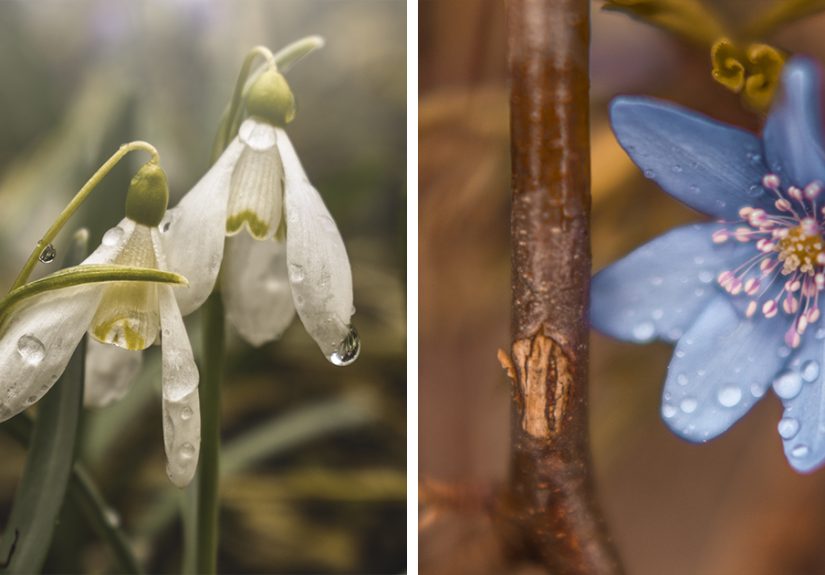
If you love macro photography, close-up nature photography, and those blink-and-you-miss-it details in plants and animals, this gallery-style article is for you. These images are not just about showing off sharp focus and pretty bokeh. They are about noticing how petals hold light, how insects navigate pollen, and how even the smallest subject can carry a big story.
The 34 Macro Photos In This Series
To make the collection more than a random parade of petals and bug eyeballs, I organized the 34 images into a visual journey across texture, motion, and mood. Here is the lineup:
- A dew-lined rose petal glowing like it had been polished overnight.
- The yellow dust storm of sunflower pollen clinging to the center disk.
- A milkweed bloom packed with star-shaped geometry.
- An orchid throat with folds that looked more architectural than botanical.
- A dandelion seed crown holding one stubborn droplet.
- A magnolia petal edge curling like handmade paper.
- A fern unfurling in a spiral that looked suspiciously engineered.
- A marigold center buzzing with tiny feeding insects.
- A clover blossom covered in morning moisture.
- A zinnia petal catching side light like satin.
- A cone flower center filled with sharp repeating texture.
- A wild violet with a tiny ant exploring the petals.
- A white mushroom cap beaded with rain.
- A patch of moss transformed into what looked like a miniature forest.
- A lichen-covered twig with surprising pastel color.
- A seed pod splitting open like a carefully staged reveal.
- A honey bee buried waist-deep in a bloom and clearly very busy.
- A bumblebee carrying pollen like it had overpacked for a weekend trip.
- A hoverfly impersonating a bee and almost getting away with it.
- A butterfly wing showing scales that looked hand-painted.
- A moth resting on bark with camouflage so good it felt rude.
- A ladybug crossing a blade of grass like a cautious mountaineer.
- A green lacewing with glassy wings and alien-level elegance.
- A dragonfly perched long enough to make me believe in miracles.
- A damselfly glowing in soft backlight near the water.
- A praying mantis posing like it knew exactly what the lens cost.
- A jumping spider staring directly into the camera with bold confidence.
- A garden spider web catching early light and one unlucky gnat.
- A tiny beetle on a daisy center, all shine and armor.
- An ant carrying a fragment of leaf twice its size and all of my self-esteem.
- A caterpillar inching along a stem with plush-looking detail.
- A tree frog gripping a fern with absurdly photogenic toes.
- A snail shell streaked with moisture after rain.
- A small toad half-hidden in leaf litter, perfectly still and completely charming.
Why Macro Photography Makes Small Subjects Feel Huge
The best thing about macro photos of flora and fauna is that they do not just enlarge a subject. They enlarge attention. In everyday life, a bee on a flower is part of the background. In a close-up frame, that same bee becomes the headline, the supporting cast, and the special effects budget.
Flowers work beautifully in macro because they are full of pattern, repetition, and color transitions that barely register from a normal viewing distance. Petals are not just red or yellow. They are veined, dusty, translucent, bruised, curled, and reflective. Likewise, tiny animals and insects reward patience. Wings show scale patterns. Eyes reflect light in unexpected ways. Even the surface of a shell or the fuzz on a stem can turn an ordinary scene into something cinematic.
This is also why macro nature photography feels so immersive. It slows the viewer down. You do not glance at a good macro image; you inspect it. You lean in. You start noticing things you did not expect to care about five minutes ago, like the symmetry of a seed head or the improbable fluffiness of a bee.
Flora: The Quiet Side Of The Story
Texture, symmetry, and light
The flora half of this series became a lesson in patience and restraint. Plants do not run away, which is helpful, but they do move in the wind exactly when you need them to stop. A flower that seems perfectly still to the naked eye suddenly behaves like a trampoline when viewed through a macro lens.
What kept drawing me back was how much detail lives inside common plants. A sunflower center looks almost mathematical. Milkweed blooms are tiny sculptures. A fern frond unfolding can feel more dramatic than a full landscape at sunset. Macro photography turns petals, stems, moss, fungi, and seed pods into subjects with real presence.
Several of the strongest images in the series came from morning conditions. Dew adds dimension, catches light cleanly, and gives still subjects a fresh, tactile look. Side lighting helped reveal fine veins and edge texture without flattening the subject. In some cases, I kept the background creamy and soft. In others, I allowed just enough environmental color to remind the viewer that these tiny scenes were part of a larger living space.
Flowers are beautiful, but they are also busy
One surprise from photographing flora up close is that flowers are not passive decorations. They are active meeting points. Bees, flies, beetles, butterflies, ants, and moths all treat blossoms like working infrastructure. The longer I photographed blooms, the more obvious it became that every petal was part landing pad, part cafeteria, part traffic circle. Pretty? Absolutely. Peaceful? Not remotely.
Fauna: Tiny Creatures, Big Personalities
Insects steal the show
The fauna side of the collection brought more unpredictability and, honestly, more comedy. Insects are excellent subjects because they offer remarkable detail, but they are also rude enough to move at the exact second focus locks in. Bees dive headfirst into flowers. Hoverflies appear to float like tiny helicopters. Spiders pause long enough to make eye contact, which is either thrilling or mildly haunting depending on your relationship with spiders.
Butterflies and moths added color and pattern, while beetles brought shine and structure. Dragonflies and damselflies demanded a little distance and a lot of luck. Frogs, snails, and toads added a quieter mood to the series, especially in wet conditions when the whole environment looked richer and more reflective.
Respect matters more than the shot
One of the most important rules I followed while making these images was to photograph wildlife ethically. I did not move creatures around for convenience, chill them to slow them down, or turn living subjects into props. Real macro photography is better when it respects the subject and the habitat. It also produces more believable images. A bee covered in pollen on a real flower has a kind of authenticity you cannot fake with a forced setup.
How I Captured These Close-Up Images
Gear helped, but observation mattered more
Yes, a dedicated macro lens makes a difference. It allows you to focus close, isolate detail, and work at magnifications that make small subjects fill the frame. But gear was only part of the process. The bigger difference came from slowing down and paying attention to behavior, light, and working distance.
For flowers and fungi, I often worked low and steady, using a narrow aperture when I needed more depth and a wider aperture when I wanted a softer, dreamier background. For insects, I paid attention to distance so I would not cast a harsh shadow or send the subject into a panic-induced sprint. When the light dropped, I used controlled supplemental light or diffused flash to keep detail without making everything look like it had been interrogated.
Focus was the real workout
Macro photography has a famously shallow depth of field, which is a polite way of saying your margin for error is basically the width of a confident thought. A tiny shift forward or backward can throw the entire shot off. That is why many of these photos depended on careful manual focus, small body movements, and occasional focus stacking for still subjects.
Focus stacking was especially useful on flowers and fungi where I wanted more of the frame crisp without sacrificing a natural look. On live creatures, though, stacking is often an optimistic fantasy unless the subject is unusually cooperative or having a very reflective day.
What These 34 Images Taught Me About Nature
After spending so much time photographing tiny subjects, I stopped thinking of a yard or trail as background scenery. It started to feel like layered habitat. Pollinators moved from one bloom to another with clear purpose. Native flowers seemed less ornamental and more essential. Even a small patch of plants supported surprising activity.
That perspective changed the article, too. These macro photos of flora and fauna are not only a visual exercise. They are a reminder that the smallest parts of nature often carry the biggest ecological jobs. Pollinators support flowering plants. Native plants create food and shelter. A healthy garden is not just nice to look at; it is a system with constant interaction happening at a scale many of us never notice.
And that is the sneaky brilliance of close-up photography: it turns observation into appreciation. Once you have seen pollen packed onto a bee’s legs or watched a hoverfly navigate a bloom, it becomes much harder to treat small wildlife as visual clutter. You start seeing it as community.
Why This Collection Works As A Story, Not Just A Gallery
Anyone can make a list of pretty subjects. What made this set of 34 images feel complete was the contrast between plant stillness and animal movement. Flora gave the series structure, shape, and color fields. Fauna brought tension, surprise, and character. Together, they created rhythm.
That rhythm matters for readers and for search visibility, too. People looking for macro flower photography, insect macro photography, close-up photos of nature, or flora and fauna photography are usually not just chasing technical advice. They want inspiration. They want examples. They want to feel like the tiny world is worth exploring. This collection answers that by mixing visual description with real field experience.
Extended Field Notes: My Real Experience Photographing Flora And Fauna Up Close
The most honest thing I can say about this project is that it made me better at noticing before it made me better at photography. At the start, I went out looking for “subjects,” which is photographer language for “things I hope will sit still and flatter me.” That approach worked poorly. The more I hunted for perfect images, the more the natural world seemed to shrug and continue with its own schedule. Flowers leaned the wrong way. Bees disappeared. A spider web that looked stunning one second turned into invisible fishing line the next.
Then I changed tactics. Instead of trying to control the scene, I started observing it. I watched which flowers pollinators returned to most often. I noticed how morning dew changed the mood of petals and moss. I learned that some insects tolerated a slow approach, while others treated the sound of my footsteps like a fire alarm. I discovered that the best macro sessions often happened when I stayed in one small area longer than felt reasonable. Nature rewards patience, and then occasionally mocks it, but patience still wins more often than rushing.
One morning, I spent nearly half an hour with a single bumblebee moving through a patch of cone flowers. I took far fewer frames than I expected, but the ones I kept had more intention. I could anticipate where the bee might land, how the flower would bend under its weight, and when the light would skim across the wings. Another day, after a light rain, I photographed a snail sliding across a leaf while everything around it reflected soft silver light. It was not a dramatic scene in the traditional sense. No rare animal. No exotic location. Just one tiny creature and a perfect texture-rich moment. But that frame ended up saying more about this project than some of the flashier images.
I also became much more aware of ethics in close-up photography. When you are working inches away from living creatures, your presence matters. I learned to stop pushing for one more shot if the subject was stressed or repeatedly retreating. I learned not to tear up surrounding plants just to get a cleaner background. I learned that a photo is more satisfying when the scene remains intact after I leave. That sounds obvious, but a lot of growth in photography is just learning to behave better with a camera in your hand.
By the end of the series, these 34 macro photos felt less like trophies and more like conversations. Each one came from a small exchange between attention and timing. Some images were carefully planned. Others arrived as gifts because I happened to be still long enough to receive them. That is why I love macro work so much. It does not ask you to chase spectacle. It asks you to recognize it in miniature. And once you learn to do that, the backyard, the trail, the flower bed, and even the damp edge of a garden pot start feeling like destinations instead of leftovers.
Conclusion
These 34 macro photos of flora and fauna reminded me that nature does not need to be enormous to feel epic. Sometimes the most unforgettable scene is a droplet on a petal, a bee dusted in pollen, or a spider staring back like it has questions about your lens choice. Macro photography reveals detail, but more importantly, it reveals connection. Plants are not just decorative. Tiny animals are not random. Every close-up frame is part portrait, part field note, and part invitation to pay better attention.
If there is one takeaway from this collection, it is this: the small world is not small at all. It is layered, animated, and visually outrageous in the best way. You just have to get close enough to notice.





 Close
Close