
Table of Contents >> Show >> Hide
- What This Elizabeth Taylor Chicken Dinner Actually Is
- Why I Wanted to Try It
- How I Made Elizabeth Taylor’s Chicken Dinner
- What the Dish Tasted Like
- What Surprised Me Most
- What I Would Change for a Modern Kitchen
- What to Serve With Elizabeth Taylor’s Chicken Dinner
- Would I Make It Again?
- My Final Verdict on Elizabeth Taylor’s Chicken Dinner Recipe
- Extended Kitchen Notes: My Full Experience Making Elizabeth Taylor’s Chicken Dinner
If you hear the words Elizabeth Taylor chicken dinner recipe, you probably expect something dramatic. Maybe diamonds. Maybe candlelight. Maybe a sauce that sweeps into the room fifteen minutes late and still gets a standing ovation. What you might not expect is a skillet chicken dish that feels both gloriously retro and surprisingly doable on an ordinary night.
That is exactly why I had to make it. Elizabeth Taylor’s old-school chicken dinner has all the ingredients of a classic celebrity recipe: butter, mushrooms, shallots, cream, white wine, Cognac, parsley, and one ingredient that made me pause and tilt my head like a confused golden retriever: avocado. In a creamy pan sauce. With chicken. My curiosity was officially fully cooked.
After trying it, I understand the appeal. This is not a breezy, toss-it-together weeknight meal for people who think “cooking” means opening a bagged salad. It is richer than that, moodier than that, and much more fun. It tastes like a vintage dinner party wearing red lipstick. And while the ingredient list sounds a little extra, the actual method is straightforward enough that even a reasonably distracted home cook can pull it off.
Here is how the dish went in my kitchen, what worked, what surprised me, what I would tweak, and whether this chicken with avocado and mushrooms deserves a permanent spot in a modern recipe rotation.
What This Elizabeth Taylor Chicken Dinner Actually Is
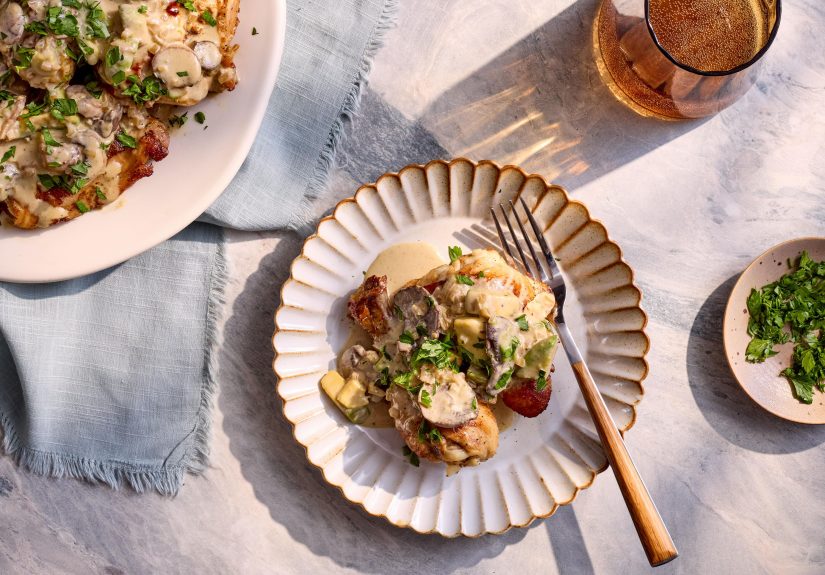
The recipe I made is usually described as Elizabeth Taylor’s chicken with avocado and mushrooms. At its core, it is a skillet chicken dinner: chicken pieces are cooked gently in butter, then held warm while a rich sauce comes together in the same pan. The sauce gets built from shallots, Cognac, dry white wine, cream, chicken stock, sautéed mushrooms, lemon-kissed avocado, and parsley.
So yes, it sounds fancy. But it is not fussy. There is no pastry crust to roll, no sauce to strain through muslin, no tiny herb leaves that require tweezers and emotional support. The logic is beautifully simple: brown the chicken, keep it warm, scrape up the flavorful bits, reduce the liquids, add cream, fold in mushrooms and avocado, then pour the whole glorious situation over the chicken.
If modern creamy mushroom chicken recipes tend to lean cozy, this one leans glamorous. It still delivers the earthy savoriness you expect from mushrooms and cream, but the Cognac and wine add a deeper, silkier edge. The avocado does not scream, “Hello, I am avocado!” Instead, it softens into the sauce and gives the dish an almost buttery lushness that feels unexpectedly luxurious.
Why I Wanted to Try It
I love vintage celebrity recipes because they are like tiny edible time capsules. Some are delicious. Some are bizarre. Some clearly came from an era when gelatin was considered a personality trait. Elizabeth Taylor’s chicken dinner falls into the category I like best: a little old-fashioned, a little over-the-top, and genuinely promising.
It also checked several boxes I find impossible to resist. First, it is a creamy mushroom chicken recipe, and those words alone can get me halfway to the stove. Second, it uses a pan sauce, which means the skillet does most of the heavy lifting. Third, it carries serious dinner-party energy without demanding restaurant-level skill. That is my favorite kind of ambition: elegant, but still compatible with normal human attention spans.
How I Made Elizabeth Taylor’s Chicken Dinner
Step 1: I seasoned the chicken and committed to the butter
The first part felt pleasantly old-school. I seasoned the chicken well and cooked it gently in butter rather than blasting it over aggressive heat. This is not one of those modern recipes that aims for crackly, deeply bronzed skin in record time. It is more about coaxing the chicken toward tenderness while building flavor in the pan.
I let the chicken cook until it looked fully done and then checked it with a thermometer anyway, because I live in the present and enjoy avoiding food poisoning. If you try this recipe, use the vintage timing as a guideline but rely on temperature for peace of mind. The safest route is to make sure the thickest part reaches 165°F.
Step 2: I kept the chicken warm and built the sauce
Once the chicken came out of the skillet, the pan basically turned into a flavor vault. Into that went the shallots, which softened and picked up all the browned bits. Then came the Cognac and white wine. This is the moment when the recipe suddenly starts acting like it has an agent.
The liquids bubbled, reduced, and concentrated into something aromatic and slightly dramatic. Then I added the cream and chicken stock, and the whole thing transformed from “interesting” to “oh wow, this smells expensive.” A creamy sauce can go dull if it is not balanced, but the wine and Cognac keep this one from feeling flat.
Step 3: Mushrooms and avocado joined the party
I sautéed the mushrooms separately so they could actually brown instead of meekly steaming into sadness. This was absolutely worth it. Properly cooked mushrooms add savory depth, texture, and a little chew, all of which keep the sauce from becoming one-note.
The avocado, tossed with lemon juice first, was the wild card. I added it near the end, as instructed, and tried not to over-stir. That turned out to be the right move. The avocado warmed through and softened slightly, but did not completely disappear. It made the finished dish richer and rounder, almost like the sauce had a secret velvet setting.
What the Dish Tasted Like
This chicken dinner is rich, but not in a heavy-handed way. The sauce has a layered flavor that starts buttery, moves into savory mushroom territory, then finishes with a mellow, almost elegant sweetness from the cream and wine. The Cognac adds warmth and depth without making the dish taste boozy.
The mushrooms bring the earthy backbone. The shallots make everything more aromatic. The parsley keeps the whole plate from looking and tasting too beige. And the avocado? It is the element that makes the dish memorable. Not loud. Not trendy. Just oddly perfect in context.
The chicken itself is tender and satisfying, but let me be honest: the sauce is the headline act. This is one of those dinners where you start politely spooning a little sauce over the top, then five minutes later you are dragging bread through the plate like you are trying to erase evidence.
What Surprised Me Most
The biggest surprise was how coherent the recipe feels. On paper, avocado in a warm mushroom cream sauce sounds like the sort of thing that should come with a warning label. In practice, it works. The avocado is less a distinct flavor bomb and more a textural trick. It makes the sauce feel fuller and more luxurious, which is exactly the vibe this recipe is chasing.
I was also surprised by how modern the flavor profile feels despite the recipe’s vintage roots. Plenty of older recipes taste like they were designed for a world where black pepper counted as a thrill. This one actually has dimension. Between the wine, Cognac, mushrooms, cream, lemon, and parsley, there is enough contrast to keep every bite interesting.
The only truly old-fashioned part is the scale. The original version is generous, as if Elizabeth Taylor assumed a few fabulous friends might breeze in unannounced. I respect that deeply.
What I Would Change for a Modern Kitchen
I would not change the soul of the recipe, but I would absolutely make a few practical updates.
First, I would use a thermometer rather than relying on visual cues for doneness. Second, I would choose chicken thighs or a mix of thighs and breasts if I wanted a little extra insurance against dryness. Third, I would make sure the avocado is ripe but still firm enough to hold its shape. Overripe avocado will melt into the sauce too quickly and can turn the texture muddy.
I would also make two small technique upgrades. Brown the mushrooms properly, and do not rush the sauce reduction. Those two moves take the dish from “pleasantly retro” to “actually excellent.” A little patience here pays off in a big way.
If I were serving this to guests, I might add a touch more lemon at the end for brightness. Not enough to make it sharp, just enough to keep the richness sparkling.
What to Serve With Elizabeth Taylor’s Chicken Dinner
This is very much a sauce-first meal, so whatever sits beside it should be ready to catch every last drop. Rice works beautifully, especially if you want the dish to feel a little more classic. Buttered noodles would also be excellent. Mashed potatoes would be unfairly good. And a piece of crusty bread is basically mandatory unless you enjoy regret.
For vegetables, I would keep it simple and green. Asparagus, sautéed spinach, broccolini, or a crisp salad all help balance the richness. You do not need anything complicated here. The chicken has enough personality already.
Would I Make It Again?
Yes, absolutely. Not every Tuesday, and probably not when I am in the mood for something light and virtuous. But when I want a dinner that feels special without becoming a full theatrical production, this one earns a repeat performance.
It is ideal for cooler evenings, small dinner parties, date nights at home, or any moment when you want your meal to feel just a little more glamorous than usual. It also scratches a very specific itch for anyone who loves vintage chicken recipes, celebrity recipes, and retro dishes that are actually worth reviving.
Most importantly, it tastes like more than a novelty. Plenty of famous-person recipes survive because of the famous person. This one survives because the sauce is genuinely delicious.
My Final Verdict on Elizabeth Taylor’s Chicken Dinner Recipe
If you are curious about Elizabeth Taylor’s chicken dinner recipe, here is my verdict: it is richer, smarter, and more lovable than you might expect. The chicken is comforting, the sauce is luxurious, the mushrooms are deeply savory, and the avocado adds a soft, buttery twist that somehow makes perfect sense once you taste it.
It is not minimalist. It is not diet food. It is not trying to be quick, trendy, or aggressively wholesome. It is a retro skillet dinner with old Hollywood energy, and it knows exactly what it is doing. Frankly, I admire that.
If your idea of a good meal involves a creamy sauce, a warm skillet, and enough elegance to make plain Tuesday feel like an event, then yes, you should try it. Just make sure there is bread on the table. This sauce deserves an encore.
Extended Kitchen Notes: My Full Experience Making Elizabeth Taylor’s Chicken Dinner
I wanted to add a longer, more personal note here because the experience of making this recipe was half the fun. Some dishes are delicious but emotionally neutral. You cook them, eat them, wash the pan, and move on with your life. This was not one of those dishes. This one had an atmosphere.
From the moment I gathered the ingredients, it felt like I was stepping into a different era of home cooking. There was something delightfully unapologetic about setting out butter, cream, wine, Cognac, mushrooms, chicken, parsley, and avocado all at once. Modern recipes can sometimes feel obsessed with restraint. This one was more interested in pleasure, and honestly, I found that refreshing.
The cooking process itself was deeply satisfying. I liked the slower pace of it. Browning chicken, warming it in the oven, reducing the sauce, sautéing the mushrooms separately, then folding everything together felt less like rushing dinner onto the table and more like actually preparing a meal. Not in a stressful way. In a “maybe I should light a candle and pretend I am much more organized than I really am” way.
I also noticed that this recipe rewards attention. Not professional-chef attention. Just normal, curious, home-cook attention. If you listen to the pan, watch the mushrooms, and let the sauce reduce until it looks glossy and substantial, the final dish becomes much more than the sum of its parts. If you rush it, it will probably still be good. If you lean into it, it becomes memorable.
The avocado remained the part I was most suspicious of right until the end. I kept thinking, “This is either going to be brilliant or a very creamy mistake.” But once it hit the warm sauce, the logic clicked. It did not clash with the mushrooms or the cream at all. It mellowed into the dish and made everything taste softer, rounder, and more luxurious. It was not there to dominate. It was there to whisper, “What if velvet were edible?”
At the table, the dish felt generous in that old-fashioned way I love. It looked like a dinner someone would proudly place in the center of the table and tell you to help yourself to. It did not feel styled within an inch of its life. It felt like real food, just with a little more glamour than usual. The parsley on top helped. Parsley is the unsung hero of many vintage dinners. It arrives quietly and rescues the plate from monotony.
The leftovers were good too, although the first-night version was the real star. The sauce was thick, savory, and absurdly spoonable. I kept going back for “one more bite,” which is the culinary equivalent of “one more episode” and just as believable. By the time dinner ended, I was fully convinced this recipe has lasted for a reason. It is a little theatrical, yes. But it is also warm, comforting, and genuinely delicious. In other words, it has range.
Would I serve it to friends? Without hesitation. Would I make it when I want to impress myself with very little applause from the outside world? Also yes. Sometimes that is reason enough. This recipe made dinner feel occasion-worthy, and I think more recipes should aim for that. Not every meal has to sparkle, of course. But it is awfully fun when one does.







 Close
Close