
Table of Contents >> Show >> Hide
- The Short Answer: Yes, but Permanent Does Not Mean Maintenance-Free
- Why Transplanted Hair Usually Lasts
- What a Hair Transplant Cannot Do
- What to Expect Long-Term After a Hair Transplant
- FUE vs. FUT: Does Technique Affect Long-Term Permanence?
- Who Tends to Get the Best Long-Term Results?
- What Can Affect Results Over Time?
- How to Help a Hair Transplant Last Longer
- Final Verdict: Is a Hair Transplant Permanent?
- Long-Term Experiences: What People Commonly Notice After a Hair Transplant
If you are thinking about a hair transplant, you are probably asking the million-dollar question before spending, well, several thousand actual dollars: Is a hair transplant permanent? The honest answer is reassuring, but not magical. In most cases, the transplanted hair is designed to be long-lasting. Those follicles are usually taken from areas of the scalp that are more resistant to pattern baldness, which is why surgeons move them in the first place. So yes, the hair that successfully grows from transplanted grafts can remain for many years.
But here comes the fine print, and it matters. A hair transplant does not freeze time, stop genetics, or make the rest of your scalp sign a peace treaty. Your native, non-transplanted hair can still keep thinning. That is why some people love their results for a decade, while others need medication, another procedure, or a strategy update a few years later. In other words, a hair transplant can be permanent in the transplanted zones, but your overall hair picture may still change.
This long-term guide breaks down what “permanent” really means, how results age, what affects success, and what real people often notice after year one, year three, and beyond. Think of it as the practical version of the consultation brochure, just with fewer glossy before-and-after photos and more useful truth.
The Short Answer: Yes, but Permanent Does Not Mean Maintenance-Free
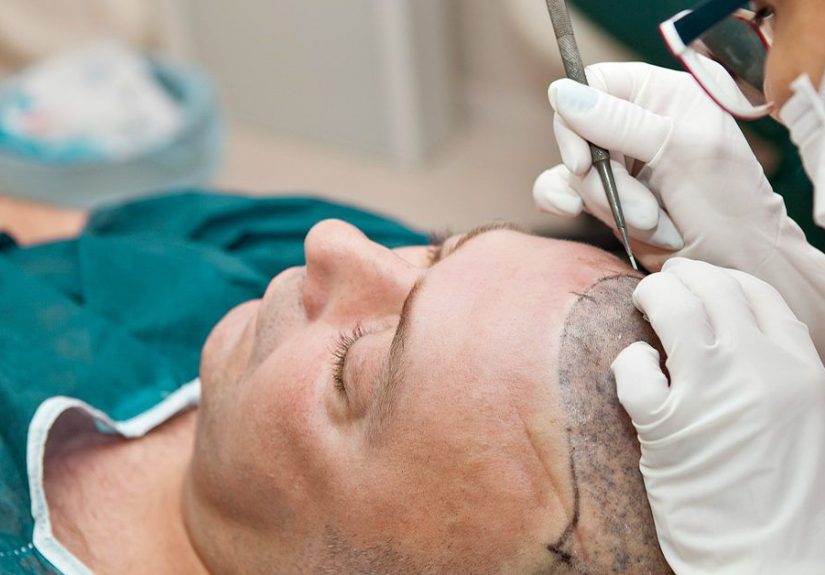
A hair transplant is considered a permanent hair restoration option because it relocates hair follicles from a donor area, usually the back or sides of the scalp, to thinning or bald areas. Those donor hairs tend to keep the characteristics they had before they were moved. That is the biological idea that makes modern hair transplantation work in the first place.
Still, “permanent” does not mean “perfect forever without effort.” A transplant does not create brand-new hair. It redistributes the healthy hair you already have. That means your long-term result depends on how strong your donor area is, how your hair loss progresses, how skilled your surgeon is, and whether you continue medical treatment when appropriate.
So if you want the simple version, here it is: the grafts can last, but your hair journey may still continue. Hair loss is annoyingly committed to character development.
Why Transplanted Hair Usually Lasts
The reason transplanted hair can last long-term comes down to the biology of the donor area. In male and female pattern hair loss, the hair on the top and crown is often more vulnerable to shrinking over time. Hair on the back and sides is generally more resistant. When those healthier follicles are moved to the hairline or crown, they usually keep behaving like donor hair rather than suddenly deciding to join the thinning party.
That is why surgeons look so carefully at your donor supply during consultation. A good candidate needs enough healthy hair to move and a scalp condition that makes transplantation realistic. If you do not have adequate donor density, the procedure becomes less effective no matter how impressive the clinic’s social media account looks.
Modern techniques also help results last and look natural. Today’s procedures typically use small follicular units rather than the old “plug” style that made people look like they had doll hair arranged by a lawn aerator. Current methods allow surgeons to place hairs in a more natural pattern, density, and angle, which improves the long-term cosmetic result.
What a Hair Transplant Cannot Do
This is the section people tend to skip and then rediscover later with emotional intensity. A hair transplant cannot stop future hereditary hair loss in the rest of your scalp. If you are already losing hair aggressively, especially at a younger age, your surgeon may recommend waiting, starting medical treatment first, or planning conservatively.
It also cannot produce an unlimited amount of density. Your donor hair is a finite resource. If a clinic promises a teenage hairline, stadium-level fullness, and zero trade-offs, that is not confidence. That is marketing wearing a lab coat.
A transplant also cannot fix every type of hair loss equally well. Pattern hair loss is the classic use case. But diffuse thinning, active inflammatory scalp disease, unstable hair loss, or certain scarring conditions need careful diagnosis before anyone starts moving follicles around. In some situations, surgery too early can make the long-term outcome worse instead of better.
What to Expect Long-Term After a Hair Transplant
Weeks 1 to 8: The “Wait, Why Is My New Hair Leaving?” Phase
Right after surgery, the grafts heal into place. Then many patients notice shedding of the transplanted hairs within the first several weeks. This can feel rude, dramatic, and highly suspicious, but it is usually normal. The follicle remains in the scalp while the hair shaft falls out. In plain English: the hair you see can shed, while the root stays behind to grow again later.
You may also have redness, swelling, scabs, and tenderness during the early recovery period. Most people can return to light activity fairly quickly, but the scalp still needs careful handling.
Months 2 to 6: The Awkward Middle School Yearbook Stage
During this stretch, the transplanted follicles begin producing new hair again. Growth is gradual, and density is not impressive yet. Some areas may grow unevenly at first. This is another completely normal stage that can mess with your patience.
If you are expecting instant movie-star hair by month three, your mirror may politely disagree. Early growth often looks soft, thin, or patchy before it gains strength and length.
Months 6 to 12: Real Improvement Starts Showing Up
By the second half of the first year, most people start seeing a more meaningful change. The hairline usually becomes more visible, coverage improves, and styling gets easier. Many patients see substantial progress between months six and nine, while full cosmetic maturation can take around 12 months, sometimes longer depending on the area treated.
Crown work is often slower than the front hairline. That does not mean anything is wrong. It just means the crown likes to act like it has its own calendar.
Years 2 and Beyond: Stability, Styling, and Sometimes Strategy Changes
Once the transplanted hair fully matures, it can often be cut, washed, and styled like the rest of your hair. Many people enjoy stable results for years. However, long-term appearance still depends on what happens to the surrounding native hair. If that hair keeps thinning, the transplanted area may stay put while nearby regions lose density. That can create an uneven look unless you maintain treatment or plan a future session.
This is why some people eventually choose a second transplant, especially if they had conservative density in the first surgery or their pattern baldness progressed after the procedure. A touch-up is not automatically a sign of failure. In many cases, it is just part of long-term hair planning.
FUE vs. FUT: Does Technique Affect Long-Term Permanence?
The two most discussed methods are FUE (follicular unit extraction) and FUT (follicular unit transplantation, often called strip surgery). Both can create long-lasting results when done well. The main difference is how donor hair is harvested.
With FUE, individual follicular units are removed one by one. The appeal is usually quicker healing and tiny scars that are often less noticeable, especially for people who prefer short hairstyles. With FUT, a strip of scalp is removed and then divided into grafts. This can leave a linear scar, but it may be a strong option for certain patients depending on donor characteristics and the number of grafts needed.
Long-term permanence depends less on the acronym and more on surgeon skill, donor management, graft survival, and planning for future hair loss. Choosing between FUE and FUT is not a Marvel versus DC debate. It is a surgical decision based on your scalp, goals, hairstyle preferences, and long-term donor preservation.
Who Tends to Get the Best Long-Term Results?
The best candidates usually share a few traits:
- They have pattern hair loss rather than an unstable or poorly defined cause of shedding.
- They have enough healthy donor hair on the back or sides of the scalp.
- They have realistic expectations about density, coverage, and future maintenance.
- They are healthy enough for surgery and have a scalp in good condition.
- They are willing to use medication or follow-up care when appropriate.
Age can matter too. Younger patients with rapidly changing hair loss patterns may need more conservative planning. A mature, natural hairline designed for the long term often ages better than an aggressive one built for immediate wow-factor and future regret.
What Can Affect Results Over Time?
Progressive Hair Loss
This is the biggest one. The transplanted grafts may last, but the native hair around them can continue to miniaturize. That is why doctors often recommend medical therapy to protect non-transplanted hair.
Poor Surgical Planning
If the hairline is placed too low, too dense in the wrong area, or built without enough respect for future baldness, the result may look unnatural later. Good surgery is not just about today’s before-and-after. It is about what your hair will look like in five or ten years.
Weak Donor Supply
If donor density is limited, there is only so much coverage a transplant can create. This does not mean surgery is impossible, but it does mean expectations need to match reality.
Scalp or Health Issues
Inflammatory scalp conditions, infection risk, smoking, poor healing, or certain medical issues can affect recovery and graft growth. This is one reason thorough evaluation matters before surgery, not after you have already bought the travel package and matching neck pillow.
How to Help a Hair Transplant Last Longer
If you want better long-term hair transplant results, think beyond the operating chair.
- Use medically appropriate hair-loss treatment: Many patients are advised to use therapies such as minoxidil, and some men may also be candidates for prescription finasteride. These treatments do not “hold in” the grafts, but they may help preserve surrounding native hair.
- Follow aftercare exactly: Those early instructions are not optional suggestions from the universe. Proper washing, sleeping position, activity restrictions, and follow-up visits matter.
- Protect the donor area: Overharvesting can limit future options. A good surgeon plans for the possibility that you may want or need another procedure later.
- Consider adjunctive therapy carefully: Some patients explore treatments like platelet-rich plasma as part of a broader plan. These are not substitutes for good surgery, but they may be discussed as add-ons in selected cases.
- Think in years, not weeks: Hair restoration is a long game. The best outcomes usually come from conservative planning and patience.
Final Verdict: Is a Hair Transplant Permanent?
Yes, a hair transplant is generally considered permanent because the transplanted follicles are meant to keep growing in their new location for the long term. But that does not mean your entire head of hair is permanently solved forever. The most accurate expectation is this: the transplanted hair can last, while the rest of your hair may continue to change.
That is why the best hair transplants are not sold as miracles. They are planned as part of a long-term hair restoration strategy. A strong surgeon will talk to you about donor supply, realistic density, future hair loss, medication, and whether you may eventually want a second procedure. That kind of honesty is not a buzzkill. It is usually the difference between results that still look good years later and results that age like a bad reality-TV makeover.
If your goal is a natural-looking improvement that respects how hair loss actually behaves over time, a transplant can absolutely be worth it. Just go into it with clear expectations: permanent grafts, possible future maintenance, and no magical warranty from the scalp gods.
Long-Term Experiences: What People Commonly Notice After a Hair Transplant
Ask people about their long-term hair transplant experience, and you will hear a surprisingly consistent pattern. The first big emotion is usually relief. After months of researching clinics, staring at overhead bathroom lighting like it committed a crime, and wondering whether every photo angle is “the bad side,” many patients feel a real sense of control once the procedure is done. The hair may not look great immediately, but psychologically, the feeling of finally taking action matters.
Then comes the reality check. In the first few weeks, people often panic when the transplanted hair sheds. Even patients who were told this would happen still react like the scalp has betrayed them personally. That shedding phase is one of the most emotionally confusing parts of the whole process. A lot of people say they feel worse before they feel better because they are hyperaware of every tiny change.
By the third or fourth month, many describe the early regrowth as subtle but encouraging. They notice a little more shadow in the hairline, slightly easier styling, or fewer moments of “wow, the crown looks rough today.” It is not usually a dramatic movie reveal. It is more like your hair quietly starts doing its job again without needing a press conference.
Once they get to the six- to twelve-month range, satisfaction often climbs. This is when patients commonly say friends or coworkers notice they look more refreshed, younger, or somehow “healthier” without always realizing why. That is actually a good sign. Most people do not want their transplant to be obvious. They want others to think they look better, not reconstructed.
Long-term, the happiest patients often seem to be the ones who accepted from the beginning that a transplant improves hair, not life itself. They still age. They still get bad haircuts. They still have mornings when their hair refuses to cooperate like a moody houseplant. But they usually appreciate having a stronger hairline, better framing around the face, and less daily stress about camouflage.
Some people also report that the transplant changed their grooming habits in practical ways. They stop relying on fibers, strategic blow-drying, elaborate hats, or the sacred ritual of never standing directly under ceiling lights. Others say they feel more comfortable in photos, at work, on dates, or during video calls. That confidence boost is not trivial. Hair loss can feel cosmetic from the outside, but for many people it affects self-image in a very real way.
At the same time, long-term experiences are rarely identical. Some patients are thrilled after one session and never want another. Others are pleased with the result but later decide to do a touch-up because their native hair continued thinning behind the transplanted area. That does not always mean the first procedure failed. Often it means their hair loss kept evolving, exactly as their doctor warned it might.
One of the most common reflections years later is this: the best results came from planning, not chasing perfection. People who chose a conservative, age-appropriate hairline and followed a long-term maintenance plan tend to feel their transplant still makes sense over time. And that, more than flashy before-and-after photos, is what a successful permanent hair transplant really looks like.






 Close
Close