
Table of Contents >> Show >> Hide
- The quick verdict: Usually no… but sometimes absolutely yes
- What the big authorities say (and why pros mostly agree)
- When duct cleaning actually makes sense
- When duct cleaning is probably not worth it
- Duct cleaning vs. duct sealing: the mix-up that costs homeowners money
- What “proper duct cleaning” should look like
- Biocides, sealants, and “mold fogging”: proceed with caution
- How to avoid duct-cleaning scams (without becoming a cynic)
- Cost: what you should expect to pay in the U.S.
- If you’re trying to improve indoor air quality, do this first
- Bottom line: Do you need duct cleaning?
- Experiences from the field: what homeowners (and techs) say happens after duct cleaning
- Experience #1: “The house smells fresher.”
- Experience #2: “We stopped seeing little dust puffs from the vents.”
- Experience #3: “My allergies got better… I think?”
- Experience #4: “Our airflow feels stronger.”
- Experience #5: “The cleaning was great… until the upsell started.”
- Experience #6: “It wasn’t worth it for us.”
You know that feeling when you pull your couch away from the wall and discover a new ecosystem? That’s the same emotional energy that fuels duct-cleaning ads: “If you saw what’s in your ducts…” Cue dramatic music, slow-motion dust bunnies, and your wallet quietly whimpering.
But here’s the thing: dirty-looking ducts don’t automatically mean dirty air. And “cleaning” isn’t always the best (or even the right) fix. So we took the most consistent, no-nonsense guidance HVAC pros repeat like a mantraand matched it with what major U.S. agencies and consumer watchdogs sayto answer the big question:
Is air duct cleaning really necessary?
The quick verdict: Usually no… but sometimes absolutely yes
Most HVAC pros will tell you duct cleaning is a “situational service,” not a routine household ritual like changing your toothbrush or pretending you’ll fold laundry immediately.
In a typical home with a decent filter, no ongoing moisture problems, and no major construction mess, duct cleaning is rarely necessary. Dust inside ductwork tends to stay put, and cleaning it doesn’t reliably translate into better indoor air quality or fewer allergy symptoms.
But if you have specific contaminationlike verified mold growth, pest debris, or heavy construction dustcleaning (and fixing the root cause) can be worth doing.
What the big authorities say (and why pros mostly agree)
1) “Routine duct cleaning” isn’t a standard recommendation
HVAC pros often point to the same headline idea: duct cleaning is not routinely recommended for every home. That’s not because ducts are magically self-cleaning. It’s because the evidence for broad health or performance benefits just isn’t strong enough to justify regular cleanings for most households.
2) The “real fix” is often moisture control, filtration, and sealing leaks
If you’re worried about air quality, pros almost always prioritize:
- Filter strategy (right size, right MERV rating for your system, replaced on schedule)
- Coil and blower maintenance (because gunk here can affect performance)
- Humidity and condensation control (because moisture is what invites microbial growth)
- Duct sealing (because leaky ducts can pull in attic/crawlspace dust and insulation fibers)
Translation: if the system keeps getting dirty, cleaning alone is like mopping while the sink is overflowing.
When duct cleaning actually makes sense
Here’s the “yes” list HVAC pros agree on most. If you have one of these scenarios, duct cleaning is more likely to be worthwhile.
1) Verified mold growth (not just “it smells musty”)
Musty odor can come from lots of places: a dirty condensate pan, wet insulation near the air handler, a clogged drain line, or a damp crawlspace. Pros will usually want visual confirmation before calling it duct mold.
Important nuance: if your ducts are lined with fiberglass or made from fiberglass duct board, mold contamination can be a replacement situation rather than a “spray and pray” cleaning job. A reputable contractor will explain the duct material, show you the contamination, and recommend the safest path forward.
2) Pest infestation or droppings in ducts
If rodents or insects have moved into your ductwork, you want more than a surface vacuum. A professional cleaning can remove droppings, nesting material, and debrisbut you also need entry points sealed or you’ll be hosting the sequel.
3) Major renovation dust (drywall, sanding, cutting)
Construction dust is uniquely annoying. It’s fine, it travels, and it can bypass weak filter setupsespecially if vents were left uncovered during work.
If you did a remodel and now you’re seeing powdery dust appearing fast (even after cleaning), duct cleaning may helpespecially the return side, where the system “inhales” household air and anything floating in it.
4) Debris visibly blowing from registers
If you see actual puffs of dust, chunks of drywall, pet hair clumps, or mystery confetti launching from vents, that’s not “normal.” Pros treat that as a sign of heavy buildup or a localized problem area worth inspecting.
5) Smoke, soot, or wildfire aftermath
After significant smoke exposure (fireplace mishap, kitchen incident, nearby wildfire smoke infiltration), fine particles can settle in system components and duct surfaces. In these cases, a professional may recommend cleaning targeted parts of the HVAC system and, sometimes, the ductsbased on inspection findings.
6) Moving into a home with unknown HVAC history
Pros don’t automatically recommend cleaning when you move inbut it can be reasonable if:
- the previous owners had multiple shedding pets,
- there are signs of neglect (filthy filter slot, heavy dust in returns), or
- you’re already scheduling coil/blower service and want the whole system baseline set.
When duct cleaning is probably not worth it
HVAC pros often see homeowners spending money on duct cleaning to solve problems that duct cleaning can’t solve. These are the big ones:
1) “My house is dusty”
Dust usually comes from people, fabrics, outdoor air infiltration, and leaky returnsnot from settled dust deep in duct runs. If dust returns quickly after you clean, it’s more likely a filtration or leakage issue than a “dirty ducts” issue.
2) “My allergies are bad”
Allergy triggers are complex: pollen, pet dander, humidity, mold sources outside the ductwork, carpets, bedding, and outdoor air. Duct cleaning might remove some settled debris, but pros will usually start with:
- filter upgrades (without over-restricting airflow),
- humidity control,
- source control (like fixing leaks and addressing damp areas), and
- proper ventilation strategy.
3) “I want better HVAC efficiency”
Duct cleaning is not an efficiency magic trick. If you want comfort and lower bills, pros point to:
- sealed duct joints,
- insulated ducts in unconditioned spaces,
- clean coils and a properly functioning blower,
- correct refrigerant charge and airflow.
Duct cleaning vs. duct sealing: the mix-up that costs homeowners money
This is where HVAC pros get a little dramatic (because they’ve seen it too many times):
Duct cleaning removes debris.
Duct sealing stops debris from getting pulled in.
If your return ducts have gaps in an attic or crawlspace, your system can pull in dusty insulation particles and funky air from places you don’t want to share with your lungs. In those cases, sealing can matter more than cleaningand it can improve comfort, too.
If you’re choosing between the two, many pros recommend inspection first. If there’s visible contamination, clean. If there are leaks, seal. If there’s moisture, fix it. (Yes, HVAC is basically a detective show.)
What “proper duct cleaning” should look like
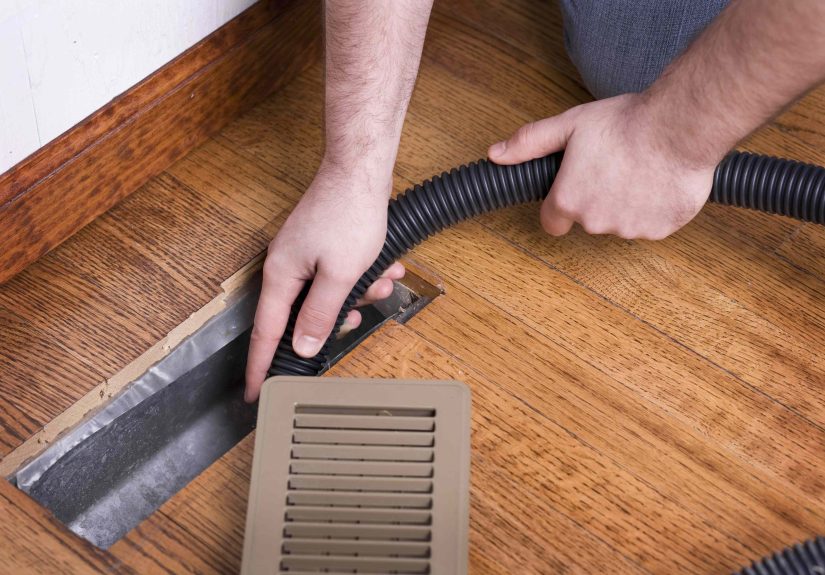
Not all duct cleaning is created equal. A legitimate job is closer to “whole-system cleaning under controlled conditions,” not “a vacuum hose waved near a vent while someone upsells you antimicrobial mist.”
Key elements pros consider non-negotiable
- Negative pressure collection (so loosened debris goes into a vacuum system, not your living room)
- Agitation tools (brushes/air whips used carefully so debris actually releases)
- Register and return protection (to prevent blowback and mess)
- Access panels installed and sealed properly afterward (not “we pried it open and left it”)
- Component attention where appropriate (blower, coils, drain pan areaoften the real grime hotspots)
- Before/after proof (photos or video, not just vibes)
One more pro tip: If your contractor won’t clearly define what “full system cleaning” includes, that’s your cue to back away slowly while maintaining eye contact.
Biocides, sealants, and “mold fogging”: proceed with caution
HVAC pros tend to be cautious about chemical treatments inside ducts for two reasons:
- Effectiveness varies (and evidence is limited in real-world home settings)
- Exposure risk exists (you don’t want irritants aerosolized into your breathing air)
It matters what your ducts are made of. If you have porous materials (like fiberglass lining), “treating” them is not the same as treating bare sheet metal. A reputable pro will explain the differences and avoid sweeping promises like “this kills everything forever.” Nothing kills everything forever. Not even your group chat.
How to avoid duct-cleaning scams (without becoming a cynic)
Duct cleaning is unfortunately scam-friendly. HVAC pros say the biggest red flags are:
Red flag #1: The “whole-house special” that costs less than dinner
If the price sounds like it was designed for a spam text message, assume there’s an upsell coming. Pros report bait-and-switch tactics where a low coupon becomes a high-pressure pitch once they’re inside your home.
Red flag #2: “We found toxic mold!” (before showing you evidence)
Pros insist on show me, don’t scare me. If a company claims mold without clear visual documentation (and a plan to address moisture), be skeptical.
Red flag #3: “EPA-certified duct cleaning”
There isn’t an official EPA certification for duct cleaning. If a company uses that phrase, pros consider it a credibility problem.
Green flags that pros like
- Transparent scope (what they clean, how they protect your home, what they don’t do)
- Realistic claims (no guaranteed health outcomes, no miracle promises)
- Standards-based approach and willingness to show proof of work
- Written estimate with clear pricing structure
Cost: what you should expect to pay in the U.S.
Prices vary by region, home size, number of vents, system complexity, and how accessible the ductwork is. But HVAC pros generally agree on two rules:
- Legit work isn’t $99. That price usually buys you a sales pitch.
- Cost should track scope. “Per vent” pricing can be fine if it’s transparent and includes the whole system approach.
Many homeowners see quotes in the hundreds, not pocket change. Typical pricing models include per vent, flat fee, hourly, or a mix. It’s common to see per-vent ranges (with returns often costing more), and whole-home totals often landing somewhere around the mid-hundreds to low-thousands depending on scope.
Pro move: Ask, “Does this include the air handler components?” Sometimes coil/blower cleaning is separate (and sometimes that’s the part you actually need).
If you’re trying to improve indoor air quality, do this first
If duct cleaning is the “maybe,” these are the “almost always.” HVAC pros love these because they’re practical and measurable.
1) Use the right filterand change it on schedule
A better filter can help, but “highest MERV possible” isn’t always the answer. Too restrictive can reduce airflow and stress the system. Pros recommend matching filtration to the equipment and your needs (pets, allergies, local dust).
2) Fix moisture sources
Condensation, clogged drain lines, wet insulation, and high humidity are the real villains behind microbial growth. Control humidity, ensure proper drainage, and address leaks.
3) Seal duct leaks (especially in attics and crawlspaces)
Sealing gaps can reduce the system’s habit of inhaling dust from places that should stay… in those places.
4) Maintain coils and the blower
Dirty coils and blower components can affect airflow and performance. Even homeowners who skip duct cleaning may benefit from periodic professional HVAC maintenance.
Bottom line: Do you need duct cleaning?
If you have clear evidence of contamination (mold you can verify, pests, heavy construction debris, or particles blowing out of vents), duct cleaning can be a smart, targeted serviceespecially when paired with fixing the underlying cause.
If your ducts are merely “a little dusty,” cleaning is often optional and may not change dust levels, allergies, or energy bills the way ads imply. In many homes, your money is better spent on filtration, sealing leaks, and HVAC maintenance where it counts.
Think of duct cleaning like a haircut: sometimes you need it, sometimes you just need to stop leaning into dramatic lighting and magnifying mirrors.
Experiences from the field: what homeowners (and techs) say happens after duct cleaning
To make all of this feel less theoretical, here are experiences that HVAC pros commonly hear from homeownersand the way pros interpret those outcomes. Consider this the “real life” section, where expectations get a reality check and the results depend heavily on what problem you were actually trying to solve.
Experience #1: “The house smells fresher.”
This one comes up a lot, especially after moving into a home with pets, smokers, or a long period of vacancy. Homeowners report that a stale or “old house” smell improves after a thorough duct cleaning. HVAC pros say it can happenbut the smell is often coming from multiple sources. Dust and debris in returns can hold odors, and cleaning may help reduce that. However, pros also point out that odor improvements often come from related steps taken at the same time: changing filters, cleaning the blower compartment, addressing a damp condensate pan, or improving ventilation habits. If the smell returns quickly, pros start looking for moisture issues, dirty coils, or air being pulled from a crawlspace rather than assuming the ducts “got dirty again overnight.”
Experience #2: “We stopped seeing little dust puffs from the vents.”
If you were actually seeing particles blow out when the system kicked on, homeowners often notice a clear improvement after cleaning. Pros agree this is one of the most reasonable expectations. The caveat: if your ductwork is leaky in an attic or crawlspace, the system may continue pulling in new debris. In that case, the “dust puff” problem can slowly creep back. Many techs describe this as a two-step win: clean first (remove what’s there), then seal (stop new stuff from getting in).
Experience #3: “My allergies got better… I think?”
This is the trickiest one because allergies are influenced by everything from outdoor pollen levels to bedding to humidity. Some homeowners genuinely feel better after cleaningespecially if the ducts were heavily contaminated or the home had recent renovation dust. But HVAC pros caution that duct cleaning is rarely the single magic change. Often, the real improvement comes from a bundle of upgrades: better filters, more consistent filter changes, sealing return leaks, controlling humidity under 50%, and cleaning the coil or blower. Pros like to frame duct cleaning as a “reset,” not a cure: it can remove a reservoir of dust, but it won’t fix the ongoing sources of allergens in daily life.
Experience #4: “Our airflow feels stronger.”
Homeowners sometimes report stronger airflow afterward, and pros say this can be realbut it depends on what was restricting airflow. If ducts were partially blocked by construction debris, pet hair mats, or a collapsed section, then yes, cleaning (or repairing) can help. But if airflow is weak because of an undersized system, closed dampers, dirty coils, or poorly designed duct runs, duct cleaning won’t fix it. In fact, many HVAC pros will check static pressure, confirm dampers are open, and inspect the coil before crediting “dirty ducts” as the cause of weak airflow.
Experience #5: “The cleaning was great… until the upsell started.”
Homeowners often describe two very different experiences: a professional, standards-based job with clear before/after photos, or a high-pressure sales visit featuring scary language about mold. HVAC pros say the difference usually shows up early: legitimate companies explain scope and limitations upfront, while scammy operators lead with a low price and pivot to “urgent remediation.” Homeowners who had a good experience frequently mention that the crew protected floors, sealed off registers, used strong negative-pressure equipment, and didn’t try to sell mystery chemical treatments. Homeowners who had a bad experience mention vague add-ons, fogging sprays they didn’t request, and prices multiplying like gremlins after midnight.
Experience #6: “It wasn’t worth it for us.”
Plenty of homeowners report no noticeable change at allno less dust, no major air quality difference, no dramatic improvement in comfort. HVAC pros say this outcome is common in “normal” homes where the ducts weren’t the true problem. If your filter is doing its job and your ducts aren’t pulling in attic dust, duct cleaning may simply remove settled dust that wasn’t affecting you much in the first place. In those cases, homeowners often feel better spending the same money on sealing leaks, upgrading insulation, fixing humidity issues, or scheduling a real HVAC tune-up that addresses performance and safety.
The most consistent takeaway from these experiences: Duct cleaning is most satisfying when it’s done for the right reason (verified contamination or debris) and least satisfying when it’s purchased as a general “healthy home” promise. If you treat it like a targeted fixand pair it with moisture control, filtration, and sealingyou’re far more likely to feel like your money did something useful.






 Close
Close