
Table of Contents >> Show >> Hide
- The Short Answer: No, It Is Usually Not Too Late
- Which Plants Still Benefit Most From Last-Minute Winter Protection?
- What Gardeners Should Do Right Now If Cold Weather Is Closing In
- When It Really Might Be Too Late
- What Not to Do
- What To Do After a Freeze
- How Gardeners Prioritize Their Winter Plant Protection
- Microclimates Matter More Than People Think
- Gardeners’ Experiences: What Actually Happens in Real Winter Yards
- Final Verdict
Every winter, gardeners eventually reach the same chilly crossroads: you step outside, feel that suspiciously dramatic air, and wonder whether your plants are about to become botanical popsicles. Maybe the forecast suddenly mentions a hard freeze. Maybe you meant to mulch three weeks ago. Maybe your containers are still sitting outside like they pay rent. And maybe, just maybe, you are asking the question gardeners hate most: Did I wait too long?
Here is the good news: in many cases, it is not too late to protect your plants in winter. You may not be able to save everything, especially truly tender plants facing a prolonged hard freeze, but you can still reduce damage, protect roots, prevent winter burn, and help borderline-hardy plants make it to spring. Winter plant protection is less about perfection and more about triage. Think of it as an emergency room for shrubs, perennials, and that one rosemary plant you keep believing in.
The smartest move is to focus on the plants that still have the best odds: container plants, newly planted shrubs and trees, broadleaf evergreens, marginally hardy perennials, and anything exposed to drying wind. Mature, well-sited, cold-hardy plants usually need less fuss. Your tropical hibiscus in an exposed pot? That one is already writing its farewell letter.
The Short Answer: No, It Is Usually Not Too Late
If the ground is not frozen solid, the weather event has not fully passed, and your plants are still structurally sound, winter protection can absolutely help. Gardeners and extension experts agree that late-season action still matters because the goal is not always to protect every leaf. Often, it is about saving roots, stems, buds, and the crown of the plant so it can recover when temperatures rise.
That distinction matters. A perennial with ragged foliage can still return beautifully in spring if the root zone survives. A shrub with bronzed leaves may still push fresh growth later. A potted plant with a damaged top may recover if its roots never froze hard. In other words, ugly is not always dead, and winter gardening is full of plot twists.
Which Plants Still Benefit Most From Last-Minute Winter Protection?
1. Container plants
Potted plants are the first ones to worry about because their roots sit above ground, where cold reaches them from the sides as well as the top. In garden beds, surrounding soil acts like insulation. In containers, roots are out there freelancing. That is why plants that are technically hardy in your area can still die in pots during winter.
If you are late to the game, move containers into an unheated garage, shed, greenhouse, enclosed porch, or another protected space. If they must stay outside, cluster them together near a building, preferably on the north or east side where they are shielded from harsh wind and temperature swings. Mulch around the pots, wrap the container sides, or even sink the pots into the ground if you can. This alone can make the difference between survival and spring heartbreak.
2. Newly planted trees and shrubs
Anything planted within the last year deserves extra attention. New roots are shallower, less established, and more vulnerable to freeze-thaw cycles and winter drought. Even plants that are hardy in your USDA zone can struggle during their first winter if they went into the season dry or stressed.
These are good candidates for mulch over the root zone, protective watering during dry spells, and wind protection if they are broadleaf evergreens or in exposed locations.
3. Broadleaf evergreens and needled evergreens in windy spots
Winter damage is not always caused by deep cold alone. Drying wind and sun can pull moisture from evergreen foliage while frozen soil prevents roots from replacing it. That is how you end up with winter burn: brown, bleached, or crispy foliage that looks like your shrub lost an argument with January.
Rhododendrons, hollies, boxwoods, arborvitae, and similar plants are classic candidates for burlap wind screens, especially if they face prevailing wind, reflected heat, or salt spray near roads and sidewalks.
4. Marginally hardy perennials and roses
If a plant is technically a little outside its comfort zone in your region, winter protection can buy it the margin it needs. A generous but properly timed mulch layer, especially after the ground begins to cool and after repeated frosts, can help buffer temperature swings. The same goes for roses, which often benefit from winter root insulation more than dramatic top-heavy wrapping.
What Gardeners Should Do Right Now If Cold Weather Is Closing In
Water before a freeze, but do it wisely
This surprises many people, but dry plants are often more vulnerable than well-hydrated ones. Moist soil holds heat better than bone-dry soil, and woody plants, especially evergreens, can suffer badly from winter drought. If your soil is dry and temperatures are above freezing, water before the cold snap. For woody plants, a deep watering is better than a quick sprinkle.
Just do not water when the ground is frozen or when drainage is poor enough to leave standing water around the base. This is plant care, not an ice sculpture contest.
Mulch the root zone, not the trunk
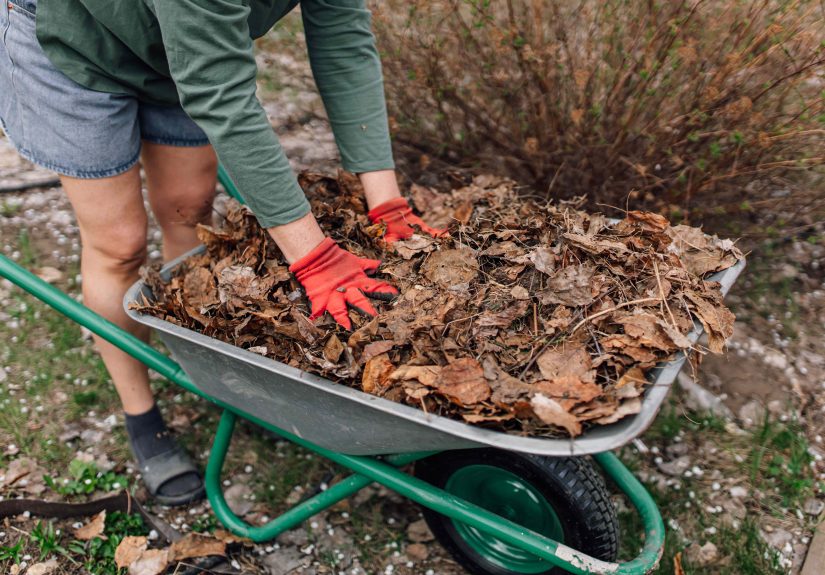
Mulch remains one of the most effective winter protection tools, even when you are a little late. Apply it over the root zone to reduce heat loss, conserve moisture, and minimize damaging freeze-thaw cycles. Shredded bark, straw, pine bark, or chopped leaves can all work, depending on what is appropriate for the plant and your region.
However, do not pile mulch against stems or trunks. Mulch volcanoes are great only if your goal is rot, rodent damage, or a very disappointed arborist. Keep mulch pulled back from the base of woody plants.
Cover plants the smart way
When frost or a brief freeze is expected, covers can help trap heat radiating from the soil. Use frost cloth, sheets, lightweight blankets, quilts, or similar breathable materials. The cover should extend all the way to the ground and ideally be supported so it does not rest directly on foliage.
Plastic can be used only if it does not touch the plant and if it is removed or vented promptly during sunny daytime conditions. When plastic touches leaves, cold injury can worsen. When plastic stays on too long in sun, your plant can overheat. In short: plastic is a diva. Handle with caution.
Protect pots like they are the fragile overachievers of the garden
Group containers together, wrap the sides, add mulch around them, and move them out of direct wind. Large pots survive better than small ones because they contain more soil volume, but no container is invincible during a hard winter. If you can relocate tender or borderline-hardy potted plants now, do it.
Build a windbreak for evergreens
For plants suffering from winter burn, a burlap screen works better than mummifying the shrub. Set the burlap on stakes a few inches away from the foliage rather than wrapping it tightly around the plant. This reduces wind exposure while still allowing some air circulation and light. It is less glamorous than a designer winter coat, but far more useful.
Think about salt, animals, and sunscald too
Winter damage is not just about air temperature. Salt spray and runoff can injure roots and foliage. Rabbits, voles, and deer may chew bark and stems. Thin-barked trees can develop sunscald when bark warms during the day and refreezes at night. Tree guards, trunk wraps, and physical barriers can still be worthwhile additions if winter has only just begun or if repeated damage happens every year.
When It Really Might Be Too Late
There are times when the answer is, unfortunately, “yes, probably.” If a prolonged hard freeze has already passed, the root ball in a container froze solid for days, or tender annuals have turned to translucent mush, there is not much winter protection can reverse. Covers are most effective before or during an event, not days later when tissues are already destroyed.
It may also be too late to protect a plant that was poorly suited to your climate in the first place. The USDA Plant Hardiness Zone Map is useful here. If a plant is not hardy for your location, winter protection may help during a mild season, but it is not a magic spell. It is more like borrowing time.
Still, even when top growth is lost, do not rush to pronounce the plant dead. Roots and crowns may survive. Gardeners who yank plants too early often learn a humbling spring lesson: patience was the missing fertilizer.
What Not to Do
Do not prune heavily in late fall or right after a freeze
Pruning can stimulate tender new growth at the wrong time, and freeze damage is often not fully visible until later. Wait until new growth begins in late winter or spring before doing major cleanup. Brown leaves are not the whole story.
Do not fertilize to “help” stressed plants push growth
Late-season fertilizing can encourage soft new growth that is especially vulnerable to cold. Winter recovery is about protection and stability, not speed.
Do not leave covers on indefinitely
Temporary covers are for cold nights and short events. Remove or vent them during the day, especially in sunny weather. A covered plant that survives the freeze but cooks by noon will not send you a thank-you note.
Do not assume all brown foliage means death
Evergreens often hold damaged foliage long after the buds and stems remain alive. Wait, watch, and test stems in spring before replacing plants that may simply be ugly, not gone.
What To Do After a Freeze
Once the freeze passes, resist the urge to stage an immediate cleanup frenzy. Start by watering if soils are dry and conditions allow. Remove obviously collapsed annuals if they are done for the season, but leave questionable perennials, shrubs, and evergreen branches in place until you can assess living tissue later.
Check buds, stems, and bark over time. Damaged cambium may appear brown or black under the bark. Buds may dry up. Some injury takes days or even weeks to show. This is frustrating, but winter gardening often rewards the people who wait before attacking everything with pruners.
How Gardeners Prioritize Their Winter Plant Protection
When time, daylight, and enthusiasm are limited, experienced gardeners usually work through a simple order of operations:
- Move or cluster container plants.
- Water dry woody plants before temperatures plunge.
- Mulch root zones of new, tender, or marginally hardy plants.
- Cover frost-sensitive plants for short cold events.
- Add burlap windbreaks for exposed evergreens.
- Protect trunks and stems from sunscald, salt, and hungry wildlife.
That is the practical answer to “Is it too late?” If you only have thirty minutes before dark, do the highest-value tasks first. Gardening is aspirational, but weather is aggressively realistic.
Microclimates Matter More Than People Think
One of the most useful lessons from gardeners is that a yard is not one climate. It is several. The south side of the house may warm too quickly. The northwest corner may get blasted by wind. A fenced courtyard might stay warmer. A low spot may collect cold air like a grudge. Plants near stone walls, pavement, or foundations can experience very different winter conditions than the ones out in the open.
So if you are deciding what to protect first, do not just ask, “What zone am I in?” Ask, “Which parts of my yard behave like tiny weather conspiracies?” That is where protection pays off fastest.
Gardeners’ Experiences: What Actually Happens in Real Winter Yards
Talk to enough gardeners about winter plant protection and you begin to hear the same stories, just with different zip codes and slightly different levels of emotional damage. One gardener swears the only reason her rosemary survived was that she dragged the pot into the garage during every major cold snap, even though it meant shuffling bicycles, holiday bins, and one very annoyed folding chair each time. Another says his boxwoods looked terrible by March, bronzed and wind-burned, but they filled back in after a patient spring trim and steady watering. The lesson was not that he had failed. The lesson was that winter injury is often cosmetic before it is fatal.
A common experience involves mulch applied late but still making a difference. Gardeners who missed the “perfect” timing often found that a properly placed layer around perennials and shrubs still reduced heaving, protected crowns, and improved survival. The plants did not care that the gardener felt guilty about being behind schedule. They cared that their roots were insulated before the worst temperature swings hit.
Container gardeners tell the most dramatic stories because pots amplify every weather mistake. Many have learned the hard way that a hardy plant in a pot is not the same thing as a hardy plant in the ground. People remember the winter when lavender turned crisp in a ceramic container, or when a hydrangea in a decorative pot never came back after a week of deep cold. Just as many remember the year they grouped pots together, tucked them near the house, mulched heavily, and watched most of them survive. The difference often came down to exposure, pot size, and whether the roots froze repeatedly.
Experienced gardeners also talk about the temptation to prune too soon. After a freeze, damaged foliage can look awful, and the natural instinct is to cut everything back immediately. But many have learned to wait. Plants that looked doomed in January often pushed growth from lower buds or healthy stems once spring arrived. Those gardeners now preach patience like a religion. Winter teaches restraint, even to people who own very sharp pruners.
There is also the matter of covers. Gardeners who use sheets, frost cloth, and makeshift frames tend to have better stories than the ones who throw plastic directly on foliage and hope for the best. The veterans know that covers work best when they trap ground heat, stay off the leaves, and come off once the sun returns. They also know that one rushed cold night can turn a tomato cage, old blanket, and clothespins into a surprisingly respectable emergency engineering project.
Perhaps the most reassuring gardener experience is this: winter protection is rarely all-or-nothing. Saving a crown, preserving buds, preventing bark injury, or reducing wind burn can still count as success. Not every plant needs to emerge from winter looking glamorous. Sometimes the true victory is simply that it emerges at all, slightly offended but alive.
Final Verdict
So, is it too late to protect your plants this winter? Usually, no. If the harshest weather has not fully done its worst, you can still protect root systems, reduce moisture loss, buffer temperature swings, and improve spring recovery. Focus first on containers, newly planted trees and shrubs, evergreens, and plants living on the edge of their cold tolerance. Water dry soil when conditions are safe, mulch wisely, cover plants correctly, and protect against wind, salt, and wildlife.
Winter gardening is not about creating a flawless landscape in January. It is about giving living plants a better chance to make it through a season that does not care about your plans, your weekend schedule, or the expensive shrub you bought on impulse in September. If you are late, do not panic. Just start where the payoff is highest and work outward. Plants are often tougher than they look, and gardeners are often more on time than they think.
Note: This article is based on current U.S. gardening and extension guidance. Always adjust winter protection strategies to your USDA hardiness zone, local forecast, microclimate, soil drainage, and the specific plant species you grow.




 Close
Close