
Table of Contents >> Show >> Hide
- What Happened: The Kellyoke Moment That Left Fans Staring at the Screen
- Why Her Version Felt So Different: The Musical Choices Doing the Heavy Lifting
- Why “If I Only Had a Brain” Is a Sneaky-Smart Choice
- Perfect Timing: The Oz-to-Wicked Pipeline Was Already Heating Up
- Kellyoke Works Because It’s Not KaraokeIt’s Interpretation
- Why Fans Went Wild: The Psychology of a Great Surprise Cover
- What This Cover Says About Kelly Clarkson’s Strength as an Artist
- How to Watch (and Listen) Like a Music Nerdin a Fun Way
- Want More Like This? A Quick Kellyoke Starter Pack
- Experiences That Hit Home: Why This Wizard of Oz Cover Felt Personal to So Many People (Extra )
- Conclusion
If you’ve ever watched The Wizard of Oz and thought, “You know what this needs? A cinematic, smoky, spy-movie vibe,” congratulationsyou and Kelly Clarkson are now in the same creative group chat.
During her “Kellyoke” segment, Clarkson took the famously light, bouncy Oz tune “If I Only Had a Brain” and flipped it into something moodier, slower, and dramatically cool. The result?
Fans didn’t just noticethey practically fell off the yellow brick road.
This wasn’t a “cute throwback” performance. It was a full-on reimagining: the kind that makes you blink twice and go, “Wait… why does this feel like the opening credits of a prestige thriller?”
And that’s exactly why the internet lit upbecause Clarkson didn’t simply sing the classic. She translated it into a new emotional language.
What Happened: The Kellyoke Moment That Left Fans Staring at the Screen
On an episode of The Kelly Clarkson Show, Clarkson stepped out for “Kellyoke” and, instead of reaching for the obvious Oz headline song (“Somewhere Over the Rainbow,” the usual suspect),
she chose a left-field favorite: “If I Only Had a Brain”the Scarecrow’s charming, optimistic number from the 1939 film.
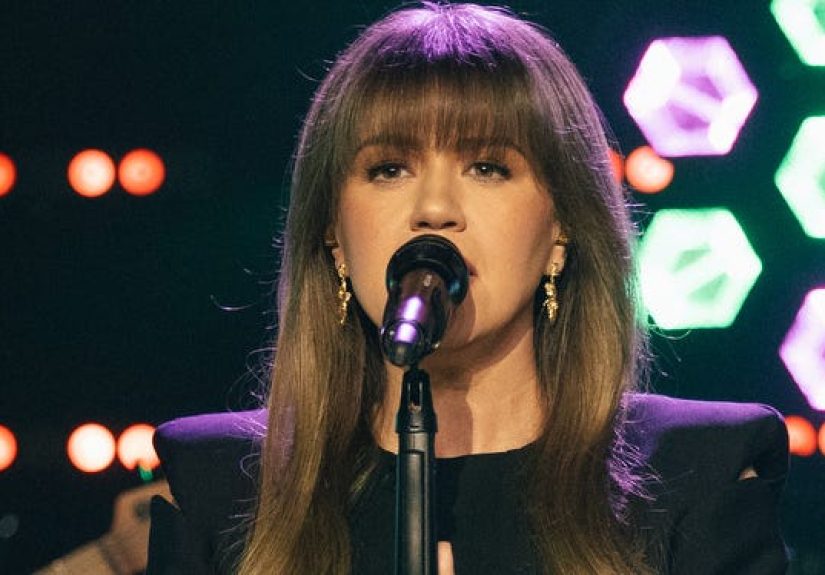
Then she did the thing she’s famous for: she made it hers. The staging was minimal and stylish, her look was all-black, and the arrangement slowed the tune down until it became something entirely differentless skip-and-smile, more stare-out-the-window-and-rethink-your-life.
The performance leaned into drama, space, and tension, like the song had been hiding a secret “film noir” version of itself for decades.
Viewers immediately compared the vibe to a James Bond-style themenot because Clarkson was trying to be gimmicky, but because the arrangement carried that sleek intensity:
restrained instrumentation, suspenseful pacing, and vocals that sound like they could cut glass (politely).
Why Her Version Felt So Different: The Musical Choices Doing the Heavy Lifting
A classic song is like a familiar recipe. Most people follow the instructions. Kelly Clarkson looks at the ingredients and goes,
“What if we made this… in a different climate? With dramatic lighting? And emotional consequences?”
1) The tempo shift turns whimsy into weight
The original “If I Only Had a Brain” is buoyantbuilt for movement, comedy, and that classic musical-theater bounce. Clarkson’s version slows the pace and lets each line land.
That single choice changes everything. When you give a cheerful tune more time to breathe, you also give it more room to feel.
2) The phrasing becomes storytelling, not just singing
Clarkson’s strength has always been her ability to sell a lyric without overselling it. Even when she’s belting, there’s intention.
In this take, she uses phrasing like an actor: pulling back, leaning in, letting silence do part of the talking.
It’s the difference between “performing a song” and “telling the song’s story like it just happened to you.”
3) The mood is “cinematic,” not “cute”
Musically, the arrangement doesn’t chase nostalgia; it chases atmosphere. That’s why people heard “Bond theme” energy.
You’re not listening for a singalong. You’re listening for the moment in the movie where the camera zooms in and somebody realizes the plan is about to go sideways.
In other words: drama, darling.
4) The vocals are controlled powernot constant fireworks
Here’s the sneaky magic trick: Clarkson doesn’t treat the song like a vocal obstacle course. She treats it like a mood.
The power is there when it matters, but much of the performance lives in controltone, texture, and dynamics.
That’s often what makes a cover feel “high-end”: not how loud you can sing, but how deliberately you can sing.
Why “If I Only Had a Brain” Is a Sneaky-Smart Choice
Let’s give credit where it’s due: picking “If I Only Had a Brain” is clever. It’s recognizable, but it’s not the obvious Oz pick.
It also carries built-in charmbecause the Scarecrow’s wish is innocent and hopeful, and the melody is designed to feel light.
That creates the perfect setup for a twist: the brighter the original, the more surprising a darker reinterpretation becomes.
Historically, the song is part of that iconic trio of “If I Only Had…” numbers in The Wizard of Oz, each tied to what Dorothy’s companions believe they’re missing.
The original is theatrical and playful. Clarkson’s version asks: what if the wish underneath the song is actually… kind of heavy?
Because if you strip away the tap-dance energy, the core idea is relatable: wanting to be smarter, wanting to feel enough, wanting to have what everyone else seems to have.
That’s not just a Scarecrow thingthat’s a Tuesday thing.
Perfect Timing: The Oz-to-Wicked Pipeline Was Already Heating Up
This performance also landed during a moment when Oz content was already trending in pop culture thanks to renewed attention around Wickedthe Oz-adjacent phenomenon that keeps finding new audiences.
On the same episode, the show leaned into that world with guests connected to Wicked, making Clarkson’s choice feel even more like a well-timed wink.
And that matters, because internet reactions often aren’t just about the performancethey’re about the moment.
A strong cover plus the right cultural timing equals share buttons getting absolutely bullied.
Kellyoke Works Because It’s Not KaraokeIt’s Interpretation
A lot of covers fail for one of two reasons:
- They copy the original too closely (so you wonder why it exists).
- They change everything randomly (so it feels like chaos wearing a melody).
Clarkson’s best “Kellyoke” performances thread the needle. She respects the originalbut she also brings a point of view.
That’s why she can cover pop, rock, country, Broadway, and classics without it feeling like she’s playing dress-up.
It’s not “Kelly singing a song.” It’s “Kelly explaining why the song still matters.”
A great example of that approach came earlier when she performed “Over the Rainbow” in a stripped-down, emotional styleproving she can treat Oz music with reverence and creativity.
She’s also shared that the song has personal meaning in her family life, which helps explain why her classic-song performances often feel emotionally grounded instead of showy.
Why Fans Went Wild: The Psychology of a Great Surprise Cover
The fan reaction makes sense if you break it down. People weren’t just impressed by the vocals (though, yes, obviously).
They were impressed by the idea. This cover delivered multiple “wow” triggers at once:
- Nostalgia a beloved classic from a universally known film.
- Subversion she chose a less obvious Oz song and made it unrecognizable in the best way.
- Atmosphere the moody arrangement turned a cheerful tune into a dramatic moment.
- Range of artistry it felt like a singer-producer-brain at work, not just a vocalist singing pretty notes.
- “Cast her in everything” energy fans love imagining Clarkson on Broadway or in a cinematic soundtrack lane.
Basically, it hit the sweet spot: familiar enough to hook you, different enough to make you re-listen.
That’s the algorithm’s favorite flavor.
What This Cover Says About Kelly Clarkson’s Strength as an Artist
Clarkson’s superpower isn’t only that she can sing loudly (she can). It’s that she can sing with intent.
Her best covers do three things at once:
- Honor the song’s core emotion (even if she changes the mood).
- Reveal a new angle (like finding a hidden room in a house you’ve lived in for years).
- Keep it human (so it doesn’t feel like a technical flex).
Turning “If I Only Had a Brain” into a darker ballad isn’t just a clever twistit’s a statement:
these classics are durable enough to handle new interpretations, and listeners are hungry for versions that feel emotionally current.
How to Watch (and Listen) Like a Music Nerdin a Fun Way
If you want to fully appreciate why this performance worked, try listening for these details:
Listen for the “space” between phrases
When Clarkson slows the tempo, the silence becomes part of the arrangement. That space builds suspense and makes the big moments feel earned.
Pay attention to dynamics (soft vs. strong)
Great performances aren’t loud the whole time. They move. Clarkson’s control over volume and intensity is what makes the performance feel cinematic.
Notice how the tone changes the meaning
A bright delivery makes the song feel playful. A darker delivery makes it feel like longing. Same melodydifferent emotional movie.
Want More Like This? A Quick Kellyoke Starter Pack
If this Oz twist was your entry point into “Kellyoke” fandom, here’s how to keep the momentum going without falling into an endless scroll spiral (no promises, though):
- Classic standards performances where she keeps it simple and lets emotion lead.
- Rock and powerhouse tracks where she leans into grit, edge, and big dynamics.
- Left-field picks songs you wouldn’t expect her to choose, which is half the fun.
The pattern you’ll notice is this: when Clarkson chooses a song, she usually has a reason. It might be the lyric, the cultural moment, or just a desire to challenge expectations.
And when she reimagines it successfully, it reminds viewers that “cover songs” can still feel like an event.
Experiences That Hit Home: Why This Wizard of Oz Cover Felt Personal to So Many People (Extra )
There’s a specific kind of emotional whiplash that happens when you hear a childhood song reintroduced as an adult. You’re not just hearing musicyou’re hearing memories.
That’s part of why Kelly Clarkson’s moody take on “If I Only Had a Brain” landed so hard: it let people experience something familiar in a brand-new way, without losing the original’s heart.
Many viewers described the moment like this (in spirit, not as a direct quote): they clicked expecting a cozy, nostalgic singalong and got a performance that felt more like a scene from a film.
The experience is almost cinematic even from your couch: the slowed pace pulls you in, the darker mood makes you lean closer, and suddenly you realize you’re paying attention to lyrics you’ve “known forever”
but haven’t actually listened to in years.
That’s the funny thing about classics: they can become background noise in your own memory. You remember the tune, you remember the costumes, you remember the vibe.
But when an artist changes the framelike Clarkson didyou get to encounter the song again as if it’s new.
It’s like finding an old photo and noticing details you missed the first time: the expression on someone’s face, the way the light hit the room, the mood you couldn’t name back then.
For some fans, the experience was pure admirationwatching a vocalist with serious control choose restraint instead of constant fireworks.
For others, it was more personal: the song’s theme (wanting something you feel you lack) isn’t locked in a 1939 storybook world.
It’s a modern feeling. People chase confidence, clarity, peace of mind, and yessometimes they chase the sense that they’ve finally “figured it out.”
Seeing a playful song treated with dramatic sincerity can make that message feel unexpectedly real.
There’s also a communal experience here that’s easy to overlook. “Kellyoke” performances don’t just live on TV; they live in group chats.
Someone sends the clip with a message like “YOU HAVE TO WATCH THIS,” and suddenly three friends are reacting in real timeone talking about the vocals, one talking about the arrangement,
and one admitting they didn’t expect to get emotional before lunch.
It becomes a tiny shared event, which is rare in a world where everyone streams different things at different times.
If you want to recreate that feeling on purpose (highly recommended), try a “cover night” experience:
pick the original Oz version of the song, then watch Clarkson’s take right after. Notice what changes in your bodydo you smile first and then get quiet?
Do you go from “Oh, I remember this!” to “Wait, why is this kind of intense?” That shift is the point.
It’s proof that interpretation mattersand that music can grow up with you.
And maybe the best part of the experience is the reminder that classics aren’t fragile. They’re not museum pieces behind glass.
When an artist like Clarkson reimagines a beloved song with care, it doesn’t erase the originalit adds a new doorway into it.
You can still love the bright, old-school magic and appreciate the darker, modern storytelling.
Somewhere along the way, you realize: the song didn’t changeyou did. And that’s kind of beautiful.
Conclusion
Kelly Clarkson’s unique take on “If I Only Had a Brain” worked because it didn’t rely on noveltyit relied on interpretation.
She took a classic “Wizard of Oz” song and revealed a new emotional layer by changing tempo, mood, and delivery, creating a performance that felt cinematic and surprisingly contemporary.
Whether you came for the nostalgia or the vocal mastery, you left with the same reaction: “How did she make that sound like this?”




 Close
Close