
Table of Contents >> Show >> Hide
- 1) Start With a Plan (So Your Remodel Doesn’t Become a Reality Show)
- 2) Layout Ideas That Make Cooking Easier (Not Just Prettier)
- 3) Cabinets: The Big Visual Win (And the Biggest Opportunity for Function)
- 4) Countertops: Choose the One That Matches Your Life (Not Just Your Pinterest Board)
- 5) Backsplash & Walls: Your Chance to Add Personality (Without Rebuilding Anything)
- 6) Lighting: The Most Underrated “Luxury” Upgrade
- 7) Flooring That Survives Real Life (Spills, Pets, and Your “Hands Full” Routine)
- 8) Appliances: Upgrade the Workhorses (And Consider Efficiency)
- 9) Storage & Organization Ideas That Make Your Kitchen Feel Twice as Big
- 10) Style Ideas That Feel Fresh (But Won’t Look Dated in Two Minutes)
- 11) Budget Strategy: Spend Where You’ll Feel It (And Save Where You Won’t)
- 12) Practical Reality Checks (Because Kitchens Are Full of Surprises)
- Conclusion: The Best Kitchen Remodeling Ideas Are the Ones That Match Your Real Life
- Real-World Experiences: What It Actually Feels Like to Remodel a Kitchen (And What You Learn)
A kitchen remodel is basically a home makeover and a lifestyle experiment: How long can you survive without a sink? How many meals can be made in an air fryer before your family starts bargaining for a microwave treaty? The good news: with the right plan, your kitchen can become more functional, more comfortable, and (yes) more beautifulwithout turning into a money pit with a backsplash.
Below are practical, real-world kitchen remodeling ideaslayout moves, storage upgrades, material choices, and budget strategiespulled from what top U.S. remodeling and design sources keep seeing in successful renovations. Use them like a menu: pick what fits your home, your habits, and your budget.
1) Start With a Plan (So Your Remodel Doesn’t Become a Reality Show)
Before you fall in love with a waterfall-edge island on the internet, do a quick reality check: how do you actually use your kitchen? Who cooks? Who “helps” (aka stands in the exact spot you need)? Do you host big gatherings, pack lunches daily, or mainly reheat leftovers like a professional?
Make a “Pain Points” List
- Traffic jams: People cut through the cooking zone like it’s a hallway.
- No landing space: Nowhere to set groceries, hot pans, or the world’s largest mail pile.
- Storage chaos: Pots live in three different cabinets and none of them make sense.
- Bad lighting: You’re chopping onions in a dramatic shadow like a film noir detective.
Then set priorities using the classic triangle: must-haves (non-negotiable), nice-to-haves (if the budget cooperates), and dream items (future-you can handle those).
2) Layout Ideas That Make Cooking Easier (Not Just Prettier)
The biggest “wow” remodels aren’t always the ones with the fanciest finishesthey’re the ones where the layout finally works. Many designers now think in zones (prep, cooking, cleanup, storage, coffee/beverages) rather than only the old-school work triangle, because modern kitchens do more than cook.
Island or Peninsula? Choose the One Your Room Can Actually Handle
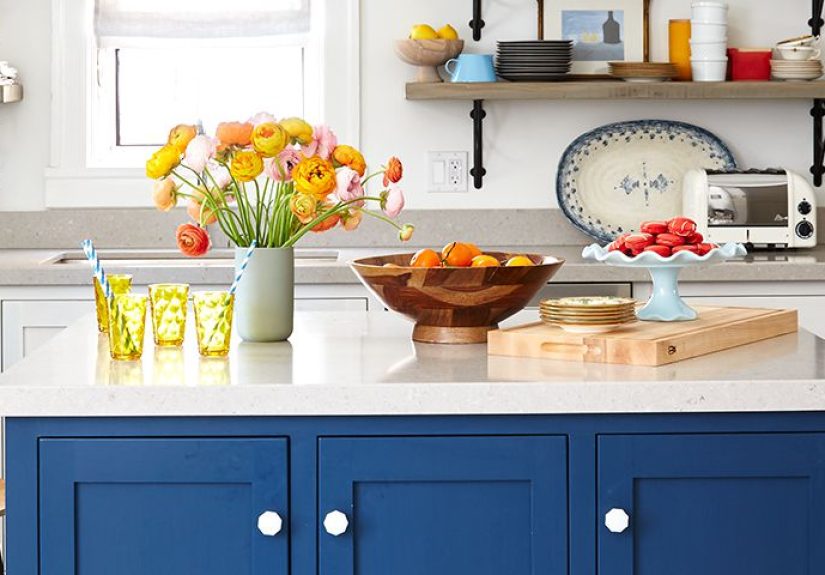
Islands are popular because they’re the ultimate multitasker: prep space, storage, seating, and “the place everyone gathers even when you begged them to sit literally anywhere else.” If your kitchen can’t comfortably support an island with good clearance, a peninsula can deliver many of the same benefits without turning your walkway into an obstacle course.
- Pro tip: Plan what the island is for (prep, seating, storage, appliances) before you plan what it looks like.
- Smart storage idea: Put deep drawers on the working side for pots, pans, and mixing bowls.
- Comfort upgrade: If you want seating, allow enough overhang and pick stools with backs for real lounging.
Make the Sink and Dishwasher a Team
If you’re adjusting plumbing anyway, set up your cleanup zone so it flows: trash/recycling nearby, dishwasher close, and a landing spot for dirty dishes and drying racks. This is one of those unglamorous decisions that saves daily frustration (which is basically priceless).
3) Cabinets: The Big Visual Win (And the Biggest Opportunity for Function)
Cabinets eat a big chunk of most kitchen remodel budgets, so it pays to choose wisely. If your cabinet boxes are in good shape and the layout works, consider refacing (new doors/drawer fronts) or a mix of new and existing cabinetry. If you’re changing the layout or want major storage improvements, new cabinets may be worth it.
Ideas That Feel Custom Without Always Being Custom
- Go taller: Extend upper cabinets closer to the ceiling for more storage and less dust-collecting “cabinet hat space.”
- Use drawers everywhere: Deep drawers are easier than base cabinets for pots, plates, and pantry items.
- Add a pantry zone: A tall pantry cabinet, pull-out pantry, or walk-in pantry changes everything for organization.
- Create a beverage station: Coffee bar, water dispenser, mini fridgegreat for daily life and entertaining.
Many recent kitchen trend reports also point to floor-to-ceiling storage, multi-zone refrigeration, and dedicated stations (like beverages) as practical upgrades that match how people live now.
4) Countertops: Choose the One That Matches Your Life (Not Just Your Pinterest Board)
Countertops are where daily life happens: hot pans, spilled coffee, homework, craft projects, and the occasional “I’m totally not cutting directly on the surface” moment. In durability testing and consumer buying guides, engineered quartz consistently rates well for resisting stains and general wear, while also staying relatively low maintenance.
Quick Countertop Matchmaker
- Quartz: Low maintenance, consistent look, strong performance for busy kitchens.
- Granite: Natural stone beauty; may require sealing depending on the stone and finish.
- Laminate: Budget-friendly with huge style improvements over older versions; great for cost control.
- Butcher block: Warm and inviting; needs regular care and smart placement (often best on an island or prep zone).
If you want a high-end look without the full slab budget, consider a “splurge and save” combo: quartz on the perimeter (workhorse surfaces) and a butcher block or budget-friendly surface on a secondary area.
5) Backsplash & Walls: Your Chance to Add Personality (Without Rebuilding Anything)
A backsplash is where you can take a style risk while keeping the rest timeless. Classic subway tile is popular for a reason, but you can also go for vertical stacking, handmade-look tile, textured ceramic, or a simple slab backsplash that’s practically wipe-and-forget.
Backsplash Ideas That Age Well
- Full-height backsplash: Tile all the way to the uppers (or ceiling) for a clean, intentional look.
- Statement behind the range: A focal tile pattern where it matters most.
- Low-contrast grout: Helps the backsplash stay looking fresh longer (and hides life better).
6) Lighting: The Most Underrated “Luxury” Upgrade
Great lighting makes a kitchen feel bigger, cleaner, and more welcomingand it helps you see what you’re doing, which is handy when sharp objects and heat are involved.
Use Three Layers of Light
- Ambient: Overall ceiling lighting for the room.
- Task: Under-cabinet lighting for counters, sink, and prep areas.
- Accent: Pendants over an island, interior cabinet lighting, toe-kick lighting for a soft glow at night.
If you want an easy transformation, swap outdated fixtures for something with personality (pendants, a semi-flush mount, or a bold chandelier over the table) and add under-cabinet lighting. It’s a before-and-after moment you’ll notice every single day.
7) Flooring That Survives Real Life (Spills, Pets, and Your “Hands Full” Routine)
Kitchen flooring should be durable, easy to clean, and comfortable. Tile is tough and timeless. Many homeowners also choose resilient options that handle water and wear well (and don’t panic when someone drops a spoon like it’s a bowling ball).
Flooring Ideas by Priority
- Durability first: Porcelain tile, quality engineered wood, resilient flooring designed for kitchens.
- Warmth first: Wood look, cork-style comfort, or adding a runner for softer standing zones.
- Easy cleanup: Surfaces that don’t need constant babying (because you’re remodeling to simplify life).
8) Appliances: Upgrade the Workhorses (And Consider Efficiency)
Appliance choices can dramatically change how your kitchen feels. Think about what actually matters: a quiet dishwasher if you have an open layout, a fridge layout that fits your grocery habits, and cooking tech that matches your style.
Induction Cooking: Fast, Efficient, and Worth Considering
If you’re choosing a new cooktop, induction is gaining attention because it heats quickly and can be significantly more energy-efficient than gas, while also keeping the kitchen more comfortable (less wasted heat). It does require compatible cookware and, in some homes, an electrical upgradeso it’s a “plan it early” decision.
Look for ENERGY STAR Where It Fits
For refrigerators, dishwashers, and other appliances, choosing ENERGY STAR certified models can reduce energy use and may pay off over the life of the appliance. Some certified electric cooking products are also designed to be more efficient than standard models, which can add up over time.
Smart Appliances: Helpful When They Solve a Real Problem
“Smart” features are best when they’re practical: leak detection, maintenance alerts, energy monitoring, or remote preheating. If the feature is basically “your fridge can post online,” you can probably skip it and spend the money on better cabinets. Priorities!
9) Storage & Organization Ideas That Make Your Kitchen Feel Twice as Big
The secret to a “bigger” kitchen is often storage that works. When everything has a home, counters stay clear, and the whole room feels calmereven if the square footage didn’t change at all.
High-Impact Storage Upgrades
- Pull-out trash and recycling near the prep zone.
- Vertical tray storage for baking sheets and cutting boards.
- Corner solutions (lazy Susans or pull-out systems) so corners aren’t black holes.
- Drawer dividers for utensils and spices (your future self will thank you daily).
- Appliance garage to hide the toaster, blender, and coffee stuff without losing access.
If you’re planning a pantry, don’t just think “more shelves.” Think “zones”: breakfast, snacks, baking, dinner staples, and backstock. Organization isn’t about being fancyit’s about being able to find the cinnamon without launching an expedition.
10) Style Ideas That Feel Fresh (But Won’t Look Dated in Two Minutes)
The most timeless kitchens typically mix classic foundations with a few personality moments. That way, if your taste changes (or the internet declares a new “must-have”), you can update smaller elements without redoing the whole room.
Timeless Foundation + Fun Accent = A Smart Formula
- Foundation: simple cabinet style, neutral countertops, durable floors.
- Accent: bold light fixtures, a statement backsplash, a colorful island, or mixed metals.
One cozy trend that keeps popping up: softer, warmer toneslike off-white and creamy finishesshowing up even in appliances and small kitchen gear, which can balance bolder design choices and feel inviting rather than stark.
11) Budget Strategy: Spend Where You’ll Feel It (And Save Where You Won’t)
Remodeling budgets vary wildly by region, kitchen size, and choices. Recent U.S. renovation studies show that typical spending can range from modest “keep the layout, update surfaces” projects to major remodels that climb into six figuresespecially for high-end kitchens or large spaces.
Common “Worth It” Splurges
- Layout fixes (when the current plan truly doesn’t work).
- Quality cabinets (because doors and drawers get used constantly).
- Quiet dishwasher (life-changing in open kitchens).
- Lighting plan (it affects everythingfunction and mood).
Places to Save Without Regret
- Keep plumbing in place when possible (moving sinks and gas lines adds cost fast).
- Choose midrange hardware with a great feelhardware is easy to swap later.
- Pick a classic tile and spend on installation quality (bad tile work is forever).
If resale value matters, many market analyses show that minor kitchen remodels often deliver stronger returns than major luxury overhauls. The idea isn’t “don’t improve your home”it’s “improve it in ways buyers (and you) will actually value.”
12) Practical Reality Checks (Because Kitchens Are Full of Surprises)
Two things can be true: a remodel can transform your daily life, and it can also introduce chaos for a while. A few simple moves can reduce stress:
- Create a temporary kitchen: microwave, toaster oven/air fryer, coffee maker, dish tub, paper plates if needed.
- Order long-lead items early: cabinets, appliances, and custom doors can take time.
- Plan outlets and charging: add enough outlets where you actually use things.
- Build in “clean zones”: a landing spot for backpacks, mail, and keys keeps counters usable.
Note: If you’re changing walls, moving plumbing/gas, or updating electrical, work with licensed professionals and follow local permitting requirements. It’s not the glamorous part of kitchen design, but it’s the part that keeps your remodel safe and insurable.
Conclusion: The Best Kitchen Remodeling Ideas Are the Ones That Match Your Real Life
A successful kitchen remodel isn’t just a “pretty kitchen.” It’s a kitchen that supports your mornings, your meal prep, your family routines, your entertaining style, and your storage needs. Start with layout and function, choose durable materials you won’t resent, invest in lighting and storage, and add personality with elements you can change later.
If you do it right, your kitchen becomes the place people naturally gatherwhere the cooking feels easier, the mess feels manageable, and the room finally works the way you always wanted it to.
Real-World Experiences: What It Actually Feels Like to Remodel a Kitchen (And What You Learn)
Let’s talk about the part no backsplash photo tells you: living through a kitchen remodel is like camping indoors, except you still have work emails and someone keeps asking, “So… what’s for dinner?” The first week often feels exciting. You’re taking “before” pictures, making decisions, and imagining your future self casually slicing limes on a spotless counter. Then demolition happens, and suddenly your sink is gone and you realize how many times a day you use water without thinking.
One of the biggest lessons homeowners share is that the temporary kitchen is not optionalit’s survival. Setting up a folding table with a microwave, a coffee maker, and a dish tub can keep the household functioning. You’ll discover your “minimum viable kitchen” fast: coffee, something that heats food, and a way to wash a few essentials. And yes, paper plates become a totally reasonable life choice for a while.
Another common experience: decision fatigue. A remodel involves a shocking number of choicescabinet color, hardware finish, faucet style, tile pattern, grout color, lighting temperature, outlet placement, and about 47 tiny details you didn’t know existed. A simple trick that helps is creating a “finish family” early: pick two metals (like brushed nickel plus a warm accent), decide on your cabinet tone, then choose surfaces that live happily together. When you’re later staring at 900 backsplash options, you can eliminate anything that doesn’t match the plan.
Then there’s the “drawer math” momentwhen you realize storage isn’t just about having cabinets, it’s about having the right cabinets. People often regret not adding enough drawers, not planning a pantry zone, or not thinking through where small appliances should live. One homeowner might love open shelving in photos, then discover they don’t love dusting. Another might choose a beautiful matte counter, then learn they cook messy and need something more forgiving. These aren’t failuresthey’re reminders that your kitchen should fit your habits, not your feed.
The best remodeling experiences usually have two things in common: a realistic schedule cushion and a focus on function. When you plan for surprises (because walls and floors love surprises), you stress less. When you prioritize layout, storage, and lighting, you feel the upgrade every dayeven if you didn’t pick the fanciest tile in the world. And when the kitchen finally comes together, there’s a specific kind of joy in unloading groceries and realizing everything has a place. It’s not just “new kitchen energy.” It’s daily-life energysmoother mornings, easier cooking, and a home that works better for the people living in it.







 Close
Close