
Table of Contents >> Show >> Hide
- What Is the KitchenAid Electric Kettle with LED Display?
- Key Features That Make It Stand Out
- Best Uses for the KitchenAid Electric Kettle
- How It Compares with Other Electric Kettles
- Pros and Cons
- Buying Tips Before You Choose One
- Cleaning and Maintenance
- Who Should Buy the KitchenAid Electric Kettle with LED Display?
- Final Verdict
- Real-World Experience: Living with a KitchenAid Electric Kettle with LED Display
The KitchenAid Electric Kettle with LED Display is the kind of countertop appliance that makes a kitchen feel slightly more grown-up without asking you to learn a new language, download an app, or negotiate with a tiny robot. It boils water, yes, but it also brings temperature control, a clear display, a polished design, and that unmistakable KitchenAid personality to the daily ritual of tea, coffee, oatmeal, cocoa, instant noodles, and “I forgot to hydrate again” hot lemon water.
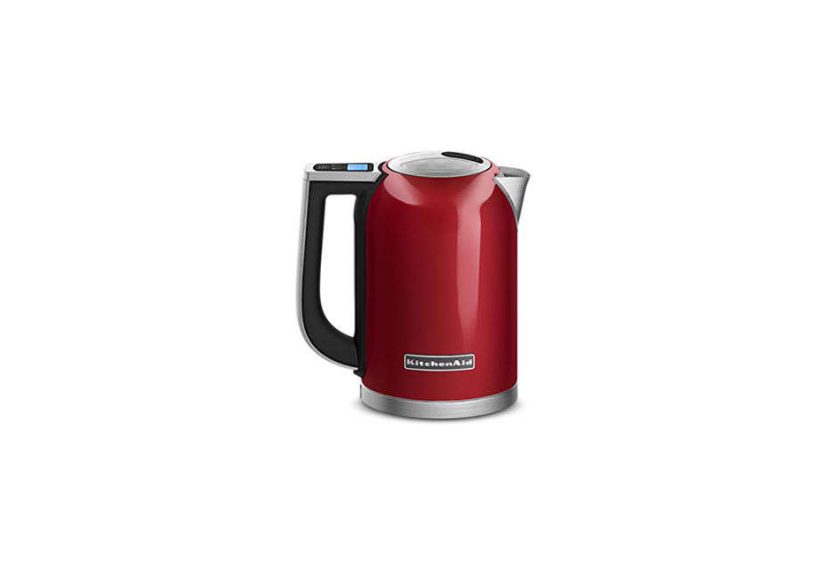
In the KitchenAid family, the phrase “electric kettle with LED display” most often points to the KEK1722-style 1.7-liter model, a variable-temperature kettle known for its digital temperature display, blue LED water window, 30-minute hold-temperature function, and stainless steel body. Availability can vary because some legacy LED-display versions are now listed as discontinued or out of stock by retailers. However, the appeal behind the product remains very current: people want a fast, attractive, temperature-aware kettle that looks good enough to leave on the counter.
This guide takes a close look at what makes the KitchenAid electric kettle useful, who it is best for, what to consider before buying, and how to get the most out of it without turning your morning tea into a lab experiment.
What Is the KitchenAid Electric Kettle with LED Display?
The KitchenAid Electric Kettle with LED Display is a 1.7-liter electric water kettle designed for speed, convenience, and temperature flexibility. Unlike a basic kettle that simply boils water until it screams for attention, this model gives users more control over the heating process. Depending on the specific model and retailer listing, key features may include a digital temperature display, variable temperature settings from about 122°F to 212°F, a clear illuminated water window, a removable base, a soft-grip handle, and a hold-temperature function that keeps water warm for up to 30 minutes while the kettle remains on its base.
That combination matters because not every hot drink wants boiling water. Black tea can handle a full boil. Green tea, on the other hand, is more delicate and can taste bitter if you blast it with 212°F water like it owes you money. White tea, oolong, herbal infusions, French press coffee, pour-over coffee, and instant meals all benefit from better temperature control.
The kettle is also part of KitchenAid’s broader design language. It is not trying to disappear into the kitchen. It has a rounded, modern shape, a polished appliance look, and color options that have historically included shades like Empire Red, Onyx Black, stainless steel, and white. In other words, it is a kettle that understands it might be photographed next to a sourdough loaf someday.
Key Features That Make It Stand Out
1.7-Liter Capacity for Daily Use
A 1.7-liter capacity is generous enough for several cups of tea, a large French press, a family breakfast, or multiple rounds of hot cocoa when the weather decides to be dramatic. For one person, it means fewer refills. For a household, it means the kettle can keep up with busy mornings when one person wants coffee, another wants tea, and someone else suddenly remembers oatmeal exists.
The capacity is also practical for cooking shortcuts. Hot water from an electric kettle can speed up pasta prep, loosen sticky jars, warm baby bottles indirectly, soften dried ingredients, or help clean greasy pans. It is not just a tea accessory; it is a small kitchen helper with a surprisingly busy resume.
LED Display and Illuminated Water Window
The LED display is the headline feature for many shoppers. Instead of guessing whether the water is “almost hot,” “probably hot,” or “why is there steam on my glasses,” the display gives a clearer look at temperature status. On legacy KEK1722-style models, the LED functionality and illuminated water window also make the kettle easier to read at a glance.
This is especially helpful for people who brew different drinks throughout the day. You might use a lower temperature for green tea in the afternoon, a higher setting for herbal tea at night, and full boiling water for instant soup when life gets busy. The display turns the kettle from a one-button appliance into something closer to a beverage command center, minus the dramatic music.
Variable Temperature Control
Variable temperature control is the main reason to choose this kettle over a basic budget model. Many hot drinks taste better when brewed at the right temperature. Green and white teas generally prefer cooler water, oolong sits in the middle, and black or herbal teas usually perform well with water close to boiling.
With a variable-temperature electric kettle, you can match the water to the drink instead of forcing every beverage to endure the same boiling treatment. The result is smoother tea, less bitterness, better aroma, and a more consistent routine. It is one of those features that seems optional until you use it for a week, and then suddenly your old kettle looks like it was designed by a caveman with a plug.
30-Minute Hold Temperature Function
The hold-temperature feature is designed for people who make one cup, get distracted, answer a message, feed the dog, forget what room they are in, and return to the kettle later. When the kettle remains on its base, the hold function can help maintain the selected temperature for up to 30 minutes.
This is useful for slow mornings, second cups, tea tastings, or work-from-home days when your beverage schedule is less “routine” and more “chaotic but caffeinated.” It can also reduce the need to reboil water repeatedly, which is convenient and may help avoid unnecessary energy use.
Stainless Steel Body and Soft-Grip Handle
KitchenAid’s electric kettle design often combines stainless steel construction with a comfortable handle and a removable base. Stainless steel is popular because it feels durable, resists everyday wear, and gives the kettle a premium look. The soft-grip handle helps with pouring control, especially when the kettle is full.
A good kettle should not feel like a wrist workout. The handle, lid release, spout shape, and balance all matter. A kettle can have excellent heating power, but if it pours like a confused watering can, nobody will love it for long. KitchenAid’s design focuses on making the kettle attractive and manageable during daily use.
Best Uses for the KitchenAid Electric Kettle
Tea Brewing
Tea drinkers get the biggest benefit from temperature control. Black tea and many herbal teas can take boiling water, while green and white teas usually need gentler heat. Oolong often lands around the middle range. Using the right temperature can bring out sweetness, floral notes, and depth instead of bitterness.
For example, a cup of green tea brewed with boiling water may taste sharp and grassy in a not-so-fun way. Brew it closer to 175°F to 180°F, and the flavor becomes smoother and more balanced. That is the difference between “I enjoy tea” and “I am politely drinking lawn water.”
French Press and Pour-Over Coffee
Coffee lovers can also benefit from temperature control. While dedicated gooseneck kettles are better for precise pour-over technique, a KitchenAid electric kettle can still handle French press, AeroPress-style brewing, instant coffee, and casual pour-over use. For many coffee methods, water slightly below boiling is ideal because it extracts flavor without scorching the grounds.
The KitchenAid kettle is especially practical for French press coffee because of its larger capacity. You can heat enough water for a full press, pre-warm the carafe, and still have a little left for rinsing or topping off.
Fast Breakfasts and Everyday Cooking
Beyond drinks, this kettle is excellent for oatmeal, instant grits, ramen, couscous, powdered soup, hot chocolate, and quick kitchen prep. If your breakfast strategy involves speed, hot water is your friend. The kettle can also help jump-start boiling water for stovetop cooking. Instead of waiting for a cold pot to heat from scratch, you can add already-hot water and move faster.
This is where the 1.7-liter capacity shines. A small kettle is cute until three people need hot water. Then it becomes a tiny metal bottleneck. The KitchenAid size is more flexible for households, offices, dorm-style setups where allowed, and anyone who treats hot beverages as a personality trait.
How It Compares with Other Electric Kettles
Compared with basic electric kettles, the KitchenAid Electric Kettle with LED Display offers more control and a more polished design. A budget kettle may boil water quickly, but it usually lacks adjustable temperature settings, a digital display, a keep-warm feature, or premium styling. If you only need boiling water for instant noodles, a simpler model may be enough.
Compared with high-end gooseneck kettles, KitchenAid’s design is more general-purpose. Gooseneck models are ideal for pour-over coffee because they deliver a slow, controlled stream. The KitchenAid kettle is better for people who want one stylish appliance for tea, coffee, breakfast, and everyday hot water rather than a specialized coffee tool.
Compared with newer KitchenAid 1.7-liter variable-temperature kettles, the older LED-display model stands out for its digital display and illuminated window. Current KitchenAid models may offer similar everyday benefits, such as variable temperature control, automatic shutoff, removable filters, and a swivel base, but shoppers should check the exact model number because features differ.
Pros and Cons
Pros
- Large 1.7-liter capacity works well for multiple servings.
- Variable temperature control helps improve tea and coffee flavor.
- LED display and illuminated water window make operation easier.
- Hold-temperature function is convenient for second cups.
- Stylish KitchenAid design looks good on the countertop.
- Stainless steel construction gives it a premium feel.
Cons
- Some KEK1722 LED-display versions may be discontinued or hard to find.
- It can cost more than basic electric kettles.
- It is not as specialized as a gooseneck kettle for pour-over coffee.
- Feature sets vary by model, color, region, and retailer.
- Like all kettles, it needs descaling in hard-water areas.
Buying Tips Before You Choose One
Before buying a KitchenAid Electric Kettle with LED Display, check the model number carefully. If you specifically want the LED display, look for KEK1722 or 5KEK1722-style listings and confirm the details. Some listings may refer to newer KitchenAid 1.7-liter kettles that have variable temperature control but not the same display design.
Also check whether the product is new, refurbished, discontinued, or sold by a third-party marketplace seller. A refurbished kettle may be a good deal, but only if it includes a clear return policy and warranty. Since electric kettles involve heat, water, and daily handling, reliability matters more than saving a few dollars from a questionable listing.
Think about your actual habits. If you drink delicate teas, variable temperature control is worth it. If you drink mostly black coffee and only need boiling water, the LED display may be more of a luxury. If your kitchen is small, measure your counter space and cabinet clearance. A beautiful kettle is less charming when it blocks the toaster, the outlet, and your will to cook.
Cleaning and Maintenance
Electric kettles are easy to maintain, but they are not maintenance-free. Over time, minerals from water can create limescale inside the kettle. This is especially common in hard-water areas. Limescale is not glamorous. It looks like your kettle has started collecting tiny chalk souvenirs.
To keep the kettle working well, descale it regularly using a method recommended for electric kettles. A common approach is to use white vinegar diluted with water, allow the solution to heat and sit, then rinse thoroughly by boiling clean water and discarding it. Citric acid or lemon-based solutions may also work, depending on the manufacturer’s guidance.
Always let the kettle cool before cleaning the exterior. Use a soft cloth rather than abrasive pads. Avoid immersing the kettle, base, cord, or plug in water. The kettle is designed to heat water inside, not take a bubble bath in the sink.
Who Should Buy the KitchenAid Electric Kettle with LED Display?
This kettle is a strong fit for tea lovers, design-conscious homeowners, KitchenAid fans, and anyone who wants a premium electric kettle with more control than a basic boil-only model. It is also a good choice for people who regularly make multiple hot drinks and appreciate a larger capacity.
It may not be the best choice for extreme budget shoppers, minimalists who only need boiling water, or pour-over coffee enthusiasts who want a gooseneck spout above all else. For those users, a simpler kettle or a dedicated coffee kettle may make more sense.
The best buyer is someone who will actually use the temperature settings, appreciate the display, and enjoy the design every day. If the kettle will sit on the counter, it might as well look like it belongs there.
Final Verdict
The KitchenAid Electric Kettle with LED Display is more than a pretty appliance. It combines generous capacity, variable temperature control, user-friendly display features, and KitchenAid’s signature countertop style. For tea drinkers and hot-beverage fans, the ability to choose the right temperature can noticeably improve flavor. For busy households, the 1.7-liter size and hold-temperature function add real convenience.
The main caution is availability. The classic KEK1722 LED-display version may be discontinued or difficult to find new, so shoppers should verify model details before purchasing. Still, whether you are considering a legacy LED-display model or a newer KitchenAid variable-temperature kettle, the core appeal is the same: fast hot water, better control, and a design that does not look like it was borrowed from a break room in 1998.
Real-World Experience: Living with a KitchenAid Electric Kettle with LED Display
Using a KitchenAid Electric Kettle with LED Display every day changes the way you think about hot water. That sounds dramatic, but it is true in the same quiet way a good chair changes how you feel about sitting. At first, the display feels like a bonus. After a while, it becomes part of the routine. You glance at the temperature, choose the right setting, and stop treating every beverage like it needs a rolling boil.
The biggest difference appears with tea. A green tea brewed at the right temperature tastes gentler, cleaner, and less bitter. White tea becomes more floral. Oolong develops a rounder flavor. Herbal tea still gets its hot-water spotlight, but now it is intentional rather than automatic. The kettle turns tea from “drop bag in mug, hope for the best” into a small ritual that feels calm and controlled.
In a busy morning routine, the 1.7-liter capacity is genuinely helpful. You can heat water once and serve several needs: coffee for one person, tea for another, oatmeal for someone rushing out the door, and maybe a warm refill for yourself after the first cup mysteriously disappears while answering emails. The hold-temperature feature is useful here because mornings rarely move in a straight line. Someone always forgets their keys, asks where the charger is, or decides that now is the perfect time to discuss weekend plans.
The LED display also helps when multitasking. Instead of listening for the boil or lifting the kettle to check what is happening, you can read the display and move on. The illuminated water window is handy in dim kitchens, especially early in the morning when turning on the overhead light feels like being interrogated by the sun.
Design matters more than people admit. A kettle that stays on the counter becomes part of the kitchen’s visual rhythm. The KitchenAid look feels intentional, especially in kitchens with stainless steel appliances, colorful mixers, or classic countertop tools. It does not look disposable. It looks like it has a favorite mug and strong opinions about breakfast.
Maintenance is the only routine task you cannot ignore. If you live in a hard-water area, descaling becomes part of ownership. The good news is that it is simple if you do it regularly. The bad news is that if you ignore it, the inside of the kettle starts looking like a tiny limestone cave. A monthly cleaning habit keeps the kettle heating efficiently and looking fresh.
Overall, the experience is best described as small luxury with practical benefits. It will not cook dinner, fold laundry, or answer emails. But it will make tea taste better, speed up breakfast, look beautiful on the counter, and quietly improve one of the most repeated kitchen tasks of the day. For an appliance that mostly deals in hot water, that is a pretty impressive résumé.







 Close
Close