
Table of Contents >> Show >> Hide
- What Is Pelvic Laparoscopy?
- Why Doctors Recommend Pelvic Laparoscopy
- How the Procedure Usually Works
- Benefits of Pelvic Laparoscopy
- Risks and Possible Complications
- Who May Not Be the Best Candidate?
- Recovery After Pelvic Laparoscopy
- Questions to Ask Before Having Pelvic Laparoscopy
- Final Takeaway
- Experiences Related to Pelvic Laparoscopy: What Many Patients Notice Before and After Surgery
Pelvic laparoscopy sounds a little intimidating at first, mostly because any phrase that includes the word “surgery” tends to make people sit up straighter in their chairs. But in plain English, this procedure is a minimally invasive way for a surgeon to look inside the pelvis, diagnose problems, and sometimes treat them during the same operation. Think of it as a tiny camera with a very big job description.
For many patients, pelvic laparoscopy offers something modern medicine does especially well: doing more while cutting less. Instead of a large abdominal incision, the surgeon uses a few small cuts to insert a laparoscope and other slim instruments. That approach can mean less pain, smaller scars, less blood loss, and a faster recovery than traditional open surgery. Of course, “minimally invasive” does not mean “zero big deal.” It is still surgery, still requires careful decision-making, and still comes with real risks.
If you are trying to understand why pelvic laparoscopy is recommended, what doctors can do with it, and what recovery may look like afterward, this guide walks through the essentials in a practical, readable way. No medical drama soundtrack required.
Note: This article is for informational purposes only and is not a substitute for medical advice, diagnosis, or treatment from a licensed healthcare professional.
What Is Pelvic Laparoscopy?
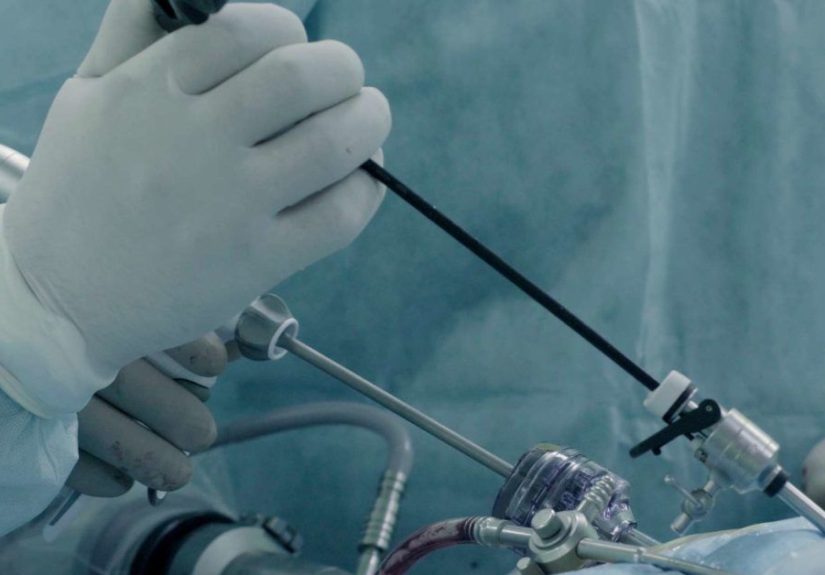
Pelvic laparoscopy is a surgical procedure used to examine the organs in the pelvic area, including the uterus, ovaries, fallopian tubes, and nearby tissues. A surgeon inserts a thin tube with a camera and light, called a laparoscope, through a small incision, usually near the belly button. The camera sends images to a monitor, allowing the surgeon to inspect the pelvic organs in detail.
During the procedure, the abdomen is gently inflated with gas so the surgeon can see the organs more clearly. If needed, additional tiny incisions can be made to insert instruments for biopsy or treatment. This is one of the reasons pelvic laparoscopy is so useful: it can move from “Let’s figure out what is going on” to “Let’s fix what we found” without switching to a completely different plan.
Pelvic laparoscopy may be diagnostic, operative, or both. A diagnostic laparoscopy is done mainly to identify the cause of symptoms or confirm a suspected condition. An operative laparoscopy includes treatment, such as removing scar tissue, draining or removing a cyst, treating endometriosis, or addressing an ectopic pregnancy.
Why Doctors Recommend Pelvic Laparoscopy
Pelvic laparoscopy is often recommended when symptoms are persistent, imaging is inconclusive, or treatment may be possible with a minimally invasive approach. In gynecology, it is especially useful because many pelvic conditions can overlap. Pelvic pain, fertility problems, abnormal bleeding, ovarian masses, and suspected endometriosis can all point in several directions at once. Laparoscopy gives the surgeon a direct look instead of relying only on clues from scans, symptoms, and lab tests.
Common Uses of Pelvic Laparoscopy
One of the most common reasons for pelvic laparoscopy is chronic pelvic pain. When pain lingers and noninvasive tests do not explain it, laparoscopy may help identify hidden causes such as endometriosis, pelvic adhesions, ovarian cysts, or signs of pelvic inflammatory disease.
It is also frequently used in the evaluation and treatment of endometriosis. This condition happens when tissue similar to the uterine lining grows outside the uterus. It can cause severe cramps, pelvic pain, pain during sex, bowel or bladder discomfort, and fertility issues. Laparoscopy allows the surgeon to inspect the pelvis carefully, take a biopsy if needed, and remove or destroy visible endometriosis lesions during the same procedure.
Another important use is the workup of infertility. A person may have normal hormone testing and still face fertility problems caused by scar tissue, blocked fallopian tubes, or endometriosis. Pelvic laparoscopy can help identify structural problems that do not always show up clearly on imaging.
Doctors may also recommend pelvic laparoscopy for ovarian cysts, especially when a cyst is painful, persistent, suspicious, unusually large, or twisted. In cases of ovarian torsion, time matters. A laparoscopy may be performed urgently to untwist the ovary or treat the underlying cause.
Other uses include:
- Evaluating a pelvic mass
- Treating ectopic pregnancy
- Removing adhesions or scar tissue
- Investigating unexplained pelvic abnormalities
- Performing tubal ligation for permanent birth control
- Assisting with certain minimally invasive gynecologic surgeries
How the Procedure Usually Works
Before surgery, the patient typically meets with the care team to review medical history, medications, allergies, previous surgeries, and the reason for the procedure. Instructions may include when to stop eating and drinking, which medications to pause or continue, and how to plan transportation home. This is not the moment for “I’ll just wing it.” Good preparation makes surgery safer.
On the day of the procedure, pelvic laparoscopy is often done under general anesthesia, meaning the patient is asleep. After the small incision is made, the surgeon places the laparoscope and examines the pelvic organs. If treatment is needed, extra instruments can be inserted through additional small incisions.
Depending on the goal, the surgeon may remove tissue for biopsy, excise endometriosis, remove an ovarian cyst, cut adhesions, treat bleeding, or perform another planned procedure. Once the surgery is complete, the gas is released, the instruments are removed, and the incisions are closed.
Many pelvic laparoscopies are outpatient procedures, which means the patient can often go home the same day. More complex surgeries, however, may require a longer stay or a more structured recovery plan.
Benefits of Pelvic Laparoscopy
The biggest selling point of pelvic laparoscopy is that it allows surgeons to diagnose and treat pelvic conditions with a less invasive approach than open abdominal surgery. For the right patient and the right problem, that can be a major advantage.
1. Smaller Incisions
Instead of one large incision, pelvic laparoscopy uses small cuts. This usually means smaller scars and less trauma to the abdominal wall.
2. Less Postoperative Pain
Because the incisions are smaller and the tissues are handled more gently than in many open procedures, patients often experience less pain after surgery. That can translate into less need for pain medication and a more comfortable early recovery.
3. Faster Recovery
Recovery after laparoscopy is often quicker than recovery after open surgery. Many people return to light activity sooner, get out of the hospital faster, and feel more like themselves earlier. The exact timeline still depends on what was done during surgery. A quick look-and-see procedure is very different from a lengthy, technically complex operation.
4. Less Blood Loss
Minimally invasive surgery often involves less bleeding than open surgery, which is one reason many surgeons prefer it when appropriate.
5. Lower Risk of Some Complications
Smaller incisions can reduce the risk of wound-related complications and may lower the risk of infection compared with larger open abdominal procedures. That does not make laparoscopy risk-free, but it can improve the recovery profile.
6. Diagnostic Precision
Sometimes imaging tests leave behind more questions than answers. Pelvic laparoscopy gives the surgeon a direct view of structures inside the abdomen and pelvis. That can make a meaningful difference in diagnosing conditions like endometriosis, adhesions, or unexplained pelvic pain.
7. Diagnosis and Treatment in One Procedure
This is where laparoscopy really earns extra credit. If the surgeon finds a problem that can be treated safely during the same operation, the patient may avoid a second procedure later. One operating room visit is often better than a two-part sequel nobody asked for.
Risks and Possible Complications
Although pelvic laparoscopy is widely performed and generally considered safe, it remains a surgical procedure with potential complications. These risks should be discussed clearly before surgery so patients can make an informed decision.
Common or Short-Term Issues
Some symptoms are common after laparoscopy and are not necessarily signs of trouble. Mild abdominal soreness, fatigue, nausea from anesthesia, bloating, or referred shoulder pain from the gas used during the procedure can happen. These effects usually improve over time.
More Serious Risks
Potential complications include:
- Bleeding from an incision or internally
- Infection
- Injury to nearby organs such as the bowel, bladder, uterus, ovaries, or blood vessels
- Problems related to anesthesia
- Blood clots
- Unexpected need to switch to open surgery
The likelihood of complications depends on many factors, including the patient’s overall health, prior surgeries, scar tissue, body anatomy, the condition being treated, and the complexity of the operation. A short diagnostic laparoscopy is not the same as extensive excision surgery for severe endometriosis or a complicated pelvic mass.
Patients should contact their care team promptly if they have fever, heavy bleeding, worsening pain, shortness of breath, redness or drainage at the incision site, persistent vomiting, or trouble urinating after surgery. Those are the kinds of details you do not want to “wait and see” into next week.
Who May Not Be the Best Candidate?
Pelvic laparoscopy is not ideal for every situation. In some cases, open surgery may be safer or more practical. Patients with extensive adhesions from prior surgeries, certain bleeding disorders, severe medical instability, or large masses that require a different surgical strategy may need another approach.
Pregnancy can also affect decision-making, depending on the reason for surgery and the urgency of the problem. In addition, some cancers or advanced disease processes may call for a more specialized surgical plan. This is why the “best” procedure is not always the smallest one. The best procedure is the one that matches the medical reality.
Recovery After Pelvic Laparoscopy
Recovery varies based on the type of procedure performed. A patient who had a simple diagnostic laparoscopy may feel significantly better in days, while someone who had more extensive operative work may need weeks to recover fully.
What Recovery Often Feels Like
The first day or two may include grogginess, tenderness near the incisions, bloating, and shoulder pain from the gas used to inflate the abdomen. Walking gently, resting, staying hydrated, and following discharge instructions can help. Most people are encouraged to move around carefully rather than spending all day in bed.
Patients are usually told when they can shower, return to work, drive, exercise, lift heavy objects, and resume sexual activity. These instructions matter. Recovery advice is not decorative pamphlet material. It is the practical roadmap that helps prevent complications and supports healing.
How Long Does Recovery Take?
There is no single timeline that fits everyone. Some people return to desk work quickly after a minor procedure. Others need a longer recovery, especially if the surgery involved extensive tissue removal, complex dissection, or treatment of multiple pelvic problems. The final answer depends less on the word “laparoscopy” and more on everything that happened during it.
Questions to Ask Before Having Pelvic Laparoscopy
If your clinician recommends this procedure, it helps to ask focused questions such as:
- What is the main goal of my laparoscopy: diagnosis, treatment, or both?
- What conditions are you most concerned about?
- Could imaging or medication be tried first?
- What exactly might be treated during surgery if you find it?
- What are the most likely risks in my case?
- What should I expect during recovery?
- How could this procedure affect pain, fertility, or future treatment options?
These questions help turn a vague surgical recommendation into a clear, informed decision. And when the topic is your pelvis, clarity is not too much to ask.
Final Takeaway
Pelvic laparoscopy is an important tool in modern gynecology because it can both diagnose and treat a wide range of pelvic conditions through a minimally invasive approach. It is often used for chronic pelvic pain, endometriosis, infertility evaluation, ovarian cysts, adhesions, and ectopic pregnancy, among other problems.
Its main benefits include smaller incisions, less postoperative pain, faster recovery, and the possibility of handling diagnosis and treatment in the same procedure. Still, pelvic laparoscopy is real surgery, not a glorified camera tour. Risks such as bleeding, infection, anesthesia complications, and injury to surrounding organs must be taken seriously.
For many patients, though, the balance is favorable. When recommended by an experienced surgeon for the right indication, pelvic laparoscopy can provide valuable answers, targeted treatment, and a smoother path back to normal life.
Experiences Related to Pelvic Laparoscopy: What Many Patients Notice Before and After Surgery
One of the most common experiences people describe before pelvic laparoscopy is uncertainty. They may have been dealing with pelvic pain for months, sometimes years, and feel frustrated because ultrasounds, blood work, and office exams did not produce a complete explanation. In that setting, laparoscopy can feel like both a medical step and an emotional turning point. Many patients go into surgery hoping for answers, not because they are eager to have a procedure, but because they are tired of living in diagnostic limbo.
Another frequent experience is mixed relief and anxiety. Relief comes from finally having a plan. Anxiety shows up because the plan still involves anesthesia, incisions, and recovery. Even patients who logically understand that laparoscopy is minimally invasive may still feel nervous about pain, complications, fertility implications, or what the surgeon will find. That emotional cocktail is completely normal. People are often reassured when their surgical team explains the goals of the procedure clearly and tells them what decisions might be made during surgery.
After surgery, many patients notice that the first 24 to 48 hours are less about dramatic pain and more about a strange combination of soreness, bloating, fatigue, and “Why does my shoulder hurt when the surgery was in my pelvis?” That shoulder discomfort is a famously odd but common experience related to the gas used during laparoscopy. It can catch people off guard if no one warned them. The good news is that it usually improves as the gas is absorbed and the body settles down.
Patients also often describe recovery as uneven rather than perfectly linear. One day may feel surprisingly good, followed by a next day that feels slower. That does not always mean something is wrong. Healing tends to behave more like a winding side road than a ruler-straight highway. Many people feel better when they pace themselves, walk a little, rest a lot, and avoid treating a decent morning as proof they should reorganize the garage by lunchtime.
Emotionally, the experience after pelvic laparoscopy can vary widely depending on the findings. For some, finally receiving confirmation of endometriosis or adhesions is validating. It means the pain was real, the symptoms had a cause, and treatment can move forward with more confidence. For others, the procedure may rule out major structural disease, which can also be useful, though sometimes unexpectedly complicated from an emotional standpoint. Getting “no major findings” may sound reassuring on paper but can still leave a patient asking, “Then why do I hurt?”
Many people also say the post-op follow-up visit matters almost as much as the surgery itself. That is the moment when pictures, biopsy results, next steps, and recovery expectations start to come together. A clear explanation can make the entire experience feel more manageable. In real life, pelvic laparoscopy is not just about what happens in the operating room. It is also about being heard before the procedure, supported during recovery, and given a realistic plan afterward.
When patients know what pelvic laparoscopy can and cannot do, the experience tends to feel less mysterious and more empowering. Answers may not always be instant, and healing may not be glamorous, but informed expectations make the process much easier to handle.







 Close
Close