
Table of Contents >> Show >> Hide
- What This Lemon-Lime Orange Marmalade Tastes Like
- Ingredients
- Equipment You’ll Want (So You’re Not Improvising With a Coffee Mug)
- How Marmalade “Sets” (Quick, Useful Science)
- Lemon-Lime Orange Marmalade Recipe (No Added Pectin)
- Yield, Time, and Vibe
- Step 1: Wash, Scrub, and Prep the Citrus
- Step 2: Slice the Peel (With Some Pith)
- Step 3: Prep the Fruit Pulp
- Optional Step: Control Bitterness With a Quick Blanch
- Step 4: Simmer the Fruit and Water Until the Peel Is Tender
- Step 5: Add Sugar and Dissolve Completely
- Step 6: Boil to the Gel Stage (Two Ways to Test)
- Step 7: Skim Foam, Add Optional Flavor, and Jar It
- Water-Bath Canning Notes (Shelf-Stable Option)
- Easy Variations (Without Turning Your Marmalade Into a Science Fair)
- Troubleshooting: The Marmalade Therapists’ Corner
- Ways to Use Lemon-Lime Orange Marmalade
- Storage
- FAQ
- Conclusion
- Real-Life Marmalade Moments: of Sticky, Happy Experience
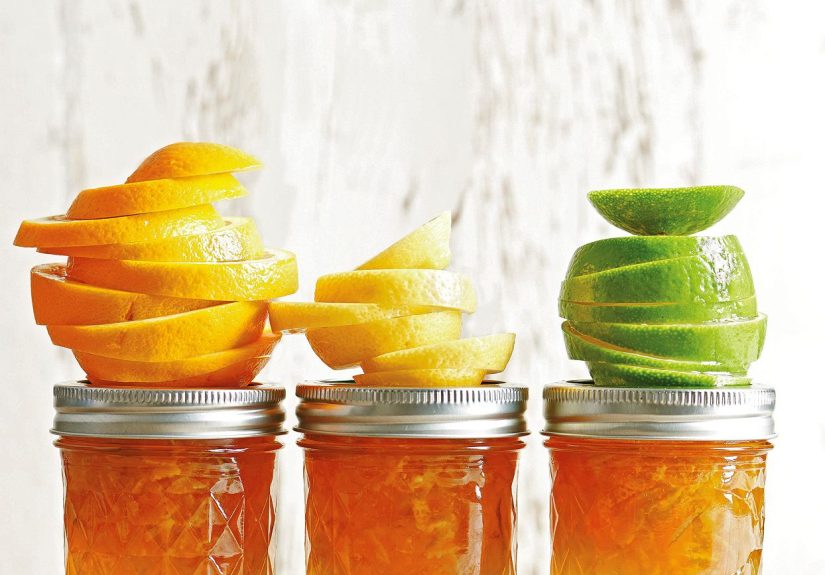
If citrus season had a theme song, it would be something between a sunny ukulele riff and the sound of you peeling an orange with the confidence of a person who definitely won’t spray juice in their own eye. This lemon-lime orange marmalade recipe is bright, bittersweet, glossy, and packed with those chewy ribbons of peel that make marmalade feel fancyeven if you’re eating it straight from the jar with a spoon like a delightful little goblin.
Below you’ll get a deeply practical, small-batch-friendly method (no mysterious jam witchcraft required), plus safe storage options, canning notes, troubleshooting, and plenty of ways to use your homemade citrus marmalade beyond toast. And yes, we’ll talk about bitternessbecause marmalade is basically “sweet, but with opinions.”
What This Lemon-Lime Orange Marmalade Tastes Like
Think: classic orange marmalade, but with a louder citrus choir. Orange brings the sunshine, lemon adds a clean tang, and lime adds a crisp, slightly floral “zing” that makes the whole jar taste more alive. The peels give you that signature marmalade bite (pleasantly bitter, not “I accidentally licked a battery” bitter), while the gel stays spreadable and shiny.
Ingredients
This recipe leans on real, time-tested marmalade mechanics: citrus peel contains natural pectin, and sugar + heat help it set. You can make this without boxed pectin, though I’ll include a quick pectin option later if you want a faster, more predictable set.
Main Ingredients (No Added Pectin)
- Oranges: about 2.5–3 lb navel oranges (scrubbed well)
- Lemon: 1 large lemon (scrubbed well)
- Limes: 2 medium limes (scrubbed well)
- Water: 6 cups
- Granulated sugar: 6 cups
- Optional: pinch of salt (yes, in jamtrust the process)
Optional Flavor Boosters
- 1–2 tsp vanilla extract (stirred in at the end)
- 1–2 tbsp fresh ginger, finely grated (adds warmth)
- Pinch of chili flakes (for “marmalade, but make it dramatic”)
Equipment You’ll Want (So You’re Not Improvising With a Coffee Mug)
- Large heavy-bottom pot (8–10 qt is idealmarmalade bubbles up)
- Sharp knife + cutting board
- Microplane or fine grater (optional but helpful)
- Candy/jam thermometer (helpful) or a chilled plate for set testing
- Clean jars with lids (refrigerator storage is fine; canning jars if processing)
- Wide-mouth funnel + ladle (optional, but makes you feel like a pro)
How Marmalade “Sets” (Quick, Useful Science)
Marmalade gels when three things line up: pectin (from citrus peel and membranes), acid (citrus is naturally acidic), and sugar concentration (achieved by boiling to the right point). That’s why marmalade is both simple and mildly chaotic: it’s chemistry, but with sticky hands.
Practically speaking, you’ll cook until the marmalade reaches the gel stageoften described as about 8°F above the boiling point of water where you are (commonly ~220°F at sea level). If you don’t want to think about altitude math, you can use the cold-plate wrinkle test (coming up).
Lemon-Lime Orange Marmalade Recipe (No Added Pectin)
Yield, Time, and Vibe
- Yield: about 7–8 half-pint jars (or ~7–8 cups), depending on simmer time
- Prep time: 30–45 minutes
- Cook time: 1 hour 30 minutes (give or take)
- Difficulty: Medium (mostly because slicing peel tests your patience)
Step 1: Wash, Scrub, and Prep the Citrus
Scrub oranges, lemon, and limes under running water. Because we’re using peel, this is the moment to be picky about cleanliness. If your citrus looks waxy, scrub extra well.
Step 2: Slice the Peel (With Some Pith)
Using a knife or vegetable peeler, remove the peel from the oranges in wide strips. Try to keep some of the white pith (albedo) attachedthis is where a lot of natural pectin lives, which helps the marmalade gel.
Slice peel into thin ribbons, about 1/8-inch wide. Measure roughly 4 cups of sliced orange peel ribbons. (If you’re under, peel another orange. Marmalade does not reward guesswork.)
Step 3: Prep the Fruit Pulp
For the oranges: remove and discard most seeds and thick membranes. Chop the fruit into small pieces and measure about 4 cups of orange pulp.
For the lemon and limes: slice thinly (again, about 1/8-inch). Remove seeds. Then chop slices into smaller pieces. Aim for about 1 cup lemon and 1 cup combined lime (if you’re slightly under, no stress).
Optional Step: Control Bitterness With a Quick Blanch
If you prefer a gentler marmalade (less “adult bitter” and more “breakfast friendly”), blanch the peel ribbons:
- Boil peel ribbons in water for 5 minutes.
- Drain, rinse, and proceed.
Blanch once for a balanced bite; blanch twice if you want the bitterness turned way down. (No blanching gives you a bolder marmaladegreat for cheese boards.)
Step 4: Simmer the Fruit and Water Until the Peel Is Tender
- Put the orange peel, orange pulp, lemon, and limes into a large pot.
- Add 6 cups water.
- Bring to a boil, then reduce to a steady simmer.
- Simmer uncovered or partially covered until peels are tender, about 45–60 minutes.
You want the peel to feel pleasantly chewy, not like you’re trying to eat a rubber band. If it’s still tough at 60 minutes, keep going another 10–15 minutes.
Step 5: Add Sugar and Dissolve Completely
- Stir in 6 cups sugar (and an optional pinch of salt).
- Heat gently, stirring, until sugar dissolves.
- Once dissolved, increase heat and bring to a vigorous boil.
Step 6: Boil to the Gel Stage (Two Ways to Test)
Boil, stirring frequently to prevent scorching. Expect 25–45 minutes depending on your pot, stove, and how much water evaporates.
Option A: Thermometer Method
Cook until the marmalade reaches 8°F above your local boiling point of water. (At sea level, this is commonly ~220°F.) This is a more reliable approach than “boil until it looks right,” because marmalade can look runny and still set beautifully later.
Option B: Cold-Plate Wrinkle Test
- Put a small plate in the freezer for 10 minutes.
- Spoon a little marmalade onto the cold plate.
- Wait 30–60 seconds, then push it with your finger.
- If it wrinkles and holds a line, you’re at set.
Step 7: Skim Foam, Add Optional Flavor, and Jar It
Turn off heat. Skim foam if needed (foam is harmless, but it can look cloudy). If using vanilla, stir it in now.
Ladle into clean jars. For refrigerator marmalade, cool, cap, and refrigerate.
Water-Bath Canning Notes (Shelf-Stable Option)
If you want pantry-stable jars, follow a tested boiling-water canning procedure and use proper canning jars/lids. Marmalade is high-acid, which makes it appropriate for water-bath canning when prepared and processed correctly.
Headspace
Leave about 1/4-inch headspace in each jar. Wipe rims clean, apply lids, and tighten bands “fingertip tight.”
Processing Times (Boiling Water Canner)
Processing times vary by jar size, altitude, and whether jars were pre-sterilized. Many modern tested schedules for marmalades are short, but altitude adjustments matter.
| Jar Size | 0–1,000 ft | 1,001–6,000 ft | Above 6,000 ft |
|---|---|---|---|
| Half-pints (typical marmalade jar) | 5 min* | 10 min | 15 min |
*If jars are not pre-sterilized, some tested guidance increases the 0–1,000 ft process time to 10 minutes (with corresponding altitude increases).
Longer processing can sometimes weaken gels, so choose a tested approach and stick to it.
Pro Tip: Count Time Correctly
Start the timer only when the canner water returns to a full boil after the jars go in. Also: after processing, let jars rest a few minutes in the canner (lid off) before lifting them out to reduce siphoning.
Easy Variations (Without Turning Your Marmalade Into a Science Fair)
1) Ginger Citrus Marmalade
Add 1–2 tablespoons finely grated fresh ginger during the final 10 minutes of boiling. Great with toast, roasted chicken, or anything that wants a little zing.
2) Vanilla-Bean Breakfast Marmalade
Stir in 1 teaspoon vanilla extract (or scraped vanilla bean) after turning off the heat. It softens the sharp edges and tastes like “weekend brunch energy.”
3) Chili Citrus Marmalade
A pinch of chili flakes or a tiny amount of minced fresh chili makes this unbelievable with cheddar, crackers, or grilled pork.
Troubleshooting: The Marmalade Therapists’ Corner
“It’s Runny.”
First: breathe. Marmalade often firms up as it cools and can continue improving for 24–48 hours. If it’s still loose after a full day, it likely didn’t reach gel stage. Next time, use the thermometer or wrinkle test more than once. (Also, wide pots evaporate faster and can help you reach set more efficiently.)
“It’s Too Bitter.”
Bitterness comes mostly from peel and pith. For a smoother flavor:
blanch peel ribbons once or twice before cooking, use more orange relative to lemon/lime, and avoid including thick, white pith chunks.
“It’s Too Thick / Candy-Like.”
Overcooking can push marmalade past gel into “sticky taffy territory.” Add a tablespoon or two of hot water to loosen when serving, and next time stop cooking as soon as you hit set.
“My Peel Floats.”
Totally normal. You can stir gently for a minute or two after cooking (as it cools slightly) to suspend peel more evenly, but don’t over-stir or you’ll introduce air bubbles.
Ways to Use Lemon-Lime Orange Marmalade
- Classic: toast, biscuits, English muffins
- Glaze: warm with a splash of water and brush onto ham, salmon, or roasted carrots
- Salad dressing: whisk with olive oil, vinegar, and mustard
- Cheese board: especially good with brie, goat cheese, or sharp cheddar
- Baking: swirl into yogurt cake batter or spoon between cake layers
Storage
Refrigerator
Store in the fridge for about 3–4 weeks (use clean utensils to keep it fresh). If it thickens a lot, let it sit at room temp for a few minutes before spreading.
Freezer
Freeze in freezer-safe containers, leaving headspace for expansion, for up to several months. Thaw overnight in the fridge.
Pantry (Canned, Sealed Jars)
If processed and sealed properly, store in a cool, dark place. Refrigerate after opening.
FAQ
Do I need boxed pectin?
Nope. Citrus peel and membranes bring natural pectin. Boxed pectin can make the set more predictable and shorten cooking time, but you’ll trade a bit of that classic, slow-cooked marmalade flavor.
Can I reduce the sugar?
Sugar isn’t just sweetness hereit helps preservation, texture, and gelling. If you want lower sugar, use a tested low-sugar pectin method designed for that purpose rather than improvising.
Can I use different oranges?
Yes. Navel oranges are a solid default. Blood oranges are gorgeous (and slightly more “berry-like”). If you use very sweet oranges, the lemon/lime balance becomes even more important.
Conclusion
This lemon-lime orange marmalade recipe is the best kind of kitchen project: it feels old-school and impressive, but it’s mostly you, a pot, and citrus doing what citrus does bestbeing loud, fragrant, and a little dramatic. Once you nail the set (thermometer or wrinkle test), you’ll have a jar that turns plain toast into a tiny vacation.
Real-Life Marmalade Moments: of Sticky, Happy Experience
The first time I made a three-citrus marmalade, I learned two things immediately: (1) citrus is determined to perfume your entire home like an upscale spa, and (2) marmalade is not a “quick little recipe,” no matter how many times you tell yourself it will be. You start out calmly, slicing peel ribbons like a patient artisan. Twenty minutes later, you’re still slicing peel ribbons, questioning your life choices, and wondering if toast is even worth it. (Spoiler: it is.)
There’s something oddly meditative about the simmering stage. The fruit and water bubble quietly, the peels soften, and the kitchen smells like sunshine got a part-time job as an air freshener. It’s also the point where you realize marmalade has moods. Some days it behavespeel softens right on schedule, the boil stays steady, and you hit the gel stage without any drama. Other days it clings to “runny” like it’s a personality trait, and you end up doing the cold-plate test five times in a row like you’re waiting for a text back.
The best part is the moment it finally sets. You dip a spoon in, let it cool, and taste: sweet orange first, then lemon brightness, then that crisp lime snap at the endlike the flavor did a little mic drop. The peel gives you chew and structure, the gel gives you shine, and suddenly your brain starts inventing excuses to eat it with everything. “I’m not having cheese and crackers,” you tell yourself. “I’m assembling a tasting board.” “I’m not making a sandwich,” you whisper. “I’m creating a citrus-forward culinary experience.” Marmalade makes you like that.
Then comes the gifting phase, which is both generous and selfish. Generous because homemade marmalade in a jar is undeniably charming. Selfish because you get to say, very casually, “Oh, this? I made it.” People look at you differently when you hand them a jar of jewel-bright marmalade. Like you might also churn butter and own a secret herb garden. (You don’t have to correct them.)
My favorite real-life use is also the simplest: warm marmalade stirred into plain yogurt with a handful of granola. It turns breakfast into something that tastes planned. Another winner: a quick glaze for roasted chickenjust marmalade and a splash of vinegar. The lemon-lime note keeps it from being cloying, and the orange makes it caramelize like you knew what you were doing the whole time.
And yes, you will eventually find a tiny sticky spot on a cabinet handle, your phone, or your elbow. That’s not a failure. That’s proof you made marmalade the real way: hands-on, fragrant, slightly chaotic, and completely worth it.




 Close
Close