
Table of Contents >> Show >> Hide
- What Is Line Depping & Wrong For Hay's Hook?
- Who Is Line Depping?
- The HAY and Wrong For Hay Connection
- Material Matters: Why Ash Wood Makes Sense
- Design Analysis: The Beauty of a Simple Gesture
- Where the Hook Works Best in the Home
- How to Style the Line Depping Hook
- Why Discontinued Design Objects Still Matter
- Buying Tips for Collectors and Design Fans
- Care and Maintenance
- Why This Hook Feels So Scandinavian
- Specific Examples: How It Changes a Space
- Experience Notes: Living With a Hook Like This
- Conclusion
Some home objects enter a room quietly. They do not flash, beep, swivel, or demand an app update. They simply wait by the wall, ready to hold a coat, a scarf, a tote bag, or the mysterious “temporary” jacket that has lived in your entryway since last Tuesday. The Line Depping & Wrong For Hay’s Hook belongs to that elegant category: a small design object with a surprisingly big personality.
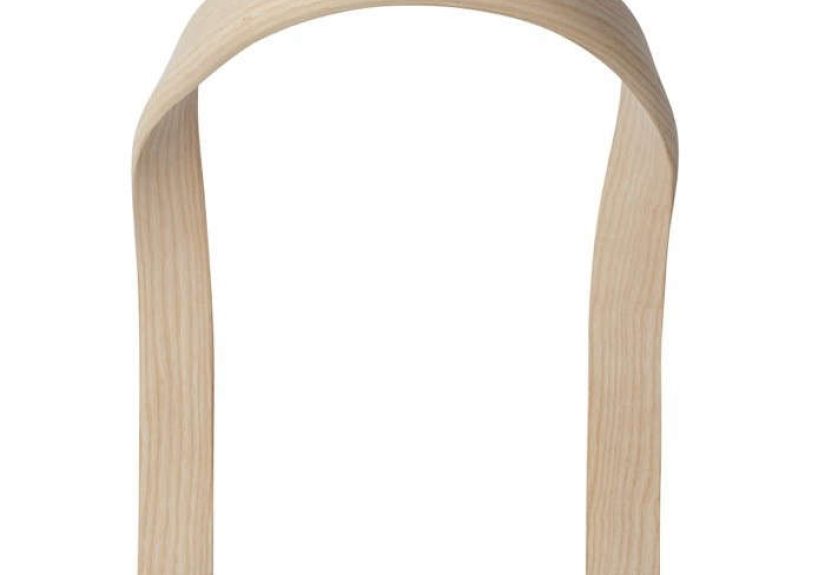
Designed by Danish furniture designer Line Depping and produced through the HAY universe, the Hook is a study in how much expression can be created from very little. It is not a decorative hook pretending to be sculpture, nor a piece of sculpture reluctantly accepting your hat. It sits somewhere more interesting: functional, refined, tactile, and quietly clever. The design uses precompressed ash wood, shaped into a folded form that turns natural tension into practical strength. That sounds like a physics lesson, but thankfully it looks much better on a wall than a chalkboard equation.
This article explores the story, design value, materials, styling ideas, and lived experience of the Line Depping Hook, also known through listings as Wrong For Hay’s Hook. Whether you are a collector of Scandinavian design, a homeowner looking for better hallway storage, or someone who simply appreciates objects that do their job without shouting, this small wooden hook deserves a closer look.
What Is Line Depping & Wrong For Hay’s Hook?
The Line Depping & Wrong For Hay’s Hook is a wall-mounted hook made from precompressed ash wood. The design was originally created by Line Depping in 2012 for the Mindcraft exhibition and later went into production with HAY until 2020. Retail listings in the United States, including Remodelista’s archived product page, describe it under the name Line Depping & Wrong For Hay’s Hook, with A+R listed as the retailer and Wrong for Hay connected to the product’s design context.
At first glance, the hook appears almost effortless: a clean, curved strip of wood that folds away from the wall just enough to become useful. But the simplicity is deceptive. The hook is not a generic peg. It is made by manipulating the material so the wood’s own tension helps create the final form. Instead of hiding the construction logic, the design celebrates it.
That is one of the reasons this hook continues to attract attention even after being discontinued. It represents a kind of design thinking that feels increasingly valuable in modern interiors: fewer objects, better objects, and objects with a reason to exist beyond “it matches the sofa.”
Who Is Line Depping?
Line Depping is a Danish furniture designer known for work that balances material experimentation, function, and quiet visual poetry. She studied at the Danish School of Design and graduated in 2007. Her design practice has included independent projects, exhibition work, and collaborations, often with a strong focus on wood, construction, and the everyday rituals of living.
What makes Depping’s work distinctive is not just minimalism, although her pieces are certainly minimal in the best Scandinavian sense. Her designs often begin with observation: how people use objects, how materials behave, how a surface bends, how a practical need can become a refined gesture. The result is furniture and objects that feel calm but never boring.
The Hook is a perfect example. It does not rely on decorative excess. Instead, it asks a simple question: what happens if a strip of wood is folded into usefulness? The answer is a wall hook that looks almost like a note, a gesture, or a small wooden wave paused mid-motion.
The HAY and Wrong For Hay Connection
HAY is a Danish design company founded in 2002 with the ambition of creating contemporary furniture and accessories for modern living. The brand became known for combining Scandinavian clarity with industrial production, accessible design, and collaborations with international designers. In other words, HAY has a talent for making useful things feel cooler than they have any right to be.
Wrong for Hay was a collaborative design project associated with HAY and British designer Sebastian Wrong. The broader Wrong for Hay concept brought together furniture, lighting, accessories, and home objects with a global, slightly less predictable design language. It expanded HAY’s universe while keeping the brand’s familiar emphasis on affordability, usability, and strong design identity.
The Line Depping Hook fits naturally within this world. It is modest in size, practical in purpose, and visually memorable without being loud. It is the sort of object that proves good design does not always need to be a lounge chair, a famous lamp, or a table that requires two adults and a minor family negotiation to move.
Material Matters: Why Ash Wood Makes Sense
The Hook is made from precompressed ash wood. Ash is commonly valued in furniture and product design because it is strong, elastic, and visually warm. It has a clean grain pattern that works beautifully in minimal interiors, where the character of the material has to do more of the talking.
Precompressed wood is especially interesting because it allows the material to be shaped in ways that would be difficult or impossible with ordinary untreated wood. In the case of Line Depping’s Hook, the material is not simply cut into a hook shape. It is formed, bent, and given tension. That makes the finished object feel alive, as if it is still holding a memory of movement.
This material choice gives the hook its charm. A metal hook can be strong. A plastic hook can be cheap. But a folded ash hook brings warmth, tactility, and craftsmanship into a part of the home that is often treated as an afterthought. The entryway suddenly gets a little more dignity. Your keys may still be lost, but at least the wall looks composed.
Design Analysis: The Beauty of a Simple Gesture
The strongest feature of the Line Depping & Wrong For Hay’s Hook is its economy. There is no unnecessary ornament. The design communicates through curve, shadow, material, and proportion. Mounted on a wall, it creates a small but noticeable architectural detail.
From a functional perspective, the hook has enough projection to hold lightweight everyday items such as coats, scarves, bags, hats, or towels. From an aesthetic perspective, it avoids the clunky look of many utility hooks. Instead of looking like hardware, it looks like part of the interior composition.
Form
The folded strip form gives the hook a soft, almost paper-like quality. It feels light even though wood is a solid material. That contrast is part of the appeal. The object looks delicate, but it has purpose.
Function
The hook is designed for everyday use, not just admiration. It belongs in real homes, where objects are expected to work. The best design objects do not ask you to choose between beauty and practicality. They quietly deliver both.
Emotion
Good small objects can change the mood of a room. A cheap plastic hook says, “I gave up at the hardware aisle.” A thoughtful wooden hook says, “I notice details.” That may sound dramatic, but interiors are built from details. The tiny things often determine whether a space feels temporary or intentional.
Where the Hook Works Best in the Home
Because the design is understated, the Line Depping Hook can work in many rooms. It is especially strong in interiors that value natural materials, calm colors, and uncluttered surfaces. However, it can also add warmth to more industrial or modern spaces.
Entryway
The entryway is the most obvious place for a wall hook, and for good reason. A row of Line Depping-style hooks can create a clean landing zone for coats, canvas bags, dog leashes, and umbrellas. It keeps clutter off chairs, which is excellent news for anyone who owns a chair but has not seen the seat since winter.
Bedroom
In a bedroom, the hook can hold robes, jewelry pouches, light jackets, or tomorrow’s outfit. Because the form is soft and wood-based, it feels less cold than metal hardware. It adds organization without making the room feel like a locker area.
Bathroom
The hook can suit a bathroom visually, especially in a spa-like space with wood, stone, linen, and soft neutrals. However, wood products generally need care around heavy moisture. If used in a bathroom, it should be kept away from constant steam and direct water exposure.
Kitchen
In the kitchen, the hook can hold aprons, market bags, or lightweight utensils. It works especially well in Scandinavian-inspired kitchens where natural wood accents soften white cabinetry, stainless steel, or stone counters.
Home Office
A hook near a desk can hold headphones, tote bags, or a light cardigan. It keeps practical items within reach while maintaining a more polished workspace. That matters when your desk already contains three notebooks, two cables, and one coffee mug that has seen things.
How to Style the Line Depping Hook
The key to styling a design object like this is restraint. The hook already has sculptural quality, so it does not need to be surrounded by visual chaos. Give it space. Let the curve and shadow do their work.
For a minimal look, install a single hook on a clean wall and use it for one beautiful object, such as a linen tote or wool scarf. For a more practical family setup, install several hooks in a row with consistent spacing. The repetition emphasizes the design’s rhythm and makes the wall look intentional.
Pair the hook with natural materials: oak benches, jute rugs, ceramic bowls, linen curtains, or wool throws. It also looks excellent against muted wall colors such as warm white, soft gray, clay, sage, or pale beige. If the wall is dark, the ash wood can stand out dramatically, creating contrast without losing warmth.
Why Discontinued Design Objects Still Matter
The Line Depping & Wrong For Hay’s Hook is listed by some retailers and design archives as discontinued. For many buyers, that creates a new kind of interest. Discontinued design objects often become more meaningful because they are tied to a specific moment in a brand’s history, a designer’s development, or a particular design movement.
Unlike mass-produced basics that can be replaced instantly, discontinued pieces carry a little more story. They can become collectible, not necessarily in the dramatic auction-house sense, but in the everyday design-lover sense: “I found this, I know what it is, and it makes my room better.”
That said, discontinued does not automatically mean priceless. Condition, authenticity, demand, and availability all matter. If shopping secondhand, buyers should check the material, mounting hardware, seller description, photos, and any proof that the piece is genuinely connected to HAY or Line Depping’s design.
Buying Tips for Collectors and Design Fans
If you are searching for the Line Depping Hook today, you may find it through design resale platforms, vintage furniture shops, auction listings, or remaining stock from boutiques. Because the product has been discontinued, availability may vary widely.
Check the Name Carefully
The hook may appear under several names, including “Line Depping Hook,” “HAY Hook,” “Wrong for Hay Hook,” or “Line Depping & Wrong For Hay’s Hook.” Search variations can help, especially when sellers are not design historians and may describe the item in a very casual way.
Inspect the Wood
Look for cracks, warping, heavy stains, or signs of water damage. Since the design depends on the integrity of the formed wood, condition matters. A little patina can be charming. A split through the structure is less charming, unless your design philosophy is “decorative disappointment.”
Ask About Mounting Hardware
Original or appropriate mounting hardware helps the hook function safely. A beautiful hook is less helpful if it launches your coat onto the floor like a tiny wooden catapult.
Compare Prices
Discontinued design objects can vary greatly in price. Compare several listings when possible. A higher price may be reasonable for excellent condition, original packaging, or rarity, but the value should still make sense for the object and your budget.
Care and Maintenance
Wooden hooks should be treated with basic respect. Clean the surface with a dry or slightly damp cloth, then dry it promptly. Avoid soaking the wood or exposing it to harsh cleaners. Strong chemicals can damage the finish and make the wood look tired before its time.
It is also wise not to overload the hook. While the design is functional, it is still a refined wood object, not a garage bracket. Use it for everyday household items rather than extremely heavy bags or wet gear. If you need to hang a backpack full of bricks, first ask yourself why you own a backpack full of bricks.
Why This Hook Feels So Scandinavian
The phrase “Scandinavian design” gets used so often that it sometimes means little more than “white wall plus plant.” But the Line Depping Hook reflects the deeper values of the tradition: clarity, usefulness, material honesty, and human-scaled beauty.
It does not try to impress through complexity. It impresses through resolution. Every part of the design seems to have a reason. The curve is not decoration alone; it creates the hook. The wood is not hidden; it provides warmth and identity. The small scale does not make it insignificant; it makes the detail more intimate.
This is the kind of design that rewards attention. You may not notice it instantly in a room, but once you do, it feels right. And that is often the mark of a truly successful object.
Specific Examples: How It Changes a Space
Imagine a narrow apartment hallway with white walls, pale oak flooring, and limited storage. A row of three Line Depping Hooks near the door can solve a practical problem without adding visual heaviness. Coats hang neatly, bags have a home, and the hallway gains a small design feature.
Now picture a boutique guest room. Instead of installing standard metal hooks behind the door, a pair of ash wood hooks creates a warmer, more considered detail. Guests have somewhere to hang a robe or jacket, and the room feels more curated.
In a creative studio, one hook near a workbench can hold an apron or canvas tote. The wood adds softness to a space that might otherwise be dominated by tools, metal, screens, and cables. It is a tiny reminder that utility can still be beautiful.
Experience Notes: Living With a Hook Like This
There is something quietly satisfying about using a well-designed hook every day. It is not the sort of object that changes your life in a dramatic movie-trailer voice. Nobody walks into the kitchen and says, “Everything changed when we mounted the ash wood hook.” But small improvements accumulate. A better hook means less clutter. Less clutter means a calmer entrance. A calmer entrance means you are slightly less likely to leave the house holding your keys in your teeth while wondering where your scarf went.
In real use, the appeal of the Line Depping & Wrong For Hay’s Hook is partly visual and partly tactile. Wood has a warmth that metal lacks. When you hang a coat on it, the gesture feels softer. When it is empty, it still contributes to the wall. Many hooks look sad when unused, like they are waiting for employment. This one still looks composed.
Another experience-related advantage is flexibility. A single hook can act as a small accent, while several hooks become a storage system. In a compact apartment, that matters. You may not have room for a full mudroom, a built-in bench, and a row of custom cabinets. But you probably have a strip of wall. A thoughtful hook turns that strip of wall into useful real estate.
There is also a psychological benefit to assigning objects a clear place. A bag on the floor becomes clutter. A bag on a beautiful hook becomes organization. Same bag, better story. Interior design often works like that. It does not always require buying more things; sometimes it requires giving existing things somewhere graceful to land.
From a styling perspective, the hook is especially rewarding because it does not force a room into one rigid look. It can support a Nordic interior, but it can also work in a Japanese-inspired space, a warm modern apartment, a quiet rustic room, or a gallery-like hallway. The design is specific without being bossy. That is a rare quality. Some objects enter a room and immediately start giving orders. This hook simply cooperates.
One practical experience to remember is that beautiful design still needs appropriate use. The hook should be installed securely, ideally into a suitable wall anchor or stud depending on wall type. It should not be treated like industrial storage hardware. Hang a coat, scarf, hat, robe, or lightweight bag. Do not test its limits just because curiosity is whispering, “What about a suitcase?” Curiosity has ruined many walls.
Over time, a wooden hook may develop subtle signs of use. For design lovers, that can be part of the charm. Natural materials age differently from plastic or powder-coated metal. They can gain character. However, the goal is patina, not neglect. Keeping the hook dry, clean, and protected from harsh conditions will help it remain attractive.
The most memorable thing about living with a design like this is how it changes your expectations. After using an object that is both practical and beautiful, ordinary hardware starts to look a little lazy. You begin noticing door handles, drawer pulls, shelves, towel bars, and other small details. Suddenly, the home becomes a collection of design decisions rather than a pile of necessities. That awareness can be dangerous for your shopping habits, but excellent for your living space.
The Line Depping Hook proves that a small object can carry a large design idea. It is about material intelligence, restraint, usefulness, and pleasure in daily routines. It reminds us that good design does not need to dominate a room. Sometimes it only needs to hold your coat beautifully.
Conclusion
The Line Depping & Wrong For Hay’s Hook is more than a wall hook. It is a compact example of thoughtful Scandinavian design: functional, warm, material-driven, and quietly expressive. Designed by Line Depping and associated with HAY’s design-forward universe, the hook uses precompressed ash wood to create a form that feels both simple and technically intelligent.
For homeowners, it offers practical storage with visual grace. For collectors, it represents a discontinued design object with a strong story. For anyone who appreciates interiors, it is a reminder that small details can transform a room. A hook may not be the biggest object in your home, but when it is designed this well, it can still make a lasting impression.





 Close
Close