
Table of Contents >> Show >> Hide
- What Is Live Donor Liver Transplant Surgery?
- Why It Matters: The Wait Can Be the Hardest Part
- Benefits of Live Donor Liver Transplant Surgery
- 1) Shorter waiting timeand potentially less “getting sicker while waiting”
- 2) A scheduled surgery can mean better logistics and coordination
- 3) Good outcomesoften comparable to deceased-donor transplant
- 4) System-wide impact: one living donation can help more than one person
- 5) Emotional and relational benefits (when expectations are realistic)
- Risks of Live Donor Liver Transplant Surgery
- How Donor and Recipient Matching Works
- What Surgery and Recovery Commonly Look Like
- Outlook: What the Future Can Look Like After LDLT
- Smart Questions to Ask a Transplant Center
- Experiences: What Donors and Recipients Commonly Report (The Real-Life Version)
- 1) The evaluation phase feels like a full-time side quest
- 2) The days right after surgery are a blur of small wins
- 3) Food and appetite can be weird for a while
- 4) Emotions can swingsometimes in the same hour
- 5) The relationship story is uniqueand boundaries help
- 6) Months later, life starts to look like life again
- Conclusion
- SEO Tags
Educational onlynot medical advice. If you’re considering donation or transplant, a transplant center can explain what applies to your specific health situation.
A live donor liver transplant is one of the few situations in modern medicine where the phrase “we can grow it back” is not a motivational posterit’s biology.
In this surgery, a healthy person donates a portion of their liver to someone whose liver can’t do its job anymore. Both the donor’s remaining liver and the
recipient’s transplanted portion can grow and adapt over time.
That’s the headline. The fine print matters just as much: donor safety comes first, the evaluation process is intense (in a good way), and the recovery is real
work for both people. Let’s break down what live donor liver transplant surgery is, why it’s done, what the benefits and risks look like, and what the outlook
is like months and years laterplus the “what it actually feels like” experiences people commonly report.
What Is Live Donor Liver Transplant Surgery?
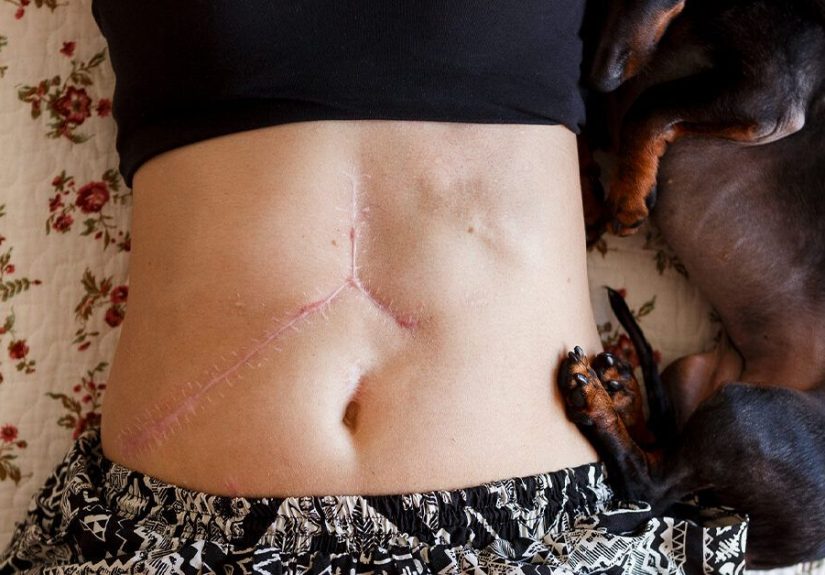
Live donor liver transplant surgery (often called LDLTshort for “living donor liver transplantation”) replaces a failing liver with a portion of liver donated
by a living person. Unlike many organs, the liver has an unusual ability to regenerate. After surgery, the donor’s remaining liver can increase in size and
function, and the transplanted portion in the recipient can grow to meet the body’s needs.
How LDLT differs from a deceased-donor liver transplant
- Timing: LDLT is planned. Deceased-donor transplants depend on organ availability and urgency.
- Organ size: LDLT uses a partial liver. Deceased donation typically provides a whole liver (or a split liver, depending on circumstances).
- Who it helps: LDLT can be especially valuable when waiting is risky, when the “window” for transplant is narrow, or when the local wait is long.
A key point that surprises many people: LDLT isn’t “the easy option.” It can be a lifesaving optionand sometimes the best onebut it is still major surgery
for two different people, with two different recoveries.
Why It Matters: The Wait Can Be the Hardest Part
Liver transplants are often needed for end-stage liver disease (from many causes), sudden liver failure, or certain liver cancers and metabolic/genetic diseases.
When someone needs a transplant, time matters. Not just “calendar time,” but “how long can my body hold out?” time.
People can get removed from the transplant process because they become too sick to safely undergo surgery or because complications stack up while waiting. LDLT
can reduce time spent waitingand that can mean transplanting someone before they become dangerously fragile.
Common situations where LDLT may be considered
- Progressive liver failure: When liver function is steadily declining and waiting could be risky.
- Some liver cancers: Especially when timing affects eligibility for transplant.
- Pediatric cases: Children may receive a smaller portion that fits their body size.
- Regions with longer waits: Availability varies, and local wait dynamics can be very different.
Benefits of Live Donor Liver Transplant Surgery
1) Shorter waiting timeand potentially less “getting sicker while waiting”
The biggest benefit is often the simplest: LDLT can shorten (or sometimes eliminate) the wait for a suitable organ. A planned surgery date can move the
transplant from “we hope” to “we’re preparing.” That planning can be clinically meaningfulnutrition can be optimized, infections treated, and the patient can
enter surgery stronger than they might be after months of decline.
2) A scheduled surgery can mean better logistics and coordination
A planned procedure helps with practical realities: lining up caregivers, preparing time off work, arranging travel and lodging if the center is far away,
and coordinating donor and recipient teams. Medicine is still the priority, but fewer last-minute scrambles can reduce stress and support smoother recovery.
3) Good outcomesoften comparable to deceased-donor transplant
In many settings, living donor liver transplants have outcomes that are similar to (and in some reports, as good as or better than) deceased-donor transplants.
Outcomes depend on many factors: the recipient’s condition, the center’s experience, the surgical plan, and post-transplant care. But LDLT is not “second-best.”
It’s a well-established approach that can work very well for carefully selected donor-recipient pairs.
4) System-wide impact: one living donation can help more than one person
When someone receives a living donor liver transplant, it can reduce pressure on the deceased-donor waitlist. In the big picture, that can help other patients
waiting for organs too. It’s not the reason anyone should donatebut it is a real downstream benefit.
5) Emotional and relational benefits (when expectations are realistic)
Many donors and recipients describe a powerful sense of meaning: the recipient gets time they might not otherwise have, and the donor gets the rare experience
of seeing the impact of their decision in real time. That said, relationships are complicated. Most transplant teams take psychosocial screening seriously for a
reasonhealthy boundaries and clear expectations protect everyone involved.
Risks of Live Donor Liver Transplant Surgery
Here’s the truth that transplant teams will tell you early: the recipient needs the transplant to live longer and better. The donor does not medically “need”
surgery at all. That’s why donor safety, informed consent, and the ability to stop the process at any time are treated as non-negotiable.
Donor risks: what can happen to the person giving part of their liver
Donation is major abdominal surgery. Risks vary by anatomy, how much liver is donated, overall health, and surgical complexity. Potential risks include:
- Short-term surgical complications: infection, bleeding, hernia, bile leak, blood clots, and complications related to anesthesia.
- Liver-related complications: temporary liver dysfunction, and in rare cases, severe liver failure requiring intensive treatment.
- Need for additional procedures: some complications require interventions or further surgery.
- Death (rare but real): the risk is low, but not zero.
Different sources report different risk estimates and complication rates because definitions and reporting vary. That’s why a center’s donor education process
should include center-specific outcomes and what those numbers mean in plain English.
Donor risks aren’t only physical
Donors can face emotional stress, changes in family dynamics, anxiety during evaluation, and sometimes financial strain from time off work or travel.
Many programs offer social work support and follow-up, and donors are typically assigned an advocate whose job is to protect the donor’s interests.
Recipient risks: what can happen to the person receiving the liver portion
Liver transplant surgery is complex. After transplant, the recipient must take immune-suppressing medication to reduce rejection risk. That tradeoff can
increase infection risk and bring medication side effects. Risks include:
- Early surgical complications: bleeding, infection, bile duct complications, and vascular issues.
- Rejection: the immune system can attack the transplanted liver; medications lower the risk but don’t erase it.
- Infections: immunosuppression increases susceptibility, especially early after transplant.
- Medication effects: immune-suppressing drugs can affect blood pressure, kidneys, blood sugar, lipids, and moremonitoring is routine.
- Recurrence of disease: some underlying liver diseases can recur, depending on the cause.
None of this is meant to scare anyoneit’s meant to make the decision informed. A transplant is high-stakes medicine, but it’s also something many people
come through successfully with good long-term quality of life.
How Donor and Recipient Matching Works
Matching isn’t just “same blood type” and done. A transplant team looks at medical compatibility, anatomy, and safety margins. A donor evaluation typically
includes blood tests, imaging of the liver and blood vessels, heart and lung screening when appropriate, and a thorough psychosocial evaluation.
Common donor eligibility themes
- Adult donor: programs generally require donors to be adults able to give informed consent.
- Good overall health: no uncontrolled major medical conditions.
- Liver health: imaging and lab work must show a liver that can safely donate a portion.
- Body size considerations: the donated portion must be appropriate for the recipient’s needs.
- Psychosocial readiness: support systems, mental health stability, and freedom from pressure or coercion.
The donor’s “escape hatch” is a feature, not a bug
One of the most important ethical protections in living donation is that the donor can stop the process at any point. Programs build in privacy protections so
a donor can step away without being forced to “explain” personal medical details to the recipient or family.
What Surgery and Recovery Commonly Look Like
Donor hospital stay and early recovery
Donors typically stay in the hospital for several days after surgery. During that time, the team focuses on pain control, early mobility, liver function labs,
nutrition, and watching for complications. Once home, the recovery continuesfatigue is common, appetite can be off for a while, and activity is increased in
stages. Many donors return to desk-type work in the neighborhood of several weeks, while heavy physical jobs may require longer restrictions.
Recipient hospital stay and early recovery
Recipients often have a longer and more medically complex hospital course. Early recovery may involve time in intensive monitoring, frequent labs, medication
adjustments, and careful tracking of bile flow, blood flow, and liver function. After discharge, follow-up visits are frequent at first, then gradually space out.
Rehab is part of the prescription
Recovery isn’t just “incisions heal.” For donors, it’s rebuilding stamina and returning to normal life safely. For recipients, it’s learning a new routine:
medications on schedule, infection precautions, nutrition goals, and communication with the transplant team.
Outlook: What the Future Can Look Like After LDLT
The outlook after a live donor liver transplant depends on the recipient’s diagnosis, how sick they were at transplant, surgical factors, and how well
post-transplant care goes. Many recipients go on to live for years with good function, returning to work, family life, and the normal chaos of everyday plans.
Liver growth and adaptation
The liver’s ability to regenerate is a major reason LDLT is possible. In general terms, both donor and recipient liver tissue can increase in size and function
over the weeks and months after surgery. Follow-up labs and imaging help confirm that recovery is progressing the way it should.
Long-term follow-up is not optional
For recipients, long-term success usually means long-term partnership with a transplant team. Immunosuppressive therapy needs monitoring, infections need fast
attention, and routine screening helps catch issues early. For donors, follow-up visits help confirm liver health and recovery, and give space to address any
lingering physical or emotional impacts.
How to think about “success”
A good outcome isn’t only survival. It’s also quality of life: fewer hospitalizations, stable energy and nutrition, ability to participate in daily activities,
and mental well-being. Many people do reach that pointbut the road there is a marathon, not a sprint.
Smart Questions to Ask a Transplant Center
If LDLT is on the table, these questions can help you get clarity without drowning in jargon:
- For recipients: “How does LDLT change my expected wait time and my risks while waiting?”
- For donors: “What complications do you see most often here, and how are they treated?”
- For both: “What does follow-up look like in the first 3 months, 1 year, and beyond?”
- For donors: “Who is my donor advocate, and how do I contact them privately?”
- For logistics: “What costs are typically covered, and what costs might not be?”
A good transplant team won’t rush these conversations. If you feel rushed, that’s dataand you’re allowed to treat it like data.
Experiences: What Donors and Recipients Commonly Report (The Real-Life Version)
The medical facts matter, but so does the lived experiencewhat people often say it felt like before, during, and after a live donor liver transplant. These
experiences vary widely, but a few themes show up again and again.
1) The evaluation phase feels like a full-time side quest
Donors often describe the evaluation as thorough to the point of “wow, you really meant thorough.” There are blood tests, imaging appointments, questionnaires,
and multiple conversations with different specialists. Many donors say the emotional part is surprisingly intense: you’re healthy, but you’re being evaluated
like you’re about to run a high-stakes endurance eventbecause you are.
Recipients, on the other hand, often describe the evaluation period as a mixture of hope and guilt. Hope, because a real path opens up. Guilt, because someone
else might undergo surgery for them. Good transplant programs normalize these feelings and encourage honest conversationssometimes with counselors or social
workersbecause feelings don’t disappear just because lab numbers look good.
2) The days right after surgery are a blur of small wins
People tend to remember the early recovery in milestones that sound simple, but feel huge: the first walk down the hallway, the first real shower, the first
meal that tastes like food again, the first time laughing doesn’t feel like your abdomen is filing a formal complaint.
Donors commonly report fatigue that lingers longer than expected. Even when pain improves, energy can take time to return. Many donors say the best advice they
got was: “Plan to rest more than you think you’ll need.” Recipients often describe a different kind of exhaustionpart healing, part medication adjustment, part
the emotional comedown after months (or years) of being sick and then suddenly having a new chance at stability.
3) Food and appetite can be weird for a while
After major abdominal surgery, appetite can be unpredictable. Donors sometimes say they felt full quickly or had cravings that made no sense. Recipients often
have nutrition goals that feel strangely specificprotein targets, food safety rules, hydration goalsespecially early on. Over time, many people settle into
a routine that supports healing without making every meal feel like a chemistry exam.
4) Emotions can swingsometimes in the same hour
Gratitude and stress can coexist. Donors may feel proud, anxious, relieved, or unexpectedly emotional when they see the recipient improving. Some donors also
report moments of “What did I just do?” in the early recovery phaseespecially if pain, sleep disruption, or limited mobility hits harder than expected.
That doesn’t mean donation was a mistake; it means you’re human with a nervous system that has been through major surgery.
Recipients often describe a mix of joy and vigilance. They may feel better physically, but also feel nervous about rejection, infections, or doing something
“wrong” with medications. Many recipients say the biggest turning point was confidencelearning the medication routine, recognizing when to call the team, and
realizing they could plan a future again without feeling like they were tempting fate.
5) The relationship story is uniqueand boundaries help
When the donor and recipient know each other, the relationship can deepen, but it can also get complicated. Some pairs describe feeling closer than ever.
Others say they needed time and space to return to “normal,” especially if family dynamics or expectations got tangled. Many transplant teams encourage donors
and recipients to talk about boundaries early: What kind of updates does the donor want? How will gratitude be expressed without turning into pressure? What
happens if recovery is rockier than expected?
6) Months later, life starts to look like life again
Donors often describe a gradual return to normal routineswork, exercise, social lifewhile keeping a new awareness of their health. Recipients often describe
a longer runway: frequent follow-ups early on, medication fine-tuning, and slowly rebuilding strength. Many recipients say the most emotional moment came later,
not right after surgerylike the first time they climbed stairs without stopping, traveled without packing a pharmacy, or realized they hadn’t thought about
their liver all day.
The big takeaway from these shared experiences is simple: LDLT can be life-changing in the best way, but it isn’t “instant.” Recovery is a process, support
systems matter, and honest expectations protect both donor and recipient.
Conclusion
Live donor liver transplant surgery can be a powerful option: it may shorten waiting time, allow transplant at a safer moment, and deliver strong outcomes for
carefully selected recipients. But it’s also a serious decision because it involves two surgeries and two recoveriesespecially for the donor, who is taking a
real risk without a medical need for surgery.
The best next stepwhether you’re a potential donor, a recipient, or a family memberis a conversation with a transplant center that does LDLT regularly.
Ask the hard questions. Request center-specific outcomes. Make sure the donor has independent support and a clear right to step away. When the process is done
carefully, LDLT can offer something priceless: time, health, and a future with more ordinary days (which, honestly, are underrated).






 Close
Close