
Table of Contents >> Show >> Hide
- Why mammograms can feel uncomfortable (and why the squeeze matters)
- What mammogram pain feels like in real life
- Step-by-step: what happens during a screening mammogram
- What to expect after a mammogram
- How to reduce mammogram pain (before, during, and after)
- The “what if they call me back?” worry (and why it’s common)
- Special situations that can change comfort or follow-up
- Quick FAQ
- Experiences: what mammogram pain is really like (and what people say helps)
- Conclusion
Let’s address the elephant in the imaging room: yes, a mammogram can be uncomfortable. Sometimes it’s a quick
“oof,” sometimes it’s more of a “who designed this medieval sandwich press?” moment. But most people find it’s
over fast, the soreness is short-lived, and the peace of mind is worth it.
This guide walks you through what mammogram pain usually feels like, why compression matters, what’s normal after
the exam, and how to make the whole thing easierwithout pretending it’s all sunshine and perfectly painless
plastic plates.
Why mammograms can feel uncomfortable (and why the squeeze matters)
A mammogram is a low-dose X-ray of the breast. To get a clear image, your breast is positioned on a plate and
gently-but-firmly compressed by another plate for a few seconds while images are taken. That compression isn’t a
prank. It helps:
- Spread out breast tissue so small abnormalities are easier to see.
- Reduce motion blur (even tiny movement can smudge an X-ray image).
- Lower the amount of radiation needed by making the breast thinner for imaging.
In other words: compression improves image quality. Better images mean fewer “we need to repeat that” moments and
fewer unnecessary callbacks for unclear views.
What mammogram pain feels like in real life
Most people describe mammogram discomfort as pressure and tightness rather than
sharp pain. Think: a strong squeeze that builds for a few seconds, then stops. The most intense part typically
lasts only long enough to take each image.
Common descriptions you might hear (or say)
- “A firm pinch and pressure.”
- “Like my breast is being flattened… which is literally what’s happening.”
- “Uncomfortable, not unbearable.”
- “It stung for a few seconds, then it was done.”
Why some people hurt more than others
Mammogram pain varies a lot. Two people can have the same machine, the same technologist, and wildly different
experiences. Factors that can make compression feel more intense include:
- Breast tenderness from hormonal changes (often worse right before your period).
- Dense breast tissue (not “better” or “worse,” just different tissue composition).
- Very small breasts (positioning can be trickier, which can feel more pinchy).
- Very large breasts (more tissue to position can mean more adjustments).
- Recent breast surgery, scars, cysts, or inflammation (more sensitive areas).
- Breast implants (extra views may be needed, and comfort can vary).
- Anxiety (tension makes everything feel sharperyes, including compression).
The good news: you’re not “being dramatic” if it hurts. And you’re not “weird” if it barely bothers you. Both are
normal.
Step-by-step: what happens during a screening mammogram
Knowing what’s coming can reduce the stress spike that makes your shoulders climb into your ears.
Here’s the usual flow:
1) Check-in and quick questions
You may be asked about symptoms (lumps, nipple discharge, pain), prior breast procedures, family history, and
whether you might be pregnant. If you’ve had mammograms elsewhere, bringing prior images can help the radiologist
compare changes over time.
2) Changing and prep
You’ll undress from the waist up and wear a gown. You’ll typically be asked not to wear deodorant, powder, lotion,
or perfume on the breast/underarm area that day because some products can show up on images and look suspicious.
3) Positioning and compression (the main event)
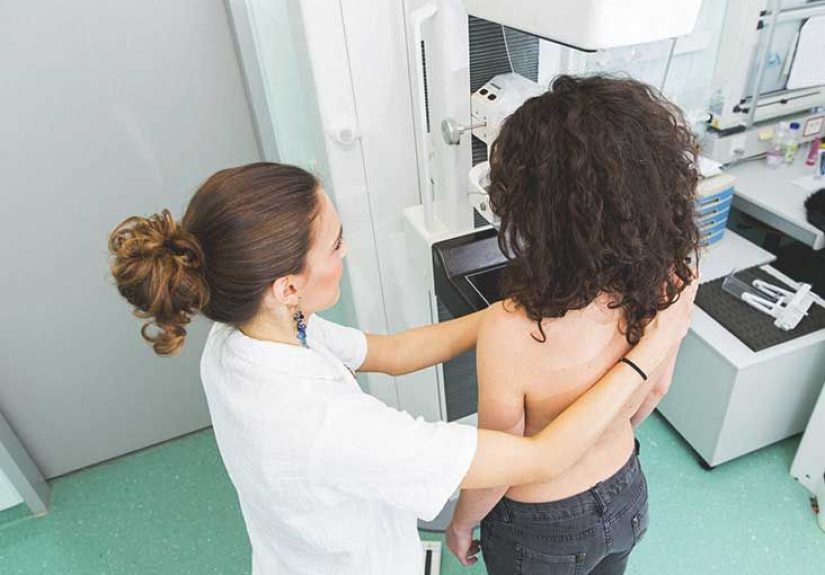
A technologist positions one breast at a time. The breast is placed on the plate; the top plate lowers to compress
tissue for a clear image. You may be asked to hold your breath briefly. A standard screening exam usually includes
multiple views (often two per breast). The overall appointment often takes around 20 minutes, but the actual
compression for each image is brief.
4) 2D vs 3D (tomosynthesis)
A 3D mammogram (digital breast tomosynthesis) feels very similar to 2D from the patient perspective. The machine
may move in a small arc as it captures images. Comfort is usually comparableyour experience depends more on
tenderness, positioning, and compression than on whether it’s 2D or 3D.
What to expect after a mammogram
Most people feel immediate relief when the compression stops. Afterward, it’s common to notice:
mild soreness, tenderness, or a bruised feeling, especially if
your breasts were already sensitive.
How long does soreness last?
Many people feel fine within a few hours. Others feel tender into the next day. Occasionally, soreness can linger
longerparticularly if you’re prone to breast tenderness or had a lot of positioning adjustments. Mild redness
from pressure usually fades quickly.
Is it normal to have pain days later?
A little lingering ache can happen, but severe or worsening pain isn’t something you should “just tough out.”
If you’re still hurting several days later, or if pain keeps escalating, it’s worth contacting your healthcare
providerespecially if you also notice swelling, significant bruising, warmth, fever, or a new lump.
Can a mammogram cause injury?
Serious complications are uncommon, but bruising can occur. If you have implants, tell the facility when you
schedule so they can plan the appropriate technique and views. If anything feels sharply wrong during the exam,
speak up immediatelytechnologists can often adjust positioning or compression.
How to reduce mammogram pain (before, during, and after)
You can’t control everything, but you can stack the odds in your favor. Here are practical, commonly recommended
strategies that tend to help:
Before your appointment
-
Schedule when your breasts are least tender. If you menstruate, many people do best in the
week after their period rather than the week before. -
Ask about an over-the-counter pain reliever. Some clinics suggest taking acetaminophen or an
NSAID about an hour beforeif it’s safe for you. (If you have ulcers, kidney disease, take blood thinners, or
have other medical considerations, check first.) -
Consider cutting back on caffeine for a day or two if you notice caffeine makes your breasts
more tender. - Wear a comfortable two-piece outfit so changing is easier and faster.
During the exam
-
Tell the technologist what you need. “I’m nervous,” “My left side is more sensitive,” or “I’ve
had surgery here” is useful information. -
Speak up if it’s painful. There’s a difference between “intense pressure” and “sharp pain.” If
it’s sharp, burning, or feels wrong, say so immediately. -
Relax your shoulders and jaw. It sounds silly, but tension can amplify discomfort.
Slow exhale = less bracing. -
Ask for small adjustments. Tiny changes in posture, arm position, or breast placement can make
a noticeable comfort difference.
After the exam
- Use a cold pack (wrapped in cloth) for 10–15 minutes if you feel sore.
- Wear a supportive, soft bra if bouncing makes tenderness worse.
-
Gentle movement helpsa normal walk and regular activity often feels better than stiffly
guarding your chest all day. -
Follow your clinician’s guidance if you want to take pain relief afterwardespecially if you
have medical conditions or take other medications.
The “what if they call me back?” worry (and why it’s common)
The anxiety after a mammogram isn’t always physical. Sometimes it’s mental: “What if they found something?”
Here’s a comforting truth: being called back is fairly common, and most callbacks do not end up
being cancer.
Callbacks happen for practical reasons: the image wasn’t perfectly clear, tissue overlapped in a confusing way,
or the radiologist wants a closer look at an area. Follow-up may include a diagnostic mammogram (more targeted
views), an ultrasound, and occasionally other tests. The goal is clarity, not panic.
False positives: stressful, but part of screening
A “false positive” means something looked suspicious on the mammogram, but additional testing showed it wasn’t
cancer. False positives can be emotionally draining (and sometimes expensive), but they’re a known tradeoff of a
test designed to catch cancer early. If you’ve had a false positive before, it’s normal to feel extra tense; it
may help to talk through a plan with your clinician for handling future callbacks calmly.
Special situations that can change comfort or follow-up
Breast implants
Tell the facility when you schedule. Imaging is still possible, but extra views may be needed. Comfort varies,
and positioning can feel different. The right technique and an experienced team matter.
Pregnancy or breastfeeding
If you might be pregnant, tell your provider and the imaging team. Screening decisions may change depending on
risk and symptoms. Breastfeeding can increase breast density and tenderness, which may affect comfort and
interpretationyour clinician can guide timing based on your situation.
Dense breasts and the “dense/not dense” note
Dense breast tissue is common and can make mammograms harder to interpret because both dense tissue and many
abnormalities appear white on X-ray. In the U.S., mammography facilities now provide breast density information in
patient-facing summaries. If you’re told you have dense breasts, ask your clinician what that means for you and
whether additional screening makes sense based on your risk factors.
Quick FAQ
Can I drive myself home afterward?
Yes. A mammogram doesn’t involve sedation. If you feel sore, you might prefer a comfortable seatbelt position or
a small soft cloth as a buffer, but most people resume normal activities right away.
Should I avoid exercise after a mammogram?
Usually no. If you’re tender, you might skip high-impact chest movement for the rest of the day, but light
activity is typically fine.
Is breast pain a sign of breast cancer?
Breast pain is common and has many causes. Persistent or concerning symptoms should be checked out, but pain alone
is rarely the only sign of cancer. If you notice a lump, nipple discharge, skin changes, or ongoing pain, contact
your clinician.
Experiences: what mammogram pain is really like (and what people say helps)
The most helpful “mammogram pain” stories are the honest ones: not horror-movie dramatic, not sugarcoated, just
real. Below are composite experiences that reflect what many patients commonly reportso you can recognize your
own feelings without thinking you’re the only one reacting this way.
Experience #1: “The anticipation was worse than the squeeze.”
A lot of people walk in bracing for agony, and that adrenaline can make the first compression feel sharper. Then
they realize each image lasts only a few seconds. The pattern becomes: position, squeeze, quick breath hold,
release. Many describe a moment of surprise“Oh, that’s it?”followed by relief that the scariest part was
uncertainty. What helps most here is a technologist who narrates the steps (“You’ll feel pressure for 10 seconds”)
and a patient who tries to exhale instead of holding their whole body rigid.
Experience #2: “I scheduled at the wrong time in my cycle and regretted it.”
People who get noticeable breast tenderness before their period often report that a pre-period mammogram feels
more intenseless “pressure” and more “yikes.” Some say it’s like pressing on a bruise. The ones who switch to the
week after their period frequently notice a difference the next time: not magically painless, but more tolerable.
The takeaway many share is simple: if you have the flexibility, timing can matter more than any other trick.
Experience #3: “Small adjustments made a big difference.”
Patients often assume the technologist has one fixed way to position the breast and that discomfort is inevitable.
But many report that tiny changesmoving the arm slightly, shifting the shoulder down, re-centering the breast on
the platereduce the pinchy feeling near the armpit or the pulling sensation along the chest wall. People who
speak up (“That side really hurts,” “That spot feels pinched”) often find the technologist can adjust without
compromising image quality. The “lesson learned” here is that communication isn’t complaining; it’s teamwork.
Experience #4: “Afterward I felt sore, like I did a chest workout I didn’t sign up for.”
A common post-mammogram report is mild tenderness or a heavy feeling that lasts the rest of the day. Some people
barely notice it; others feel it when going downstairs, hugging someone, or taking off a bra. Many describe it as
similar to “deep pressure soreness” rather than sharp pain. Those who felt more tender often say a cold pack for
10–15 minutes and a soft supportive bra helped. A few people prefer a warm shower later that dayespecially if
they carried tension in their shoulders during the exam.
Experience #5: “The callback freaked me out… and then it was nothing.”
This is so common it deserves its own emotional support badge. People describe getting a voicemail like “We’d like
you to come back for additional images,” then immediately jumping to worst-case scenarios. Later they learn the
reason was simple: overlapping tissue, a blurry view, or the radiologist wanting one more angle. Many say that
once they understood callbacks are part of careful screening, the fear softened. The best “coping strategy” people
mention is having a plan before results arrive: if you get a callback, write down questions, ask what the next
test is, and remember that more pictures usually mean “we want clarity,” not “we found cancer.”
Experience #6: “It hurtand I still went back.”
Some patients do experience real pain during compression, especially with tenderness, prior surgery, or very
sensitive tissue. What stands out in these stories is not a macho “power through it,” but a practical approach:
schedule for a less tender week, take clinician-approved pain relief beforehand, communicate early, and request a
slower pace or small breaks between images. People who find mammograms painful often say the second appointment is
less stressful because they know what to expect and can advocate for comfort adjustments from the start.
Conclusion
Mammogram discomfort is real, but it’s usually briefand you have more control than you think. Smart scheduling,
clear communication, and simple comfort strategies can turn a dreaded appointment into a manageable one. If you’re
sore afterward, mild tenderness is common and typically fades quickly. If pain is severe, worsening, or paired with
concerning symptoms, check in with your healthcare provider.
Most importantly, don’t let fear of a few seconds of pressure steal the long-term benefit of screening. A
mammogram is not anyone’s favorite calendar event, but it’s one of the most effective tools we have for finding
breast cancer earlywhen treatment is often simpler and outcomes are better.







 Close
Close