

Table of Contents >> Show >> Hide
- What “Inside Out” Really Means (and Why It Matters)
- Step One: Build a Strong Medical Game Plan
- Step Two: Identify Your Triggers (Without Becoming a Detective Who Never Sleeps)
- Step Three: Use Food as an Inflammation “Volume Knob,” Not a Miracle Switch
- Step Four: Move Your Body (Because Inflammation Hates Consistency)
- Step Five: Stress, Sleep, and the “Flare Loop”
- Step Six: Skin Care That Supports Treatment (Not Fights It)
- Step Seven: Screen for (and Address) the Conditions That Like to Tag Along
- Putting It Together: A Realistic Inside-Out Routine
- When to Call Your Clinician (Not Just Tough It Out)
- Inside-Out Experiences: What People Often Learn (500-ish Words of Real-Life Perspective)
- Conclusion
Psoriasis is the kind of uninvited guest that doesn’t just sit on your couchit rearranges the furniture, critiques your throw pillows, and then asks if you have snacks. If you live with psoriasis, you already know it’s not “just a skin thing.” It’s an immune-driven, whole-body inflammatory condition that happens to show up on the skin like it’s trying to make a point in bold font.
This “inside-out” approach is about treating the surface and addressing what’s happening underneath: inflammation, triggers, sleep, stress, weight, movement, and the health issues that can travel with psoriasis as an unwanted plus-one. You’ll still want a dermatologist in your corner (more on that soon), but you’ll also build daily habits that make flares less frequent, symptoms more manageable, and life a lot more… livable.
What “Inside Out” Really Means (and Why It Matters)
Psoriasis happens when the immune system becomes overactive and speeds up skin cell turnover. Instead of skin cells shedding gradually, they pile up, forming thick, scaly plaques. That visible plaque is the headlinebut the story often includes systemic inflammation that can affect joints, mood, metabolism, and cardiovascular health.
Psoriasis is a whole-body condition with a skin announcement
Many people with psoriasis also deal with related issues like:
- Psoriatic arthritis (joint pain, stiffness, swelling)
- Cardiovascular risk factors (higher rates of hypertension, diabetes, and metabolic syndrome)
- Weight challenges that can worsen inflammation and treatment response
- Mood and sleep disruption (stress, anxiety, depression, poor sleep quality)
Inside-out management doesn’t mean “ignore the skin.” It means you treat the skin and reduce the internal conditions that make flares more likely and harder to control.
Step One: Build a Strong Medical Game Plan
If psoriasis is a team sport (it is), your dermatologist is your coach. Treatments are chosen based on severity, location (scalp? nails? genitals?), your lifestyle, and whether you have joint symptoms or other health concerns.
The main treatment lanes (and when they’re used)
- Topicals: corticosteroids, vitamin D analogs, retinoids, calcineurin inhibitors (often for sensitive areas), keratolytics like salicylic acid for scale, and moisturizers to support the skin barrier.
- Phototherapy: controlled ultraviolet light treatments (commonly narrowband UVB; sometimes PUVA) under medical guidance.
- Systemic non-biologic meds: oral or injectable medications that treat inflammation throughout the body (used for moderate-to-severe psoriasis or when topicals aren’t enough).
- Biologics: targeted therapies that block specific immune pathways (often used for moderate-to-severe psoriasis and/or psoriatic arthritis).
Combination therapy is commonthink: topical support + systemic therapy, or medication + phototherapy. The goal is to reduce inflammation, clear skin, ease itch, prevent progression, and improve quality of life.
Don’t ignore joint symptoms
If you have morning stiffness, swollen fingers or toes, heel pain, or aches that feel “deep,” mention it. Psoriatic arthritis can start subtly, and early treatment can help protect joints.
Step Two: Identify Your Triggers (Without Becoming a Detective Who Never Sleeps)
Triggers don’t cause psoriasis by themselves, but they can provoke flares. The trick is to spot patterns without blaming yourself every time your skin has a meltdown. (Your immune system is already doing the most.)
Common triggers people report
- Stress (the classic villain)
- Skin injury (scratches, sunburn, frictionthis is called the Koebner phenomenon)
- Infections (especially strep throat for some people)
- Smoking and heavy alcohol use
- Certain medications (your clinician can review these with you)
- Sleep disruption (often tied to stress and itching)
A simple flare tracker that won’t take over your life
Try a weekly check-in note (30 seconds, tops):
- Skin status (better/same/worse)
- Stress level (1–10)
- Sleep (hours + quality)
- Any infection/illness?
- New foods, alcohol, smoking, or meds changes?
- Exercise/movement (yes/no)
After a month, patterns often show themselvesno trench coat required.
Step Three: Use Food as an Inflammation “Volume Knob,” Not a Miracle Switch
Let’s set expectations: there is no single “psoriasis diet” that works for everyone, and anyone promising a magical cleanse is selling something (usually a cleanse). But food choices can influence inflammation, weight, cardiovascular risk, and gut healthareas that matter for psoriasis.
What the best evidence generally supports
- Maintain a healthy weight if weight loss is appropriate for youmodest weight loss can improve overall health and may help treatment work better for some people.
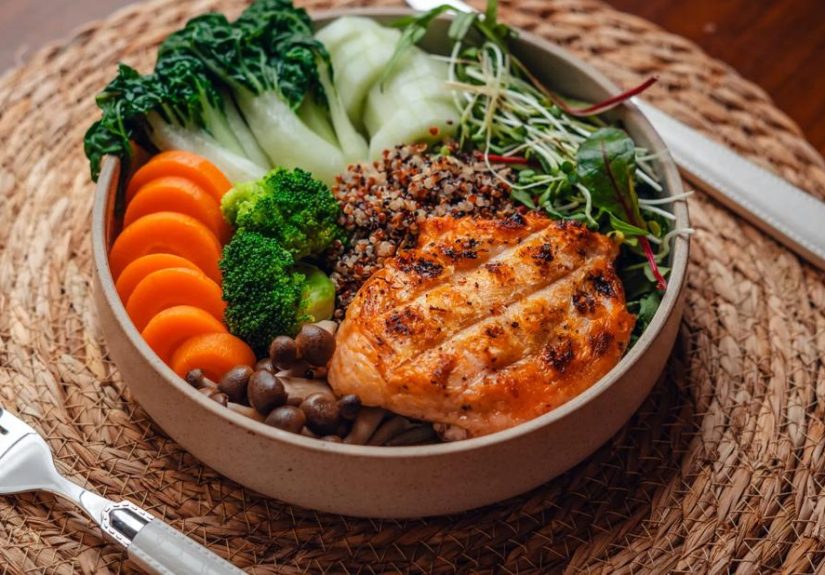
- Mediterranean-style eating: more vegetables, fruits, beans, whole grains, fish, nuts, and olive oil; fewer ultra-processed foods and sugary drinks.
- Limit alcohol and avoid smokingboth are linked to worse outcomes and higher overall health risks.
Practical “inside-out” food moves
- Build plates around plants: Aim for half your plate vegetables most meals.
- Choose anti-inflammatory fats: Olive oil, nuts, avocado, and fatty fish.
- Upgrade carbs: Whole grains over refined grains most of the time.
- Reduce ultra-processed foods: Not because they’re “bad,” but because they often worsen inflammation and make weight management harder.
What about supplements?
People understandably try supplements. The evidence is mixed, and quality varies widely. If you want to try something like omega-3s (fish oil) or vitamin D, do it with your clinicianespecially if you take other medications or have health conditions. In many cases, it’s better to focus on food patterns, sleep, and treatment consistency first.
Step Four: Move Your Body (Because Inflammation Hates Consistency)
Exercise won’t “cure” psoriasis, but it can help reduce cardiovascular risk, improve mood, support sleep, and aid weight management. And those changes can make psoriasis easier to live with.
What “good movement” looks like
- Start where you are: 10-minute walks count. Truly.
- Aim for consistency: 3–5 days/week of something you’ll repeat.
- Add strength work: Even bodyweight exercises twice a week support metabolic health.
- Respect joints: If you have joint pain, choose low-impact options (cycling, swimming, elliptical) and talk to a clinician about psoriatic arthritis screening.
Pro tip: If sweating irritates plaques, choose breathable fabrics, shower after, and moisturize. Your skin deserves a post-workout cool-down too.
Step Five: Stress, Sleep, and the “Flare Loop”
Psoriasis can increase stress. Stress can worsen psoriasis. Then itch disrupts sleep, and poor sleep raises stress. Congratulations: you’ve discovered the flare loop, a cycle nobody asked for.
Stress skills that actually fit real life
- Micro-resets: 60 seconds of slow breathing before meetings, after school pickup, or between tasks.
- Mindfulness (short and non-mystical): A guided 5–10 minute practice can help some people manage stress and improve quality of life.
- Therapy or support groups: If psoriasis affects confidence, relationships, or mood, support is treatment too.
Sleep strategies for itchy nights
- Keep the room cool (heat can worsen itch)
- Moisturize and use prescribed topicals consistently
- Simple wind-down routine: dim lights, no doomscrolling, same bedtime when possible
- Talk to your clinician if itch is severeitch control is a legitimate medical goal
Step Six: Skin Care That Supports Treatment (Not Fights It)
Think of skin care as the quiet assistant that makes everything else work better. It won’t replace medication, but it can reduce irritation, improve comfort, and help treatments penetrate properly.
Inside-out skin basics
- Moisturize daily, especially after bathing
- Gentle cleansers (fragrance-free if you’re sensitive)
- Short, warm showers instead of long, hot ones
- Scale management with clinician-approved keratolytics when needed
- Sun safety: Some sunlight can help some people, but sunburn can trigger flaresso this is not a “tan your way to health” situation
Step Seven: Screen for (and Address) the Conditions That Like to Tag Along
Because psoriasis is linked with systemic inflammation, many professional groups encourage paying attention to cardiovascular risk factors and other comorbidities. This doesn’t mean “something is wrong with you.” It means you get to be proactive.
Health check-ins to ask about
- Blood pressure
- Cholesterol
- Blood sugar / diabetes screening
- Weight and waist circumference trends
- Joint symptoms (psoriatic arthritis)
- Mood and stress
Even small changeslike quitting smoking, improving diet quality, and moving morecan have outsized benefits when inflammation is part of the picture.
Putting It Together: A Realistic Inside-Out Routine
Here’s what “inside-out” can look like in the real worldcustomize it to your life and treatment plan:
Morning (5–10 minutes)
- Moisturize + any prescribed topical medication
- Quick check: “How’s my stress and sleep today?”
- Protein + fiber at breakfast (helps energy and cravings)
Midday (2–15 minutes)
- 10-minute walk or stretch break
- Hydrate, especially if indoor air is dry
- Lunch: add vegetables and swap one processed item for a whole-food option
Evening (10–20 minutes)
- Gentle shower, moisturize, topicals as directed
- Wind-down ritual: reading, music, breathing, or a short guided meditation
- Set up tomorrow’s “easy wins” (walking shoes by the door, lunch prepped, meds visible)
Consistency beats intensity. A plan you can keep 70% of the time is better than a “perfect” plan you abandon by Wednesday.
When to Call Your Clinician (Not Just Tough It Out)
- New or worsening joint pain, stiffness, or swelling
- Rapidly worsening skin, severe itch, or pain
- Signs of infection around plaques
- Treatment side effects or concerns
- Persistent low mood, high stress, or sleep problems affecting daily life
Psoriasis management should reduce sufferingnot demand that you silently absorb it.
Inside-Out Experiences: What People Often Learn (500-ish Words of Real-Life Perspective)
Note: The experiences below are composite examples based on common themes reported by people living with psoriasis and the kinds of challenges clinicians discussshared here to make the strategies feel more human and less like a checklist from a robot who never itches.
1) “I thought flares were randomuntil I tracked sleep.” One common pattern people notice is that flares feel mysterious until they start watching the basics: sleep, stress, and routine changes. A person might realize their worst weeks happen after several nights of poor sleepoften tied to work deadlines, travel, or a stressful family season. The “inside-out” breakthrough isn’t blaming sleep; it’s recognizing that a calmer nervous system and better rest can lower the intensity of the flare loop. People often say the first win wasn’t clearer skinit was fewer nights lying awake, scratching and spiraling.
2) “Moisturizer seemed too simple… until it wasn’t.” Lots of people underestimate skin barrier care because it sounds like something you’d hear in a skincare commercial. But a surprisingly common experience is that daily moisturizingespecially right after bathingmakes prescribed treatments work better and reduces discomfort. It’s not glamorous, but it’s reliable. People describe it as “turning down the sandpaper feeling,” which makes them less likely to scratch, which then helps prevent irritation that can worsen plaques. The inside-out lesson: small external habits reduce internal stress signals.
3) “Food wasn’t a magic fix, but it helped me feel less inflamed.” Another frequent theme: people try extreme diets, burn out, and then find a middle path. Instead of banning entire food groups forever, they focus on adding more plants, swapping sugary drinks for water, and choosing fatty fish or olive oil more often. Some notice that alcohol is a personal flare amplifiermaybe not always, but often enough to matter. The best “food wins” tend to look boring on paper and powerful in practice: steadier energy, easier weight management, and fewer “everything feels inflamed” days. It’s less “miracle diet,” more “my body is calmer.”
4) “Treatment wasn’t failure. It was iteration.” People also talk about the emotional roller coaster of treatments: something works, then stops working; something helps the body but not the scalp; something clears skin but causes side effects. Inside-out management reframes this as normal clinical problem-solving. Many people feel relief when they stop viewing treatment changes as personal failures and start viewing them as adjustmentslike updating a navigation app when traffic changes. The practical takeaway: stay in communication with your clinician, don’t “white-knuckle” side effects, and keep the long view.
5) “Support helped as much as medicine.” Finally, one of the most repeated insights is that psoriasis affects identity, confidence, and relationships. People often feel better when they find a support group, a therapist, or even one friend who understands that “canceling plans” might be about pain, fatigue, or embarrassmentnot flakiness. When shame goes down, stress goes down. When stress goes down, flares often become easier to manage. Inside-out isn’t just biologyit’s belonging.
Conclusion
Managing psoriasis from the inside out means treating the skin you see and supporting the body you don’t. A solid medical plan, consistent skin care, trigger awareness, and lifestyle choices that lower inflammation can work togetheroften better than any single strategy alone. You don’t need perfection. You need a plan you can live with, a clinician you trust, and a routine that helps your immune system stop acting like it’s auditioning for a disaster movie.






 Close
Close