
Table of Contents >> Show >> Hide
- Why Countertop Sizing Matters More Than People Think
- Standard Kitchen Countertop Dimensions You Should Know
- Before You Measure, Do These 6 Things First
- How to Measure Kitchen Countertops Step by Step
- Kitchen Island Sizing and Seating Overhang Rules
- Accessibility and Custom Countertop Sizing
- Material-Specific Sizing Notes
- Common Countertop Measuring Mistakes to Avoid
- When to DIY Measure and When to Call a Pro
- Final Thoughts on Kitchen Countertop Sizing
- Real-World Experience and Lessons Learned From Measuring Kitchen Countertops
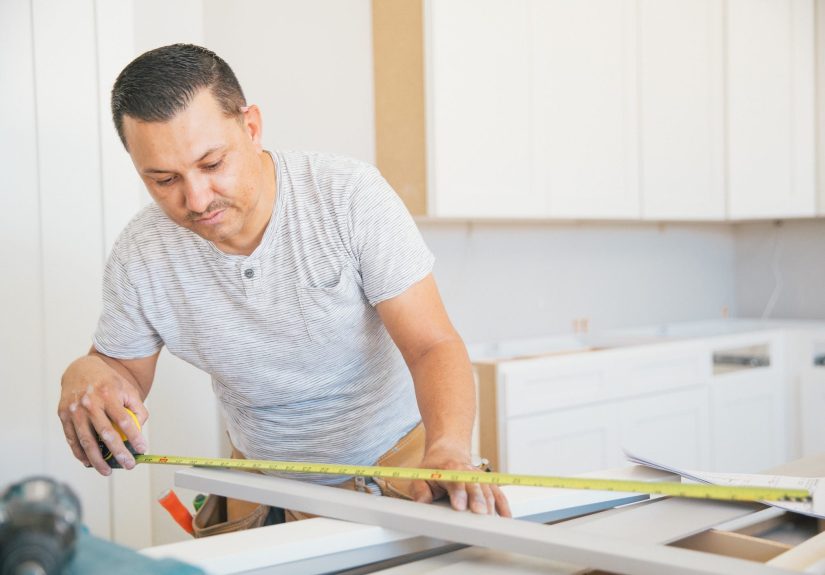
Measuring a kitchen countertop sounds easy until you realize your “simple rectangle” has an L-turn, a sink cutout, a range gap, a peninsula, and one mysteriously wavy wall that clearly lost a fight with time. The good news? You do not need to be a fabricator to measure like a pro. You just need a tape measure, a sketch, a calculator, and a little patience.
This guide walks you through kitchen countertop sizing from the ground up: standard dimensions, overhang rules, island and seating clearances, how to calculate square footage, and how to avoid expensive measuring mistakes. If you are planning laminate, butcher block, quartz, granite, or another surface, the fundamentals are the same: measure accurately, understand standard sizing, and leave room for real-life use.
Why Countertop Sizing Matters More Than People Think
Countertops are not just decorative slabs. They affect how your kitchen feels, how appliances fit, whether doors open properly, and whether people can move around without doing an awkward side-step dance. A countertop that is too shallow can look strange and expose cabinet faces to spills. One that is too deep can eat up precious aisle space and make work zones less comfortable.
Good sizing also protects your budget. Countertops are typically priced by square foot, so a small measuring error can become a surprisingly big invoice. Add in cutouts, edge profiles, seam placement, and backsplash pieces, and your “close enough” estimate suddenly becomes “why is this quote so high?”
Standard Kitchen Countertop Dimensions You Should Know
1) Standard Countertop Height
In most U.S. kitchens, the finished countertop height is about 36 inches from the floor. That standard usually comes from base cabinets around 34.5 inches tall plus the countertop thickness. This height works well for most adults and aligns with standard appliances like freestanding ranges and dishwashers.
That said, “standard” is not “mandatory.” If you are tall, short, or designing for accessibility, you can customize work surfaces. Many designers now mix heights intentionallyfor example, a lower baking zone for kneading dough and a slightly higher prep zone for chopping.
2) Standard Countertop Depth
Standard base cabinets are usually 24 inches deep, and the finished countertop typically ends up around 25 to 26 inches deep once you include the front overhang. Many guides list 25 inches, 25.5 inches, or 26 inches depending on cabinet style and installer preferences. In other words: these numbers are not fighting each otherthey are cousins.
The front overhang is important because it helps protect cabinet faces from crumbs, spills, and drips. It also gives the countertop a finished look instead of stopping flush with the cabinet box like it forgot its shoes.
3) Standard Front Overhang
A typical front overhang is 1 to 1.5 inches. Some installers prefer about 1.25 inches, while others land closer to 1.5 inches depending on cabinet door style, drawer fronts, and how square the room is. The key is consistency across the visible runs.
Side overhangs are different. If a countertop ends against a wall, there is often little or no side overhang. If it ends next to an appliance or on an exposed side panel, the dimension may be smaller than the front or customized to the layout.
4) Countertop Thickness
Thickness depends on material and style. Quartz and stone products commonly come in 2 cm or 3 cm slabs (roughly 3/4 inch or 1 1/4 inches, depending on fabrication style and edge detail). Some product lines and custom systems also use 1 cm options for special applications. IKEA’s custom countertop options, for example, prominently list 3 cm thicknesses, while many pre-cut countertop products are commonly around 1.5 inches thick.
Why it matters: thickness affects finished height, edge profile choices, visual style, and sometimes cost. A thicker look can be created with edge build-ups, so the slab thickness and the visible edge thickness are not always the same thing.
Before You Measure, Do These 6 Things First
1) Gather the Right Tools
- Tape measure (preferably 25 feet)
- Paper and pencil (or graph paper)
- Calculator
- Straightedge or square for checking overhang alignment
- Phone camera (take photos of every wall and corner)
2) Draw a Top-Down Sketch
Do not skip the sketch. Retail measurement guides from major U.S. home improvement stores recommend drawing the countertop layout first and labeling each section. Include walls, corners, sink locations, cooktops, islands, peninsulas, and any unusual features.
3) Mark Walls and Exposed Ends
Your installer or fabricator needs to know which sides touch walls and which sides are exposed. Exposed edges usually need finished edge treatment. Walls are also rarely perfectly straight, so identifying them early helps with realistic expectations.
4) Note Appliances and Fixtures
Mark the sink, cooktop, faucet area, and dishwasher location. Don’t guess cutout sizes from memory. Every sink and cooktop has manufacturer specs, and fabricators usually template these precisely later. Your job at the estimate stage is to mark approximate placement and confirm what type of fixture is going in.
5) Measure in Inches
Use inches for everything. It keeps math simple when you convert to square footage. Measure each section length and depth separately, even if two sections “look the same.” (Famous last words in remodeling.)
6) Take Photos
This is one of the most practical tips in store measure guides. Photos help designers and fabricators spot details you may forget to note, like trim, windowsills, outlets, or uneven walls.
How to Measure Kitchen Countertops Step by Step
Step 1: Break the Layout Into Simple Sections
Measure countertops as a group of rectangles, not one giant shape. If you have an L-shaped kitchen, split it into two rectangles. If you have a peninsula, treat it as its own rectangle. Islands get their own line item too.
This method is cleaner, more accurate, and much easier to price. It also helps you see where seams may be needed later.
Step 2: Measure Length of Each Section
Measure each run from wall to wall (or edge to edge) in inches. Write each number directly on your sketch. If the section ends at an exposed panel, note that. If it meets another section, label the corner clearly.
Pro tip: Measure twice. Walls can bow, and cabinets can be slightly off. If your front and back measurements differ, record both and note the variation.
Step 3: Measure Depth of Each Section
Measure depth from the wall out to the front finished edge. For standard kitchens, many estimate guides use 26 inches as a common planning depth because it includes cabinet depth plus overhang. Custom kitchens may differ, so use the actual target depth if you know it.
If you are measuring a freestanding island, include the intended overhang(s). Some retailers specifically recommend adding a 1.5-inch overhang when estimating custom tops. For seating sides, that overhang can be much deeper.
Step 4: Include Islands, Peninsulas, and Bar Tops
This is where many DIY measurements go wrong. People measure the wall runs, get excited, and forget the island entirely. Then the quote arrives and suddenly the kitchen became a luxury yacht.
Always measure:
- Main perimeter runs
- Islands
- Peninsulas
- Raised bars or lower work surfaces
- Backsplashes (if included in material estimate)
Step 5: Calculate Square Footage
Most countertop estimates start with square footage. Use this formula for each section:
Length (inches) × Depth (inches) ÷ 144 = Square Feet
Then add all section totals together. Many retail guides suggest rounding up to the next whole number for estimating.
Example Calculation
Let’s say your main run is 96 inches long and 26 inches deep:
96 × 26 = 2,496 square inches
2,496 ÷ 144 = 17.33 square feet
If your island is 60 inches by 36 inches:
60 × 36 = 2,160 square inches
2,160 ÷ 144 = 15 square feet
Total estimate: 32.33 square feet (before extras like backsplash pieces, waste, or special cuts)
Step 6: Mark Cutout Locations (But Don’t Finalize Cutout Sizes Yet)
Mark the rough center locations of sinks and cooktops on your sketch. That helps with planning seam placement and work zones. However, final cutout dimensions should come from manufacturer specs and professional templating, not “I think the sink is about this big.”
A good rule: estimate placement yourself, but let the fabricator confirm exact cutouts before production.
Kitchen Island Sizing and Seating Overhang Rules
Island Clearance Around the Kitchen
Leave enough room to move around the island comfortably. General design sources often recommend at least 36 inches around an island for basic navigation. In busy kitchens, wider clearances work better.
For more functional kitchen planning, NKBA-style guidance is more specific:
- At least 36 inches for a walkway
- 42 inches work aisle for one cook
- 48 inches work aisle for multiple cooks
These dimensions are especially important if oven doors, dishwashers, or refrigerator doors open into the aisle.
Seating Overhang Depth
Seating changes the countertop sizing equation because people need knee room. A small overhang that looks fine for standing prep will feel awkward for stools.
A practical range many homeowners use for casual seating is around 8 to 12 inches, but the right depth depends on counter height and how comfortable you want it to feel. NKBA guidance is more height-specific:
- 12 inches knee space for a 30-inch-high table/counter surface
- 15 inches knee space for a 36-inch counter-height surface
- 18 inches knee space for a 42-inch bar-height surface
If you extend the overhang significantly, add proper support (brackets, corbels, or legs/posts) based on your material and fabricator recommendations. Stone and quartz are beautiful, but they do not enjoy surprise gymnastics.
Seating Width Per Person
Don’t just size the overhangsize the seating width too. A common planning rule is about 24 inches per seat (sometimes more for comfort). Three stools on a tiny island may look great in a catalog photo, but in real life, elbows start a war.
Accessibility and Custom Countertop Sizing
If you are planning an accessible kitchen, countertop sizing may need to differ from standard dimensions. ADA-based guidance for accessible work surfaces commonly uses a maximum height of 34 inches for the work surface, along with required clear floor space and knee/toe clearance below for forward approach.
Practical accessibility planning often includes:
- Lowered prep area (up to 34 inches high)
- Open knee space under a section of counter
- Thoughtful sink placement and shallow sink choices
- Easy-reach storage and appliance controls
Even if you are not designing to full ADA criteria, these ideas are excellent for aging-in-place kitchens or multi-generational homes.
Material-Specific Sizing Notes
Quartz and Stone
Quartz and other stone surfaces are often sold in standard slab thicknesses like 2 cm and 3 cm. Your installer will determine seam placement and support requirements based on slab size, veining direction, and overhang depth. Always ask whether your desired edge profile changes the finished height or cost.
Laminate
Laminate countertop systems often follow standard cabinet depths and overhang conventions, but they can be more forgiving for budget projects. Some laminate installation guides call out typical overhang targets of roughly 3/4 inch to 1 inch depending on the product and setup, so check the specific product instructionsnot just a general internet number.
Butcher Block and Wood Tops
Precut wood countertop products are frequently sold in standard depths, such as 25 inches for common kitchen runs and wider options for islands. Be sure to confirm whether the listed size already includes the finished depth you want or if you need trimming and a custom overhang plan.
Common Countertop Measuring Mistakes to Avoid
1) Measuring Cabinets but Forgetting the Overhang
Cabinets may be 24 inches deep, but your countertop likely will not be. If you quote based on cabinet depth alone, you may underestimate material and cost.
2) Forgetting Islands, Peninsulas, or Backsplash Pieces
The main run is not the whole kitchen. Measure every horizontal surface you plan to cover.
3) Using One “Standard” Number for Everything
Standard depth and height are a starting point, not a law. Appliance garages, thick backsplashes, wall irregularities, and seating zones can all change the final dimensions.
4) Finalizing Cutouts Without Specs
Sinks and cooktops should be templated using manufacturer specs. Guessing cutouts is a fast way to have a very expensive decorative shelf.
5) Ignoring Aisle Clearance
A beautiful giant island is not an upgrade if you have to turn sideways to open the dishwasher. Always measure the movement space around the countertop, not just the countertop itself.
When to DIY Measure and When to Call a Pro
DIY measuring is perfect for:
- Budget planning
- Material comparison
- Initial design decisions
- Retail consultations
Professional templating is essential for:
- Final fabrication
- Stone/quartz slab layouts
- Exact sink and cooktop cutouts
- Walls that are out of square
- Large islands and long seams
Think of your measurements as the blueprint for the conversation, not the final courtroom verdict. The pro templater is there to catch the weird stuff before it becomes a problem.
Final Thoughts on Kitchen Countertop Sizing
Kitchen countertop sizing is one of those projects where the basics are simple, but the details make all the difference. Start with standard dimensions: around 36 inches high, 25 to 26 inches deep, and a sensible front overhang. Then measure each section carefully, include islands and seating areas, and calculate square footage one rectangle at a time.
Most important: design for how your kitchen will actually be used. A perfectly measured countertop that ignores aisle space, stool comfort, or accessibility is still a bad fit. A well-sized countertop, on the other hand, makes your kitchen feel effortlesseven on weeknights when dinner is late and everyone is hovering for snacks.
Real-World Experience and Lessons Learned From Measuring Kitchen Countertops
If you talk to enough homeowners, installers, or designers, you start hearing the same story: “We thought measuring the countertop would take 10 minutes.” Then two hours later, they are standing in the kitchen arguing about whether the wall is crooked or the tape measure is haunted.
One of the most common real-world lessons is that walls are almost never perfect. In older homes especially, a back wall can bow just enough to create a visible gap if the countertop is cut too straight. That is why experienced fabricators template on site even when the homeowner provides careful measurements. Your sketch gets the project moving, but the final template saves the day.
Another big lesson is that people tend to underestimate how much seating changes countertop design. On paper, a 10-inch overhang may seem fine. In real life, if the stools are bulky or the counter is bar height, knees bump, backs hunch, and everyone ends up eating sideways. Homeowners who are happiest with their island seating usually tested stool dimensions first and planned the overhang and spacing around actual usenot just a pretty photo.
There is also a budgeting lesson hidden in countertop measuring: edge details, backsplashes, and cutouts add up quickly. A homeowner might calculate the square footage correctly, then get surprised by the final quote because they forgot to include a waterfall edge, a full-height backsplash section behind the range, or an extra sink cutout for a prep sink. The smartest approach is to list everything separately on your sketch. If it gets fabricated, write it down.
Material choice affects the measuring experience too. With laminate or butcher block, homeowners often feel more confident because the products can be easier to work with and replace. With quartz or natural stone, most people become much more cautiousand for good reason. Heavy slabs, seams, and cutouts leave little room for error. A half-inch mistake in a stone layout is not a “patch it later” kind of problem.
Experienced remodelers also recommend measuring at the same time of day and under good lighting, especially when marking fixture locations. It sounds obvious, but many measuring mistakes happen because someone rushed after work, wrote down numbers in bad handwriting, and later couldn’t tell if that depth was 25, 26, or “maybe 28?” If your future self might be confused, label it more clearly now.
Finally, the best practical tip is this: treat your first measurement as a draft. Do one full pass, then come back and re-measure every section. On the second pass, you will catch missing details like an overhang direction, a side panel that needs a finished edge, or an island dimension you accidentally measured to the cabinet instead of the planned countertop edge. Professionals do this instinctively. Homeowners should too.
In the end, countertop measuring is less about fancy math and more about disciplined observation. Slow down, sketch everything, label clearly, and think about how people will move, sit, cook, and clean in the space. When you do that, you are not just measuring a slabyou are designing how the kitchen will work every single day.





 Close
Close