
Table of Contents >> Show >> Hide
- What is a microcurrent facial?
- How microcurrent works (in plain English)
- Does microcurrent actually work? What the evidence supports
- What results are realistic?
- Safety: who should avoid microcurrent or check with a clinician first?
- Professional microcurrent facial vs. at-home device
- How to use a microcurrent device (without turning it into a chore)
- How to choose a microcurrent device
- Microcurrent device examples (and who they’re best for)
- Classic microcurrent toning devices (simple, popular, beginner-friendly)
- App-guided or program-based devices (custom routines)
- Devices with comfort/anti-shock design (good for sensitive or jumpy users)
- Multi-treatment “all-in-one” devices (microcurrent plus other modalities)
- Wand-style tools that combine technologies
- FAQ: quick answers you’ll actually use
- Conclusion: the microcurrent “truth sandwich”
- Real-World Experiences: what it’s like to actually use microcurrent
If you’ve ever looked in the mirror and thought, “My face could use a tiny pep talk,” you’re not alone.
Microcurrent facials are one of the most talked-about “high-tech, low-drama” beauty treatmentsbecause the goal
is a subtle lift and glow, not a post-procedure vacation where you hide from daylight.
But what is a microcurrent facial, really? Is it science, skincare, or just a fancy way to feel productive
while holding a gadget to your cheek? (Answer: a bit of all three.) This guide breaks down what microcurrent is,
how it works, what results are realistic, and how to choose an at-home device without falling into the “shiny thing”
trap.
What is a microcurrent facial?
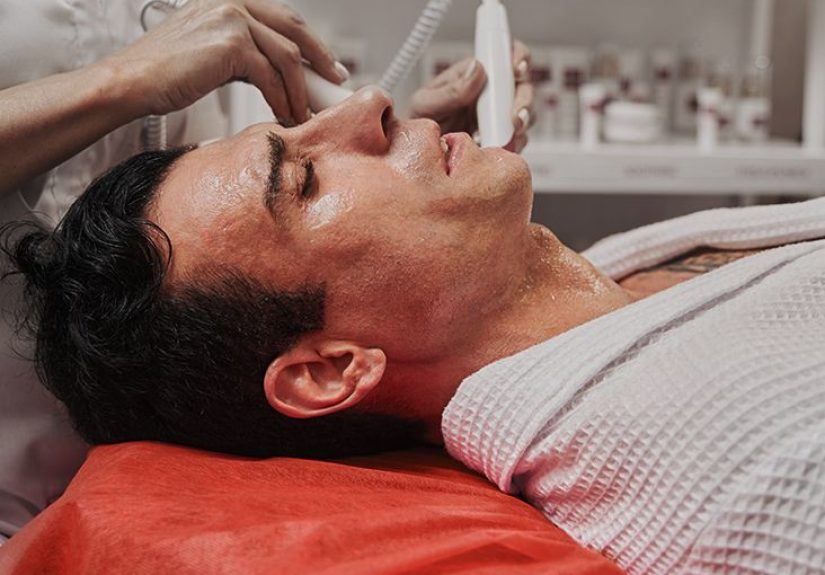
A microcurrent facial is a cosmetic treatment that uses very low-level electrical current delivered through
electrodes (often two metal spheres or a pronged attachment) that glide over the skin. In a professional setting,
an aesthetician or provider performs a structured treatmenttypically focusing on lifting and firming areas like the
brows, cheeks, jawline, and neck. At home, handheld devices aim to provide similar (usually gentler) stimulation in
short sessions.
Microcurrent is often described as “a workout for your face,” because it’s designed to stimulate facial muscles
and support a more toned look over time. Think of it less as a dramatic makeover and more as posture for your
features: a little lift, a little contour, and a “Did you sleep eight hours or are you just faking it well?” vibe.
Microcurrent vs. other “electric” skincare
- Microcurrent: very low current, typically aimed at facial stimulation and cosmetic toning.
- EMS (electrical muscle stimulation): stronger current meant to cause noticeable muscle contraction (more intense than typical facial microcurrent).
- TENS: traditionally used for pain relief; some cosmetic facial stimulators are regulated under related categories depending on intended use.
- RF (radiofrequency): uses heat energy; a different technology with different risks and goals.
How microcurrent works (in plain English)
Microcurrent devices send a gentle electrical current through the surface of the skin. The current travels between
the electrodes, which is why technique matters: most devices require both points of contact to stay on the skin so
the current has a “route.”
The proposed effects fall into two buckets:
1) Muscle stimulation and “temporary lift”
Facial muscles sit under the skin and contribute to the look of the cheeks, jawline, and brow area. Microcurrent
is intended to stimulate these muscles in a controlled wayoften using slow glides and “hold” positions that mimic
lifting motions. Many people notice the most obvious change immediately after a session: slightly sharper contours,
reduced puffiness, or a more awake look. (In other words: “My face remembered its schedule.”)
2) Skin-supporting effects (circulation, fluid movement, and cellular signaling)
Microcurrent is also associated with a short-term boost in circulation and changes in fluid movement that can make
skin look brighter and less puffy. Some lab and clinical research on electrical stimulation suggests that low-level
current can influence cellular activity (including processes related to wound healing and tissue behavior). That
doesn’t mean your device “builds collagen overnight,” but it helps explain why people often describe a post-treatment
glow.
Does microcurrent actually work? What the evidence supports
The most honest answer: microcurrent can work for subtle, cosmetic improvements, especially when
used consistently, but it’s not a replacement for in-office procedures (or genetics, or gravity’s relentless
commitment to its job).
Here’s what research and expert guidance generally support:
- Results are usually modest and gradual: Think “more toned” rather than “new face unlocked.”
- Consistency matters: Many recommendations include a more frequent “starter phase” and then a maintenance schedule.
- Effects can be temporary: Like styling your hair, the impact is often most noticeable right after you do itand fades if you stop.
- At-home devices vary: Differences in current strength, safety features, attachments, and instructions can change the experience.
A helpful mindset is to treat microcurrent as a tool, not a miracle. It may complement good skincare
habits (cleansing, moisturizing, sunscreen, and smart actives), but it won’t override dehydration, chronic
sleep debt, or the fact that you’re making the same facial expression at your phone every day.
What results are realistic?
Microcurrent is most commonly used for:
- Temporary lifting/toning: brows, cheeks, jawline, and neck can look a bit more sculpted.
- Reduced puffiness: especially around the jaw and lower face where fluid can linger.
- “Post-treatment glow”: often from short-term circulation changes and hydration (especially with gel use).
- Softened look of fine lines: typically subtle, often tied to hydration and tone rather than deep wrinkle change.
What microcurrent usually won’t do on its own:
- Replace a facelift or significantly tighten excess skin
- Erase deep wrinkles
- Work permanently if you never use it again
Safety: who should avoid microcurrent or check with a clinician first?
Microcurrent is generally considered low-risk when used as directed, but “low-risk” isn’t the same as “for everyone.”
If you have any medical condition or implanted device, treat microcurrent like you would any energy-based tool:
cautious and informed.
Common reasons to pause and ask first
- Pacemaker or implanted cardiac device (ICD): electrical stimulation can pose interference concerns.
- Other implanted electronic devices: ask your clinician before use.
- Pregnancy: many brands list pregnancy as a precaution or contraindication (policies vary).
- Epilepsy or seizure disorders: check with your healthcare professional.
- Active infection, open wounds, or inflamed skin: let skin calm down first.
- Recent facial surgery or certain cosmetic procedures: follow your provider’s guidance on timing.
Also: if a device causes pain, burning, or unusual irritation, stop. Microcurrent should feel like a mild tingling
or gentle “buzz,” not a tiny lightning storm auditioning for a superhero origin story.
Professional microcurrent facial vs. at-home device
In-office treatments
Professional microcurrent facials are performed by trained providers who can tailor intensity, technique, and
sequencing to your facial anatomy. Sessions may include cleansing, exfoliation, targeted microcurrent work,
and finishing products. Many people like pro sessions for special events (weddings, photos, reunions, or any time
you want to look “well-rested” on purpose).
At-home devices
At-home microcurrent devices are designed for convenience and frequent use. They typically require a conductive gel
or activator so the current can travel evenly and comfortably across the skin. The tradeoff is that home devices are
often gentler than professional systems, and technique is on youmeaning the first week can feel like learning a new
dance where the music is your cheekbone.
How to use a microcurrent device (without turning it into a chore)
Always follow your specific device instructions, but most routines share the same basics:
Step 1: Start with clean skin
Remove makeup, sunscreen, and heavy skincare. Oil can reduce conductivity and cause the device to “skip” rather than
glide.
Step 2: Apply a conductive gel (don’t freestyle this part)
Conductive gel is not just a fancy extra. It helps the current travel properly and keeps the device moving smoothly.
Many FDA-cleared facial toning devices specify that a conductive gel is required for use.
Step 3: Use slow, intentional movements
- Glide: move upward and outward (cheek to temple, jawline toward ear).
- Hold: pause in a “lift” position for a few seconds where instructions recommend.
- Stay connected: keep both electrodes on the skin so the current remains consistent.
Step 4: Keep sessions short and consistent
Many routines are 5–15 minutes. The most common mistake is doing one long session, then abandoning the device like
a neglected treadmill. A short daily or near-daily routine is usually easier to maintain.
Step 5: Finish with simple skincare
After wiping off gel, apply a moisturizer. Sunscreen during the day is non-negotiable (microcurrent doesn’t make you
sun-sensitive by itself, but great skin always needs sun protection).
Can you use actives (retinoids, acids, vitamin C) with microcurrent?
Many people prefer to keep microcurrent sessions gentle: cleanse, gel, treat, moisturize. If you’re using strong
actives (especially exfoliating acids or prescription retinoids), consider spacing them away from microcurrent time
if your skin is sensitive. The goal is “lifted glow,” not “why is my face spicy?”
How to choose a microcurrent device
Shopping for microcurrent devices can feel like wandering into a futuristic spoon drawer. Here’s what actually
matters:
1) Look for FDA clearance language (and understand what it means)
Many well-known devices are described as “FDA-cleared” for facial stimulation and over-the-counter cosmetic use.
FDA clearance is not the same as “FDA approved,” but it does indicate the device has gone through a regulatory
pathway for its intended use.
2) Comfort and safety features
- Adjustable intensity levels so you can ramp up gradually
- Skin-contact sensors or “anti-shock” features that reduce zaps if contact is uneven
- Ergonomics that make it easy to reach jawline, cheek, and brow areas
3) Conductive gel compatibility
If a device requires gel, plan for it in your routine and budget. Also, make sure the gel you use is approved for
the device (some brands warn against certain ingredients).
4) Attachments and use cases
- Dual-sphere heads: classic lifting/contouring
- Eye/lip attachments: smaller areas and precision
- Multi-modal devices: microcurrent plus LED, massage, or cleansing
Microcurrent device examples (and who they’re best for)
Below are common “types” of microcurrent devices you’ll see, with well-known examples. This isn’t an endorsement
it’s a map so you can recognize categories and features.
Classic microcurrent toning devices (simple, popular, beginner-friendly)
These typically use dual spheres and short routines. They’re often recommended for jawline, cheeks, and brow lifts,
and they usually rely on conductive gel for smooth use.
- Examples: NuFACE Trinity / NuFACE Mini-style devices
- Best for: people who want a straightforward routine and visible “post-session” lift
App-guided or program-based devices (custom routines)
Some devices use apps to guide placement, timing, and intensity, offering different “programs” for glow, lift, or
smoothing.
- Examples: ZIIP-style devices
- Best for: people who like structure and want variety (and don’t mind using an app)
Devices with comfort/anti-shock design (good for sensitive or jumpy users)
If you’re worried about uneven contact or you just hate surprises, look for designs that prioritize comfort.
- Examples: FOREO BEAR-style devices
- Best for: beginners, sensitive skin types, and anyone who flinches at static electricity
Multi-treatment “all-in-one” devices (microcurrent plus other modalities)
These combine microcurrent with features like LED therapy, massage, or cleansinguseful if you want one device to
cover multiple goals.
- Examples: Therabody TheraFace Pro-style devices
- Best for: people who want a broader “facial health” toolkit and enjoy rotating modalities
Wand-style tools that combine technologies
Some wands pair gentle electrical currents with warmth, massage, or light therapy. These are often marketed for
brightening and smoothing rather than dramatic lifting.
- Examples: Solawave-style wands
- Best for: glow-seekers, travel routines, and people who prefer quick spot treatments
FAQ: quick answers you’ll actually use
Does a microcurrent facial hurt?
It shouldn’t. Most people feel mild tingling, a gentle “buzz,” or tiny metallic taste sensations occasionally.
If it hurts, lower intensity, use more gel, and confirm correct technique.
How long do results last?
Many people notice the lift or “snatched” look most right after treatment, with effects fading over a day or two.
Consistent use tends to help maintain the look.
How often should you do it?
Common routines use a more frequent “starter phase” (several times per week) and then maintenance a few times
weekly. Follow your device instructionsoverdoing it can irritate skin or lead to muscle fatigue.
Can microcurrent replace Botox, fillers, or a facelift?
No. Microcurrent can complement other approaches, but it’s generally best for subtle toning and short-term lift,
not major structural changes.
Conclusion: the microcurrent “truth sandwich”
Microcurrent facials are best understood as a consistent, low-commitment way to encourage a more lifted, toned look.
The technology is real, the results can be real, and the hype can also be… very real. If you go in expecting
subtle changesespecially around contour and puffinessyou’re more likely to be happy.
Choose a device with clear intended-use language, prioritize safe, comfortable design, and commit to consistency.
Microcurrent isn’t a one-and-done miracle. It’s more like brushing your teeth: easy, mildly annoying when you’re
tired, and undeniably better when you actually do it.
Real-World Experiences: what it’s like to actually use microcurrent
Let’s talk about the part that product descriptions rarely capture: the lived reality of microcurrent.
Not the glossy “I woke up like this” fantasymore like “I’m standing in my bathroom holding a device to my face,
wondering if I’m doing it right while my phone alarm screams.”
The first week: awkward, gel-based, and strangely hopeful
Most people’s first microcurrent sessions fall into one of two categories:
(1) “I feel nothingdid I buy a fancy paperweight?” or (2) “Oh! I felt that. Was that supposed to happen?”
Both are normal. The learning curve is mostly about contact and gel. If you skimp on conductive gel, you’ll often
feel little zaps or see the device “drag” instead of glide. When you use enough gel, the experience is smoother
and more consistentand your skin tends to look more hydrated afterward, which can make results seem more dramatic.
A common first-week win is noticing a slightly lifted brow or a more defined jawline immediately after treatment.
It can be subtle, but it’s the kind of subtle you catch in the mirror and think, “Okay, cheekbone… I see you.”
That immediate payoff is why many people keep goingbecause motivation loves instant feedback.
Week two to six: the “consistency test”
This is the make-or-break phase. Microcurrent is often recommended in a frequent starter routine, and that
consistency is what separates “I tried it once” from “I actually use it.” People who stick with it commonly describe:
- Better contour on camera: especially along the jawline and cheek area
- Less morning puffiness: a “slept well” look even when sleep was… theoretical
- More even makeup application: because skin looks a bit smoother and more “awake”
The flip side is also real: if you’re inconsistent, results can feel inconsistent. Users often report that microcurrent
is the most satisfying when used like maintenancesimilar to working out. Not because you’re “building muscles”
in a bodybuilding sense, but because regular stimulation and technique seem to sustain that toned appearance better
than occasional use.
Special occasions: microcurrent’s “party trick”
One of the most common real-world uses is the pre-event routine. People do a short session before a date, interview,
party, or photo day because microcurrent can give a quick “tightened and less puffy” look. It’s not a new face;
it’s more like ironing a shirt. Your features look a bit more defined, and you feel more put-togethersometimes
simply because you did something intentional for yourself.
Sensitive skin experiences: proceed gently
If your skin is sensitive, your best friend is a low intensity setting and a simple routine. Many sensitive-skin users
do better when they avoid pairing microcurrent with strong actives in the same session. They also tend to prefer
devices with comfort features that reduce “surprise zaps.” The most positive reports come from users who treat
microcurrent as a calm ritualnot as a “more is more” challenge.
What experienced users wish they knew earlier
- Gel is non-negotiable: it’s comfort, conductivity, and glideall in one.
- Slow is better: rushing turns it into random face scribbling.
- Track your routine: even a simple calendar check helps consistency.
- Take photos: your brain adapts fast; pictures reveal subtle progress.
- Expect maintenance: when you stop, the “lifted look” often fades.
The most realistic “success story” is not dramatic transformation. It’s the person who looks in the mirror after a
month and says, “My face looks a little more sculpted, my skin looks brighter, and I feel like I’m doing something
that actually fits my life.” And honestly? That’s a pretty good ROI for 5–10 minutes and a blob of gel.





 Close
Close