
Table of Contents >> Show >> Hide
- What Makes Cornbread “Moist” (Without Making It Gummy)?
- Moist Buttermilk Cornbread Recipe (Cast Iron Skillet)
- How to Keep Cornbread Moist: Pro Tips That Actually Work
- Flavor Variations (Same Moist Crumb, Different Mood)
- What to Serve With Buttermilk Cornbread
- Storage and Reheating (So It Stays Moist)
- FAQ: Moist Buttermilk Cornbread Troubleshooting
- Conclusion
- Real-Life Experiences: What I’ve Learned Making Moist Buttermilk Cornbread (500+ Words)
If you’ve ever baked cornbread that turned out drier than a group chat with no memes, you’re not alone.
The good news: truly moist buttermilk cornbread isn’t a myth, a miracle, or a secret handshake from the Cornbread Council.
It’s mostly about smart ingredient ratios, a little heat management, and knowing when to stop baking before your cornbread becomes a decorative coaster.
This moist buttermilk cornbread recipe is the sweet spot between Southern-style skillet cornbread (crispy edges, proud corn flavor)
and a tender, fluffy crumb that stays soft the next day. It’s tangy from buttermilk, buttery without being greasy, and built for real life:
chili nights, barbecue spreads, Sunday suppers, and “I need something warm and carb-shaped immediately” emergencies.
What Makes Cornbread “Moist” (Without Making It Gummy)?
Moist cornbread is a balancing act. Too much liquid and the center can go pudding-y. Too little fat and it turns crumbly and dry.
Here’s the logic behind this recipe:
- Buttermilk for tang + tenderness: Its acidity helps create a softer crumb and deeper flavor than plain milk.
- A cornmeal + flour blend: All cornmeal can bake up more crumbly; adding flour helps hold moisture and keeps slices neat.
- Butter + a little oil: Butter brings flavor; oil helps cornbread stay moist longer (especially on day two).
- Hot skillet technique: Preheating the pan gives you that golden, crisp crust while keeping the inside tender.
- Don’t overmix, don’t overbake: Overmixing toughens; overbaking dries out. Cornbread is dramatic like that.
Moist Buttermilk Cornbread Recipe (Cast Iron Skillet)
Yield, Pan Size, and Timing
- Makes: 8–10 slices
- Best pan: 10-inch cast iron skillet (9-inch works too; thicker cornbread may need a few extra minutes)
- Oven temp: 425°F
- Bake time: 18–24 minutes
Ingredients
- 1 cup yellow cornmeal (fine or medium grind)
- 1 cup all-purpose flour
- 1 tablespoon baking powder
- 1/2 teaspoon baking soda
- 1 teaspoon kosher salt (or 3/4 tsp fine salt)
- 2 tablespoons sugar (optional; use 0 for more Southern-leaning, up to 1/4 cup for sweeter “northern-style”)
- 2 large eggs
- 1 1/2 cups buttermilk, well-shaken
- 6 tablespoons unsalted butter, melted and cooled 2–3 minutes
- 2 tablespoons neutral oil (canola/vegetable/avocado)
- 1 tablespoon butter or bacon drippings (for the skillet)
Optional Add-Ins (Pick One Personality)
- Honey butter vibes: add 2 more tablespoons sugar and 2 tablespoons honey
- Extra-moist shortcut: add 1/2 cup sour cream (reduce buttermilk to 1 1/4 cups)
- Sweet corn boost: fold in 3/4 cup drained canned corn or thawed frozen corn
- Jalapeño cheddar: add 1/2 cup shredded cheddar + 1 diced jalapeño
Step-by-Step Instructions
-
Preheat the oven and the skillet:
Place a 10-inch cast iron skillet in the oven and preheat to 425°F.
Let the skillet heat for at least 10 minutes after the oven reaches temperature. -
Mix the dry ingredients:
In a large bowl, whisk together cornmeal, flour, baking powder, baking soda, salt, and sugar (if using).
Break up any lumpscornmeal likes to play hard to get. -
Mix the wet ingredients:
In a separate bowl, whisk eggs and buttermilk until smooth. Whisk in melted butter and oil. -
Combine gently (seriously, gently):
Pour wet into dry and stir with a spatula until just combined. A few small lumps are fine.
Overmixing is the fastest route to “why is this cornbread oddly chewy?” -
Rest the batter 5 minutes:
This gives the cornmeal time to hydrate and helps the crumb stay tender. (Also, it gives you time to locate your oven mitts.) -
Butter the hot skillet:
Carefully remove the hot skillet. Add 1 tablespoon butter (or bacon drippings) and swirl to coat the bottom and sides.
It should sizzlethis is how you earn the crispy edges. -
Bake:
Pour batter into the skillet and bake 18–24 minutes, until the top is golden and a toothpick comes out with
a few moist crumbs (not wet batter). -
Cool briefly, then slice:
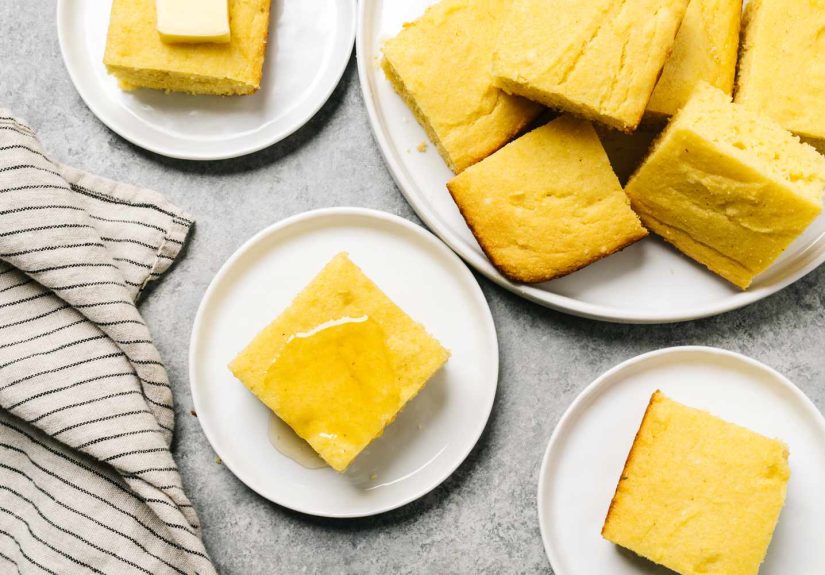
Let it cool 5–10 minutes. Slice and serve warm with butter, honey, jam, or alongside chili like it’s the law.
How to Keep Cornbread Moist: Pro Tips That Actually Work
1) Choose the Right Cornmeal (and Read the Label)
Plain cornmeal and self-rising cornmeal (or cornmeal mix) aren’t interchangeable. Self-rising versions already contain leaveners and salt,
which can throw off your rise and seasoning if you treat them like plain cornmeal. If you only have a mix, either follow a recipe designed for it
or adjust carefully (reduce added baking powder/salt).
2) Use Both Baking Powder and Baking Soda
Buttermilk’s acidity pairs well with baking soda for lift and tenderness, while baking powder adds extra rise insurance.
The result is cornbread that’s light and fluffy without tasting “chemical.”
3) Use Fat Strategically: Butter for Flavor, Oil for Staying Power
Butter makes cornbread taste like you meant it. Oil helps it stay moist longerespecially if you’re serving leftovers.
Using both is a simple trick to get “fresh-baked tenderness” without sacrificing flavor.
4) Preheat the Skillet for Crisp Edges
The hot-skillet method creates a gorgeous crust while the interior bakes up soft. It’s the contrast people remember:
crunchy edge, tender middle, everyone fighting over the corner piece like it’s a sports draft.
5) Don’t Overbake (Cornbread Dries Out Fast)
Pull it when it’s just done. If you bake until the toothpick is bone-dry and the top is aggressively brown, the moisture has already left the building.
Start checking around 18 minutes if your skillet is hot and your oven runs strong.
Flavor Variations (Same Moist Crumb, Different Mood)
Classic Southern-Style (Less Sweet)
Skip the sugar, use bacon drippings in the skillet, and keep it simple. This version loves savory partners:
collard greens, beans, barbecue, and anything that comes with a smoky sauce.
Sweeter “Northern-Style” Moist Cornbread
Increase sugar to 1/4 cup, add 2 tablespoons honey, and consider folding in 1/2 cup sour cream for a cake-like tenderness.
Serve with honey butter or jam for peak comfort.
Jalapeño Cheddar Cornbread
Fold in shredded cheddar and diced jalapeño (remove seeds for mild, keep them for spicy).
This version is basically a side dish and a conversation starter.
Cornbread Muffins (Same Batter)
Grease a muffin tin well, fill cups about 2/3 full, and bake at 400–425°F for 12–15 minutes.
Muffins bake faster, so don’t walk awaycornbread loves attention.
What to Serve With Buttermilk Cornbread
- Chili: classic pairing, especially with crispy-edged skillet cornbread
- BBQ: ribs, pulled pork, brisketcornbread is the edible peace treaty
- Soup and stew: bean soup, chicken stew, gumbo-adjacent things
- Breakfast: warm slice with butter + honey, or toasted with jam
- Leftover magic: crumble into dressing/stuffing or make cornbread croutons
Storage and Reheating (So It Stays Moist)
How to Store
- Room temp: Wrap tightly and keep 1–2 days.
- Fridge: 4–5 days, tightly wrapped (reheat to bring back tenderness).
- Freezer: Slice, wrap individually, freeze up to 2–3 months.
How to Reheat Without Drying It Out
- Oven: Wrap in foil and warm at 325°F for 8–12 minutes.
- Skillet: Medium-low heat with a tiny pat of butter, cover for 3–5 minutes.
- Microwave: 15–25 seconds with a damp paper towel (quick, but don’t overdo it).
FAQ: Moist Buttermilk Cornbread Troubleshooting
Why is my cornbread dry?
The usual culprits: too much cornmeal (or too little fat), overbaking, or measuring flour too heavily.
Also, some cornmeals absorb more liquid than othersif your batter looks unusually thick, a splash more buttermilk can help.
Can I make buttermilk at home?
Yes. For a quick substitute, add 1 tablespoon lemon juice or white vinegar to 1 cup milk,
stir, and let sit 5–10 minutes. It won’t taste exactly like cultured buttermilk, but it provides acidity and works well in cornbread.
Can I use a baking pan instead of cast iron?
Absolutely. Use a greased 8×8 or 9×9 metal pan (metal browns better than glass). Bake at 400°F for about 20–25 minutes.
You’ll lose a bit of the iconic crispy edge, but the crumb will still be tender and moist.
What’s the best way to get crispy edges and a soft center?
Hot skillet + butter (or drippings) + a batter that isn’t too lean. The contrast is the point:
crisp outside, tender inside. Let the skillet preheat fully and don’t skimp on greasing it.
Conclusion
Moist buttermilk cornbread is less about luck and more about a few reliable moves:
use buttermilk for tang and tenderness, balance cornmeal with flour for structure, add enough fat to keep it rich,
and bake in a hot skillet for that craveable crust. Once you nail the base recipe, you can riff endlesslysweet, savory,
jalapeño-cheddar, honey-butter brunch mode, you name it.
If you try this recipe, remember: the corner pieces are valuable currency. Protect them accordingly.
Real-Life Experiences: What I’ve Learned Making Moist Buttermilk Cornbread (500+ Words)
The first time I tried to make “moist” cornbread, I assumed the secret was dumping in more liquid. That batch taught me a valuable lesson:
there’s a thin line between “tender” and “spoonable.” The center came out so soft it practically needed its own bowl and a supportive friend.
The fix wasn’t just less liquidit was learning how cornbread holds moisture.
What made the biggest difference was switching from an all-cornmeal mindset to a cornmeal-and-flour partnership. Cornmeal brings flavor,
but flour gives the crumb a little framework so moisture stays trapped in the bread instead of evaporating or collapsing. Once I started using
roughly equal parts cornmeal and flour (or at least a generous portion of flour), slices stopped crumbling into sad little gravel piles.
Suddenly, cornbread could be picked up, buttered, and eaten like it had purpose.
The second “aha” moment was fat choice. Butter is non-negotiable for flavor, but butter alone can still leave leftovers a bit dry the next day.
Adding a small amount of oil felt almost like cheatinguntil I realized it’s the same principle behind many moist cakes. Oil stays liquid at room
temperature, so it helps cornbread remain soft even after cooling. The result was cornbread that still felt tender the next morning, toasted or not.
Then came the cast iron skillet. I used to treat it like optional equipmentnice if you have it, fine if you don’t. But once I committed to
preheating the skillet, I understood why people get dramatic about skillet cornbread. When batter hits hot fat, the edges immediately start forming
that crisp, golden crust. It’s not just texture; it’s flavor. That toasted-buttery edge makes the whole slice taste richer, even if the center stays light.
It also changes the vibe at the table: someone will always “casually” cut a corner piece that is definitely not casual.
I’ve also learned that cornmeal brands can behave differently. Some soak up liquid like they’re training for a hydration marathon.
If your batter looks unusually thicklike it’s refusing to pour and insisting on being “placed”give it a couple minutes to rest.
If it still seems too stiff, add a splash more buttermilk (a tablespoon at a time). Resting the batter is one of those low-effort steps that pays off:
the cornmeal hydrates, the crumb bakes up softer, and you’re less likely to end up with dry pockets.
Finally, timing matters more than people admit. Cornbread goes from “perfect” to “dry” faster than your phone battery at 2% in a rideshare.
I now check early, and I pull it when the toothpick shows a few moist crumbs instead of waiting for it to come out perfectly clean.
Those last few minutes in the oven are where moisture disappears.
My favorite way to serve this cornbread is warm, with salted butter and a drizzle of honeysimple, borderline unfair. But I also love it with chili,
because the slightly tangy crumb plays well with tomato and spice. And the next day? Toasted slice, butter, maybe a little jam.
If a recipe can be dinner, a side dish, and breakfast, it’s earned permanent residency in the kitchen.






 Close
Close