
Table of Contents >> Show >> Hide
- What Rule Is Molly Baz Actually Breaking?
- Why This Advice Feels So Timely
- Molly Baz’s Real Hosting Philosophy: Cozy Over Curated
- Breaking the Napkin Rule Does Not Mean Lowering Standards
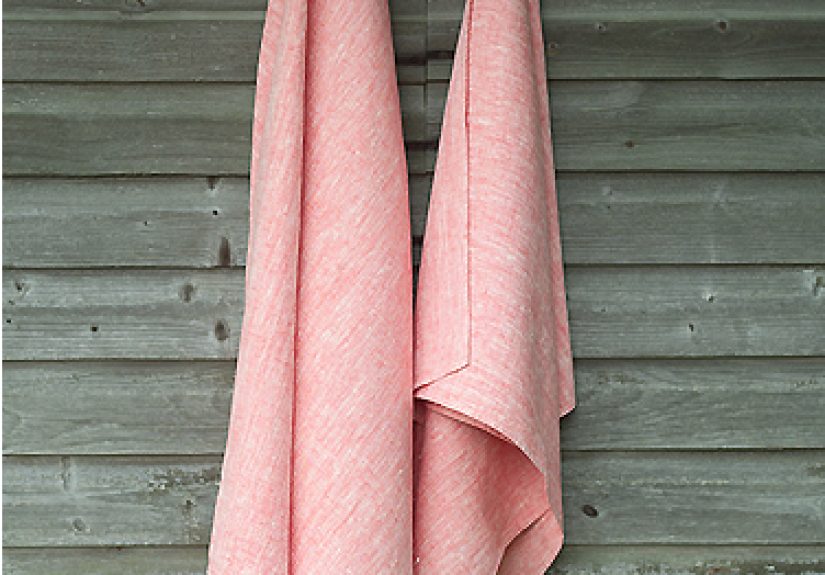
- There Is Still a Place for Cloth Napkins
- The Other Holiday Rule Baz Quietly Challenges
- How to Use the Molly Baz Method at Your Own Holiday Table
- Why This Rule Is So Easy to Relate To
- Extra Reflections: What This Rule Looks Like in Real Holiday Life
- Conclusion
Every holiday season comes with a familiar parade of expectations: polish the silver, fluff the pillows, light the candles, and for the love of gravy, make sure the napkins are cloth and wrinkle-free. Somewhere along the way, holiday hosting started acting like a final exam in domestic elegance. And then Molly Baz arrived like a butter-slicked wrecking ball and said, essentially, “Yeah, no.”
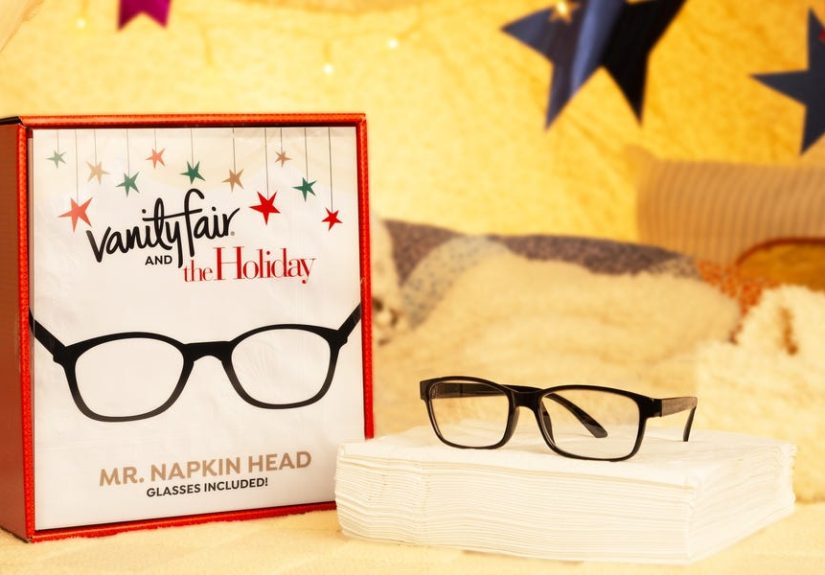
The cook, cookbook author, and founder of Ayoh! has a refreshingly rebellious take on holiday entertaining: the one hosting rule worth breaking is the idea that you have to use fussy cloth napkins and turn the whole meal into a linen-based stress festival. In Baz’s world, paper napkins are not a hosting failure. They are freedom. They are convenience. They are one less thing standing between you and actually enjoying your own dinner party.
And honestly? She has a point. The modern holiday table does not need more performance. It needs more pleasure. Guests remember the laughter, the roast potatoes, the playlist, and the person who kept refilling their glass. They do not go home whispering, “Shame about the napkin texture.”
What Rule Is Molly Baz Actually Breaking?
The rule is simple: that a “proper” holiday table requires cloth napkins, perfect pressing, and a level of formality that often creates more work than joy. Baz’s argument is not really about napkins alone. It is about refusing to let tiny details hijack the whole mood of the night.
Cloth napkins have long been treated like a sign that the host has their life together. They suggest elegance, effort, and a sort of old-school holiday seriousness. But Baz cuts right through that mythology. If the napkins are always in the wash, still wrinkled, or buried in a drawer you forgot existed, why pretend they are central to a successful gathering? Holiday hosting is hard enough without adding “ironing fabric squares” to the emotional to-do list.
Her point lands because it recognizes a truth many home cooks already know: a detail can be beautiful and still not be worth the trouble. Yes, cloth napkins can look lovely. Yes, they can elevate a table. But “elevate” and “mandatory” are not the same thing. That distinction is where Baz’s advice becomes genuinely useful.
Why This Advice Feels So Timely
Baz’s relaxed take fits neatly into a larger shift in how Americans think about entertaining. More hosts are moving away from rigid, overly formal dinner-party rules and toward gatherings that feel warmer, easier, and more lived-in. The trend has many names, but the spirit is the same: stop performing hospitality and start practicing it.
In other words, the table should not feel like a museum exhibit. It should feel like a place where someone can ask for seconds without apologizing. A party is not more successful because the napkins match the candlesticks. A party is more successful when guests settle in, loosen their shoulders, and begin talking like they have nowhere better to be.
That is the deeper brilliance of the Baz method. She is not lowering the bar. She is moving it. Instead of spending your energy on symbolic perfection, she nudges you to invest in the parts of hosting that actually shape the experience: comfort, flavor, warmth, and ease.
Molly Baz’s Real Hosting Philosophy: Cozy Over Curated
Once you zoom out, the napkin advice starts to look like one part of a bigger hosting manifesto. Baz’s version of holiday entertaining is cozy, casual, and a little chaos-friendly. Not careless. Not sloppy. Just gloriously uninterested in pomp.
This is someone who reportedly wants guests to kick off their shoes, slide into slippers, and feel at home the second they walk in. That image tells you everything. Her idea of a successful evening is not a room full of people trying not to spill. It is a room full of people relaxing enough to enjoy themselves.
She also pushes back against overly formal, coursed-out meals. That matters because formal pacing can sometimes make a holiday dinner feel less like a gathering and more like a restaurant simulation run by one exhausted unpaid employee: you. Baz’s approach leaves more room for spontaneity, seconds, interruptions, and the beautiful little messiness that makes family-style meals memorable.
There is a reason this resonates. Most people do not want a holiday that looks like a catalog. They want one that feels human. They want food on the table before anyone gets hangry. They want good butter, warm bread, a dessert that maybe leans slightly to one side, and a host who is present enough to laugh at the joke instead of disappearing into the laundry room to steam linens.
Breaking the Napkin Rule Does Not Mean Lowering Standards
Let’s defend paper napkins properly for a moment. Choosing them does not mean your table has to look dull, cheap, or last-minute. A holiday table can still feel thoughtful without demanding the kind of prep that turns the host into a resentful production assistant.
The trick is intentionality. If you are skipping cloth napkins, make that choice feel deliberate. Pick a sturdy paper napkin with a festive print, a playful design, or a color that echoes the rest of the table. Fold it neatly. Pair it with candles, a great serving platter, or a centerpiece that does not block conversation. Suddenly the whole thing reads as smart, relaxed, and confident rather than “someone gave up.”
In fact, Baz’s advice opens up a smarter hierarchy for hosts. Save your effort for the details guests notice most:
- The food tastes great.
- The drinks are easy to access.
- The lighting is warm.
- The seating encourages conversation.
- The host is not visibly unraveling beside the dishwasher.
That is a much better use of energy than wrestling with wrinkles. It also aligns with broader modern hosting advice: keep the table special, but not stiff; keep the menu thoughtful, but not punishing; keep the mood memorable, but not overmanaged.
There Is Still a Place for Cloth Napkins
To be fair, cloth napkins are not the villain in this story. Plenty of entertaining experts still love them, especially for smaller, more intimate dinners. They can add color, softness, and a sense of occasion. They may also be the better choice for hosts who prioritize reusability and already have a system that makes them easy to use.
But that is exactly the point: if they are easy for you. If cloth napkins bring you joy, use them. If they make you feel like you are starring in a one-woman remake of The Devil Wears Apron Strings, let them rest in peace.
Baz’s rule-breaking works because it gives hosts permission to separate tradition from obligation. A tradition is meaningful when you choose it. It becomes dead weight when you feel trapped by it.
The Other Holiday Rule Baz Quietly Challenges
The napkin rebellion is only half the story. Baz also questions another sacred holiday habit: the idea that the menu has to repeat itself every single year, especially when the centerpiece protein is something many people overcook into bland, dry disappointment.
Her reported preference for dishes like short ribs over turkey is not just culinary mischief. It is part of the same philosophy. Why cling to a tradition that produces more stress than delight? Why commit to a centerpiece you do not even love, just because the calendar says you should?
That does not mean tossing every tradition out the window. Baz still keeps a few recurring favorites, which is probably the sweet spot. The best holiday menus often mix ritual and freedom: one or two dishes people would riot without, plus enough flexibility to keep the meal from feeling like a copy-paste job.
There is a lesson here for hosts: consistency creates comfort, but repetition alone does not create magic. A memorable holiday table usually has a little surprise on it, whether that is a new main dish, a playful appetizer, a dramatic dessert, or a napkin choice that says, “Tonight we are choosing sanity.”
How to Use the Molly Baz Method at Your Own Holiday Table
1. Make one “easy” choice on purpose
Start with napkins if you want, but the bigger principle is to deliberately remove one stressful task. Buy the good paper napkins. Order the dessert. Use the nice store-bought olives. Let convenience be part of the plan, not evidence that you failed.
2. Spend up where guests feel it
A great loaf of bread, excellent butter, one signature cocktail, a cozy playlist, and seating that encourages people to linger will do more for the evening than a dozen invisible acts of perfection.
3. Keep the table expressive, not uptight
You do not need a pristine white-linen look to make a table feel special. Use what you already own. Mix textures. Bring in fruit, greenery, candles, or thrifted serving pieces. Let the table have personality.
4. Build in room for mess
Real holiday meals are a little noisy, a little crowded, and occasionally gravy-adjacent. Plan for that. In some ways, paper napkins are just the practical uniform of a host who understands that festive and fragile are not the same thing.
5. Host like a person, not a lifestyle spread
The most magnetic hosts are rarely the most formally perfect. They are the ones who seem glad you came. That is the vibe worth copying.
Why This Rule Is So Easy to Relate To
Baz’s holiday hosting take sticks because it solves a very specific, very ordinary pain point. Every host has their version of the napkin problem. It may be polishing glassware, folding place cards, matching plates, or trying to cook six things at once while pretending to enjoy it. The object changes; the emotional math stays the same.
Her advice gives people permission to stop proving they care through exhaustion. That is a powerful shift. Hospitality should not require self-erasure. The host is not background décor. The host is part of the gathering.
In a way, that is why this tiny rule feels bigger than it is. It is not merely “cloth versus paper.” It is “performance versus connection.” It is “stress versus ease.” It is the difference between building a holiday that photographs well and building one that people actually want to repeat.
Extra Reflections: What This Rule Looks Like in Real Holiday Life
If you have ever hosted a holiday meal, you already know how a tiny detail can become the loudest voice in the room. You start the week thinking about braises, pie dough, or the perfect playlist, and somehow by the day of the event you are standing in the kitchen wondering why a stack of napkins has become your villain origin story. One is wrinkled. One is missing. Two are still in the dryer. One has a mysterious stain that looks like cranberry sauce from a Christmas long forgotten. It is never just the napkin. It is the symbolism of the napkin. It represents the fantasy that this year you will host like a person who always remembers the candles, owns twelve matching rings, and never once mutters at an oven timer.
Real holiday hosting is less cinematic. It is hunting for scissors, moving coats off the bed, realizing someone is gluten-free, and discovering that your carefully cleaned coffee table is now the unofficial kids’ cracker station. That is exactly why Baz’s advice feels sane. She is talking to the host who wants a lovely evening but also lives in a real house with real constraints and a real attention span. When you choose paper napkins on purpose, you are not opting out of beauty. You are opting out of a fake standard that says every object must prove your worthiness.
There is also something deeply relaxing about a table that does not seem terrified of being used. Guests can feel that immediately. They stop perching. They stop apologizing for needing another napkin. They stop handling dinner like it is an archival document. A relaxed table changes the whole social temperature of the evening. People reach for more bread. They laugh louder. They settle in. The host notices this too, because the host is no longer trapped in a side quest involving fabric maintenance.
Some of the best holiday memories come from meals that were not immaculate. The roast ran late. Someone brought a wildly unnecessary but delightful appetizer. The centerpiece listed to one side. A child wore a paper napkin like a cape. Nobody remembers whether the linens were crisp. They remember that the room felt warm and that the meal tasted like somebody actually wanted to feed them.
That is the quiet power of breaking the “right way” rule. It makes room for the night you actually want. Not the heavily optimized fantasy version, but the lively, generous, slightly messy version where people feel comfortable enough to be themselves. Baz’s holiday rule is worth breaking because it protects the thing that matters most: the pleasure of gathering. And for a holiday host, that is not a shortcut. That is the whole point.
Conclusion
Molly Baz’s best holiday hosting advice is wonderfully small and surprisingly profound: stop treating cloth napkins like a moral obligation. Once you do, a lot of other unnecessary pressure starts to fall away too. The table can still be beautiful. The evening can still feel special. But the standard shifts from “impeccably formal” to “genuinely welcoming.”
That is the hosting rule worth breaking this year. Not because tradition is bad, but because tradition should serve the celebration, not smother it. If festive paper napkins help you stay present, cook better food, laugh more, and enjoy your own guests, then congratulations: you did not cut a corner. You made a smart call. Molly Baz would probably approve. And more importantly, your guests will be too busy having a great time to miss the ironing.






 Close
Close