
Table of Contents >> Show >> Hide
- Quick Table of Contents
- What Are Night Terrors (Sleep Terrors)?
- Symptoms: What Night Terrors Look Like in Real Life
- Night Terrors vs. Nightmares: Same Scary Vibe, Different Mechanism
- Causes and Triggers: Why Night Terrors Happen
- Who Gets Night Terrors?
- Diagnosis: When It’s “Normal Weird” vs. “Let’s Investigate”
- Treatment and Prevention: What Actually Helps
- What to Do During a Night Terror Episode (A Step-by-Step Calm Plan)
- Night Terrors in Adults: When to Pay Closer Attention
- Common Myths (Let’s Retire These)
- Experiences People Commonly Report (Extra Section)
- 1) “It’s way scarier for the observer than the sleeper.”
- 2) Episodes often cluster during “overtired season.”
- 3) “Comforting makes it worse… and that feels cruel.”
- 4) The “predictable timing” discovery
- 5) Adults often describe shame or confusionuntil they learn what it is
- 6) The biggest relief: knowing when it’s time to get help
- Conclusion
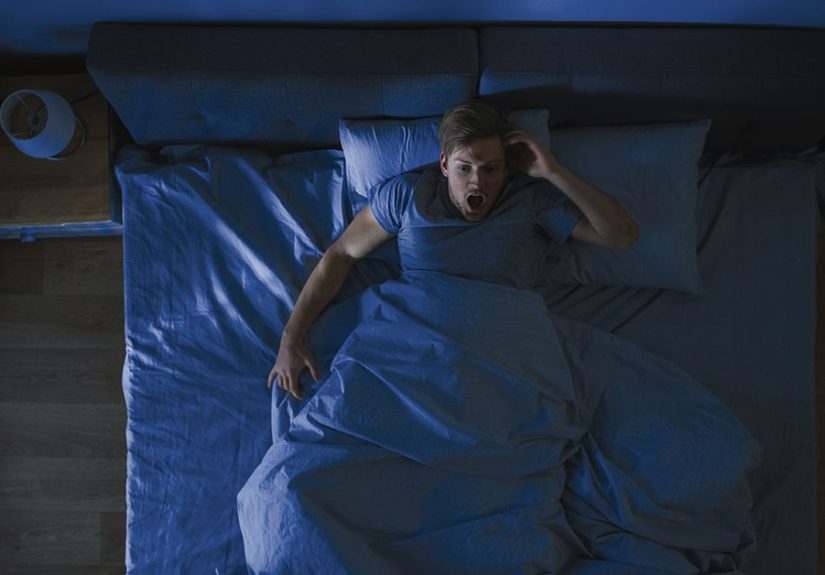
Picture this: it’s 1:17 a.m. The house is quiet. ThenBAMsomeone sits bolt upright, eyes wide, heart racing, maybe yelling like they just discovered a spider the size of a dinner plate. You rush in with your best “Everything is fine!” voice… and they don’t recognize you. Or they push you away. Or they look straight through you like you’re a ghost with a bedtime routine.
Welcome to night terrors (also called sleep terrors): a real sleep condition that’s dramatic to witness, confusing to manage, and often harmlessespecially in kids. This article synthesizes guidance commonly shared by major U.S. medical centers and sleep-medicine organizations (think: big-name clinics, children’s hospitals, and sleep specialists), then rewrites it in plain, practical Englishwith a dash of humor, because the human brain screaming in its sleep is… a lot.
What Are Night Terrors (Sleep Terrors)?
Night terrors are episodes of intense fear that happen during sleepusually when the brain is transitioning out of deep non-REM (NREM) sleep. During a night terror, the person is not fully awake, even if they look awake. That’s the key detail that explains the whole weird parade: the screaming, the thrashing, the blank stare, and the complete lack of comfort from your soothing pep talk.
Clinically, night terrors fall under a category called parasomniasunwanted events or behaviors that pop up during sleep. Night terrors are closely related to other “disorders of arousal” like sleepwalking and confusional arousals.
Most episodes are short (seconds to a few minutes), but they can feel like a full-length horror movie to anyone watching. The person often falls back into normal sleep afterward and usually has little or no memory of it the next morning.
Symptoms: What Night Terrors Look Like in Real Life
Night terrors can be intensely theatrical. Not because someone is being dramaticbecause their nervous system is throwing a midnight fire drill. Common signs include:
Common night terror symptoms
- Sudden sitting up in bed or bolting upright
- Yelling, screaming, crying, or panicked speech
- Fast breathing, sweating, rapid heartbeat (your body’s “fight-or-flight” mode)
- Wide eyes or a “staring” look
- Thrashing, flailing, kicking, or trying to get out of bed
- Not recognizing you or not responding normally to comfort
- Hard to wake or impossible to fully awaken
- Little or no memory of the event the next day
A practical example
A child might suddenly scream, sit up, and look terrifiedyet seem “not there.” You say their name. You offer a hug. They may push you away or act confused. Five minutes later, they’re quiet again and asleep. In the morning? Nothing. They feel fine. You feel like you aged 11 years overnight.
Night Terrors vs. Nightmares: Same Scary Vibe, Different Mechanism
Night terrors and nightmares both involve fear, but they’re not the same event wearing different costumes. The differences matter because the best response is different.
Quick comparison
| Feature | Night Terrors (Sleep Terrors) | Nightmares |
|---|---|---|
| Sleep stage | Deep NREM sleep (arousal disorder) | REM sleep (dream-rich stage) |
| When it happens | Often earlier in the night | Often later (more REM toward morning) |
| Is the person awake? | Not fully; looks awake but isn’t “online” | Usually wakes up and can be reassured |
| Memory next day | Usually none | Often remembers the dream |
| Best immediate response | Safety + calm presence; don’t force waking | Comfort + reassurance; talk it through if needed |
Causes and Triggers: Why Night Terrors Happen
Here’s the frustrating truth: experts don’t always pin night terrors on one single cause. They’re often described as happening when the brain gets “stuck” between deep sleep and wakinglike your computer waking up, except it boots into Panic Mode.
Common triggers (the usual suspects)
- Sleep deprivation or irregular sleep schedules
- Stress, emotional tension, anxiety, major changes in routine
- Fever or illness (especially in kids)
- Sleeping in a new place (travel, sleepovers, hotels)
- Noise or interruptions that partially wake someone from deep sleep
- Some medications that affect sleep architecture (talk with a cliniciandon’t guess)
- Too much caffeine (especially later in the day)
Underlying sleep issues that can “poke the brain” awake
Anything that fragments sleep can increase the odds of an episode. A big one is obstructive sleep apnea (snoring, breathing pauses, restless sleep), and sometimes movement disorders during sleep. Treating an underlying sleep problem can reduce events for some people.
Family pattern
Night terrors and related parasomnias can run in families. If a parent sleepwalked or had night terrors as a child, it can raise the chance in kids. This isn’t destinyit’s a risk factor, not a prophecy.
Who Gets Night Terrors?
Children are the main audience for night terrors. They’re most commonly reported in childhood and often fade over time. Many kids outgrow them by adolescence.
Kids
Night terrors commonly show up in early childhood and grade-school years. They may cluster during periods of poor sleep, growth spurts, illness, or stressful transitions (new school, travel, changes at home).
Teens
Teen night terrors do happen. Sometimes they’re tied to sleep deprivation (hello, homework plus scrolling) or stress. If episodes are frequent or intense, it’s worth discussing with a healthcare professionalespecially if daytime sleepiness or mood changes show up.
Adults
Adult night terrors are less common, but they can be more concerning because they’re more likely to be associated with another issue (sleep apnea, certain medications/substances, PTSD or significant anxiety, or other sleep disorders).
Diagnosis: When It’s “Normal Weird” vs. “Let’s Investigate”
Occasional night terrorsespecially in childrenoften don’t require extensive testing. But some patterns deserve a closer look.
When you should talk to a clinician
- Episodes are frequent, increasing, or happening multiple times a week
- There’s a safety risk (running, falling, injuries to self/others)
- The person has significant daytime sleepiness or problems functioning
- There’s loud snoring, choking/gasping, or other signs of sleep apnea
- Episodes begin in adulthood or suddenly worsen
- You’re unsure whether events could be seizures or another medical issue
What evaluation can involve
Clinicians often start with a sleep and health history: when episodes occur, what they look like, how long they last, and what triggers exist. Sometimes they recommend tracking events in a sleep diary or recording a short video (safely and respectfully) to help with identification. If there’s concern about another condition, a sleep study (polysomnography) may be recommended.
Important note: this article is educational and not a substitute for personal medical advice. If someone is getting hurt or the situation feels unsafe, seek professional help.
Treatment and Prevention: What Actually Helps
The good news: for many children, night terrors decrease and disappear with time. The even better news: there are practical steps that reduce frequency and improve safetywithout turning bedtime into a military operation.
1) Start with sleep basics (boring, powerful)
- Consistent sleep schedule (especially wake time)
- Enough total sleep (overtired brains do strange things)
- Wind-down routine (dim lights, calm activities, predictable steps)
- Limit caffeine later in the day
- Reduce late-night screen intensity (bright light and stimulation can disrupt sleep)
2) Address triggers and disruptions
If fever or illness tends to trigger episodes, supporting recovery and sleep comfort can help. If stress is a trigger, relaxation techniques or daytime stress management can reduce nighttime “spillover.” And if sleep is being interrupted by snoring or breathing issues, that’s a “talk to a clinician” flag.
3) Make the bedroom safer (because physics never sleeps)
- Clear sharp or hard objects near the bed
- Consider a low bed if falls are possible
- Secure windows/doors if wandering occurs
- Use gates for stairs if needed (especially for kids who sleepwalk with terrors)
4) Scheduled awakenings (a surprisingly effective trick)
If episodes happen around the same time each night, clinicians sometimes recommend scheduled awakenings: gently waking the person about 15–30 minutes before the usual episode time, then letting them fall back asleep. This can “reset” the sleep cycle enough to prevent the event. This approach is typically used when episodes are frequent and predictable.
5) Therapy or medication (less common, situation-dependent)
In children, medication is rarely needed. In adultsor in severe casesclinicians may treat underlying causes first (sleep apnea, medication side effects, mental health conditions). In select scenarios, short-term medication strategies may be considered, but that decision is individualized and should be guided by a qualified professional.
What to Do During a Night Terror Episode (A Step-by-Step Calm Plan)
The goal is safety, not a heartfelt midnight conversation. During a night terror, the person is not fully awake, so reasoning rarely worksand forcing wakefulness can make things worse.
Do this
- Stay close and stay calm. Your calm matters, even if they can’t process it fully.
- Protect them from injury. Guide away from edges, stairs, or objects. Don’t restrain forcefully unless necessary for safety.
- Use minimal interaction. Simple, quiet phrases. Avoid bright lights and lots of stimulation.
- Wait it out. Most episodes end on their own within minutes.
- Afterward, let sleep continue. In the morning, don’t “replay the scary highlight reel” to a childespecially if they don’t remember it.
Avoid this
- Don’t shake or aggressively try to wake them
- Don’t argue or demand answers (“Who are you yelling at?!”)
- Don’t turn it into a big event that increases anxiety around bedtime
Night Terrors in Adults: When to Pay Closer Attention
Adult night terrors deserve extra attention because they’re less common and more likely to be linked with an underlying factor. That doesn’t mean something is “terrible” or “rare and mysterious.” It means a careful check is worth it.
Common adult-related contributors
- Sleep deprivation, irregular schedules, shift work
- Alcohol or substances that disrupt sleep
- Sleep apnea or other sleep disorders
- High stress, anxiety, PTSD, or major life changes
- Certain medications (review with a clinician)
When adults should seek evaluation sooner
- Sudden onset or worsening
- Injuries or dangerous behaviors during episodes
- Daytime impairment, excessive sleepiness, or significant distress
- Suspicion of sleep apnea (snoring, choking/gasping, morning headaches)
Common Myths (Let’s Retire These)
Myth 1: “Night terrors mean someone is having a horrible dream.”
Night terrors aren’t typically dream-driven in the way nightmares are. They’re more like a fear response during an incomplete arousal from deep sleep.
Myth 2: “If I wake them up, it will stop.”
Forcing wakefulness can backfire. A gentle, safety-first approach is usually better. If a clinician recommends scheduled awakenings, that’s a structured methodnot a panicked shake-and-shout strategy.
Myth 3: “This means my child has a serious psychological problem.”
Night terrors are common in otherwise healthy kids and often improve with time, sleep consistency, and trigger management.
Experiences People Commonly Report (Extra Section)
Below are patterns families and individuals often describe when dealing with night terrors. These are not “my” experiencesthink of them as real-world themes repeatedly reported in clinics, parent education materials, and sleep medicine discussions. If you recognize your household in these stories, you’re not aloneand you’re not doing anything “wrong.”
1) “It’s way scarier for the observer than the sleeper.”
Many parents describe the same emotional whiplash: their child appears terrifiedscreaming, sweating, eyes openyet seems unreachable. A common morning-after scene is the child acting totally normal, while the adults look like they survived a disaster movie. This mismatch can be maddening. People often report thinking, “How can you forget this happened?” But the lack of memory is part of the condition, not denial or stubbornness.
2) Episodes often cluster during “overtired season.”
A frequent theme is that night terrors spike when sleep is short or chaotic: late nights, early school mornings, travel, holidays, or busy weeks that push bedtime later and later. Caregivers often notice that a consistent routine reduces episodessometimes dramatically. The frustrating part is that it can feel unfair: the child is tired, so you try to help them sleep… and the tiredness makes the brain more likely to misfire. People commonly say that the biggest improvement came not from a fancy trick, but from boring consistency: same bedtime, same wake time, enough total sleep.
3) “Comforting makes it worse… and that feels cruel.”
Many caregivers report that hugging, shaking, or insisting the child “wake up” actually escalates the episode. The child may push away, flail more, or become more agitated. This is emotionally tough because it runs against every caregiving instinct. Over time, families often develop a gentler strategy: stay nearby, keep the child safe, speak softly (or not at all), and let the episode pass. People describe it as switching from “rescue mode” to “lifeguard mode”you’re there to prevent harm, not to negotiate with a sleeping brain.
4) The “predictable timing” discovery
Another common experience is realizing episodes happen at roughly the same point after falling asleepoften earlier in the night. Some families keep a simple log for one to two weeks (bedtime, episode time, duration). When a pattern appears, it can reduce anxiety because the event becomes less mysterious. In some cases, predictable timing is what makes scheduled awakenings a viable option with clinical guidance.
5) Adults often describe shame or confusionuntil they learn what it is
Adults who experience night terrors sometimes report embarrassment, especially if it alarms a partner or roommate. They may wake up to find someone standing over them asking, “Are you okay?” while they have little memory of what happened. Adults also commonly report that episodes track with stress, poor sleep, or irregular schedules. For some, getting evaluated for sleep apnea or addressing anxiety/PTSD symptoms can be a turning pointless because night terrors are “psychological,” and more because sleep fragmentation and hyperarousal can prime the brain for these partial awakenings.
6) The biggest relief: knowing when it’s time to get help
Many people describe a shift from panic to problem-solving once they learn the “when to worry” checklist: frequent episodes, injuries, daytime sleepiness, loud snoring/breathing issues, or adult onset. Having clear boundaries helps families stop catastrophizing and start focusing on what they can control: safety, sleep regularity, and medical evaluation when appropriate.
If you take only one thing from these shared experiences, let it be this: night terrors are often a sleep-state glitch, not a sign of “bad parenting,” “weak nerves,” or a doomed future. With safety steps and consistent sleep, many people see improvementsometimes quickly, sometimes gradually, but often meaningfully.
Conclusion
Night terrors are one of those sleep problems that look like an emergency but are often benignespecially in children. They usually happen during deep non-REM sleep, tend to occur earlier in the night, and often leave the sleeper with little memory afterward. The best “treatment” is usually a combination of safety measures, healthy sleep routines, and reducing triggers like overtiredness and stress.
If episodes are frequent, dangerous, or associated with daytime problemsor if they begin in adulthoodgetting a professional evaluation can be truly helpful. Sometimes the best fix is treating an underlying sleep disorder that’s fragmenting sleep.
And if you’re the one losing sleep because you’re watching someone else have night terrors: you’re not overreacting. It’s intense to witness. But with the right plan, you can turn “midnight chaos” into “handled in a few minutes,” and everyone gets back to sleep sooner.






 Close
Close