
Table of Contents >> Show >> Hide
- What Is Noise-Induced Hearing Loss (NIHL)?
- Symptoms of Noise-Induced Hearing Loss
- 1) Ringing, buzzing, hissing, or “phantom” sounds (tinnitus)
- 2) Muffled or “cotton-in-the-ears” hearing after noise exposure
- 3) Trouble understanding speechespecially in background noise
- 4) Difficulty hearing higher-pitched sounds
- 5) Needing higher volume than everyone else
- 6) Sound sensitivity or distortion
- Causes: Where NIHL Comes From in Real Life
- How Loud Is “Too Loud”? Decibels, Time, and the Unfair Math of Sound
- Diagnosis: How NIHL Is Confirmed
- Treatment: What You Can Do (Even If You Can’t “Undo” the Damage)
- Prevention: The Most Powerful “Treatment” You’ll Ever Use
- Living With NIHL: Communication Tips That Actually Help
- of Experiences: What NIHL Looks Like in Real Life (Composite Stories)
- Conclusion
Your ears are basically tiny, high-performance microphones with the world’s worst warranty: once certain parts break, they don’t come with a free replacement.
Noise-induced hearing loss (NIHL) is what happens when sound is loud enough (or lasts long enough) to damage the inner ear. The annoying part? It can be
painfully obvious (one loud blast and suddenly everything sounds like it’s underwater) or it can be sneaky, slowly stealing crisp sound details
until you’re asking people to “say that again” like it’s your side hustle.
This guide covers what NIHL is, the symptoms you can actually notice in real life (not just on a hearing test), what causes it, how it’s diagnosed,
what treatment can do (and can’t do), and how to prevent itwithout turning your life into a silent film.
What Is Noise-Induced Hearing Loss (NIHL)?
NIHL is typically a type of sensorineural hearing loss caused by damage inside the inner ear (the cochlea) or the auditory nerve pathways.
The cochlea contains delicate sensory “hair cells” that convert sound vibrations into signals your brain understands as speech, music, and the sweet relief
of your phone finally being on silent. When noise is too intense, these hair cells can be injured or destroyed. And unlike a scraped knee, they don’t
reliably regenerate in humans.
NIHL can happen in two main ways:
- Sudden acoustic trauma: A single, extremely loud sound (think explosion, gunshot, or an ill-advised firework “experiment”) can cause immediate damage.
- Gradual wear-and-tear: Repeated exposure to loud sound over timeworkplace noise, concerts, power tools, motorcycles, even daily “max volume” earbudscan chip away at hearing.
NIHL often overlaps with age-related hearing loss. That means noise damage you rack up in your 20s and 30s can make the hearing changes of later decades
feel like they arrived early, uninvited, and carrying a boom box.
Symptoms of Noise-Induced Hearing Loss
NIHL symptoms don’t always announce themselves with a dramatic trumpet fanfare. They’re more like a group chat you muteduntil you realize you missed something important.
Here are the most common ways NIHL shows up.
1) Ringing, buzzing, hissing, or “phantom” sounds (tinnitus)
Tinnitus is one of the most common early signs. It might sound like ringing, buzzing, humming, roaring, or a high-pitched whine that seems to come from nowhere.
It can be temporary after loud noiseor it can stick around.
2) Muffled or “cotton-in-the-ears” hearing after noise exposure
Ever leave a concert and feel like the world got wrapped in a blanket? That can be a temporary threshold shifta short-term dip in hearing sensitivity
that may improve over hours to days. The problem: repeated temporary shifts can be a warning sign that the ear is being pushed past safe limits.
3) Trouble understanding speechespecially in background noise
Many people with NIHL can “hear” that someone is talking but struggle to decode the words, especially in restaurants, meetings, parties, or anywhere with competing sound.
You may notice:
- People seem to mumble (suspiciously… everyone, all at once).
- You do fine one-on-one in quiet, but group settings are exhausting.
- You rely more on lip-reading or watching facial cues without realizing it.
4) Difficulty hearing higher-pitched sounds
NIHL commonly affects higher frequencies first. That means you might miss parts of speech like “s,” “f,” “th,” “k,” and “sh.”
Words can blend together, and you may catch the vowels but lose the meaninglike hearing “I _ant to _o to the _ore” and just guessing the plot.
5) Needing higher volume than everyone else
If the TV volume keeps creeping up until your household threatens a remote-control restraining order, that’s a clue. Same with phone calls,
podcasts, or music volume steadily increasing over time.
6) Sound sensitivity or distortion
Some people develop hyperacusis (normal sounds feel uncomfortably loud) or notice distortionmusic sounds “off,” voices sound tinny,
or certain pitches feel harsh. The brain is trying to interpret damaged input, and sometimes it does a… creative job.
Causes: Where NIHL Comes From in Real Life
NIHL isn’t just a “factory worker” issue (though occupational noise is a huge contributor). It can happen anywhere sound gets loud enough, long enough, often enough.
Occupational noise exposure
Jobs with higher NIHL risk include construction, manufacturing, farming, mining, landscaping, aviation/ground crew, first responders, and military service.
Loud engines, heavy equipment, and repeated impact noise can add up quickly. Even if your workplace “sounds normal,” needing to raise your voice at arm’s length
is a strong clue that noise may be hazardous.
Recreational noise
Concerts, clubs, sporting events, motorsports, hunting/shooting ranges, and DIY power-tool marathons are classic NIHL triggers.
Impulse noise (like gunfire) can be especially risky because the sound energy spikes fast.
Personal audio devices (yes, your earbuds)
Earbuds and headphones aren’t inherently evil. The issue is volume + duration. If you crank volume to drown out background noise,
you may be delivering hazardous sound levels directly into the ear canal. Add long listening sessions and you’ve got a recipe for gradual damage.
A good hack: use better isolation (well-fitting headphones/ear tips) so you don’t have to turn up the volume to compete with the world.
How Loud Is “Too Loud”? Decibels, Time, and the Unfair Math of Sound
Here’s the rude truth about sound: a little louder can be a lot more damaging. A common occupational guideline is that
85 dBA over an 8-hour shift is the level where protective action is recommended, and as sound increases, safe exposure time drops quickly.
Some standards use a “3 dB exchange rate,” meaning every 3 dB increase roughly doubles the sound energyso safe time is cut in half.
Practical “real life” signs you might be in the danger zone:
- You have to raise your voice to talk to someone an arm’s length away.
- Your ears ring or feel muffled afterward (even if it “goes away”).
- People around you regularly say, “Huh? What?” (and it’s not because your jokes are too advanced).
Also important: regulatory limits and recommended limits aren’t always the same thing. Some workplace rules allow higher exposures than what many hearing
experts consider best practice. In other words: meeting the minimum legal standard doesn’t guarantee your ears are living their best life.
Diagnosis: How NIHL Is Confirmed
If you suspect NIHL, don’t rely on “I’ll just see if it gets better.” Hearing loss can be gradual, and brains are great at compensating until they can’t.
A proper evaluation usually includes:
1) A detailed noise history
Expect questions about work noise, hobbies, concerts, firearms, power tools, headphones, and any sudden loud exposures. Mention tinnitus, muffled hearing,
dizziness, ear pain, or one-sided symptoms.
2) Hearing tests (audiologic evaluation)
A hearing test (audiometry) measures what you can hear across pitches and volumes. NIHL often shows a characteristic pattern with more loss at higher frequencies.
Your clinician may also use other tests (like tympanometry) to rule out middle-ear problems.
3) Ruling out other causes
Not all hearing loss is NIHL. Earwax blockage, ear infections, certain medications, genetic factors, autoimmune conditions, and other ear disorders can also affect hearing.
If symptoms are sudden, severe, one-sided, or paired with dizziness/neurologic symptoms, clinicians may treat it as more urgent.
Treatment: What You Can Do (Even If You Can’t “Undo” the Damage)
Let’s be blunt but hopeful: most NIHL is not reversible. But “not reversible” is not the same as “nothing helps.”
Treatment focuses on improving function, reducing symptoms like tinnitus, and preventing further damage.
Step 1: Stop the damage from getting worse
The first treatment is also the least glamorous: protect your hearing from more loud noise. Even after hearing loss occurs,
reducing future exposure can slow progression and help tinnitus calm down.
Hearing aids (the “glasses for your ears” analogy is actually useful)
Hearing aids amplify and process sound to improve audibilityespecially speech. Modern devices can adapt to background noise, connect to phones,
and reduce listening fatigue. They won’t create perfect hearing, but they can make conversations feel less like decoding an encrypted message.
Cochlear implants (for severe hearing loss)
For people with severe-to-profound hearing loss who get limited benefit from hearing aids, cochlear implants may be an option.
They work differently than hearing aids and can improve access to sound and speech understanding for appropriate candidates.
Tinnitus management
If tinnitus is part of the package, treatment often focuses on making it less intrusive. Options may include:
- Sound therapy (background sound, maskers, or apps to reduce contrast between silence and tinnitus)
- Hearing aids (often help when hearing loss is present)
- Cognitive behavioral therapy (CBT) or counseling approaches (to reduce distress and improve coping)
- Sleep and stress strategies (because tinnitus loves to audition for “most noticeable at bedtime”)
Acute acoustic trauma: when to treat it like an emergency
If hearing changes happen suddenly after a blast or extremely loud exposureespecially if you have ear pain, dizziness, or significant one-sided changesget evaluated promptly.
Some clinicians may consider treatments used for sudden hearing loss (such as corticosteroids) in certain situations, but timing matters and evidence varies by scenario.
The key is not to wait it out if symptoms are severe or sudden.
Prevention: The Most Powerful “Treatment” You’ll Ever Use
NIHL is often preventable. That’s not a guilt tripjust genuinely good news. You don’t need to avoid fun; you just need to stop your ears from taking the full hit.
Use hearing protection (and use it correctly)
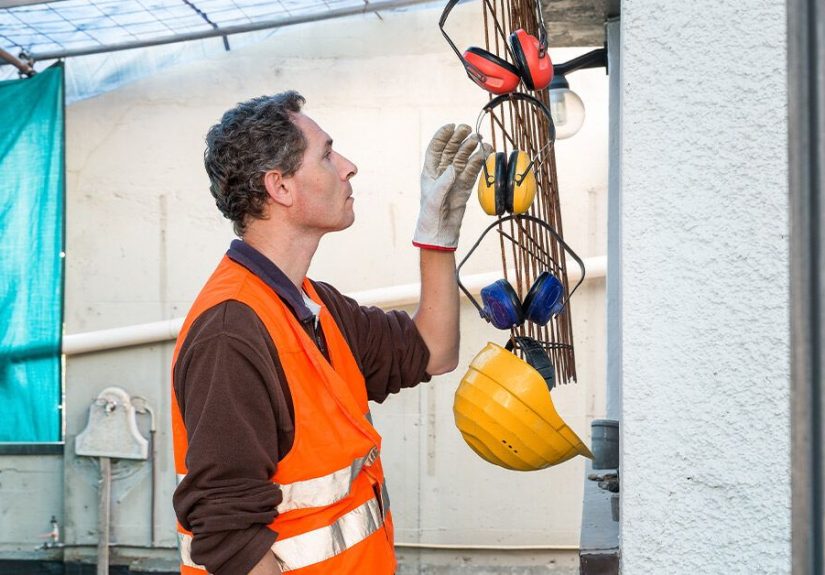
Hearing protection comes in two main flavors: earplugs and earmuffs. The best choice is the one you’ll actually wear.
Fit matters a lotpoorly fitted earplugs can underperform dramatically. For frequent loud environments (musicians, motor sports, industrial work),
consider high-fidelity or custom options that reduce volume more evenly.
Create distance and take sound breaks
Sound intensity drops as you move away from the source. Even small changesstanding farther from speakers, stepping outside periodically, swapping taskscan reduce total exposure.
Think of it like sun exposure: the occasional shade break counts.
Control personal audio volume
Use volume-limiting settings on your phone, pay attention to listening time, and choose headphones that block outside noise so you’re not tempted to crank it.
If someone next to you can hear your music from your earbuds, that’s a strong hint the volume is too high.
Workplace prevention programs
If noise is part of your job, engineering controls (quieter equipment, barriers), administrative controls (rotations, exposure limits), and hearing conservation programs
are key. PPE (earplugs/muffs) is importantbut it works best as part of a bigger plan to reduce noise at the source.
Living With NIHL: Communication Tips That Actually Help
NIHL can be frustrating in ways that aren’t obvious to other people. These strategies can make daily life smoother:
- Claim the good seat: Face the speaker, choose well-lit areas, and reduce background noise when possible.
- Use captions: Turn on captions for TV and video callsthis is not cheating; it’s smart.
- Ask for specific help: “Can you face me when you speak?” beats “What?” on repeat.
- Manage fatigue: Listening with hearing loss is work. Breaks are legitimate.
- Protect what you have: Once you notice hearing changes, prevention becomes even more important.
of Experiences: What NIHL Looks Like in Real Life (Composite Stories)
The following are composite experiences based on common patterns people report in clinics and everyday life. They’re meant to feel familiarbecause NIHL is commonand useful,
because recognizing the “early storyline” can help you change the ending.
1) The Concert Hero Who Loses the Plot by Monday
A 27-year-old goes to a weekend concert, stands near the speakers (because “the sound is better up front”), and leaves with ringing ears and muffled hearing.
By Monday, the muffling is mostly gone, so it feels like a harmless party tax. But the ringing happens again after the next concert… and the next.
Six months later, restaurants become weirdly exhausting. Voices are audible but unclear, like everyone is whispering through a kazoo.
The lesson: temporary ringing and muffled hearing are not a “normal” sign of funthey’re a warning light. High-fidelity earplugs let people keep the music experience
while reducing the dose to the inner ear. And stepping away from speakerseven brieflycan cut total exposure more than you’d think.
2) The DIY Weekend Warrior With “Leaf Blower Ears”
A homeowner spends Saturdays with a leaf blower, lawn mower, power saw, and the occasional “quick” run of the shop vacuum.
None of these tasks feel dramaticno explosions, no emergency room. But after a few years, the TV volume creeps up and phone calls feel harder.
When they finally get a hearing test, the audiogram shows high-frequency loss that fits a noise pattern.
The lesson: repeated loud tools are a slow leak in your hearing bank account. Keeping ear protection in the garage (not in a drawer inside the house) matters.
People are far more likely to use hearing protection when it’s as easy to grab as the safety glasses.
3) The Construction Worker Who Thinks “I’m Used to It”
A worker in a noisy environment stops noticing the noise. They feel “fine” and assume adaptation means safety. But what often happens is the brain gets used to the loudness
while the ear quietly takes damage. Conversations at home become tense: family members think the worker is ignoring them, and the worker thinks everyone is mumbling.
The lesson: “getting used to loud” can be a trap. If you need to raise your voice to talk at arm’s length, your ears likely need protectioneven if the sound feels normal.
Regular hearing checks can catch changes early, before communication becomes a daily struggle.
4) The Gamer/Streamer Who Doesn’t Realize Volume “Creep” Is a Thing
A person starts using a headset for gaming and streaming. At first, volume is moderate. Over time, they nudge it up to feel more immersed, to cover background noise,
to make footsteps clearer, to “just this once” because the match is intense. Months later, they notice tinnitus at night and feel oddly irritated by everyday clatter.
The lesson: headsets aren’t the villainunmanaged exposure is. Volume limits, noise-isolating headphones, and planned breaks help keep gaming fun without turning post-game silence
into a permanent ringing soundtrack.
5) The “It’s Only One Loud Noise” Surprise
Someone experiences a single very loud eventan unexpected firecracker nearby, a firearm discharge without protection, or a sudden blast at work.
Immediately, one ear feels full, speech sounds distorted, and tinnitus ramps up. They wait, hoping it fades. Sometimes it does; sometimes it doesn’t.
The lesson: sudden hearing change after a blast deserves prompt medical attention, especially if it’s one-sided or paired with dizziness or severe pain.
Early evaluation can rule out urgent issues and guide treatment options.
Conclusion
Noise-induced hearing loss is common, often permanent, andhere’s the good newsfrequently preventable. If you notice ringing after loud sound,
muffled hearing, or growing difficulty understanding speech in noisy places, treat that as useful information, not background drama.
Get a hearing test, protect your ears, and use available treatments like hearing aids or tinnitus strategies to improve daily life.
Your future self will thank you. Loudly. (Or at a safe volume. You know the rules now.)







 Close
Close