
Table of Contents >> Show >> Hide
- What Is Nopal Cactus?
- Nopal Cactus Nutrition: Small Calories, Big Personality
- Potential Health Benefits of Nopal Cactus
- Common Uses of Nopal Cactus
- How to Prepare Nopal Cactus Safely
- Easy Ways to Eat More Nopal
- Possible Side Effects and Precautions
- Who Should Consider Adding Nopal to Their Diet?
- Experience Section: Living With Nopal Cactus in the Kitchen
- Conclusion: Is Nopal Cactus Worth Trying?
- SEO Tags
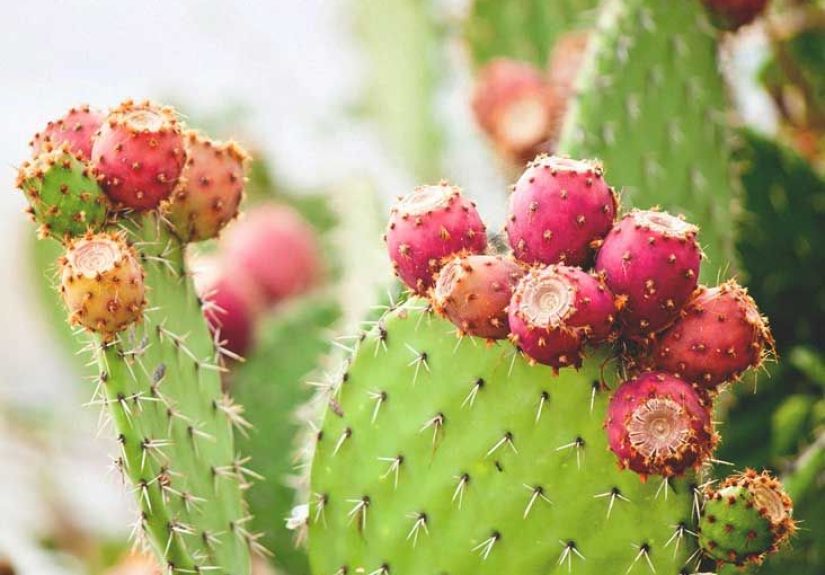
Nopal cactus may look like it belongs in a desert survival movie, but this prickly plant has been feeding families, flavoring recipes, and starring in traditional wellness practices for generations. Also known as prickly pear cactus, nopal is best recognized for its flat green pads, called nopales, and its colorful fruit, often called prickly pear or tuna. Once the spines are removed, this humble cactus becomes a surprisingly versatile food: tangy in salads, smoky on the grill, tender in tacos, and refreshingly bright in juices.
In the United States, nopal cactus has moved far beyond specialty markets. You can find fresh cactus paddles in many Mexican grocery stores, jarred nopalitos in supermarkets, prickly pear drinks in wellness shops, and nopal supplements online. But before we crown it the “green king of the produce aisle,” let’s look at what nopal actually offers, what science suggests, how people use it, and when a little caution is smarter than a cactus handshake.
What Is Nopal Cactus?
Nopal cactus comes from the Opuntia genus, especially species commonly known as prickly pear cactus. The plant grows naturally in Mexico, the U.S. Southwest, and other dry regions, but it is now cultivated and enjoyed in many parts of the world. Its edible pads are thick, oval, and green, while the fruit can range from red and purple to yellow or orange depending on the variety.
The pads are often called nopales when whole and nopalitos when sliced or diced. Their flavor is mildly tart, grassy, and a little lemony. Their texture can be crisp when raw and tender when cooked, with a slight slipperiness similar to okra. That “slick” texture may surprise first-timers, but in soups, eggs, tacos, and salsas, it works beautifully. Think of it as the cactus politely bringing its own sauce.
Nopal Cactus Nutrition: Small Calories, Big Personality
Nopal cactus is naturally low in calories and fat while offering fiber, water, minerals, and plant compounds. Fresh cactus pads contain both soluble and insoluble fiber, which can help support digestion and may contribute to a feeling of fullness. They also provide nutrients such as calcium, magnesium, potassium, vitamin C, and small amounts of other vitamins and minerals.
Prickly pear fruit has a different nutrition profile. It is sweeter than the pads and contains natural sugars, fiber, vitamin C, and antioxidant pigments. The fruit is often eaten fresh, blended into drinks, cooked into syrups, or made into jams. The pads are usually treated more like a vegetable, while the fruit plays the role of a bright, juicy dessert ingredient.
Potential Health Benefits of Nopal Cactus
Nopal cactus is often described as a “superfood,” but that word gets tossed around so freely that even broccoli is probably tired of hearing it. A better way to say it is this: nopal is a nutritious plant food with promising benefits, especially when eaten as part of a balanced diet. It is not a magic cure, but it can be a smart addition to meals.
1. May Support Healthy Blood Sugar Levels
One of the most discussed nopal cactus benefits is its possible effect on blood sugar. Some small studies suggest that eating cooked nopal pads with meals may help reduce post-meal blood sugar spikes, particularly in people with type 2 diabetes. Researchers believe this may be related to the plant’s fiber, pectin, and other compounds that slow carbohydrate absorption.
However, nopal should not replace prescribed diabetes medication or medical care. If you take insulin or other blood sugar-lowering medications, adding large amounts of nopal or nopal supplements could increase the risk of low blood sugar. Fresh nopales in meals are generally treated like a vegetable, but concentrated supplements are a different story and deserve a conversation with a healthcare professional.
2. Supports Digestive Health
Nopal cactus contains fiber, and fiber is one of the least glamorous nutrients with one of the most important jobs. It supports regular bowel movements, feeds beneficial gut bacteria, and helps meals feel more satisfying. The combination of water and fiber in cactus pads makes them a useful ingredient for people trying to build more vegetables into their diet.
For sensitive stomachs, start small. Nopal can be gentle for many people, but sudden increases in fiber can cause gas, bloating, or loose stools. Your digestive system appreciates new foods more when they arrive like a friendly neighbor, not like a marching band at 6 a.m.
3. Provides Antioxidants
Nopal cactus and prickly pear fruit contain antioxidants, including carotenoids, flavonoids, betalains, and vitamin C. Antioxidants help protect cells from oxidative stress, which is linked to aging and several chronic health concerns. The vibrant colors of prickly pear fruit are a clue that the plant contains beneficial pigments.
That does not mean a glass of prickly pear juice will cancel out a week of fried food and missed sleep. But it does mean nopal can be part of an antioxidant-rich eating pattern that includes vegetables, fruits, beans, whole grains, nuts, seeds, and other colorful plant foods.
4. May Help With Cholesterol and Heart Health
Because nopal contains fiber and plant compounds, researchers have explored whether it may support healthier cholesterol levels. Some evidence suggests cactus pads may have modest benefits for cholesterol and triglycerides, although results vary and more high-quality human studies are needed.
From a practical nutrition standpoint, nopal is naturally low in saturated fat, low in sodium when fresh, and cholesterol-free. Replacing heavier side dishes with grilled nopales, cactus salad, or nopalitos with eggs can make a meal lighter without making it boring. Your heart may not send a thank-you card, but it probably would if it had stationery.
5. May Support Weight Management
Nopal cactus is not a weight-loss miracle, and any product claiming otherwise deserves a raised eyebrow. Still, fresh nopales can fit well into a weight-conscious diet because they are low in calories, rich in water, and provide fiber. Foods with those qualities can help meals feel larger and more satisfying without adding many calories.
For example, adding chopped nopales to scrambled eggs, tacos, bean bowls, or salads increases volume and texture. This can help you feel like you ate a full plate instead of a tiny “diet meal” that leaves you negotiating with the snack cabinet 40 minutes later.
6. Offers Plant-Based Minerals
Nopal pads can contribute calcium, magnesium, and potassium to the diet. These minerals play roles in bone health, muscle function, nerve signaling, and blood pressure regulation. While nopal should not be your only source of minerals, it can be especially useful for people who enjoy plant-forward meals and want more variety than the usual lettuce-and-tomato routine.
Common Uses of Nopal Cactus
Nopal cactus is both a traditional food and a modern wellness ingredient. Its uses range from everyday cooking to juices, powders, and supplements. The fresh pads are usually the best place to start because they are simple, affordable, and closer to whole-food nutrition.
Fresh Nopales
Fresh nopales can be grilled, boiled, sautéed, roasted, or eaten raw after careful cleaning. Grilling gives them a smoky flavor and reduces their slippery texture. Boiling is common before adding them to salads or stews. Sautéed nopales with onion, tomato, and jalapeño make a quick side dish that tastes far more exciting than plain steamed vegetables.
Nopalitos
Nopalitos are sliced or diced cactus pads. You can buy them fresh, jarred, or canned. Jarred nopalitos are convenient but may contain added sodium, so rinsing them can help. They work well in tacos, tostadas, burrito bowls, omelets, soups, and salads.
Prickly Pear Fruit
The fruit of the nopal cactus is sweet, juicy, and colorful. It can be eaten raw once peeled, blended into smoothies, turned into syrup, or used in sauces and desserts. The seeds are edible but hard, so some people strain the juice when making drinks or sauces.
Nopal Juice and Smoothies
Nopal juice is often marketed for wellness, hydration, and digestion. A homemade smoothie with cactus, cucumber, lime, pineapple, or spinach can be refreshing and nutrient-rich. Just be careful with bottled juices that contain lots of added sugar. A cactus drink can sound healthy while secretly behaving like dessert in a gym outfit.
Nopal Supplements
Nopal is sold as capsules, powders, and extracts. Supplements may be convenient, but they are more concentrated than food and are not approved by the FDA for safety and effectiveness before marketing. Quality, dose, and purity can vary by brand. Anyone taking medication, managing diabetes, pregnant, breastfeeding, or living with a chronic condition should ask a healthcare professional before using nopal supplements.
How to Prepare Nopal Cactus Safely
Fresh nopales need careful handling because the pads may have spines and tiny hair-like glochids. These little troublemakers can irritate the skin and are not fun to discover with your fingertips. Use gloves or tongs when handling fresh cactus pads.
Basic Preparation Steps
First, rinse the cactus pads under cool water. Place the pad flat on a cutting board and use a sharp knife to scrape away spines and bumps. Trim the edges and cut off the thick base. Rinse again to remove any remaining debris. From there, slice the pads into strips, dice them into nopalitos, or leave them whole for grilling.
Cooking Tips
To reduce the slippery texture, cook nopales in a dry skillet, grill them, or boil them briefly and drain well. Adding acid, such as lime juice or vinegar, can brighten the flavor. Pairing cactus with bold ingredients like garlic, onion, cilantro, chile, eggs, beans, or grilled meat helps it shine.
Easy Ways to Eat More Nopal
Nopal cactus is flexible enough for breakfast, lunch, dinner, and snacks. Add cooked nopalitos to scrambled eggs with salsa. Toss grilled strips into tacos with black beans and avocado. Mix diced nopales with tomato, onion, cilantro, lime, and queso fresco for a fresh salad. Blend prickly pear fruit into a smoothie with Greek yogurt and berries. Or roast cactus strips and serve them as a tangy side dish with chicken, fish, or tofu.
For a simple beginner recipe, try a nopal salad. Combine cooked and cooled nopalitos with chopped tomatoes, red onion, cilantro, jalapeño, lime juice, a pinch of salt, and a little olive oil. Add avocado if you want creaminess. Serve it with tortillas, grilled protein, or beans. It is fresh, colorful, and much easier than explaining to someone why you are eating cactus for lunch.
Possible Side Effects and Precautions
Fresh nopal cactus is safe for many people when eaten as food, but side effects can happen. Some people may experience mild diarrhea, nausea, bloating, or increased stool frequency, especially when eating large amounts. Skin irritation can occur if spines or glochids are not removed properly.
People with diabetes should be especially cautious with nopal supplements or large, frequent servings because nopal may affect blood sugar. If you take diabetes medication, blood pressure medication, or other prescriptions, check with a healthcare professional before using concentrated nopal products. Also avoid using nopal as a replacement for medical treatment. Cactus is impressive, but it did not go to medical school.
Who Should Consider Adding Nopal to Their Diet?
Nopal cactus may be a good choice for people who want to eat more vegetables, increase fiber intake, explore traditional Mexican ingredients, or add low-calorie volume to meals. It may also appeal to people interested in plant foods with antioxidants and minerals. Fresh nopales are especially useful for home cooks who like ingredients that can be grilled, sautéed, diced, or tossed into almost anything savory.
People who dislike slightly tart flavors or slippery textures may need a few tries before becoming fans. Grilling is the best gateway method because it gives nopal a smoky edge and firmer bite. If boiled cactus is not your favorite, do not give up. Sometimes the difference between “never again” and “where has this been all my life?” is a hot grill and a squeeze of lime.
Experience Section: Living With Nopal Cactus in the Kitchen
The first experience many people have with nopal cactus starts with suspicion. A vegetable with armor does not exactly scream “easy weeknight dinner.” Fresh nopales look like they might fight back, and technically, if you forget the gloves, they will. But once the spines are removed and the pads hit a hot pan, nopal becomes much less intimidating. It softens, turns a deeper green, and gives off a fresh, slightly tangy aroma that feels somewhere between green beans, lemon, and summer rain on warm pavement.
One of the easiest ways to appreciate nopal is at breakfast. Dice cleaned cactus pads and cook them with onion until the liquid evaporates. Add eggs, tomato, and a little chile, then serve everything with warm corn tortillas. The cactus gives the eggs a bright flavor and a tender bite. It is filling without being heavy, which is a rare breakfast victory. You feel satisfied, but not like you need to schedule a nap under your desk.
Another memorable use is grilled nopal. Whole cactus pads brushed lightly with oil and placed on a hot grill develop char marks and a smoky flavor. After grilling, slice them into strips and tuck them into tacos with beans, avocado, salsa verde, and crumbled cheese. The flavor is earthy, tart, and fresh. It works especially well with rich foods because the acidity cuts through heaviness, much like pickles on a sandwich or lime on grilled fish.
Nopal salad is also a great “conversion recipe” for people who are unsure about cactus. Cooked nopalitos mixed with tomato, onion, cilantro, lime, and a little salt create a dish that is crisp, juicy, and refreshing. It can sit beside grilled chicken, spoon over tostadas, or become a light lunch with beans. The texture is unique, but when balanced with crunchy vegetables and citrus, it feels intentional rather than strange.
Shopping for nopal can be part of the experience too. In Mexican markets, fresh cactus pads may be sold whole or already cleaned. Beginners should choose cleaned pads when available because it saves time and reduces the chance of meeting a glochid personally. Look for pads that are firm, bright green, and not too thick. Younger pads tend to be more tender. If buying jarred nopalitos, check the label for sodium and rinse them before using if needed.
Over time, nopal becomes less of a novelty and more of a practical ingredient. It is affordable in many areas, stores well for several days in the refrigerator, and pairs with pantry staples like eggs, beans, rice, tortillas, salsa, and canned tomatoes. It also encourages more adventurous cooking. Once you have successfully prepared cactus, suddenly other unfamiliar vegetables seem less dramatic. Kohlrabi? Bring it on. Fennel bulb? We can talk.
The biggest lesson from cooking with nopal is that healthy food does not have to be bland, expensive, or dressed up in wellness buzzwords. Sometimes it is an old traditional ingredient with thorns, tang, fiber, and a very good sense of timing. Nopal cactus brings nutrition, culture, and flavor to the table. It asks for a little preparation, rewards a little curiosity, and proves that even a prickly plant can be surprisingly friendly once you get to know it.
Conclusion: Is Nopal Cactus Worth Trying?
Nopal cactus is more than a trendy wellness ingredient. It is a traditional food with real culinary value, useful nutrients, and promising health benefits. Fresh nopales are low in calories, rich in fiber, and full of character. Prickly pear fruit adds color, sweetness, and antioxidants. Research suggests nopal may help support blood sugar control, digestion, cholesterol management, and overall diet quality, although stronger human studies are still needed for many claims.
The smartest way to use nopal is simple: enjoy it as food first. Grill it, sauté it, add it to eggs, toss it into salads, or blend prickly pear fruit into a refreshing drink. Be cautious with supplements, especially if you take medication or manage a health condition. When prepared safely and eaten as part of a balanced diet, nopal cactus can be a delicious reminder that nutritious food does not have to be boring. Sometimes it comes with spines, a bright green attitude, and a surprisingly good taco strategy.
SEO Tags
Note: This article is for general educational purposes only. Nopal cactus can be a healthy food, but supplements or large amounts may not be appropriate for everyone, especially people taking medication for diabetes or other chronic conditions.






 Close
Close