
Table of Contents >> Show >> Hide
- Why Nursery Rhymes Matter More Than They Look
- The Early Literacy Power Hidden in Rhyme
- Nursery Rhymes as a Social Equalizer
- Rhymes Build Confidence Before Reading Begins
- The Cultural Value of Children’s Rhymes
- Why Repetition Is Not Boring for Children
- How Nursery Rhymes Support Social and Emotional Learning
- Practical Ways Families Can Use Nursery Rhymes
- How Teachers Can Use Nursery Rhymes in the Classroom
- Nursery Rhymes and Bilingual Children
- Are Old Nursery Rhymes Still Appropriate?
- The Digital Age Needs More Rhymes, Not Fewer
- Experience Section: What Nursery Rhymes Teach Us in Real Life
- Conclusion: Small Rhymes, Big Social Power
A nursery rhyme is a tiny thing. It can fit on a sticky note, survive a toddler’s dramatic remix, and be performed with one sock missing and oatmeal on the ceiling. Yet somehow, these little verses have carried language, rhythm, memory, humor, culture, and classroom confidence across generations. That is why nursery rhymes are more than cute background music for childhood. They are one of the simplest social equalizers we have.
From “Twinkle, Twinkle, Little Star” to “Pat-a-Cake,” nursery rhymes give children a shared language before they can read, spell, or sit through a 12-minute story without asking for snacks. They build early literacy skills, invite movement, support memory, and create moments of connection between children and adults. Best of all, they do not require expensive materials, perfect pronunciation, designer flashcards, or a living room that looks like a preschool catalog. A voice, a beat, and a little repetition are enough.
In a world where educational opportunity is often shaped by income, access, time, and technology, nursery rhymes remain wonderfully low-cost and high-impact. They can happen in a classroom, a kitchen, a car, a clinic waiting room, a library circle time, or a bedtime routine. They do not solve every educational gap, of course. But they do something beautifully democratic: they place the building blocks of language directly into children’s ears, hands, mouths, and imaginations.
Why Nursery Rhymes Matter More Than They Look
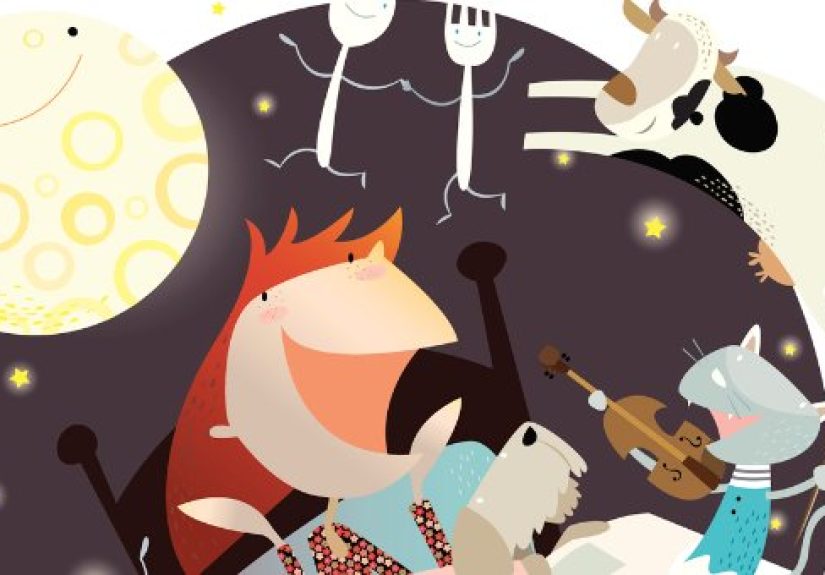
Adults sometimes underestimate nursery rhymes because they seem too simple. “The cow jumped over the moon” does not exactly sound like a graduate seminar. But simplicity is the secret. Young children learn through repetition, sound, rhythm, play, and emotional connection. Nursery rhymes combine all of those ingredients into one tidy little package.
When children hear rhymes, they begin noticing that words are made of sounds. “Cat,” “hat,” and “mat” are not just random words; they share a sound pattern. That awareness is part of phonological awareness, an important early literacy skill that helps children recognize and manipulate the spoken parts of language. Before a child can decode printed words, they benefit from hearing how spoken words work. Rhymes make that invisible sound system easier to hear.
Nursery rhymes also help children predict what comes next. If an adult says, “Twinkle, twinkle, little…” most children quickly learn to shout “star!” with the confidence of a game-show contestant. That moment matters. Prediction builds attention, memory, participation, and joy. It tells a child, “I know this. I belong in this language game.”
The Early Literacy Power Hidden in Rhyme
Early literacy does not begin when a child opens a workbook. It begins when a baby hears a caregiver’s voice, when a toddler claps to a chant, and when a preschooler giggles because “mouse” and “house” sound alike. Nursery rhymes help children develop several foundational skills long before formal reading instruction begins.
1. Phonological Awareness
Phonological awareness is the ability to hear and play with the sound parts of language, including words, syllables, rhymes, and individual sounds. Nursery rhymes give children a playful way to practice this skill. “Jack and Jill” teaches rhythm and rhyme. “Hickory Dickory Dock” adds a steady beat and a sequence of events. “One, Two, Buckle My Shoe” blends rhyme with counting. The child is not sitting there thinking, “Ah yes, I am strengthening my onset-rime recognition.” The child is thinking, “Again!” That is exactly the point.
2. Vocabulary Growth
Nursery rhymes introduce children to words they may not hear in everyday conversation. Words like “pail,” “tuffet,” “fiddle,” “clock,” “buckle,” and “merry” may sound old-fashioned, but they stretch a child’s language world. Even when children do not fully understand every word at first, repeated exposure gives them a chance to ask questions, connect meaning, and enjoy the music of language.
3. Memory and Sequencing
Many nursery rhymes have a clear order: this happened, then that happened, then everyone fell down, which, for reasons known only to childhood, is usually the funniest possible ending. This structure helps children practice sequencing. They learn beginnings, middles, and endings. They remember patterns. They retell events. Those skills later support reading comprehension, storytelling, and writing.
4. Listening and Attention
Rhymes are short enough for young attention spans but rich enough to reward listening. A child learns to wait for the next line, listen for a repeated sound, copy a movement, or fill in a missing word. These tiny listening tasks prepare children for larger classroom routines, from following directions to joining group discussions.
Nursery Rhymes as a Social Equalizer
Calling nursery rhymes a social equalizer may sound grand for something that often involves a spider climbing a waterspout. But the phrase fits. Nursery rhymes are accessible, flexible, and portable. They help reduce barriers because they do not depend on wealth, expensive technology, or specialized equipment. A parent can sing them while folding laundry. A teacher can use them during transitions. A librarian can turn them into a community event. A grandparent can pass them along while bouncing a child on one knee.
In early childhood, children arrive with different levels of exposure to books, conversation, songs, vocabulary, and print. Some homes have shelves full of picture books; others may have fewer materials because of cost, language barriers, work schedules, housing instability, or limited access to libraries. Nursery rhymes cannot erase those differences completely, but they offer a shared starting point. Everyone can join the chant. Everyone can clap the beat. Everyone can learn the funny ending.
This shared participation matters. A child who knows a rhyme can participate in circle time even before they can recognize letters. A shy child can join by doing hand motions. A child learning English can follow rhythm, gestures, and repeated words. A child who struggles with print can still experience success through oral language. Nursery rhymes create a classroom doorway wide enough for many kinds of learners.
Rhymes Build Confidence Before Reading Begins
Confidence is one of the most overlooked ingredients in early learning. Children are more likely to engage when they feel successful. Nursery rhymes create quick wins. The lines are short. The rhythm helps memory. The repetition lowers pressure. Even a child who knows only the last word can still participate.
Think of a teacher saying, “Humpty Dumpty sat on a…” and pausing. Children shout, “Wall!” That one-word response may seem small, but for a child who is quiet, new to the group, or still developing language, it is a public success. The child has contributed. The group has heard them. The rhyme has created a safe stage.
This is one reason nursery rhymes work beautifully in inclusive settings. They can be spoken, sung, signed, acted out, whispered, tapped, drawn, or dramatized. A child does not have to perform perfectly to belong. The rhyme carries the group along like a little language train, and everyone gets a seat.
The Cultural Value of Children’s Rhymes
Nursery rhymes are also pieces of cultural memory. Some are centuries old. Some have changed across regions and generations. Some began as songs, riddles, games, or fragments of oral tradition. Children’s folklore is rarely frozen in one “official” version. Kids adapt it, mishear it, improve it, and occasionally make it much weirder. That flexibility is part of its charm.
A rhyme passed from child to child has a different kind of power than a worksheet. It belongs to the group. Playground chants, jump-rope rhymes, counting-out games, and hand-clap songs show how children use rhythm and repetition to create community. They decide who is “it,” coordinate movement, test memory, and build social rules through play.
In multicultural classrooms, rhymes can become bridges. Teachers and families can invite children to share songs and rhymes from different languages and traditions. A Spanish fingerplay, an English lullaby, a Vietnamese counting rhyme, or a family-made bedtime chant can all sit comfortably in the same learning space. This approach tells children that language is not a competition where only one version wins. It is a shared table, and everyone can bring something delicious.
Why Repetition Is Not Boring for Children
Adults often get tired of repeating the same rhyme. Children do not. Children treat repetition like a favorite snack: familiar, reliable, and somehow still exciting the 47th time. Repetition helps children learn because each round gives them another chance to notice something new. First they hear the rhythm. Then they learn a phrase. Then they predict a rhyme. Then they experiment with changing a word.
Repetition also gives children control. The world can feel enormous and unpredictable when you are small. A familiar rhyme has rules. It starts the same way. It ends the same way. The spider goes up, the rain comes down, and yes, the spider tries again. That pattern can be comforting. It also teaches resilience without needing a motivational poster featuring a mountain.
How Nursery Rhymes Support Social and Emotional Learning
Nursery rhymes are not only about literacy. They support social and emotional development, too. Group chanting teaches turn-taking, listening, shared attention, and cooperation. Fingerplays help children connect words with movement. Lullabies and gentle rhymes can support bonding between caregiver and child.
Many rhymes also introduce emotions and social situations in a safe, playful way. Characters fall down, lose things, run away, bake cakes, chase animals, or try again after failure. The stories are tiny, but they give children chances to talk about feelings, consequences, and problem-solving. Why did Jack and Jill go up the hill? What happened after Humpty fell? Could Little Miss Muffet ask the spider to sit somewhere else, perhaps in a different zip code?
Humor is especially powerful. Children love silly language because silliness lowers the fear of being wrong. Nonsense words, funny sounds, and exaggerated gestures invite experimentation. When language feels like play, children are more likely to take risks with it.
Practical Ways Families Can Use Nursery Rhymes
Families do not need a formal lesson plan to make nursery rhymes useful. In fact, the best rhyme moments often happen naturally. A rhyme during bath time, a song in the car, or a chant while putting on shoes can turn ordinary routines into language practice.
Use Rhymes During Daily Transitions
Transitions can be hard for young children. Rhymes make them smoother. A cleanup chant, a handwashing song, or a bedtime rhyme gives children a predictable cue. Instead of saying “Put on your shoes” eleven times while questioning your life choices, try a short rhythmic phrase. Children often respond better when directions feel like play.
Pause and Let Children Fill In Words
One simple strategy is to pause before the rhyming word. Say, “Hickory dickory dock, the mouse ran up the…” and wait. This turns listening into participation. It also helps children practice prediction and sound matching.
Make Up New Versions
Children love remixing familiar rhymes. “Mary had a little lamb” can become “Maya had a purple cat.” “The wheels on the bus” can become “The snacks in the bag go crunch, crunch, crunch.” Creating new versions teaches children that language is flexible. It also proves that adults are occasionally useful for more than opening juice boxes.
Add Movement
Clapping, tapping, marching, bouncing, and finger movements help children feel rhythm in their bodies. Movement is especially helpful for active learners who may not want to sit still for long. A rhyme with motion gives them permission to learn while moving.
How Teachers Can Use Nursery Rhymes in the Classroom
In classrooms, nursery rhymes can support early literacy without turning play into pressure. Teachers can use them during circle time, small groups, transitions, music activities, or dramatic play. The key is to keep the experience joyful while adding intentional language practice.
For example, after reciting “Hey Diddle Diddle,” a teacher might ask children to identify the rhyming words “moon” and “spoon.” After “One, Two, Buckle My Shoe,” children can count, clap syllables, or act out each line. During “Pat-a-Cake,” children can practice rhythm, name letters, and take turns pretending to bake.
Teachers can also compare rhymes across cultures. A class might learn a familiar English rhyme and then invite families to share a song from home. This supports language pride and family engagement. It also helps children understand that everyone has songs, stories, and playful words worth hearing.
Nursery Rhymes and Bilingual Children
For bilingual and multilingual children, nursery rhymes can be especially valuable. Rhymes in a child’s home language support identity, family connection, and oral language development. Rhymes in English can help children hear new sound patterns in a low-pressure way. Both matter.
Children do not need to abandon one language to learn another. In fact, honoring home language can make school feel safer and more welcoming. When a classroom includes rhymes from multiple languages, children see that their family language is not something to hide. It is something that belongs in the room.
A bilingual rhyme session might include simple call-and-response songs, counting rhymes, fingerplays, or lullabies. Children can compare sounds, movements, and repeated words. They can notice that languages may rhyme differently, use rhythm differently, or tell stories in different patterns. That is not confusion. That is linguistic richness.
Are Old Nursery Rhymes Still Appropriate?
Some traditional nursery rhymes are strange. Some are outdated. Some contain images or ideas that may need explanation, adaptation, or replacement. That does not mean adults must throw the entire nursery-rhyme basket into the historical recycling bin. It means we can use judgment.
Educators and parents can choose rhymes that fit their values, update words when needed, and add newer rhymes that reflect modern childhood. The goal is not to preserve every old verse exactly as it was printed centuries ago. The goal is to use rhythm, repetition, rhyme, and shared language to help children grow.
In this way, nursery rhymes remain alive. They are not museum artifacts. They are tools. They can be adapted for today’s children, today’s families, and today’s classrooms.
The Digital Age Needs More Rhymes, Not Fewer
Children today have access to screens, apps, videos, and digital learning tools. Some are excellent. Some are basically glitter with a login screen. Nursery rhymes offer something technology cannot fully replace: live human interaction.
A child learns differently when a trusted adult sings directly to them, waits for their response, laughs at their invented word, and repeats the rhyme with their name in it. The back-and-forth exchange is the magic. Nursery rhymes are not just content. They are conversation starters.
This is why rhymes remain relevant. They are quick, human, adaptable, and emotionally warm. They help children connect sound with meaning while also connecting person to person. In an age of endless digital noise, a simple shared rhyme can feel almost revolutionary.
Experience Section: What Nursery Rhymes Teach Us in Real Life
The real beauty of nursery rhymes becomes obvious when you watch them in everyday life. Picture a preschool classroom on a rainy morning. The children arrive with different moods, different home languages, different breakfast situations, and different levels of enthusiasm for sharing blocks. Some are ready to talk. Some are quiet. One child is wearing rain boots and appears emotionally prepared to discuss puddles for the next six hours.
Then the teacher begins a familiar rhyme. The room changes. A few children clap. One child whispers the last word. Another child does the hand motions with intense seriousness, as if directing air traffic. The rhyme becomes a meeting place. Nobody needs to read a sentence. Nobody needs to own the right toy. Nobody needs to win. The group enters the same rhythm together.
At home, the experience can be just as powerful. A parent may not have time for a long educational activity after work, but a two-minute rhyme during dinner cleanup still counts. A grandparent may not know the latest reading app, but they know “This Little Piggy.” A tired caregiver may not feel like a perfect teacher, but singing a bedtime rhyme gives the child language, comfort, and connection. Sometimes the most meaningful learning moments are not polished. They happen with messy counters, mismatched pajamas, and someone singing slightly off-key.
Nursery rhymes also create memories that last. Many adults can still recite rhymes they learned decades ago, even if they cannot remember where they put their keys five minutes ago. That durability shows how rhythm and repetition help language stick. When children learn rhymes, they are not only practicing sounds. They are building emotional bookmarks. Later, those rhymes may remind them of a teacher’s smile, a parent’s lap, a library story hour, or a sibling laughing at a silly made-up version.
In community settings, rhymes can make early learning feel less intimidating. A family literacy night that begins with academic terms may scare some parents away. A rhyme circle, however, says, “Come join us.” Parents see that they already have tools to support learning. They do not need to become reading specialists overnight. They can talk, sing, clap, repeat, and play. That realization is empowering.
In multilingual families, nursery rhymes can also protect connection across generations. A child may learn English at school while hearing another language at home. Family rhymes help preserve that home language in a joyful way. They give grandparents and children something to share even when vocabulary gaps appear. The rhythm carries affection. The repeated words carry identity.
The experience of nursery rhymes reminds us that early education does not always need to be bigger, faster, louder, or more expensive. Sometimes it needs to be smaller and more human. A rhyme is small enough for a toddler to remember, flexible enough for a teacher to adapt, and strong enough to connect a room full of different children. That is why nursery rhymes endure. They turn language into play, play into belonging, and belonging into the confidence children need to learn.
Conclusion: Small Rhymes, Big Social Power
Nursery rhymes may look tiny, but they carry enormous educational and social value. They support phonological awareness, vocabulary, memory, listening, movement, confidence, and cultural connection. They help children participate before they can read. They invite families into learning without expensive tools or complicated instructions. They give classrooms a shared rhythm and children a joyful way to discover how language works.
Most importantly, nursery rhymes remind us that early literacy is not only about letters on a page. It is about voices, relationships, repetition, laughter, and belonging. When a group of children chants the same rhyme together, something quietly powerful happens: language becomes common ground. And common ground is where learning loves to begin.







 Close
Close