
Table of Contents >> Show >> Hide
- What Are Oats vs. Oatmeal (and Why the Words Get Confusing)
- Nutrition Highlights: What You’re Actually Getting in a Bowl
- Health Benefits of Oats and Oatmeal (What the Evidence Suggests)
- Potential Risks and Downsides (Because Even Oats Have a “But…”)
- How to Choose the Best Oats for Your Goals
- How to Make Oatmeal Taste Good (Without Needing a Pep Talk)
- Recipes: Easy Oatmeal and Oat-Based Ideas You’ll Actually Want to Eat
- Oats Beyond Breakfast: Sneaky Ways to Use Them All Day
- FAQs: Quick Answers People Actually Ask
- Real-Life Oatmeal Experiences (The Stuff No One Mentions on the Box)
- Conclusion: The Smart Way to Make Oats Work for You
Oats are the rare food that can be: (1) cheap, (2) boring-looking, and (3) genuinely impressive.
They’re basically the sweatpants of the pantryreliable, comforting, and surprisingly capable of
helping you pull your life together before 9 a.m.
This guide covers what oats and oatmeal actually are, what the research-backed benefits look like in
real life, who should be cautious, how to pick the right type, and a bunch of tasty recipes that don’t
taste like punishment. We’ll keep it practical, a little funny, and very much focused on the stuff you
can use at breakfast tomorrow.
What Are Oats vs. Oatmeal (and Why the Words Get Confusing)
Oats are a whole grain (the edible seed of the oat plant). The most “whole” form is the
oat groatthe intact kernel with the inedible hull removed. Most of the oats you buy have
been processed to cook faster and taste nicer.
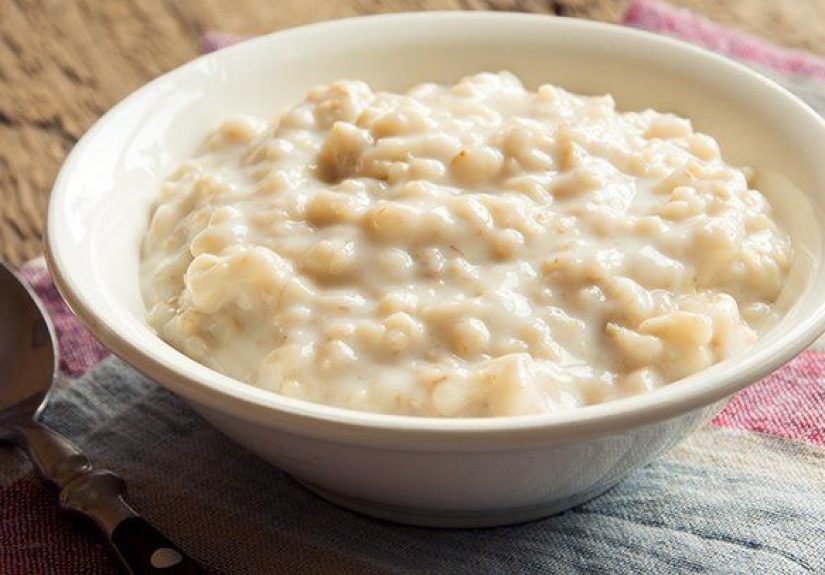
Oatmeal is the dish you make when you cook oats in water or milk (or a mix). So “oats”
are the ingredient; “oatmeal” is the warm bowl that makes you feel like an adult who owns matching
socks.
The Main Types of Oats (From Most Chewy to Most Instant)
- Steel-cut oats: Chopped groats. Chewier texture, longer cook time.
- Rolled oats (old-fashioned): Steamed and flattened. Classic oatmeal texture.
- Quick oats: Thinner rolled oats, cut smaller. Faster cooking, softer texture.
- Instant oats: Pre-cooked, dried, very fast. Often comes flavored (sometimes sugar-bomb flavored).
- Oat bran: The fiber-rich outer layer. Not the same as oatmeal, but great for boosting soluble fiber.
Nutrition Highlights: What You’re Actually Getting in a Bowl
Oats are mostly carbohydrates, but they’re also a solid source of protein for a grain,
plus a mix of vitamins and minerals like manganese, magnesium, phosphorus, iron, and zinc.
They also contain plant compounds called polyphenols, including oat-specific
avenanthramides.
A common serving is 1/2 cup dry rolled oats (about 40 grams). Cooked with water, it becomes
a bigger bowl than you’d expect and typically lands around the “light meal” zonefilling, but not
a food coma.
Fiber: The Real Star of the Oat Show
Oats contain both insoluble and soluble fiber, but the headline act is beta-glucan, a soluble
fiber known for forming a gel-like texture (that creaminess in oatmeal isn’t just vibesit’s chemistry).
Beta-glucan is a major reason oats show up in heart-health and blood-sugar conversations.
Health Benefits of Oats and Oatmeal (What the Evidence Suggests)
1) Heart Health: Helping Lower LDL (“Bad”) Cholesterol
Oats are best known for supporting heart health by helping reduce LDL cholesterol. Beta-glucan can
bind with bile acids in the gut. Since bile acids are made from cholesterol, your body may pull more
cholesterol from the bloodstream to replace themone reason regular oat intake can improve cholesterol
numbers over time.
The practical takeaway: oats aren’t a “one weird trick,” but they can be a steady, daily nudge in the
right directionespecially when oats replace more saturated-fat-heavy breakfasts.
2) Blood Sugar Support: Slower Digestion, Smoother Energy
Oatmeal can be a smart carb because the fiber (especially beta-glucan) may slow how quickly glucose
enters the bloodstream after a meal. Less-processed oats (like steel-cut or old-fashioned rolled) tend
to digest more slowly than instant oats, which can help with steadier energy and fewer “I need a snack
immediately” moments.
Translation: if you love instant packets, you can still make them workjust watch added sugars and
consider adding protein/fat (like Greek yogurt, nut butter, or eggs on the side) to slow the rise even more.
3) Gut Health: Feeding Your “Good” Bacteria
Some of the fibers in oats can be fermented by gut microbes. When that happens, your gut produces
short-chain fatty acids (SCFAs), which are associated with a healthier gut environment. You don’t have to
memorize the acronymsjust know that oats can support your microbiome in a way that refined carbs
generally don’t.
4) Fullness and Weight Management: The “Stay Satisfied” Factor
Oatmeal is famously filling. That’s a combo of volume (it absorbs liquid), fiber (slower digestion),
and modest protein. Many people find that oatmeal helps them make it to lunch without the mid-morning
snack spiral. It’s not magic; it’s just a breakfast that actually shows up for you.
Pro tip: if oatmeal leaves you hungry an hour later, it’s usually missing protein and/or
fat. Add one: chia seeds, hemp seeds, Greek yogurt, cottage cheese, nut butter, or serve
oatmeal alongside eggs.
5) Antioxidants: Avenanthramides (Yes, Oats Have a Fancy Side)
Oats contain unique antioxidants called avenanthramides. Research has explored their
antioxidant and anti-inflammatory activity. This doesn’t mean oats are a cure for anythingjust that
they offer more than “plain carbs.” Think of this as the bonus feature on an already solid breakfast.
Potential Risks and Downsides (Because Even Oats Have a “But…”)
1) Gluten Cross-Contact and Celiac Disease
Oats are naturally gluten-free, but they’re often grown, transported, or processed near wheat, barley,
or rye. That means cross-contact can happen. If you have celiac disease or are medically gluten-avoidant,
look for oats labeled gluten-free and consider discussing oat tolerance with a clinician
some people react to oat proteins even when gluten is controlled.
2) Digestive Discomfort (Especially If You “Go Oats” Overnight)
If you don’t eat much fiber and suddenly start inhaling giant bowls of oatmeal, your gut may file a complaint.
Gas, bloating, and cramping can happen. The fix is boring but effective: start with smaller portions and increase
gradually, and drink enough water.
3) Added Sugar and “Health Halo” Traps
Oats are healthy; some oat products are basically dessert cosplay. Flavored instant packets, oatmeal cookies,
and sugar-loaded granolas can turn “heart-healthy breakfast” into “my blood sugar is doing parkour.”
Read labels, and remember: you can sweeten oatmeal without turning it into cake.
4) Mineral Absorption (A Note on Phytates)
Like many grains and legumes, oats contain phytates, which can reduce absorption of certain
minerals (like iron and zinc) in the short term. In a balanced diet, this is usually not a big deal. If you’re
concerned (or you rely heavily on oats), soaking overnight or fermenting (hello, overnight oats) can reduce phytates.
How to Choose the Best Oats for Your Goals
If You Want the Most “Whole” Option
Go for steel-cut or old-fashioned rolled oats. They’re minimally processed,
have a satisfying texture, and are easy to dress up.
If You Need Speed (But Still Want Quality)
Quick oats are a good middle groundfaster than rolled, usually less sugar-trappy than instant packets.
If you buy instant, pick plain and add your own toppings.
If Gluten Is a Medical Issue
Choose oats clearly labeled gluten-free. If you’re unsure, prioritize single-ingredient oats
labeled gluten-free over mixed products (granola bars, cereals) where gluten sneaks in more easily.
How to Make Oatmeal Taste Good (Without Needing a Pep Talk)
The Basic Stovetop Ratio
A simple starting point is 1 part oats to 2 parts liquid for rolled oats. Steel-cut often needs
more liquid and more time. Adjust for your texture preference: more liquid = creamier; less liquid = thicker.
Upgrade Moves That Actually Matter
- Salt: A pinch makes oatmeal taste like food instead of wallpaper paste.
- Stir smart: Stir near the end for creaminess. Too much early stirring can make it gluey.
- Add protein: Greek yogurt, cottage cheese, or whisked egg whites (yes, it works) for extra staying power.
- Flavor layers: Cinnamon + vanilla + fruit beats “dump sugar and hope.”
Recipes: Easy Oatmeal and Oat-Based Ideas You’ll Actually Want to Eat
1) Classic Cinnamon-Apple Oatmeal
Ingredients: rolled oats, milk/water, diced apple, cinnamon, pinch of salt, walnuts (optional)
Simmer oats with liquid and salt. Add apples halfway through. Finish with cinnamon and walnuts.
Want it sweeter? Use a mashed banana or a drizzle of maple syruptiny drizzle, not “maple lake.”
2) Protein “Cheesecake” Overnight Oats
Ingredients: rolled oats, Greek yogurt, milk, chia seeds, vanilla, berries
Mix everything in a jar and refrigerate overnight. In the morning, top with berries. It tastes like dessert,
but your body recognizes it as breakfast and doesn’t call the snack police at 10 a.m.
3) Savory Oats with Egg and Scallions
Ingredients: rolled or steel-cut oats, broth (instead of water), soy sauce, sesame oil, egg, scallions
Cook oats in broth. Stir in a splash of soy sauce and a few drops of sesame oil. Top with a fried or soft-boiled egg
and scallions. If you’ve only ever had sweet oatmeal, this is your “plot twist” episode.
4) Blender Oat Pancakes
Ingredients: rolled oats, eggs, banana, baking powder, pinch of salt, cinnamon
Blend into batter, then cook like pancakes. Great for using up brown bananas and feeling like a weekend person
on a weekday.
5) No-Bake Oat Energy Bites
Ingredients: rolled oats, nut butter, honey (or date paste), chia/flax, cocoa nibs or dark chocolate chips
Mix, roll, chill. These are basically “responsible snacks” you can keep in the fridge for busy days.
Keep portions sensiblethey’re small but calorie-dense.
6) Baked Blueberry Oatmeal (Meal-Prep Friendly)
Ingredients: rolled oats, milk, eggs, baking powder, blueberries, cinnamon, pinch of salt
Mix, bake, slice into squares. Reheat during the week. If you want to feel like a person who has their
life together, baked oatmeal is a surprisingly effective illusion.
Oats Beyond Breakfast: Sneaky Ways to Use Them All Day
- Thicken soups: Blend oats into a powder and whisk in for body.
- Meatballs/meatloaf binder: Use oats instead of breadcrumbs.
- Crunch topping: Toast oats with cinnamon and a little oil; sprinkle on yogurt or fruit.
- Smoothies: A couple tablespoons of oats make smoothies creamier and more filling.
FAQs: Quick Answers People Actually Ask
Are steel-cut oats “healthier” than rolled oats?
They’re both nutritious whole-grain options. Steel-cut oats are less processed and often digest a bit more slowly,
but the bigger difference is usually how you top them. Plain oats + balanced toppings beats any oat type
covered in sugar.
Is oatmeal good every day?
For most people, yesdaily oats can fit well into a balanced diet. Variety still matters, so rotate proteins,
fruits, nuts, and other whole grains across the week.
What’s the healthiest way to sweeten oatmeal?
Try fruit (berries, apples, bananas), cinnamon, vanilla, or a small drizzle of maple syrup or honey.
If you’re using a lot of sweetener, it’s usually a sign your oatmeal needs salt, fat, or better flavor layers.
Real-Life Oatmeal Experiences (The Stuff No One Mentions on the Box)
Let’s talk about the human side of oatsthe lived reality of stirring a pot half-awake and wondering if this is
what adulthood is supposed to feel like. Below are common experiences people report and a few “been-there” tips
(illustrative examples, not personal medical advice).
Experience #1: The “Why Is This Glue?” phase. A lot of first-time oatmeal makers over-stir or
cook too hot. The result can be thick, sticky, and oddly reminiscent of craft paste. The fix is simple: lower
the heat, stir less early, and add a splash of liquid at the end. Oatmeal is forgivinglike a good friend who
pretends they didn’t notice you showed up late.
Experience #2: Instant oats are convenient… until they taste like a cupcake. Many people start
with flavored packets because they’re fast. Then they look at the sugar content and have a small existential
crisis in the cereal aisle. A popular workaround is “hybrid oatmeal”: use plain instant oats, then add cinnamon,
fruit, and a spoon of yogurt or nut butter. You keep the speed but regain control of the ingredients.
Experience #3: The fiber surprise. Oats can be a big jump in fiber if your usual breakfast is
toast or nothing. People often describe a few days of bloating or gas when they switch suddenly. What typically
helps is scaling up gradually (smaller bowls at first), drinking more water, and adding toppings that your gut
likes (berries, chia, yogurt). If your digestion is sensitive, some find that soaking oats (overnight oats) feels
gentler than a huge hot bowl on day one.
Experience #4: Oatmeal as a “routine anchor.” A surprising number of people stick with oats not
because it’s exciting, but because it removes decision fatigue. One base, infinite variations: apple-cinnamon on
Monday, peanut butter + banana on Tuesday, savory oats on Wednesday. That consistency can make it easier to hit
bigger goals like eating more whole grains, managing hunger, or cutting back on ultra-processed snacks.
Experience #5: The “my kids hate it” negotiation. If you’re feeding a family, oatmeal can turn into
a toppings bar situation. One kid wants strawberries, one wants chocolate chips, someone wants it “not hot,” and
suddenly you’re running an oat-themed diner. A common strategy is to keep the base mildly sweet (banana + cinnamon)
and let everyone customize. For picky eaters, baked oatmeal squares can feel more like a snack cake (with better
ingredients) and go over easier.
Experience #6: The budget win that doesn’t feel cheap. Oats are inexpensive per serving, store well,
and pair with affordable add-ins like frozen fruit, peanut butter, and eggs. People often describe oats as the
rare “healthy food” that actually makes grocery bills feel less dramatic. If you want to level up without spending
more, focus on technique (salt, proper ratio, better toppings) instead of fancy products.
Bottom line: oats aren’t a miracle food, but they’re one of the easiest “small changes” that can compound over time.
If you find a version you genuinely enjoy, it stops being a health chore and starts being a reliable part of your week.
Conclusion: The Smart Way to Make Oats Work for You
Oats and oatmeal earn their reputation because they’re a nutrient-dense whole grain with a standout soluble fiber
(beta-glucan), a decent protein punch for a grain, and a million ways to customize. The biggest wins come from
consistency and context: choose less-processed oats when you can, keep added sugars reasonable, and balance your
bowl with protein and healthy fats.
If you’re gluten-sensitive or have celiac disease, pick clearly labeled gluten-free oats and talk with a clinician
about whether oats fit your specific situation. And if oats upset your stomach at first, start smalleryour gut
usually appreciates a warm-up period.





 Close
Close