
Table of Contents >> Show >> Hide
- Why This Hits Different: Tattoos Are Art… and Also a Procedure
- What “Professional Behavior” Looks Like When Clothing Comes Off
- “It Got Weird Quickly”: Common Red Flags That Aren’t Just Socially Awkward
- What to Say in the Moment (Even If You Hate Confrontation)
- If You Leave Mid-Session: What to Do Next (For Your Skin and Your Sanity)
- Reporting Misconduct: Who to Contact (and Why It Matters)
- How to Choose a Studio That Won’t Make You Regret Leaving Your House
- For Artists and Shop Owners: The Standard You Set Is the Safety You Create
- Conclusion: If You Left Mid-Session, You Did Not “Overreact”
- Extra : Experiences People Commonly Share (Composite Stories)
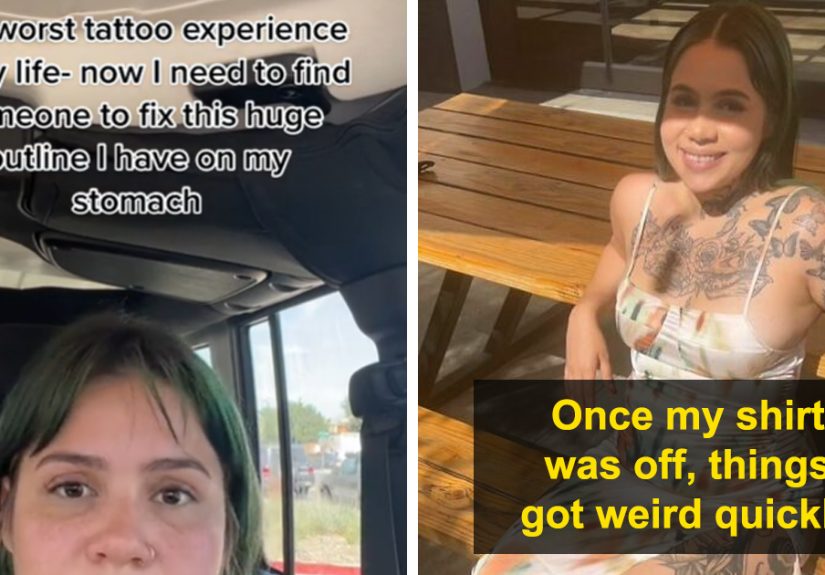
Getting a tattoo should feel like a collaboration: you bring the idea, the artist brings the skill, and together you create something permanent (on purpose). What it shouldn’t feel like is a suspense movie where the soundtrack kicks in the moment you take your top off. And yet, stories like “Once my shirt was off, things got weird quickly” keep popping uppeople walking out mid-session because an artist’s behavior crossed the line from awkward to unsafe.
This article breaks down what “professional” actually looks like in a tattoo studio, the red flags that matter, what to say when you need to stop, and what to do if you leave with an unfinished tattoo and a stomach full of regret. We’ll also cover how to report misconduct and how to pick a shop that treats your body like a clientnot a convenience.
Why This Hits Different: Tattoos Are Art… and Also a Procedure
A tattoo session isn’t just “hanging out while someone doodles.” Needles puncture the skinyour body’s protective barriermeaning hygiene, consent, and safety protocols aren’t optional “nice-to-haves.” They’re the bare minimum. When those standards slip, the risks go up: infections, allergic reactions, poor healing, and (in extreme cases) exposure to bloodborne pathogens.
That’s why professional studios treat tattooing like a controlled procedure. You’ll typically see: single-use needles, clean work surfaces, handwashing setups, proper gloves, sharps disposal, and written aftercare instructions. The vibe can still be funmusic, jokes, good conversationbut the workflow stays serious.
What “Professional Behavior” Looks Like When Clothing Comes Off
Let’s talk about the part nobody wants to talk about until they’re living it: tattoos sometimes require partial undressing. A good artist handles this with the same energy as a nurse adjusting a gown: calm, practical, respectful, and absolutely not weird.
Professional = Consent + Communication + Covering
- Clear explanation: “To tattoo this area, I’ll need access to your shoulder blade. A strapless top works, or we can use tape and draping.”
- Options: You’re offered alternatives (changing screen, towel/cloth drape, repositioning, different clothing choices).
- Privacy: Doors/curtains if available, minimal traffic, no surprise visitors.
- Neutral language: No comments about your body. None. Not “compliments.” Not “jokes.” Not “I’m just being honest.”
- Check-ins: “Are you comfortable?” means comfortphysical and emotionalnot “Are you okay with me doing whatever I want?”
The moment you feel pressured, rushed, mocked, or “handled,” the session stops being a service and starts becoming a power imbalance. And power imbalance is where things get dangerous fast.
“It Got Weird Quickly”: Common Red Flags That Aren’t Just Socially Awkward
Not every uncomfortable moment is misconduct. Sometimes you’re nervous, the chair is annoying, or the artist is simply quiet. But these are the red flags that deserve your full attention:
Red Flags About Boundaries and Consent
- Unnecessary undressing: Asking you to remove more clothing than required for the placement.
- No draping: Leaving you exposed when a towel/cover could easily be used.
- “Just trust me” pressure: Dismissing your discomfort instead of addressing it.
- Sexual comments or “jokes”: About your body, your clothing, your relationship status, or anything that makes you feel reduced.
- Unexplained touching: Touching areas not needed for the tattoo, or failing to narrate necessary contact (“I’m going to stretch the skin here”).
Red Flags About Safety and Professionalism
- Sloppy hygiene: Not changing gloves appropriately, cluttered/dirty station, questionable sterilization habits.
- Impairment: Smell of alcohol, behavior that suggests intoxication, or reckless decision-making.
- Chaotic studio vibe: Random people hovering, filming without consent, constant interruptions.
- Hostility when questioned: If asking “Can you cover me?” triggers anger, that’s information.
Here’s the rule of thumb: you’re allowed to feel safe and respected and informed. If any of those disappear, you don’t need a courtroom-level explanation to pause the session. Your body is not a group project.
What to Say in the Moment (Even If You Hate Confrontation)
Many people freeze because they don’t want to be “dramatic,” “rude,” or “that client.” But you know what’s actually dramatic? Ignoring your gut while someone holds a needle over your skin. Try these scriptsshort, clear, hard to argue with.
Quick Scripts That Work
- To request draping: “I need to be covered. Please use a towel or drape before we continue.”
- To stop touching: “Please don’t touch me there. Only the tattoo area.”
- To reset tone: “I’m here for a professional session. Let’s keep it professional.”
- To pause: “I need a break. I’m going to step out for a minute.”
- To end the session: “I’m done for today. Please wrap the tattoo. I’m leaving.”
If your voice shakes, that’s fine. If you need to repeat yourself, repeat yourself. If you want to text a friend “call me right now,” do it. Politeness is not a safety plan.
If You Leave Mid-Session: What to Do Next (For Your Skin and Your Sanity)
Walking out mid-session can feel surreallike you’re leaving a restaurant before the appetizer shows up, except the appetizer is already in your arm. The good news: stopping is allowed. The important part is managing the unfinished tattoo properly.
Step 1: Get the Area Safely Covered
Ideally, the artist wraps the tattoo before you go. If you don’t feel safe letting them do that, you can ask for basic supplies and wrap it yourself. Wash your hands, cover with a clean dressing, and avoid letting clothing rub directly on the fresh work.
Step 2: Treat It Like a Fresh Tattoo
Follow standard aftercare: gentle cleaning, avoid soaking, don’t pick scabs, and keep the area moisturized as recommended by reputable aftercare guidance. Normal healing can include redness, soreness, and mild clear fluid early onbut worsening pain, spreading redness, pus, fever, or chills are not normal. If you suspect infection or a serious reaction, contact a healthcare professional promptly.
Step 3: Document While It’s Fresh
- Write down what happened (timeline, exact comments, who was present).
- Save messages, booking confirmations, receipts, and any deposit policy screenshots.
- Take photos of the tattooed area (good lighting, multiple angles).
Documentation isn’t about “being petty.” It’s about clarity. When emotions settle, details blurand you deserve a clear record if you decide to report.
Reporting Misconduct: Who to Contact (and Why It Matters)
Tattoo regulation in the U.S. is often handled at the state or local levelfrequently through health departments or permitting systems. That means the best place to report hygiene violations, unsafe practices, or shop misconduct is typically local public health oversight.
Where Reports Commonly Go
- The shop owner or manager: Especially if the artist is an employee and you want internal action.
- Local health department / permitting authority: For sanitation, licensing, and inspection-related concerns.
- State consumer protection office or attorney general: For unfair business practices, fraud, or refusal to address serious complaints.
- Better business complaint channels: Useful when you’re seeking resolution (refunds, response, accountability).
- Law enforcement: If you experienced sexual assault, coercion, threats, or unwanted sexual touching.
- Confidential support hotlines: If you want help processing options before deciding what to do next.
Reporting does two things: it creates a record, and it can prevent repeat harm. Even if you don’t want a public fight, a private report can help oversight agencies identify patternsespecially if multiple people report the same shop or artist.
If It Was Sexual Harassment or Assault
If the behavior involved unwanted sexual touching, coercion, threats, or anything that makes you fear for your safety, consider contacting a confidential support resource. In the U.S., the National Sexual Assault Hotline offers free, confidential 24/7 support: 800-656-HOPE (4673), and online chat is available. You can also seek medical care even if you’re unsure about reporting. Your safety comes first.
How to Choose a Studio That Won’t Make You Regret Leaving Your House
The best defense is a good studio. Not a studio with “cool neon signage” (though neon has feelings too), but one with systems: policies, cleanliness, professional boundaries, and a culture where clients are treated like humans.
Before You Book, Look for These Signals
- Visible permits/certifications: Many jurisdictions require permits for shops and/or individual artists.
- Clean, organized stations: Think “medical-adjacent,” not “garage band rehearsal.”
- Clear consent practices: They explain placement, exposure, draping, and what touch will be necessary.
- Good communication: They answer questions without sarcasm or defensiveness.
- Client-first policies: Aftercare instructions, rescheduling rules, deposit terms clearly stated.
Questions You’re Allowed to Ask (Yes, Allowed)
- “What’s your approach to draping for chest/back/rib tattoos?”
- “Can I bring a friend?”
- “Do you have a private area or curtain if I need to change?”
- “What’s your process for opening needles and setting up ink?”
- “If I need to pause or stop, what happens with the deposit?”
A professional studio won’t act offended. They’ll act prepared.
For Artists and Shop Owners: The Standard You Set Is the Safety You Create
Most tattoo professionals are solid, respectful, and serious about hygiene. But the industry doesn’t benefit from pretending misconduct never happens. Studios can reduce harmand protect their reputationsby putting boundaries into policy, not vibes.
Best Practices That Protect Clients (and the Business)
- Draping protocol: Towels/drapes always available; minimal necessary exposure; explicit consent for repositioning.
- Two-way communication: Encourage clients to speak up; normalize breaks and stopping.
- No-comment culture: Zero tolerance for body remarks, “flirting,” or sexual humor directed at clients.
- Training and accountability: Hygiene, boundaries, complaint response, and documentation procedures.
- Clear escalation path: Clients know who to contact if something goes wrong.
“We’re like a family here” is not a policy. A written standard is.
Conclusion: If You Left Mid-Session, You Did Not “Overreact”
If your body told you something was off, leaving was a rational responseespecially in a situation involving needles, partial undressing, and vulnerability. You’re not obligated to finish a tattoo just because you started one. You’re not obligated to manage someone else’s feelings because they couldn’t manage basic professionalism.
The goal isn’t to be fearless. The goal is to be empowered: know the red flags, have words ready, take care of your skin, document what happened, and report when you can. A tattoo is permanent. Discomfort should not be.
Extra : Experiences People Commonly Share (Composite Stories)
The tricky thing about “weird” behavior in a tattoo setting is that it often starts smalljust plausible enough that you second-guess yourself. Below are composite experiences (not one person’s exact story) drawn from patterns people commonly describe when talking about uncomfortable or unsafe sessions. If any of these feel familiar, you’re not aloneand you’re not “too sensitive.”
1) The Sudden Wardrobe Upgrade Nobody Ordered
A client books a shoulder or upper-back tattoo and wears a button-down shirt for easy access. The artist says, “Just take everything offit’ll be easier.” No drape appears. No privacy is offered. The client feels exposed, but worries they’ll seem difficult for requesting a towel. In a professional studio, “easier” should never mean “more vulnerable.” The client’s comfort is part of the setup, not an inconvenience.
2) The “Compliment” That Isn’t a Compliment
Another client describes an artist making comments that are framed as flattering: “You’ve got a great body for this placement,” or “Don’t worry, I’ve seen everything.” The problem is the underlying message: your body is being evaluated, not respected. Even if the words aren’t explicitly sexual, they can feel invasiveespecially when you’re partially undressed and physically stuck in place. A normal reaction is to freeze. A healthier option is to name it: “Please keep comments about my body out of the session.”
3) The Mystery Hands Situation
Skin stretching is sometimes necessary, and repositioning happens. But clients often describe the discomfort of “unexplained touching” hands placed without warning, contact lingering longer than needed, or touching areas unrelated to the tattoo. The difference between professional and alarming is communication. “I’m going to stretch the skin here” (with a clear gesture and a short touch) feels completely different than silent contact that makes you wonder what’s happening.
4) The Power Move: Deposits, Deadlines, and Guilt
One of the most common reasons people stay when they want to leave: money. Deposits. A fear of being labeled “a problem client.” Some clients report feeling cornered“If you stop now, you lose your deposit,” said with the tone of a threat. A deposit policy should be transparent and fair. It should never be used as leverage to keep someone in a situation where they feel unsafe. If you leave, you can sort out finances later. Safety is not a line item.
5) The Aftermath: Relief First, Then the Spiral
Many people say the first emotion after leaving is relieffollowed by self-doubt (“Did I misread it?”), then anger (“Why did that happen?”), and sometimes embarrassment (“What if they tell people I’m dramatic?”). That emotional whiplash is common. If you can, talk to someone you trust, write down what happened, and give yourself permission to take it seriously. Your discomfort was data. You acted on it. That’s not dramathat’s self-protection.






 Close
Close