
Table of Contents >> Show >> Hide
- Why Matte Black Painted Furniture Works So Well
- Best Types of Furniture to Paint Matte Black
- How to Choose the Right Black Paint Finish
- Prep Work: The Unsexy Step That Makes Everything Better
- How to Paint Furniture Matte Black for a Smooth Finish
- Do You Need a Topcoat on Matte Black Painted Furniture?
- How to Style Matte Black Furniture Without Making a Room Feel Heavy
- Mistakes to Avoid With Matte Black Painted Furniture
- Final Thoughts
- Experience: What Matte Black Painted Furniture Is Really Like to Live With
- SEO Tags
There are paint colors that politely blend into a room, and then there is matte black, which strolls in like it owns the lease, steals the best light, and somehow still looks sophisticated about it. On furniture, matte black has a way of making old pieces feel sharper, moodier, and far more expensive than they probably were when you rescued them from a garage sale, a dusty attic, or that dark corner of the basement where abandoned side tables go to reflect on their life choices.
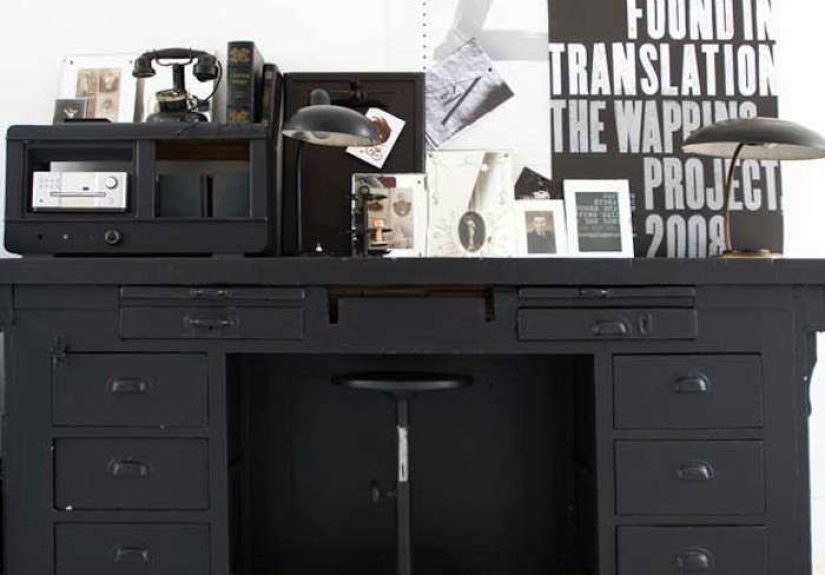
Matte black painted furniture is not just trendy décor theater. Done well, it can anchor a room, disguise visual clutter, highlight beautiful silhouettes, and give mismatched pieces a cleaner, more intentional identity. A plain dresser becomes sculptural. A tired bookcase suddenly looks custom. Even a basic wood nightstand can develop “designer item in a boutique hotel” energy with the right prep and paint.
The magic, however, is not in the color alone. The best matte black furniture projects succeed because the painter understands surface prep, sheen, durability, and styling. Black paint is dramatic, yes, but it is also honest. It shows bumps, scratches, heavy brush marks, and rushed shortcuts with the ruthless efficiency of a tax auditor. That means the secret to beautiful black furniture is not bravery. It is patience.
In this guide, we will walk through why matte black painted furniture works so well, what kinds of pieces look best in this finish, how to prep and paint for a smooth result, when to use a topcoat, and how to style black furniture so your room feels collected rather than gloomy. If you have been flirting with the idea of painting a dresser, desk, buffet, console, cabinet, or side table black, this is your sign. Put on old clothes, grab a screwdriver, and prepare to become emotionally invested in a nightstand.
Why Matte Black Painted Furniture Works So Well
Matte black has a soft, velvety appearance that feels contemporary without being cold. Unlike glossy black, which bounces light and draws attention to every curve and imperfection, matte black absorbs light in a more subtle way. That muted finish creates a calm, tailored look that can lean modern, farmhouse, industrial, vintage, traditional, or even a little bit dramatic-with-a-library-card.
One reason matte black furniture is so popular is that it acts like a visual anchor. In a room full of pale walls, natural wood, woven textures, or white upholstery, a black-painted piece gives the eye somewhere to land. It adds contrast without demanding ten supporting actors. A matte black dresser against a warm white wall feels crisp. A black console beneath a brass mirror feels elevated. A painted black hutch paired with wood floors feels grounded and rich.
Black is also incredibly forgiving from a design perspective. It pairs beautifully with oak, walnut, marble, rattan, brass, chrome, linen, leather, glass, greenery, and just about every metal finish people argue about on the internet. If your home mixes old and new, matte black can be the bridge that makes the room look intentional rather than accidental.
Another perk is that black paint can visually simplify furniture. If you have a piece with odd wood tone, patchy stain, or too many competing details, black unifies it. Decorative trim, carved legs, raised drawer fronts, and vintage hardware often stand out more once the entire piece is coated in one moody, low-luster finish.
Best Types of Furniture to Paint Matte Black
Not every piece needs to go dark, but some furniture practically begs for a matte black makeover. The strongest candidates usually fall into one of three categories: pieces with good shape, pieces with bad finish, or pieces that need more visual weight.
Dressers and Chests
Dressers are among the best furniture-painting projects because they offer a lot of surface area and a big payoff. A matte black dresser can feel sleek and modern with minimalist hardware, or classic and moody with antique brass pulls. If the original wood finish is scratched, orange-toned, or uneven, black paint can completely transform the piece.
Nightstands and Side Tables
These smaller pieces are perfect if you want to test the look without committing to an entire dining set. Black nightstands work especially well in bedrooms with white bedding, warm woods, or layered neutrals. A matte black side table can also sharpen up a living room that feels a little too beige and a little too committed to being “safe.”
Buffets, Hutches, and Consoles
Large storage pieces gain instant presence in matte black. A buffet in a dining room can become a focal point rather than background furniture. A painted hutch can feel more architectural. Entryway consoles also look fantastic in black, especially when styled with a mirror, lamp, books, or a ceramic vase full of branches you absolutely did not steal from the neighbor’s tree.
Bookcases and Cabinets
Open shelving and bookcases painted black create strong contrast behind books, art, and objects. Glass-front cabinets in matte black can feel tailored and expensive. For pieces that get frequent use, though, it is smart to think about durability and whether a true matte finish or a slightly tougher low-sheen enamel is the better call.
How to Choose the Right Black Paint Finish
This is where many DIY projects either become gorgeous or become cautionary tales. “Matte black” sounds simple, but you still need to think about paint type and finish level. Matte or ultra-matte paint offers the look many people want: soft, velvety, and modern. Chalk-style and mineral-style furniture paints are popular for this reason, and many are easy to distress or soften for a more aged appearance.
But here is the practical truth: the flatter the finish, the less washable and hard-wearing it may feel in high-touch situations. A side table in a guest room can absolutely live a happy life in a beautiful matte finish. A heavily used dresser, kitchen island stool, or toy-storage cabinet might be better off with a durable furniture or cabinet enamel in matte, satin, or a low-luster finish that still reads soft but resists fingerprints and scuffs more gracefully.
If you love the matte black look but need better performance, consider this compromise: use a high-quality cabinet or furniture paint with excellent leveling, or apply a protective clear topcoat in a compatible low-sheen finish. That way, you keep the moody aesthetic without making your furniture emotionally fragile.
Prep Work: The Unsexy Step That Makes Everything Better
If painting furniture had a villain, it would be impatience. Matte black paint will not hide greasy residue, glossy varnish, flaky old finish, or sanding dust that has been casually “blown off” with all the care of a birthday candle. Proper prep is what separates a rich, smooth result from a piece that looks like it was painted during a power outage.
1. Remove Hardware and Drawers
Take off knobs, pulls, hinges, and removable parts before you paint. It makes the work cleaner and helps you avoid those awkward little paint ridges around hardware. Label screws in small bags if needed. Future You will be grateful and much less dramatic.
2. Clean Thoroughly
Furniture collects more oils, dust, polish residue, and mystery stickiness than most people realize. Clean the entire piece well, especially around drawer pulls, edges, and top surfaces. Skipping this step is a fantastic way to turn adhesion into a fantasy instead of a plan.
3. Sand or Degloss
You do not always need to sand down to bare wood, but you usually do need to scuff the surface so primer and paint can grip. Light sanding is especially important on glossy, sealed, or previously varnished furniture. After sanding, wipe away every bit of dust.
4. Repair Imperfections
Fill dents, gouges, or old hardware holes if needed. Matte black can minimize some visual chaos, but it will not politely pretend a crater is a design feature.
5. Prime When Appropriate
Primer is your friend when painting over slick finishes, stained wood, laminate, repaired areas, or surfaces with potential bleed-through. It also helps produce more even color, which matters because black can look patchy if the base is inconsistent. Some self-sealing furniture paints reduce the need for primer on certain surfaces, but when in doubt, prime the problem piece and save yourself the muttering later.
How to Paint Furniture Matte Black for a Smooth Finish
Once the prep is done, the actual painting feels much more rewarding. Use a brush, foam roller, sprayer, or a combination depending on the furniture shape and your preferred finish.
Use Thin, Even Coats
Do not try to reach full, dramatic blackness in one heroic coat. That path leads to drips, texture, and regret. Thin, even coats build smoother coverage and cure more evenly. Let each coat dry properly before applying the next.
Choose the Right Tools
A good synthetic brush can help with spindles, corners, and carved details. A small foam roller often creates a smoother look on flat drawer fronts, side panels, and cabinet doors. Spray paint or a paint sprayer can deliver a very even result on detailed pieces, though it requires careful setup and ventilation.
Sand Lightly Between Coats if Needed
If the surface feels rough after priming or between coats, a very light sanding can help refine the finish. Wipe off dust before continuing. This is especially helpful when black paint starts revealing every tiny texture issue like a brutally honest mirror.
Let the Piece Cure
Dry and cured are not the same thing. Furniture paint may feel dry to the touch long before it is ready for real-life use. Go easy on drawers, tabletops, and hardware until the finish has had time to harden properly. The paint needs a little peace and quiet before it joins the workforce.
Do You Need a Topcoat on Matte Black Painted Furniture?
Sometimes yes, sometimes no. It depends on the paint you used, how the piece will be used, and what finish you want in the end. Some furniture paints are self-sealing and durable enough on their own for many projects. Others benefit from added protection, especially on tabletops, desks, dressers, entryway furniture, and anything that is going to deal with cups, keys, bags, children, pets, or humans who believe coasters are a personal insult.
A clear topcoat can improve resistance to scratches, spills, and everyday wear. Water-based polyurethane and other clear protective finishes are popular because they dry relatively fast, have lower odor than older oil-heavy options, and come in different sheens. If preserving the matte look matters most, choose the flattest compatible topcoat you can find and always test first. Some clear finishes can slightly deepen color or alter the softness of a dead-flat black finish.
Wax is another option on some chalk-style painted furniture, especially for decorative or lighter-duty pieces. It can create a lovely hand-finished look, but it generally requires more maintenance than a tougher clear coat. In short: if the piece is mostly for looks, wax may be enough. If the piece works for a living, give it better armor.
How to Style Matte Black Furniture Without Making a Room Feel Heavy
The fear with black furniture is always the same: “Will this make the room look dark?” The answer is no, not if you balance it correctly. Matte black works best when it has something to play off of. Contrast is the whole point.
Pair It With Warm Wood
One of the best companions for matte black is natural wood. Oak, walnut, cane, and rustic wood tones soften the look and add warmth. A black dresser with wood picture frames or a black console styled with a walnut lamp base feels layered and inviting.
Use Metals for Lift
Brass, aged bronze, and even chrome can brighten a black-painted piece. Swapping old hardware for sleek black knobs creates a monochrome look, while brass or antique gold adds contrast and glamour.
Add Light and Texture
White walls, linen curtains, boucle upholstery, woven baskets, stone accessories, and greenery help keep black furniture from reading flat or severe. Matte black loves texture. It may be dramatic, but it does not want to be alone.
Repeat Black Around the Room
A single black-painted piece can look accidental if nothing else in the room nods to it. Repeat black in small ways through frames, lighting, hardware, or textiles so the furniture feels integrated into the palette.
Mistakes to Avoid With Matte Black Painted Furniture
Skipping prep: The number one issue in furniture painting is poor adhesion because the surface was dirty, glossy, or dusty.
Choosing flat paint for a high-abuse piece without protection: Beautiful is good. Beautiful and durable is better.
Using thick coats: Black paint gets heavy-looking fast when applied too thickly.
Ignoring room balance: A black-painted piece needs contrast, texture, or repeated accents to feel intentional.
Rushing cure time: Fresh paint needs time before drawers are slammed and lamps are dragged across the top like tiny home-improvement crimes.
Final Thoughts
Matte black painted furniture is popular for good reason. It is timeless, bold, flexible, and surprisingly elegant. It can modernize a thrifted find, calm down a too-orange wood finish, and give almost any room more shape and definition. The key is not simply picking black paint and hoping for cinematic results. It is choosing the right piece, doing the prep, using the right product, and respecting the finish enough to let it cure properly.
If you want a furniture makeover that feels high-impact without requiring a full room renovation, matte black is one of the smartest places to start. It is dramatic without being loud, neutral without being boring, and stylish without needing to explain itself. In other words, it is the little black dress of painted furniture, only heavier and much less forgiving if you spill primer on it.
Experience: What Matte Black Painted Furniture Is Really Like to Live With
Once you start living with matte black painted furniture, you notice something immediately: it changes the mood of a room faster than almost any other DIY project. The first time I painted a worn-out wood side table matte black, the whole corner around it looked more deliberate. The lamp looked better. The books looked better. Even the plant looked like it had finally been assigned the correct desk. That is the strange power of black furniture. It does not just improve the piece itself; it often edits the room around it.
The second thing you notice is that matte black feels more sophisticated in person than it often does in photos. In photos, black can read stark or trendy. In real life, especially with a soft finish, it can feel calm, grounded, and almost architectural. On a dresser with clean lines, the paint can make the shape look more sculptural. On an older piece with carved details, black can make the trim and shadow lines stand out in a way the original stain never did. It is especially satisfying when a cheap or dated item suddenly looks like something you would have tried to justify buying at an upscale home store.
There are practical experiences too, of course. Matte black furniture can hide ugly wood tones and old patchwork repairs beautifully, but it is not magic. It still rewards a gentle touch. On low-traffic pieces, it ages gracefully and often develops character. On high-use surfaces, you become very aware of whether you chose the right paint and whether you protected it well. A side table may stay lovely for ages, while a heavily used desk will quickly teach you the difference between “dry” and “fully cured.” That lesson usually arrives right after someone slides a laptop across it with the confidence of a person who did not do the painting.
Styling matte black furniture is also easier than people expect. It plays well with warm woods, creamy whites, brass accents, ceramics, woven baskets, and green plants. In fact, those pairings are where matte black really comes alive. A black nightstand with a linen shade and an antique brass pull feels rich but relaxed. A black buffet under a large mirror can make a dining room feel more polished without feeling too formal. In homes that mix old and new pieces, black furniture often acts like the peacemaker at Thanksgiving. Suddenly the vintage chair, modern lamp, and inherited chest stop arguing and start looking like a collected design choice.
The emotional experience is maybe the best part. Painting furniture matte black can be oddly confidence-building. You stop seeing ugly furniture as a dead end and start seeing it as raw material. That scratched-up cabinet at the thrift store? Potential. That hand-me-down dresser with the orange finish? Potential. That sad little table nobody wanted? Potential with a capital P. There is real satisfaction in taking something overlooked, doing the prep properly, and ending up with a piece that looks custom, expensive, and unmistakably yours. Matte black painted furniture does not just change wood and hardware. It changes how you see the possibilities in your home.




 Close
Close