
Table of Contents >> Show >> Hide
- Why Baby Spa Photos Took Over the Internet
- What Is a Baby Spa?
- The Real Reason These Photos Feel So Adorable
- Do Babies Actually Enjoy Spa Sessions?
- Safety Comes Before the Snapshot
- What Parents Should Ask Before Visiting a Baby Spa
- Why Infant Massage May Be the Best Part
- The Social Media Side of Baby Spa Photos
- Why the Trend Appeals to Modern Parents
- Are Baby Spas Necessary?
- Specific Examples of Baby Spa Moments People Love
- Extra Experiences: What a Baby Spa Visit Can Feel Like for Parents
- Conclusion: Cute, Calm, and Worth Thinking Through
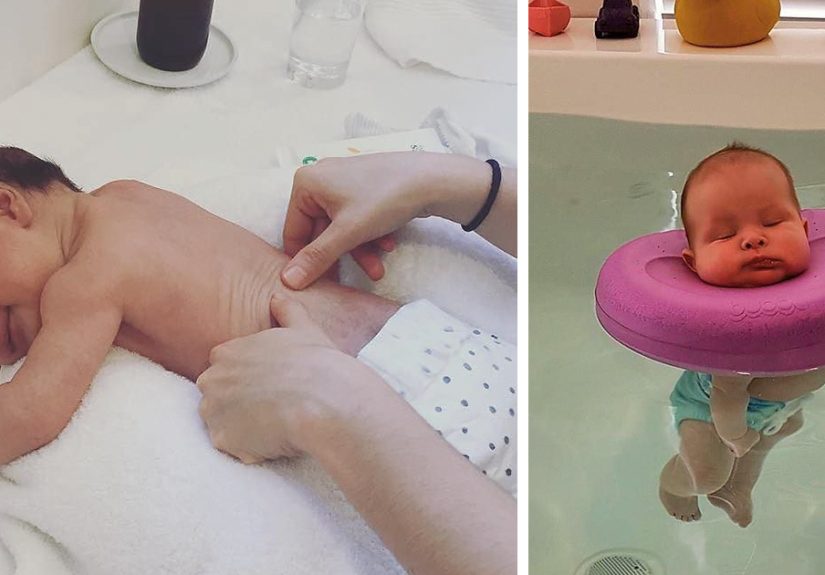
There are cute baby photos, and then there are baby spa photos: tiny humans floating in warm water, wearing expressions that say, “I have absolutely no ollectively melted when photos of babies enjoying spa-style hydrotherapy and gentle infant massage began spreading online. The cheeks, the sleepy eyes, the tiny kicks, the serious “I run this place” energyhonestly, adults have paid more for less peace.
The viral fascination around baby spa photos is not just about adorable images. It taps into a bigger parenting trend: modern families looking for safe, soothing, sensory-rich experiences that encourage bonding, relaxation, and early body awareness. Baby spas, especially those made famous by places like Baby Spa Perth and other infant wellness studios, often combine warm-water floating sessions with parent-guided massage. The result looks like a luxury resort commercial, except the clients wear diapers and occasionally hiccup.
But behind the cuteness overload, there is a serious side worth discussing. Infant hydrotherapy, baby massage, water safety, neck floats, online photo sharing, and realistic expectations all deserve attention. So yes, we are here to admire the squishy spa babies. But we are also here to look at what parents should know before booking a baby float session or posting that impossibly cute photo online.
Why Baby Spa Photos Took Over the Internet
Baby spa photos work because they combine two things people already love: babies and absurdly calm spa vibes. A newborn floating in a warm tub while adults hover nearby like nervous assistants? Comedy gold. A baby looking more relaxed than a retired millionaire on vacation? Even better.
The most famous viral examples often show babies supported in warm water, gently moving their arms and legs while wearing a specially designed flotation device. Some spas follow the float with a soft massage using baby-safe oil. Visually, it is irresistible: round cheeks, miniature swimsuits, tiny toes, and facial expressions that range from “deeply relaxed” to “I demand cucumber water.”
These photos spread quickly because they feel both surprising and wholesome. Most people associate spas with stressed-out adults, not infants whose biggest daily crisis is a delayed bottle. That contrast makes the images funny, shareable, and deeply charming.
What Is a Baby Spa?
A baby spa is usually a wellness-style studio designed for infants, often from the newborn stage up to several months old, depending on the facility’s rules. Services vary, but many baby spas include warm-water movement, gentle floating, sensory play, parent education, and infant massage.
Baby Hydrotherapy
Baby hydrotherapy generally refers to supervised movement in warm water. The idea is that water gives babies a sense of buoyancy, allowing them to move their arms and legs in ways they cannot fully do on land yet. Warm water may feel soothing, and some parents say their babies appear calmer afterward.
Still, it is important to separate cute marketing from medical claims. A baby spa session should not be treated as a cure for developmental delays, sleep problems, colic, or medical conditions. Parents should speak with a pediatrician before trying any new wellness service, especially if the baby was born premature, has breathing issues, has heart concerns, has skin problems, or has any special medical needs.
Infant Massage
Infant massage is more familiar to pediatric experts and parents. Gentle baby massage may support bonding, relaxation, better awareness of infant cues, and soothing routines. Many parents use it after bath time or before bedtime to create a calm transition. The key is gentle pressure, a warm room, clean hands, baby-safe oil if used, and careful attention to the baby’s signals.
If a baby turns away, stiffens, cries, arches, becomes fussy, or seems overstimulated, that is not a “push through it” moment. That is the baby’s customer review, and it says: one star, please stop.
The Real Reason These Photos Feel So Adorable
Baby spa photos are more than cute because they show babies in a state adults rarely see: fully relaxed and hilariously dignified. A baby floating in warm water often looks like a tiny CEO after closing a major business deal. The contrast between the baby’s size and the spa-like setting creates instant humor.
There is also something emotionally powerful about seeing babies cared for so gently. The best baby spa images capture a peaceful triangle: baby, caregiver, and calm environment. Parents are nearby, watching carefully, smiling, and sometimes looking more emotional than the baby. That is part of the magic. The photo is not only about a floating infant; it is about the tenderness around that infant.
Do Babies Actually Enjoy Spa Sessions?
Some babies seem to love warm water. They kick, splash, blink slowly, and relax into the experience. Others are less impressed. They may cry, freeze, make suspicious eye contact, or deliver a facial expression that says, “I was not consulted.” Both reactions are normal.
Babies are not tiny adults. They cannot explain whether they feel relaxed, cold, hungry, tired, or annoyed by the lighting. Parents and trained staff must read body language carefully. A pleasant baby spa session should be short, closely supervised, warm, hygienic, and responsive. It should never become a performance where the photo matters more than the baby’s comfort.
Safety Comes Before the Snapshot
The internet loves adorable baby spa photos, but water safety must always come first. Babies can drown in very shallow water, and drowning can happen silently and quickly. That means constant, close adult supervision is non-negotiable around tubs, pools, spas, buckets, sinks, and any water container.
Important Water Safety Rules for Parents
- Never leave a baby alone in or near water, not even for a moment.
- Keep one attentive adult close enough to touch the baby at all times.
- Do not rely on flotation toys as safety devices.
- Use only clean, warm water and stop if the baby seems cold or uncomfortable.
- Ask about staff training, sanitation, emergency procedures, and infant CPR knowledge.
- Talk to your pediatrician before using baby spa services if your child has health concerns.
Neck floats deserve extra caution. Some baby spa photos show infants wearing ring-style flotation devices around the neck. U.S. safety agencies have warned that these products can create serious risks, including slipping, submersion, injury, and false confidence. A product that looks adorable in a photo is not automatically safe. Parents should research carefully, follow pediatric guidance, and avoid using questionable float devices at home.
What Parents Should Ask Before Visiting a Baby Spa
Before booking, parents should treat a baby spa the way they would treat any service involving an infant: with curiosity, caution, and a healthy amount of “please show me your cleaning protocol.” A reputable baby spa should welcome safety questions, not dodge them.
Questions Worth Asking
- What ages do you accept, and why?
- How is the water cleaned and changed between babies?
- What temperature is the water kept at?
- What training do staff members have?
- Are parents required to stay within arm’s reach?
- What flotation products are used, and are they compliant with current safety standards?
- What happens if a baby cries, vomits, gets cold, or seems distressed?
- Do you have written emergency procedures?
If a facility treats these questions like an inconvenience, that is useful information. A baby spa should be cute, but it should never be casual about safety.
Why Infant Massage May Be the Best Part
While the floating photos usually get the most attention, infant massage may be the most practical part for parents to take home. A gentle massage routine can become a sweet daily ritual, and it does not require a luxury studio, a dramatic towel wrap, or a baby who looks like they are about to renew a country club membership.
Parents can massage a baby’s legs, arms, feet, back, or tummy using soft, slow strokes. The goal is connection, not technique perfection. Babies respond to warmth, rhythm, eye contact, and a calm voice. A parent humming during massage may not win a Grammy, but the baby is usually a forgiving audience.
The safest approach is simple: wait at least 45 minutes after feeding, choose a time when the baby is calm but awake, avoid strong fragrances and essential oils, test any oil on a small skin patch, and stop if the baby seems unhappy. For newborns, premature babies, or babies with medical issues, parents should check with a pediatrician first.
The Social Media Side of Baby Spa Photos
Baby spa photos are made for social media. They are funny, sweet, and almost guaranteed to collect comments like “I can’t handle this” and “This baby is living better than me.” But parents should think before posting publicly.
Sharing children’s photos online creates a digital footprint before the child is old enough to understand or consent. That does not mean parents can never share joyful moments. It means they should be intentional. Consider using private albums, limiting the audience, turning off location data, avoiding full names, and skipping photos that reveal addresses, clinic names, school logos, or routines.
A baby spa photo can be adorable without being fully public. The grandparents will still melt. The group chat will still scream. The baby will still have no idea they are famous among twelve relatives and one overly enthusiastic aunt.
Why the Trend Appeals to Modern Parents
Parenting today can feel like a marathon conducted while sleep-deprived and covered in mystery crumbs. Baby spa culture appeals because it offers parents something rare: a structured moment of calm. The baby is soothed, the parent is present, and the environment is designed to feel gentle rather than chaotic.
For many parents, the true value is not that the baby becomes stronger, smarter, or more advanced after one session. It is that the family gets a peaceful experience together. In a season filled with feeding schedules, diaper changes, laundry, and “Was that a normal noise?” searches at 2 a.m., a quiet bonding ritual can feel meaningful.
Are Baby Spas Necessary?
No. Babies do not need spa appointments to thrive. They need loving caregivers, safe sleep, proper feeding, regular pediatric care, tummy time, clean diapers, affection, and protection from hazards. A baby spa is an optional experience, not a parenting requirement.
That said, optional experiences can still be enjoyable. A carefully run baby spa may offer a memorable bonding activity. But parents can create many similar benefits at home through warm baths, gentle touch, singing, cuddling, and responsive care. Your baby does not know whether the towel came from a boutique spa or the laundry pile. Your baby knows whether they feel safe, warm, and loved.
Specific Examples of Baby Spa Moments People Love
The most shared baby spa photos usually fall into a few adorable categories. First, there is the “tiny Zen master” photo: baby floating peacefully with half-closed eyes, looking like they just finished a guided meditation. Second, there is the “confused potato” photo: baby staring at the camera as if questioning every decision made by the adults in the room. Third, there is the “splash champion” photo: legs kicking, water moving, face delighted, parents laughing nearby.
Another popular moment is the post-float massage, when the baby is wrapped in a towel and looks like a burrito with opinions. These images work because they capture personality before words. Even very young babies communicate through expressions, body posture, eye contact, and movement. A good photo catches that tiny spark of character.
Extra Experiences: What a Baby Spa Visit Can Feel Like for Parents
For first-time parents, walking into a baby spa can feel both exciting and slightly ridiculous. You may be carrying a diaper bag large enough for a weekend trip, while your baby arrives with the relaxed confidence of someone who did not pack a thing. The room is usually warm and calm, with soft lighting, clean towels, gentle voices, and the faint sense that everyone is trying very hard not to disturb the smallest VIP in the building.
The first few minutes are often about adjustment. Some babies look around with wide eyes. Others immediately relax, as if they have been waiting for this appointment since the womb. Parents, meanwhile, may feel a mix of awe and nervousness. Seeing a baby in water can trigger every protective instinct at once. That is healthy. A good provider should explain each step, keep the parent close, and make it clear that the baby’s comfort controls the pace.
When the baby begins to move in the water, the experience can become unexpectedly emotional. Tiny legs kick. Little hands open and close. A serious face suddenly turns into a gummy smile. Parents often notice movements they do not see on a play mat because water supports the baby differently. It can feel like getting a preview of the child’s personality: curious, cautious, energetic, dramatic, or deeply committed to relaxation.
The massage portion can be even more meaningful. Parents learn to slow down and observe. Is the baby enjoying leg strokes? Do they prefer feet? Are they getting sleepy? Are they done? This kind of attention builds confidence. New parents often worry that they are missing signals, but massage teaches them to watch, pause, and respond. In that way, the experience is not just pampering for the baby; it is practice in communication.
There is also the humor. A baby may enter the water looking peaceful and then produce a face worthy of a courtroom objection. Another may kick with such seriousness that everyone jokes about future Olympic training. Some babies fall asleep after all the excitement, leaving parents whispering as if they have just witnessed a miracle. And yes, someone will probably say, “Must be nice to have a spa day before you can even sit up.” They will be correct.
At home, families can recreate the best parts without copying the risky parts. A warm bath with constant touch supervision, a soft towel, a short massage, low lights, and a calm song can become a beautiful routine. The goal is not to manufacture a viral photo. The goal is to create a tiny pocket of peace in the wild, messy, wonderful job of caring for a baby.
Conclusion: Cute, Calm, and Worth Thinking Through
People can’t handle how cute these baby spa photos are because they are genuinely adorable. They show babies floating, relaxing, kicking, and being cared for in a way that feels tender and funny at the same time. The images are charming because they turn everyday infant care into a miniature luxury experience, complete with warm water, soft towels, and expressions that belong on motivational posters.
Still, parents should enjoy the trend with clear eyes. Baby spas are optional, safety matters more than aesthetics, and water requires constant supervision. Infant massage can be a lovely bonding tool, but it should be gentle, responsive, and appropriate for the baby’s health. Social media sharing can be joyful, but privacy deserves thought. In the end, the sweetest baby spa moment is not the one with the most likes. It is the one where the baby feels safe, loved, comfortable, and maybe just a little bit like royalty.




 Close
Close