
Table of Contents >> Show >> Hide
- Jump to
- The Only Pie Crust You Need (and How Not to Anger It)
- Blind Baking & Soggy-Bottom Insurance
- Fruit Pie Playbook (Plus 3 Pie Recipes)
- Custard & Gooey Classics (Plus 3 Pie Recipes)
- Chilled Pies (Plus 3 Pie Recipes)
- A Savory Pie That Counts as Dinner: Chicken Pot Pie
- Troubleshooting: When Pie Fights Back
- Make-Ahead, Storage, Reheating
- Real-Life Pie Experiences (Extra ~)
- Conclusion
Pie is the most honest dessert on Earth: it’s basically fruit (or custard) wearing a buttery hat.
And like all hats, the fit matters. This guide gives you a single, reliable crust and a lineup of
pie recipes you can actually pull offwhether you’re going for “county fair legend” or “I made this
between Zoom calls and nobody needs to know.”
You’ll get practical formulas, specific examples, and the little technique tweaks that separate
“nice pie” from “why are people texting me about my pie at midnight?”
The Only Pie Crust You Need (and How Not to Anger It)
If you learn one thing about pie recipes, make it this: crust is temperature management with a side
of patience. Your goal is cold fat + minimal mixing + enough resting time for the dough to chill out
(literally and emotionally).
Basic All-Butter Double Crust (1 top + 1 bottom)
This is the “wear it with everything” crust: sweet, savory, lattice, solid top, pot pieno drama.
- 2 1/2 cups (300g) all-purpose flour
- 1 tsp kosher salt
- 1 tbsp sugar (optional but helpful for browning)
- 1 cup (226g) unsalted butter, cold and cubed
- 1/2 to 2/3 cup ice water (start small; add as needed)
- Mix dry ingredients. Whisk flour, salt, and sugar.
-
Cut in butter. Work the butter into the flour until you have a mix of
pea-size and smaller pieces. Those cold butter pockets become flaky layers later. -
Hydrate gently. Drizzle in ice water a tablespoon at a time, tossing with a fork.
Stop when the dough holds together when you squeeze it. If it looks a little shaggy? Congrats. That’s perfect. -
Divide & chill. Split into two disks, wrap, and refrigerate at least 1 hour
(overnight is great). -
Roll with intention. Roll from the center out, rotating the dough often.
Transfer by rolling it onto the pin, then unrolling into the dishno stretching.
Crust upgrades (optional, not required)
-
Vinegar or vodka: A small splash can make dough easier to roll and help keep it tender.
(Also: if someone asks why there’s vodka in your pie, say “science” with confidence.) -
Half butter, half shortening: Slightly easier handling and very flaky resultsuseful
if your kitchen runs warm or you’re learning. -
Crumb crust: If you want pie fast, press-and-bake crusts (graham cracker, cookie, etc.)
are your shortcut with zero shame attached.
Blind Baking & Soggy-Bottom Insurance
Blind baking means baking the crust before (or partly before) adding filling. It’s your best friend for
custards and no-bake pies, and it’s also the reason your pie doesn’t taste like wet flour.
When to blind bake
- Fully blind bake: no-bake fillings (banana cream, chocolate cream, chilled pies).
- Par-bake: quick-baking fillings (many custards) or super-juicy fillings.
- Usually not needed: long-baking double-crust fruit pies (apple, cherry), unless your filling is extremely wet.
How to blind bake (simple method)
- Chill shaped crust. At least 30 minutes in the fridge after it’s in the pie dish.
- Dock. Prick the bottom lightly with a fork (especially for par-baking).
- Line & weigh. Foil or parchment, then fill with pie weights, dry beans, or even sugar.
- Bake. Start hot (around 400–425°F) until the edges set; remove weights and bake longer for color, depending on your pie.
Pro move: match crust color to the pie. Pale is fine for a fruit pie that bakes forever. Deep golden
is better for custards. Darker still is ideal for no-bake fillings. Your crust is the foundationdon’t build a house on a sponge.
Fruit Pie Playbook (Plus 3 Pie Recipes)
Fruit pies are basically controlled chaos. You’re balancing sweetness, acidity, and thickening so you
get slicesnot fruit soup with a lid.
The fruit pie formula (works for almost any fruit)
- Fruit: 6–8 cups sliced (apples), or 4–6 cups (berries/cherries), depending on density.
- Sugar: 1/2–1 cup, depending on fruit sweetness.
- Acid: 1–2 tbsp lemon/lime juice (makes flavor pop).
- Thickener: cornstarch (clear), flour (more opaque), tapioca (stable, glossy).
- Flavor: salt + spices (cinnamon/nutmeg) or herbs (thyme for stone fruit is sneakily great).
Recipe 1: Deep-Dish Apple Pie That Doesn’t Collapse Into Sadness
Apples shrink as they bake. The secret to a tall, sliceable apple pie is acknowledging reality and
letting the apples do some shrinking before they meet your crust.
- Filling: 7–8 cups sliced apples, 3/4 cup sugar, 2 tbsp lemon juice, 2–3 tbsp cornstarch, 1 tsp cinnamon, pinch of nutmeg, pinch of salt.
- Optional upgrade: warm apples with sugar and spices for 8–10 minutes until slightly softened, then cool.
- Roll bottom crust, fill dish, chill while you mix filling.
- Toss apples with everything; if pre-cooking, cool before filling the crust.
- Fill high (it settles). Dot with a little butter if you’re feeling romantic.
- Top with lattice or full crust. Vent if it’s a full top.
- Bake on a sheet pan (bubbling happens). Start hot, then lower temp until bubbling thickly in the center.
- Cool at least 3 hours before slicing. Warm pie is delicious, but it’s also structurally a lava lamp.
Recipe 2: Sour Cherry Pie (Bright, Not Candy-Sweet)
- Filling: 5–6 cups pitted sour cherries (fresh or thawed), 3/4 cup sugar, 3 tbsp cornstarch, 1 tbsp lemon juice, 1 tsp vanilla, pinch of salt.
- Mix filling; let it sit 10 minutes so juices start flowing.
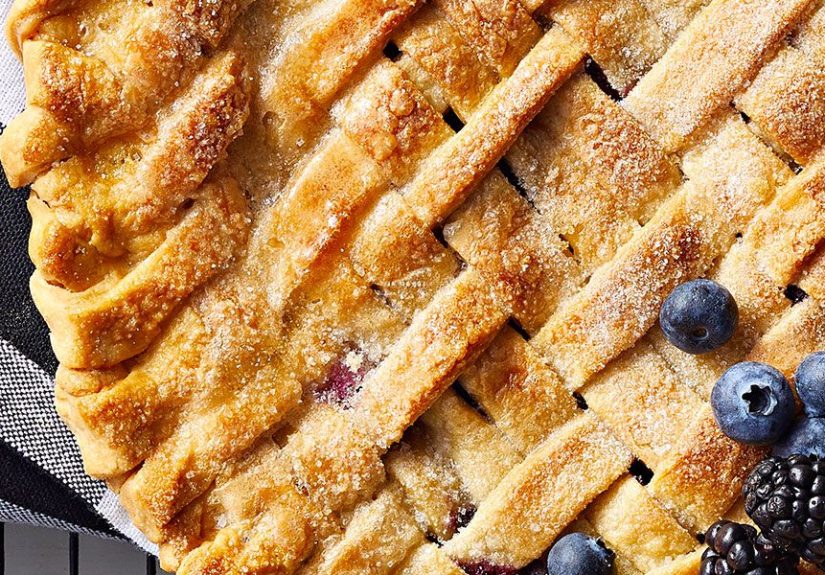
- Fill bottom crust; top with lattice for maximum “I totally meant to do that” vibes.
- Bake until juices bubble thickly through the lattice. That bubbling is your thickener activating.
- Cool fully for clean slices.
Recipe 3: Blueberry Lemon Crumble Pie (Because Crumble = Forgiveness)
If lattice makes you nervous, crumble is your training wheelsand it tastes like victory.
- Filling: 5–6 cups blueberries, 2/3 cup sugar, zest of 1 lemon, 2 tbsp lemon juice, 3 tbsp cornstarch, pinch of salt.
- Crumble: 3/4 cup flour, 1/2 cup brown sugar, 1/2 tsp cinnamon, 6 tbsp melted butter, pinch of salt.
- Par-bake bottom crust 10–15 minutes if you want extra crispness.
- Fill crust; sprinkle crumble evenly.
- Bake until the center bubbles and crumble is deeply golden.
Custard & Gooey Classics (Plus 3 Pie Recipes)
Custard pies are about gentle heat. You’re cooking eggs until they set without scrambling, cracking,
or turning grainy. The pie should jiggle slightly in the centerlike it’s waving hello, not doing the worm.
Recipe 4: Classic Pumpkin Pie (Silky, Not Spongy)
- Filling: pumpkin purée, cream (or evaporated milk), sugar, eggs, cinnamon, ginger, nutmeg, salt, vanilla.
- Use a par-baked crust if you hate soggy bottoms (and you should).
- Whisk filling gently; don’t whip air into it.
- Bake hot briefly, then lower the temperature to finish setting evenly.
- Pull when edges are set and center still has a small wobble.
Recipe 5: Pecan Pie (Gooey, Toasty, Not Burnt)
Pecan pie is sweet, but it doesn’t have to be one-note. Toasting the pecans and using a good pinch of salt
gives you depth instead of pure sugar shoutiness.
- Filling: eggs, corn syrup (or a blend of light/dark), sugar, melted butter, vanilla, salt, pecans.
- Toast pecans 8–10 minutes; cool.
- Whisk filling; pour over pecans in crust.
- Bake at 350°F until the center is set with a slight jiggle. Cool completely before slicing.
Recipe 6: Chess Pie (The Southern “Pantry Pie” You’ll Brag About)
Chess pie is what happens when a few humble ingredients decide to become iconic. It’s buttery, sweet,
tangy, and surprisingly elegant.
- Filling: sugar, butter, eggs, a little cornmeal, a splash of vinegar or lemon, vanilla, salt.
- Par-bake crust.
- Mix filling (no need to overwork); pour into crust.
- Bake until set with a gentle center wobble. Cool before cutting.
Chilled Pies (Plus 3 Pie Recipes)
These pies are the “look fancy, effort manageable” category. Most require a fully baked crust and some patience
while everything chills into sliceable perfection.
Recipe 7: Key Lime Pie That’s Actually the Right Color
Spoiler: authentic key lime pie is usually more yellow than neon green. Egg yolks will do that. Let them.
- Crust: graham cracker crumbs + melted butter + a bit of sugar + salt, baked briefly.
- Filling: sweetened condensed milk, egg yolks, key lime juice, zest.
- Bake crust 6–10 minutes; cool.
- Whisk filling; pour into crust.
- Bake briefly to set, then chill thoroughly before topping with whipped cream.
Recipe 8: Lemon Meringue Pie (For People Who Enjoy a Little Drama)
Lemon meringue pie is three acts: crisp crust, tangy curd, fluffy cloud top. The secret is gentle egg handling and good timing.
- Crust: fully blind baked.
- Filling: lemon juice, sugar, starch (for thickening), egg yolks (tempered), butter.
- Meringue: egg whites + sugar, beaten to glossy peaks.
- Cook lemon filling until thick; temper yolks so they don’t scramble; finish with butter.
- Pour hot filling into crust.
- Spread meringue to the edges (seal it), then bake until lightly browned.
Recipe 9: Banana Cream Pie (The Crowd-Please-Until-It’s-Gone Pie)
- Crust: fully blind baked (crumb crust works too).
- Filling: vanilla pudding-style custard (milk/cream, sugar, starch, yolks), chilled.
- Assembly: sliced bananas + custard + whipped cream.
- Make custard; chill with plastic wrap pressed onto the surface (prevents a skin).
- Layer bananas in crust; add custard; top with whipped cream.
- Chill before slicing. Then watch it disappear.
A Savory Pie That Counts as Dinner: Chicken Pot Pie
Pot pie is comfort food with a top hat. It’s also wildly practical because the filling can be made ahead,
and the pie tastes even better when the flavors have time to mingle.
Recipe 10: Double-Crust Chicken Pot Pie (Weeknight Hero Edition)
- Filling idea: cooked chicken, carrots, peas, celery, onion, thyme, creamy gravy.
- Crust: double crust or top crust only (top-only is easier and still delicious).
- Cook vegetables; make a thick gravy (butter + flour + stock + dairy).
- Stir in chicken and peas; cool slightly so it doesn’t melt your crust instantly.
- Fill crust, top, vent, and bake until golden and bubbling.
Troubleshooting: When Pie Fights Back
“My crust shrank!”
- Cause: dough was stretched, warm, or didn’t rest.
- Fix: chill after fitting into the dish, avoid pulling dough to fit, and give it time to relax before baking.
“My crust is tough.”
- Cause: too much water or overmixing (gluten gym membership activated).
- Fix: add water slowly, stop mixing early, and handle dough like it’s a shy animal.
“My fruit pie is runny.”
- Cause: not enough thickener, underbaked filling, or sliced too soon.
- Fix: bake until you see thick bubbles; cool fully before cutting; consider pre-cooking apples for deep-dish pies.
“My pumpkin/custard pie cracked.”
- Cause: overbaked or baked too hot for too long.
- Fix: pull when edges are set and center still wobbles slightly; cool gradually.
“My meringue wept.”
- Cause: sugar not fully dissolved or meringue not sealed to crust edges.
- Fix: beat until glossy; spread to touch crust all around; avoid humidity if possible (yes, weather can bully your pie).
Make-Ahead, Storage, Reheating
Make-ahead wins
- Pie dough: make in advance and chill overnight; freeze disks for later.
- Blind-baked crust: bake ahead and store tightly wrapped (great for busy holiday schedules).
- Fruit filling: can be mixed ahead; apples can be pre-cooked for stability.
Storing pies (the “don’t poison your friends” section)
- Egg- or dairy-based pies (pumpkin, pecan, custard, cream): refrigerate after cooling, and don’t leave out for extended periods.
- Fruit pies: can often sit at room temperature for a bit, but refrigerating extends freshness.
- Freezing: many baked pies freeze well if wrapped tightly; thaw in the fridge for best texture.
Reheating tips
- Fruit pies: warm slices in a low oven for crispness.
- Custard/cream pies: usually best served chilled (heat can wreck texture).
If you only remember one storage rule: custard-style pies belong in the fridge. Your future selfand your guestswill thank you.
Real-Life Pie Experiences (Extra ~)
The first real pie experience most people have isn’t a perfect sliceit’s a moment of mild panic when the dough
sticks to the counter like it’s trying to form a long-term relationship. This is normal. Pie dough has two
primary hobbies: staying cold and testing your character. The win isn’t “never mess up.” The win is learning
what to do when the dough gets soft, the edges tear, or the whole thing threatens to become an abstract art
installation titled Butter Regrets.
In a typical home kitchen, the best “aha” moment comes when you stop treating pie like a fragile performance
and start treating it like a routine. Chill the dough. Roll it. If it cracks, patch it. If it warms up, chill it again.
Pie rewards calm, repetitive steps. The more you bake, the more you notice small patterns: how a slightly thicker
rim browns better; how a pie shield (or even a strip of foil) saves your crust edges; how fruit pies suddenly become
sliceable once you let them cool long enough to stop bubbling like a cartoon cauldron.
There’s also a special kind of pie confidence that only arrives after you’ve made one that looks messy but tastes
incredible. That’s when you learn the truth: pie is forgiving. Lattice strips can be uneven. Crimping can be “rustic.”
The filling can bubble over and caramelize on the pan, and somehow the kitchen smells like victory. People will still
take seconds. They will still ask for the recipe. They will still say, “Waityou made this?” as if your oven
personally granted you a baking degree.
The funniest part is how pie-making changes the way you shop and plan. You start buying apples and thinking in ratios:
“How many cups is this?” You start noticing thickeners. You develop opinions about butter temperature, as if you’re
running for office on a platform of “Keep It Cold.” You also discover the strange joy of make-ahead pie life: dough
disks in the freezer, a blind-baked crust stashed like treasure, a pre-mixed crumble topping waiting for its moment.
It’s not just convenienceit’s freedom. You can decide, at 8 p.m. on a random Tuesday, that tomorrow deserves pie.
And then there’s the serving momentthe universal pie experiencewhen you cut the first slice. If it’s a fruit pie,
there’s that tiny pause as you see whether it holds. If it does, you feel like a wizard. If it doesn’t, you pivot
instantly: “We’re doing warm pie bowls tonight,” you announce, and suddenly it’s a cozy dessert on purpose. For custard
pies, you learn the satisfaction of a clean, silky slice that looks like you planned it for a magazine shoot. Either
way, the best pie experiences always end the same way: someone quietly scraping the plate with a fork because the last
bite is somehow even better than the first.




 Close
Close