
Table of Contents >> Show >> Hide
- The Origins of the Pierre Jeanneret Lounge Chair
- Design Characteristics of the Pierre Jeanneret Lounge Chair
- The Influence of Le Corbusier on Jeanneret’s Design
- The Chair’s Revival in the 21st Century
- Why the Pierre Jeanneret Lounge Chair is a Timeless Classic
- Experiences with Pierre Jeanneret’s Lounge Chair
- Conclusion: Pierre Jeanneret’s Lounge Chair, A Legacy in Design
When it comes to iconic mid-century modern furniture, few pieces stand out like the Pierre Jeanneret Lounge Chair. The chair’s minimalist design, combined with its understated elegance, represents the pinnacle of timeless functionality and craftsmanship. Known for its architectural simplicity and comfort, this chair is more than just a seating pieceit’s a statement of style and history.
The Origins of the Pierre Jeanneret Lounge Chair
The Pierre Jeanneret Lounge Chair was designed by the Swiss architect Pierre Jeanneret in collaboration with his cousin, Charles-Édouard Jeanneret-Gris, who is famously known as Le Corbusier. Both of these pioneering figures helped shape the modernist movement, and their designs reflect an understanding of space, function, and materiality.
The lounge chair was originally designed for the Chandigarh project in India, a city planned by Le Corbusier in the 1950s. As part of the furniture selection for the newly designed capital, Pierre Jeanneret was tasked with creating practical, comfortable, and aesthetically appealing furniture for government buildings. The chair has since become a symbol of mid-century modern design and is often sought after by collectors and design enthusiasts.
Design Characteristics of the Pierre Jeanneret Lounge Chair
The Pierre Jeanneret Lounge Chair is a perfect example of mid-century modern design principles. It combines functional simplicity with organic materials, creating a piece that is both visually appealing and supremely comfortable. Here are some key features that make the lounge chair unique:
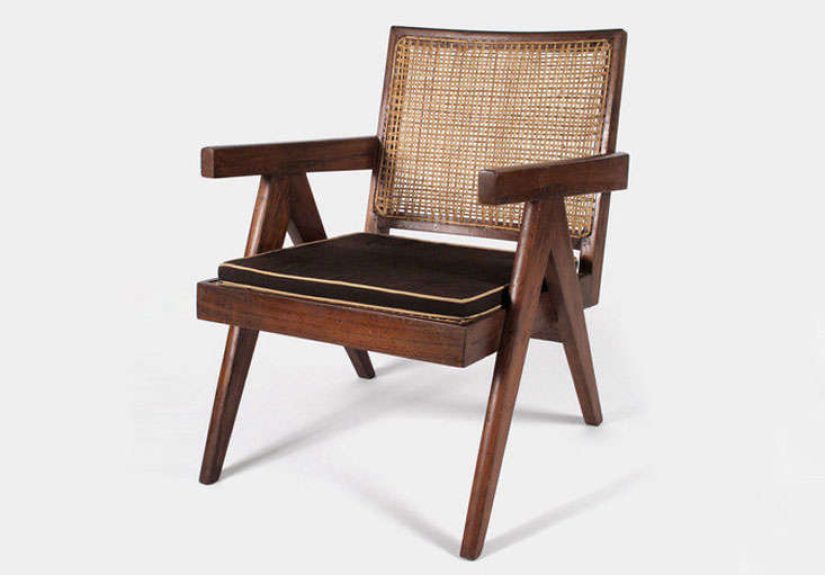
- Material Selection: The chair is crafted from solid wood, typically teak, which gives it a natural, warm appearance. The use of wood also makes the chair sturdy yet lightweight.
- Minimalist Structure: The chair’s structure is clean and uncomplicated, featuring geometric lines and shapes. Its simple design ensures that the focus remains on the form and the materials used.
- Ergonomic Comfort: The seat and backrest of the chair are carefully designed to provide maximum comfort. The proportions of the chair are ideal for lounging, with a slightly reclining back and a low seat height that invites relaxation.
- Innovative Upholstery: Although the wood frame is the most noticeable element, the upholstery choices vary. Original versions featured a woven cane backrest, while contemporary versions may use leather or fabric. This choice in materials complements the chair’s versatile nature.
The Influence of Le Corbusier on Jeanneret’s Design
It’s impossible to discuss Pierre Jeanneret’s Lounge Chair without acknowledging the influence of his cousin, Le Corbusier. Le Corbusier’s architectural philosophy was centered on the idea of creating “machines for living,” and his design approach reflected a belief that architecture and furniture should serve the needs of the human body and mind.
Jeanneret’s lounge chair aligns perfectly with this philosophy. It’s a “machine” in the sense that it’s both highly functional and meticulously designed for comfort. The combination of wood and woven cane also reflects Le Corbusier’s obsession with industrial materials, often incorporating them into furniture designs that were modern, yet rooted in tradition.
The Chair’s Revival in the 21st Century
Although the Pierre Jeanneret Lounge Chair originally had a specific function within the context of the Chandigarh project, its revival in the 21st century has cemented its place as a design classic. In recent years, there has been a growing interest in mid-century modern furniture, and Jeanneret’s lounge chair is one of the most coveted items in this genre.
Modern reproductions and vintage pieces can be found in design showrooms and auctions around the world. Designers and homeowners alike are drawn to the chair’s ability to fit seamlessly into contemporary living spaces, while still maintaining a sense of history and tradition. Its presence in homes and offices adds an element of sophisticated simplicity, reflecting the continued relevance of the mid-century modern movement.
Why the Pierre Jeanneret Lounge Chair is a Timeless Classic
The appeal of the Pierre Jeanneret Lounge Chair lies in its perfect balance between form and function. Its timeless design has allowed it to transcend its original purpose and become an emblem of design sophistication. Several factors contribute to its lasting popularity:
- Versatility: Whether placed in a contemporary living room, a minimalist office, or a chic hotel lobby, the chair blends well with various interior styles.
- Comfort: The ergonomic design of the chair ensures that it provides lasting comfort, which is a rarity in many designer pieces. Its backrest and seat are perfectly aligned for relaxation, making it a favorite for those who want both beauty and function.
- Historical Significance: As a product of a major architectural project led by Le Corbusier, the chair carries with it a historical legacy. It represents the ideals of modernism and the vision of two of the 20th century’s most influential designers.
Experiences with Pierre Jeanneret’s Lounge Chair
Owning or simply experiencing the Pierre Jeanneret Lounge Chair is often described as a unique experience in itself. The chair is not just a piece of furniture; it’s a conversation starter, a work of art that invites admiration and reflection.
Design enthusiasts who have had the opportunity to interact with the chair often highlight its ability to combine modern aesthetics with a deep respect for craftsmanship. Whether in a museum exhibit or a private collection, the chair’s presence is striking. It creates an atmosphere of sophistication and relaxation, while its understated nature never competes with its surroundings.
For those fortunate enough to own a vintage piece, the sense of pride in possessing such an iconic chair is undeniable. Many collectors report that the experience of sitting in the chair is as fulfilling as admiring its design from afar. Its comfort is often described as “just right”not too soft, not too firm, but perfectly tailored for prolonged sitting sessions. The woven cane backrest adds a layer of texture and natural beauty, which heightens the tactile experience of the chair.
On the flip side, some may find the chair’s minimalist design challenging in terms of pairing it with other furniture pieces. Its unique style can be difficult to match with more ornate or eclectic designs, but those who embrace a more minimalist approach often find it to be a perfect complement to their interiors.
In public spaces, the lounge chair serves as an elegant focal point that draws attention without being loud. Its subtle beauty allows it to blend into sophisticated hotel lobbies or upscale office spaces while still standing out as a symbol of high-end design.
Conclusion: Pierre Jeanneret’s Lounge Chair, A Legacy in Design
The Pierre Jeanneret Lounge Chair has earned its place as one of the most iconic furniture pieces of the 20th century. Its perfect blend of form, function, and beauty has ensured that it remains relevant in contemporary design. Whether you are a collector, a designer, or someone who simply appreciates fine craftsmanship, the Pierre Jeanneret Lounge Chair is a piece that transcends time and trends. Its legacy continues to inspire and captivate those who seek the perfect balance of simplicity, elegance, and comfort in their living spaces.






 Close
Close