
Table of Contents >> Show >> Hide
- The Pork Cheat Sheet: Choose the Right Cut for the Job
- Pork tenderloin (lean, quick, weeknight hero)
- Pork loin (bigger, still lean, built for roasts)
- Pork shoulder / Boston butt (fatty, forgiving, best for low-and-slow)
- Pork chops (fast, delicious, and easily overcooked if you blink)
- Ribs (low heat + time = happiness)
- Ground pork (flavor booster)
- Pork belly (rich, crispy, special-occasion energy)
- The 5 Rules of Pork That Keep Dinner Juicy (and Your Confidence Intact)
- 12 Pork Recipe Ideas You Can Rotate All Year
- 1) Pan-Seared Pork Chops with Apple-Dijon Pan Sauce
- 2) Crispy Baked Pork Chops That Don’t Taste Like “Diet Food”
- 3) Garlic-Herb Pork Tenderloin Sheet-Pan Dinner
- 4) Grilled Pork Tenderloin with a “Big Flavor, Low Effort” Rub
- 5) Pork Loin Roast with a Sweet-Tangy Glaze
- 6) Oven Carnitas: Tender, Then Crispy on Purpose
- 7) Pulled Pork (Oven or Smoker) for Sandwiches, Bowls, and “I’ll Eat This All Week” Plans
- 8) Milk-Braised Pork Shoulder That Turns Into Its Own Sauce
- 9) Sticky Pork Belly Bites (Tender Inside, Crispy Outside)
- 10) Oven Baby Back Ribs: Foil, Patience, Then a Saucy Finish
- 11) Ginger-Scallion Pork Meatballs
- 12) Fast Pork Stir-Fry That Beats Takeout on a Tuesday
- Flavor Shortcuts: 6 “Mix-and-Match” Pork Profiles
- Food Safety and Storage: The Calm, Useful Part
- Troubleshooting: When Pork Fights Back
- Conclusion: Make Pork Your “Default Dinner” Protein
- Kitchen Moments & “Been-There” Experiences With Pork Recipes (Extra )
Pork is the culinary equivalent of a Swiss Army knife: it can be fancy, fast, cheap, celebratory, snacky, and downright
“I only have 20 minutes and one clean pan” practical. It also has a reputation problemmostly because a lot of us grew
up eating pork cooked to “desert jerky” doneness. The good news: modern pork cooking is easier, juicier, and way more
flexible than it used to be. With the right cut and a quick game plan, you can turn pork into everything from crispy
tacos to Sunday roasts to weeknight stir-fries that taste like you tried harder than you did.
Below you’ll find a simple pork playbook (cuts, methods, temps, and flavor shortcuts), plus a lineup of pork recipe
ideas you can mix and match. The goal: more “wow,” less “why is this chewable forever?”
The Pork Cheat Sheet: Choose the Right Cut for the Job
Pork tenderloin (lean, quick, weeknight hero)
Tenderloin is small, slender, and naturally tenderperfect for fast cooking: sear + roast, grill, air fry, or slice
into medallions for stir-fries. It cooks quickly, so the main risk is overcooking.
Pork loin (bigger, still lean, built for roasts)
Pork loin is thicker and larger than tenderloin (they’re not interchangeable). It’s excellent roasted, sliced thin
for sandwiches, or glazed for a “company’s coming” dinner. Because it’s leaner, it loves a flavorful rub and careful
temperature watching.
Pork shoulder / Boston butt (fatty, forgiving, best for low-and-slow)
This is your pulled pork, carnitas, braises, and “feed a crowd” superstar. It’s rich with fat and connective tissue
that melts into juicy tenderness when cooked slowly.
Pork chops (fast, delicious, and easily overcooked if you blink)
Bone-in chops buy you extra flavor and a little more margin for error. Thick chops are easier to cook juicy than thin
ones. A quick brine or dry-brine turns them from risky to reliable.
Ribs (low heat + time = happiness)
Baby backs and spare ribs both thrive with gentle heat, patience, and a finishing blast (broiler or grill) for sticky,
caramelized edges.
Ground pork (flavor booster)
Ground pork brings richness to meatballs, dumplings, lettuce wraps, burgers, and sauces. It also plays well with bold
seasoningsginger, garlic, fennel, chili, cumin, and herbs.
Pork belly (rich, crispy, special-occasion energy)
Pork belly is basically the “treat yourself” cut: lots of fat, lots of flavor, and extremely satisfying when cooked
until tender, then crisped.
The 5 Rules of Pork That Keep Dinner Juicy (and Your Confidence Intact)
1) Use a thermometerguessing is how pork gets a bad reputation
For whole cuts like chops, tenderloin, and roasts, pull around 145°F and let it rest. For ground pork, cook to 160°F.
For shoulder/butt that you want to shred, keep going well past “safe” into “collagen finally surrendered” territory.
2) Salt early (even just a little)
Salting 30–60 minutes ahead improves flavor and helps retain moisture. For chops, a dry-brine (salt and fridge time)
or a quick wet brine can be the difference between “wow” and “water, but chewy.”
3) Get color first, then finish gently
Browning = flavor. For tenderloin and thick chops, a hot sear plus a short oven finish is a great one-two punch.
4) Low-and-slow isn’t a vibeit’s a strategy
Shoulder, ribs, and belly are built for longer cooking. They don’t just get “done”; they get better with time.
5) Rest and slice correctly
Resting redistributes juices. Then slice across the grain (especially on roasts) for tenderness.
12 Pork Recipe Ideas You Can Rotate All Year
Think of these as templates. Swap spices, sauces, and sides to make each one feel new without reinventing dinner.
1) Pan-Seared Pork Chops with Apple-Dijon Pan Sauce
Season thick bone-in chops. Sear in a hot skillet until deeply browned, then finish in the oven (or reduce heat and
cover). Rest. In the same pan, sauté sliced apples and shallots, deglaze with a splash of broth or cider, whisk in a
spoon of Dijon, and swirl in a little butter at the end. Serve with roasted sweet potatoes or a simple salad.
2) Crispy Baked Pork Chops That Don’t Taste Like “Diet Food”
Coat chops with a thin layer of mustard or mayo (sounds odd, works great), then press into seasoned breadcrumbs or
crushed crackers. Bake on a rack so air circulates, and finish with a quick broil for extra crunch. Pair with tangy
slaw or green beans.
3) Garlic-Herb Pork Tenderloin Sheet-Pan Dinner
Toss chopped potatoes and broccoli (or Brussels sprouts) with oil, salt, pepper, and garlic. Nestle in a rubbed
tenderloin (herbs + garlic + paprika is a friendly combo). Roast until the tenderloin hits doneness, then rest and
slice. One pan, minimal drama.
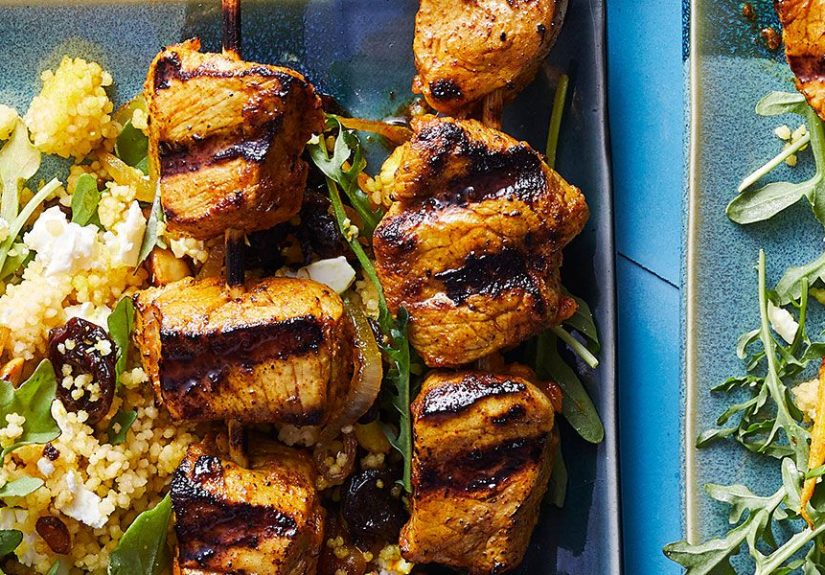
4) Grilled Pork Tenderloin with a “Big Flavor, Low Effort” Rub
Rub tenderloin with salt, pepper, smoked paprika, cumin, and a pinch of sugar. Grill over medium-high heat, turning
to brown all sides. Rest, slice, and serve with a bright saucechimichurri, salsa verde, or even a lemony yogurt
sauce. It’s peak summer dinner energy.
5) Pork Loin Roast with a Sweet-Tangy Glaze
Roast a pork loin with a simple rub (salt, pepper, garlic, sage). In the last stretch, brush with a glaze made from
something sweet (brown sugar or honey) plus something sharp (vinegar or mustard). Rest 10–15 minutes, slice thin, and
pretend you own a carving knife you use daily.
6) Oven Carnitas: Tender, Then Crispy on Purpose
Braise chunks of pork shoulder with onion, garlic, citrus, and spices until fork-tender. Shred, spread on a sheet pan,
and broil until the edges crisp. Toss with a little reserved braising liquid so it stays juicy. Serve in tacos with
onion, cilantro, and limeplus any salsa you’d happily eat with a spoon.
7) Pulled Pork (Oven or Smoker) for Sandwiches, Bowls, and “I’ll Eat This All Week” Plans
Rub a pork shoulder with salt, pepper, paprika, and brown sugar. Cook low and slow until it’s tender enough to shred
easily. If smoking, you’ll run into “the stall,” when the temp seems to stop climbingthis is normal and not a sign
your pig is cursed. Shred, sauce if you want, and serve with buns and slaw, or over rice with pickled onions.
8) Milk-Braised Pork Shoulder That Turns Into Its Own Sauce
Brown pork shoulder in a Dutch oven. Add garlic, herbs (sage is especially good), citrus peel, and milk, then braise
until the meat is tender. The milk transforms into a rich, savory sauce that’s ridiculous over polenta or mashed
potatoes. It’s cozy food that feels restaurant-y.
9) Sticky Pork Belly Bites (Tender Inside, Crispy Outside)
Roast pork belly low and slow until soft, then cut into cubes and crisp in a hot oven or skillet. Glaze with a quick
sauce (soy + honey + chili + garlic) and top with scallions. Serve with rice and cucumbers for balance, because this
is the kind of rich dish that politely asks for something fresh nearby.
10) Oven Baby Back Ribs: Foil, Patience, Then a Saucy Finish
Season ribs generously, wrap tightly, and bake low until tender. Then unwrap, brush with sauce, and broil to
caramelize. The result is sticky, tender, and far less stressful than it sounds. Add corn on the cob and you’ve got a
full backyard-party vibe without the actual backyard-party planning.
11) Ginger-Scallion Pork Meatballs
Mix ground pork with grated ginger, minced garlic, scallions, soy sauce, and breadcrumbs (or cooked rice). Bake or pan
sear, then glaze with a quick mix of soy, a little sugar, and a splash of vinegar or citrus. Serve with rice, noodles,
or tucked into lettuce wraps with crunchy veggies.
12) Fast Pork Stir-Fry That Beats Takeout on a Tuesday
Slice tenderloin thin across the grain. Stir-fry quickly over high heat with garlic, ginger, and whatever vegetables
you have (bell peppers, snap peas, broccoli). Finish with a sauce built from soy + a little sweetness + a little acid.
Dinner in 20 minutes, including the moment where you realize you should’ve started the rice earlier.
Flavor Shortcuts: 6 “Mix-and-Match” Pork Profiles
Pork is a flavor sponge. Pick a lane and let the sides follow.
- BBQ-ish: paprika + brown sugar + garlic + black pepper + a pinch of cayenne
- Taco night: cumin + chili powder + oregano + garlic + lime at the end
- Italian comfort: rosemary + sage + garlic + lemon zest
- Asian-inspired: soy + ginger + garlic + sesame oil + rice vinegar
- Sweet-heat: honey + mustard + chili flakes (great for chops or tenderloin)
- Herby and bright: parsley/cilantro + citrus + olive oil (serve as a finishing sauce)
Food Safety and Storage: The Calm, Useful Part
Quick doneness guide
- Whole cuts (chops, tenderloin, roasts): 145°F, then rest 3 minutes.
- Ground pork and sausage: 160°F.
- Shoulder for shredding: often cooked much higher (around 195–205°F) for texture.
Storage basics (so you don’t play refrigerator roulette)
- Raw pork chops/roasts/ribs: typically best used within 3–5 days refrigerated.
- Cooked leftovers: commonly 3–4 days refrigerated.
- Freeze when needed: pork freezes welllabel it so “mystery meat” doesn’t become your brand.
Troubleshooting: When Pork Fights Back
“My pork chops are dry.”
The usual culprit is overcooking (or starting with thin chops). Choose thicker, bone-in chops when possible, salt
early, and pull them before they cross into “sad” territory. Resting matters, toodon’t skip it.
“My pulled pork is cooked, but not shredding.”
That’s a texture issue, not a time insult. Collagen-rich cuts need more time at higher internal temps to become
shred-ready. Keep cooking gently until it’s tender enough to pull apart easily.
“It tastes bland.”
Pork likes salt and contrast. Season earlier, use a finishing squeeze of citrus or splash of vinegar, and add something
fresh on top (herbs, scallions, pickled onions). A bright garnish can make a simple pork dish taste intentional.
Conclusion: Make Pork Your “Default Dinner” Protein
The secret to great pork recipes isn’t fancy techniqueit’s matching the cut to the method, seasoning with a little
confidence, and cooking to temperature instead of vibes. Start with tenderloin or thick chops for fast wins, graduate
to shoulder when you want crowd-pleasing comfort, and keep ribs or pork belly in your back pocket for when you feel
like being dramatic (in the best way).
Kitchen Moments & “Been-There” Experiences With Pork Recipes (Extra )
If you’ve cooked pork more than a few times, you’ve probably collected a handful of “well, I learned something”
momentstiny kitchen stories that quietly level you up. One of the most common is the first time you use a thermometer
and realize you’ve been living in the land of overcooked chops. You pull a thick chop at the right temp, let it rest,
slice in, and the center is just slightly blush. It’s not raw, it’s not dry, it’s… actually juicy. That’s usually the
moment people stop treating pork like it needs to be punished into submission.
Another classic experience: discovering the power of salting ahead. It feels too easy to matterlike “sure, I’ll salt
this now and somehow it’ll be better later?”and then you taste the difference. The pork is seasoned all the way
through, not just on the surface, and it holds onto its moisture like it finally got a supportive group chat. The
funny part is how quickly that becomes a habit. Once you’ve had a dry-brined chop with a good sear, it’s hard to go
back to last-minute sprinkling and hoping for the best.
Low-and-slow pork brings its own set of character-building memories. The first time someone makes pulled pork, they
often expect a neat timelinethen the stall hits and the temperature sits there like it’s on a lunch break. This is
where pork teaches patience. Hours later, when the shoulder finally turns tender and shreddable, it feels less like
cooking and more like you negotiated a peace treaty with collagen. And the reward is huge: one big cook becomes
sandwiches, tacos, rice bowls, nachos, and “I swear I’m not eating the same thing again” leftovers all week.
Speaking of leftovers: pork is an MVP at the “second life” game. A small pile of tenderloin slices becomes a quick
stir-fry, a sandwich, or a salad topper. Shredded shoulder turns into quesadillas, baked potatoes, or fried rice that
tastes like you planned ahead (even if you absolutely did not). Many home cooks also discover that the best “sauce”
is often something bright and simple: a squeeze of lime, a little vinegar, pickled onions, or a herby green sauce.
These tiny add-ons cut richness and make pork taste fresh, not heavy.
Finally, there’s the confidence moment: the first time you serve pork to other people and nobody asks for ketchup. You
bring out a platter of sliced roast, or a pan of crisp-edged carnitas, and suddenly you’re “the person who makes that
pork.” It’s a satisfying identity upgradeone built not on complicated recipes, but on a few repeatable moves you can
trust. Pork rewards that kind of steady, slightly smug competence. In a good way.





 Close
Close