
Table of Contents >> Show >> Hide
- First, What Psoriasis Is (and What It Isn’t)
- What People Mean by a “Psoriasis Detox Diet”
- Do Psoriasis Detox Diets Work?
- Why a “Detox” Might Seem Like It Helps (Even If It’s Not Detoxing)
- The Risks and Red Flags (Especially for Teens)
- What the Evidence Supports Instead
- How to “Test” Food Triggers Without Doing a Full Detox
- A Sample Day of Psoriasis-Friendly Eating (No Cleansing Required)
- When to Talk to a Clinician (and Why It’s Not “Overreacting”)
- So… Do Psoriasis Detox Diets Work?
- Experiences People Commonly Share (and What They Teach Us)
If you’ve ever stared at a psoriasis flare in the mirror and thought, “Okay, what did I eat to deserve this?”
you’re not alone. When a condition is visible, uncomfortable, and unpredictable, it’s completely understandable to want a
“reset button.” Detox diets promise exactly that: a quick cleanse that “flushes toxins,” “heals the gut,” and (somehow)
persuades your skin to calm down.
Here’s the catch: psoriasis isn’t caused by your body being “dirty.” It’s a chronic, immune-mediated inflammatory disease.
Diet can influence inflammation and triggers for some people, but that’s very different from the idea that a few days of
juice and vibes can scrub psoriasis away like a stubborn stain.
Let’s break down what “psoriasis detox diets” really are, what the evidence actually supports, and what you can do instead
that’s safer, more realistic, and a lot less likely to end with you hangry-texting your friends about celery juice.
First, What Psoriasis Is (and What It Isn’t)
Psoriasis happens when the immune system sends inflammatory signals that speed up skin cell turnover. Instead of skin cells
shedding in a normal cycle, they build up quickly and form thick, scaly plaques. Psoriasis can be associated with other
health issues (like psoriatic arthritis, metabolic concerns, and cardiovascular risk), which is one reason lifestyle habits
matterbut it still isn’t a “toxin backup” problem.
This matters because detox diets usually start with a shaky premise: that your body is clogged with mystery toxins that need
to be “flushed.” In reality, your liver, kidneys, lungs, skin, and digestive system already do detoxification continuously.
They don’t need a three-day vacation from solid food. They need steady nourishment to do their jobs well.
What People Mean by a “Psoriasis Detox Diet”
“Detox” is a fuzzy marketing word, not a medical diagnosis. In the psoriasis world, it often describes one of these approaches:
1) Juice cleanses and liquid-only resets
Typically 1–7 days of juices, smoothies, teas, lemon water, or “detox drinks.” The promise: less inflammation, clearer skin,
and a “fresh start.” The reality: you may get fewer calories and less protein than your body needs, and any weight change is
often temporary.
2) Extreme elimination plans
Cutting out multiple food groups at oncesometimes gluten, dairy, sugar, nightshades, grains, meat, caffeine, and anything
enjoyable. Eliminations can occasionally help identify triggers, but “everything must go” makes it hard to know what actually
mattered (and can increase the risk of nutrient gaps).
3) Supplement-based “detox kits”
Pills, powders, herbs, and “cleanses” that claim to support liver function or gut health. These are not tightly regulated,
and some herbal products can interact with medications or even harm the liver.
4) Colon cleanses and laxative-style protocols
If a plan involves frequent laxatives, enemas, or “flushing,” that’s a red flag. Beyond discomfort, these approaches can
lead to dehydration and electrolyte issuesnone of which are a winning strategy for skin health.
Do Psoriasis Detox Diets Work?
In a word: not in the way they claim. There’s little evidence that detox diets “remove toxins” or directly treat psoriasis.
When people do report improvement during a detox, the benefits are more likely explained by ordinary, non-mystical factors:
eating fewer ultra-processed foods, reducing alcohol, increasing fruits and vegetables, drinking more fluids, or temporarily
avoiding a personal trigger food.
Dermatology organizations emphasize a healthy, well-balanced eating pattern as the foundation. Certain dietary strategies
may help specific groups of people with psoriasis, but there’s no one detox plan proven to clear psoriasis across the board.
Why a “Detox” Might Seem Like It Helps (Even If It’s Not Detoxing)
This is the part that trips people up: some detox plans do change what you eat, and that alone can change how you feel.
Here are the most common reasons someone might notice a short-term shift:
-
You temporarily removed a trigger food. For some people, alcohol, certain ultra-processed foods, or specific
ingredients can worsen flares. A detox may accidentally remove that triggerlike solving the mystery by throwing out the whole
bookshelf. -
You ate fewer ultra-processed foods. Many detox plans replace packaged snacks and sugary drinks with produce.
That swap can reduce overall inflammatory load for some people. -
You hydrated more. More fluids can improve how you feel day-to-day (energy, digestion), even if it doesn’t
“flush toxins.” -
You changed calories and weight temporarily. For people with psoriasis who are overweight, evidence supports
that weight reduction via a structured, nutritionally adequate approach can improve severity. But crash-style restriction is
not the same as a sustainable plan. -
The placebo effect is real (and not an insult). Expectation, routine, stress reduction, and a feeling of control
can influence symptom perceptionespecially with a condition that flares under stress.
The Risks and Red Flags (Especially for Teens)
Detox diets often sound “clean,” but the downsides can be surprisingly messy. Common risks include:
- Nutrient gaps: Very low-calorie or single-food cleanses can fall short on protein, essential fats, iron, calcium, and other nutrients your skin and immune system rely on.
- Dehydration and electrolyte imbalance: Especially with laxatives, diuretics, or heavy “flushing” routines.
- Energy crashes and mood swings: Your brain likes steady fuel. It gets dramatic when you don’t provide it.
- Medication interactions: Supplements and herbs can interfere with prescriptions and may add stress to the liver.
- Disordered eating risk: Restrictive diets can be risky for anyone with a history of disordered eatingand teens are particularly vulnerable because you’re still growing and need consistent nutrition.
Red flags to run from (preferably at a light jog):
- Promises of “cure,” “flush,” “guaranteed clear skin,” or “detox in 72 hours.”
- Plans that rely on laxatives, enemas, or “colon cleansing.”
- “Proprietary blends” that don’t clearly list ingredients and doses.
- Advice to stop prescribed psoriasis treatment in favor of a cleanse.
- Extremely low-calorie regimens or long fasting periods.
What the Evidence Supports Instead
The most useful nutrition approach for psoriasis is usually boring in the best way: balanced, consistent, and tailored to you.
Here are strategies with more credible backing than “detox” claims.
Start with a healthy, well-balanced pattern
Dermatologists commonly recommend a balanced diet as the baselinebecause your immune system and skin barrier don’t thrive on chaos.
Think: vegetables and fruits, whole grains, beans and legumes, nuts and seeds, lean proteins, and healthy fats.
If weight management is relevant, do it safely
For adults with psoriasis who are overweight, evidence supports that weight reduction using a hypocaloric (but nutrient-adequate)
diet can improve psoriasis severity and may improve medication effectiveness. This isn’t permission to crash diet. It’s a nudge
toward a clinician-guided plan that you can actually live with.
And if you’re a teen: the goal is almost never “diet harder.” The goal is consistent nourishment, stable energy, and a plan that
supports growth. If anyone is pushing fasting or extreme restriction for psoriasis, that’s a strong sign to involve a parent/guardian
and a healthcare professional.
The Mediterranean-style eating pattern looks promising
A Mediterranean diet pattern (think olive oil, vegetables, beans, whole grains, fish, nuts, fruit, and fewer ultra-processed foods)
has been linked to lower inflammation in general, and recent clinical research suggests it may reduce psoriasis severity over a
few months. The appeal here is that it’s not a cleanseit’s just normal food arranged sensibly.
Gluten-free only if there’s evidence you’ll benefit
Some people with psoriasis also have celiac disease or gluten sensitivity markers. In that specific situation, a gluten-free diet
may help. But going gluten-free “just because” can be expensive, restrictive, and not necessarily useful. Testing first (with a clinician)
is the smarter move.
Omega-3s, fiber, and “gut-friendly” foods
Research is still evolving, but diets rich in omega-3 fats (like fatty fish), fiber (beans, oats, vegetables), and minimally processed
foods may help support a healthier inflammatory profile. Probiotics and prebiotics are being studied, but the results are mixedso
treat “gut reset” claims with healthy skepticism.
Alcohol and smoking: not detox, just reality
Limiting alcohol and avoiding smoking are commonly recommended lifestyle steps for psoriasis management. Alcohol can interfere with treatment
response and adds inflammatory stress. Smoking is associated with worse outcomes and overall health risks. (Also: neither habit helps your skin
look “glowy,” no matter what the internet says.)
How to “Test” Food Triggers Without Doing a Full Detox
If you suspect food affects your psoriasis, you don’t need a cleanseyou need a simple experiment. Here’s a safer approach many clinicians
support in principle:
- Track first. For 2–3 weeks, note flares, stress, sleep, meds, and what you eat. Psoriasis triggers aren’t only food.
- Change one thing at a time. Pick one suspected trigger (for many people it’s alcohol, high-sugar foods, or ultra-processed snacks) and reduce it for 4–6 weeks.
- Keep the rest balanced. Don’t replace one restriction with nutritional chaos. The goal is clarity, not suffering.
- Reintroduce thoughtfully. If symptoms improved, add the food back in a controlled way and watch for patterns.
- Get help if you’re cutting major food groups. A registered dietitian can keep your plan nutritionally completeespecially important for teens.
This method isn’t as dramatic as a “7-day toxin flush,” but it gives you something detox rarely does: usable information.
A Sample Day of Psoriasis-Friendly Eating (No Cleansing Required)
This is not a prescriptionjust a realistic example of a Mediterranean-leaning, anti-inflammatory day that emphasizes whole foods.
Adjust to allergies, preferences, and medical guidance.
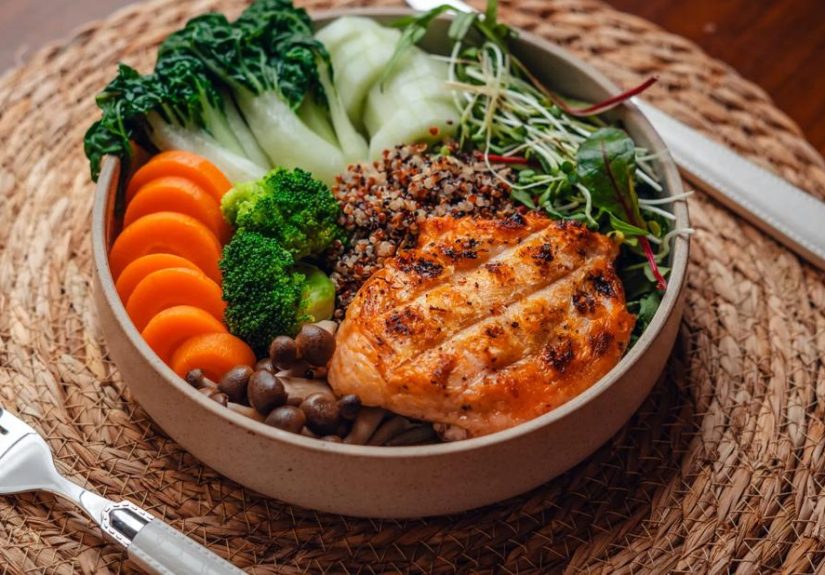
- Breakfast: Oatmeal with berries, chopped walnuts, and cinnamon; yogurt or a fortified alternative if tolerated.
- Lunch: Big salad bowl (greens, chickpeas, cucumbers, tomatoes) with olive oil + lemon; whole-grain pita on the side.
- Snack: Apple with peanut butter, or hummus with carrots.
- Dinner: Salmon (or beans/lentils) with roasted vegetables and quinoa; drizzle of olive oil.
- Drinks: Water, sparkling water, unsweetened tea. (If you’re an adult who drinks alcohol, talk with your clinician about limitsmany people do better with less.)
When to Talk to a Clinician (and Why It’s Not “Overreacting”)
Consider professional guidance if:
- Your psoriasis is worsening, spreading, or affecting daily life.
- You’re considering a major elimination diet (gluten-free, dairy-free, etc.).
- You’re a teen (or caring for one) and anyone suggests fasting or “detoxing.”
- You have other health conditions (kidney, liver, heart issues) or take regular medications.
- You’re noticing anxiety around food, guilt after eating, or pressure to restrict.
Diet can be a supportive tool alongside standard medical treatmentnot a replacement for it.
So… Do Psoriasis Detox Diets Work?
Detox diets don’t have strong evidence for “detoxing” your way out of psoriasis. If you feel better on a cleanse, it’s usually because
you temporarily improved diet quality, reduced ultra-processed foods or alcohol, or avoided a personal triggernot because toxins were “flushed.”
The best takeaway is refreshingly unglamorous: your skin tends to do better with steady, anti-inflammatory eating patterns, adequate nutrition,
and a plan you can keep doing when life gets busy (which is always). If you want a reset, aim for a routine reset, not a starvation
sprint.
Experiences People Commonly Share (and What They Teach Us)
Because psoriasis is so personal, people’s diet stories can sound wildly differentlike everyone is describing the same movie, but they’re
watching it in different languages. Below are common experiences people report (in clinics, support communities, and everyday conversations),
along with the practical lessons they tend to reveal. Consider these “real-life patterns,” not guarantees.
Experience #1: The juice cleanse that felt productive… until day two.
A lot of people start with a classic: a three-day juice cleanse. Day one can feel oddly excitingnew bottles in the fridge, a sense of control,
and the glow of doing something “healthy.” Then day two hits. Headaches. Fatigue. That “why is everyone chewing so loudly?” mood. Some people
notice their skin looks a little less puffy, but plaques don’t magically disappear. The lesson: short-term restriction can change how your body
holds water and how you feel, but it usually doesn’t address the immune activity driving psoriasis. Also, being miserable is not a medical strategy.
Experience #2: “I cut everything out… and now I don’t know what helped.”
Another common story is the all-at-once elimination: no gluten, no dairy, no sugar, no nightshades, no caffeine, and basically no joy. Some people
do feel betterespecially if their previous diet was heavy in ultra-processed foods or if they had an unrecognized sensitivity. But the biggest
frustration often comes after a few weeks: if symptoms improve, what caused it? Was it one food? Lower alcohol? Better sleep because they
were trying so hard to be “good”? Less takeout? Less stress because they felt proactive? The lesson: if you want answers, change one variable at a time.
Otherwise you’ve run an experiment where the conclusion is, “Something happened. Maybe.”
Experience #3: The “anti-inflammatory” upgrade that didn’t feel like punishment.
Many people who find the most sustainable improvement describe a less dramatic shift: more Mediterranean-style meals, more fiber, more fish or plant
proteins, fewer sugary drinks and packaged snacks, and consistent meals instead of long gaps. The change is subtle enough that they can do it on a
normal Tuesday. Over a couple of months, they may notice fewer flares, less itching, or that treatments seem to work better. The lesson: boring consistency
often beats heroic restrictionespecially for a chronic condition.
Experience #4: The gluten-free trial that only worked after testing.
Some people report real improvement after going gluten-freebut the strongest stories usually involve someone who tested positive for celiac disease or
showed markers of gluten sensitivity. For them, removing gluten can reduce a source of inflammation and digestive distress, which may help overall symptoms.
Meanwhile, people who go gluten-free without a clear reason often report… nothing. Or they report stress from the cost and complexity. The lesson: testing
can prevent months of unnecessary restriction.
Experience #5: Teens and detox culturewhen “clean” becomes risky.
Teens with psoriasis sometimes feel extra pressure because skin changes are already hard, and social media loves selling “miracle” detox hacks. A common
experience is trying a restrictive plan, then feeling exhausted, more stressed, and more focused on food than on actual health. The lesson: for teens,
the priority is steady nutrition, growth support, mental well-being, and medical care. If diet changes are worth exploring, it’s best done with a clinician
and a plan that doesn’t spiral into fear-based eating.
Experience #6: The “I did everything right and still flared” moment.
This one is important because it’s emotionally real: someone cleans up their diet, drinks water, avoids triggers, and still gets a flare. That can feel
unfairbecause it is. Psoriasis can flare from stress, infections, weather changes, skin injury, medication shifts, and more. The lesson: diet is a
supportive lever, not a morality test. A flare doesn’t mean you failed. It means psoriasis is doing psoriasis things, and you deserve support, not blame.
The most helpful “experience-based” takeaway is surprisingly hopeful: when people stop chasing detox magic and start building a steady, personalized routine,
they often feel more in controleven if psoriasis doesn’t vanish. And that consistency tends to support treatment, overall health, and quality of life in a way
a cleanse rarely does.






 Close
Close