
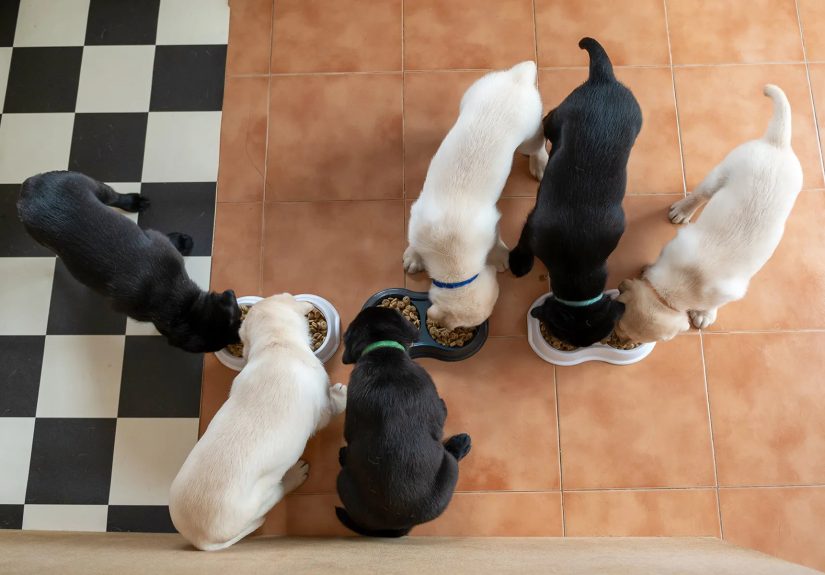
Table of Contents >> Show >> Hide
- Why Puppy Nutrition Is Different From Adult Dog Nutrition
- Main Puppy Food Types (and How to Choose)
- How Much and How Often to Feed a Puppy
- Key Nutrients Your Puppy Needs
- Sample Feeding Schedule by Size and Age
- Common Puppy Feeding Mistakes to Avoid
- When to Talk to Your Vet About Puppy Nutrition
- Real-Life Experiences: What Puppy Parents Learn the Hard (and Funny) Way
Bringing home a puppy is a little like bringing home a furry toddler who can chew through drywall.
They sleep hard, play harder, and somehow always end up with something questionable in their mouth.
One of the fastest ways to support that whirlwind of growth (and help avoid emergency carpet cleaning)
is to get their puppy food types, feeding schedule, and nutrition dialed in from day one.
The good news: you don’t need a veterinary nutrition degree to feed your puppy well.
The even better news: you do need a bit of structure, some label-reading skills,
and a realistic understanding of how fast puppies grow.
This guide walks you through the main types of puppy food, how often and how much to feed,
which nutrients actually matter, and common mistakes to dodge.
Why Puppy Nutrition Is Different From Adult Dog Nutrition
Puppies are growing new muscle, bone, teeth, and brain cells at high speed.
Compared with adult dogs, they need:
- More calories per pound of body weight to fuel growth and playtime.
- Higher protein levels to build muscle and tissues.
- Balanced calcium and phosphorus to support safe bone development.
- Omega-3 fatty acids (especially DHA) to support brain and eye development.
In the U.S., most reputable commercial puppy foods are formulated to meet standards set by
the Association of American Feed Control Officials (AAFCO).
On the label, look for wording that says the food is
“formulated to meet the nutritional levels established by the AAFCO Dog Food Nutrient Profiles for growth, reproduction, or all life stages.”
That’s your first sign that the food is built for puppies, not just for maintenance.
Veterinary organizations also emphasize nutrition as a core part of wellness care during the
puppy life stage, alongside vaccines, parasite prevention, and behavior.
Translation: what goes in the bowl now has a huge impact on your future adult dog.
Main Puppy Food Types (and How to Choose)
Walk down any pet-food aisle and you’ll see dozens of bags and cans promising “premium,” “ancestral,” or “gourmet” meals.
Let’s simplify the chaos into the main puppy food types, and what they’re good for.
Dry Kibble for Puppies
Puppy kibble is the most common choice. It’s convenient, usually more budget-friendly,
and easy to measure, store, and use in training.
- Pros: Affordable, shelf-stable, simple to portion, can be used as training treats.
- Cons: Some very small or young puppies may struggle with large or hard pieces (you can soften with warm water).
Look for kibble specifically labeled for puppies or “all life stages” with an AAFCO growth or all-life-stages statement.
If you have a large-breed pup (like a Lab, Golden, or Great Dane), choose a formula labeled “large breed puppy” to help control growth rate and mineral balance.
Wet or Canned Puppy Food
Canned puppy food is softer and often extra tasty, which can be a blessing for picky eaters or tiny mouths.
- Pros: High moisture, very palatable, easy to chew for small mouths and teething pups.
- Cons: More expensive per calorie, less convenient to store once opened.
Many owners use a mix of dry and wet puppy food. For example, kibble for breakfast and lunch,
then a partly wet dinner “jackpot” meal. That’s totally fine as long as total calories stay in the right range.
Fresh, Frozen, or Raw-Style Diets
You’ll also see fresh, refrigerated, or raw-style puppy diets marketed as “biologically appropriate” or “ancestral.”
Some are complete and balanced; others are meant only as toppers.
- Always check for an AAFCO statement for growth or all life stages.
- Make sure the company provides transparent ingredient sourcing and feeding guidelines.
- Raw diets can carry a higher risk of bacterial contamination; talk to your vet, especially if you have young kids, seniors, or immunocompromised family members.
If you like the idea of fresher food but want to stay safe and simple, consider a gently cooked or fresh-frozen formula that’s still AAFCO-complete for puppies.
Breed-Size–Specific Puppy Foods
Size matters a lot in puppy nutrition:
- Small-breed puppies have fast metabolisms and tiny stomachs. They often need calorie-dense food in smaller kibble pieces.
- Large- and giant-breed puppies are prone to joint problems if they grow too fast or consume too much calcium or energy.
That’s why many brands offer “small breed puppy” and “large breed puppy” formulas.
These are designed with appropriate energy density and mineral balance for your pup’s adult size.
If your dog will be over about 50–60 pounds as an adult, large-breed puppy food is usually the smart choice.
How to Read a Puppy Food Label
When you flip the bag or can around, pay attention to:
- AAFCO statement: Look for “growth,” “reproduction,” or “all life stages.” Avoid foods that only say “adult maintenance.”
- Feeding guidelines: These give a starting point based on current weight or expected adult weight.
- Guaranteed analysis: Protein, fat, fiber, and moisture percentages. Puppies need higher protein and fat than adults.
- Company reputation: Brands that do feeding trials, employ veterinary nutritionists, and have quality control programs are a safer bet.
How Much and How Often to Feed a Puppy
Every puppy is an individual, but there are solid starting points.
When in doubt, follow the package guidelines and adjust based on body condition and your vet’s advice.
General Puppy Feeding Schedule by Age
- Weaning to 8 weeks: Usually still with the breeder or rescue; fed multiple small meals of softened puppy food or milk replacer.
- 8–12 weeks: 3–4 meals per day.
- 3–6 months: 3 meals per day for most puppies.
- 6–12 months: 2–3 meals per day (larger breeds might stay on 3 meals longer).
- Over 12 months: Many dogs do well on 2 meals per day, though some small breeds still benefit from 3 smaller meals.
Think of it like this: young puppies are little calorie-burning machines with tiny fuel tanks.
They need frequent refills, not one giant “gas up” once a day.
Example Daily Feeding Times
Here’s a simple schedule for an 8–12-week-old puppy on three meals a day:
- Breakfast: 7:00 a.m.
- Lunch: 12:30 p.m.
- Dinner: 6:30 p.m.
Try to keep meals at roughly the same time every day.
That helps regulate digestion and house-training (what goes in on a schedule tends to come out on a schedule).
How Much Should You Feed Your Puppy?
There’s no single magic number of cups, because:
- Foods vary widely in calorie density.
- Puppies have different activity levels.
- Breed and predicted adult size change calorie needs dramatically.
Instead, use a three-step formula:
- Start with the bag or can chart. Find your puppy’s weight (or expected adult weight) and follow the recommended daily amount.
- Split that daily total into meals. For example, if the chart suggests 1½ cups per day and you feed three meals, that’s ½ cup per meal.
- Re-check every week or two. As your puppy grows, move up to the next weight range on the feeding chart.
Some fresh or raw-style feeding guides use a percentage of body weight model (for example, 5–6% of expected adult body weight per day).
This can work as long as the food is complete and balanced and you monitor body condition.
Body Condition: The Built-In Feedback System
Instead of obsessing about exact cup measurements, get comfortable using your puppy’s body as feedback:
- Ribs: You should feel them under a light layer of fat, but not see sharp rib outlines in most breeds.
- Waist: Viewed from above, there should be a gentle “hourglass” indent behind the ribs.
- Tummy tuck: From the side, the belly should slope upward from the chest to the hind legs, not hang down like a sausage.
If your puppy is getting round and losing their waist, cut back portions slightly or reduce treat calories.
If they look lanky and you can see ribs easily, talk with your vet about a modest calorie increase.
Key Nutrients Your Puppy Needs
Quality puppy nutrition is about more than just “grain-free” or “high meat.”
Here are the nutritional basics your puppy’s food should cover.
Protein: Building Blocks of Growth
Puppies need higher protein levels than adult dogs to support rapid growth, muscle development, and tissue repair.
AAFCO’s growth profile sets a minimum protein level (on a dry matter basis) that reputable puppy foods meet or exceed.
Good puppy foods list animal proteins (like chicken, turkey, beef, salmon, or lamb) prominently on the ingredient list,
and may include eggs or plant-based proteins for balance.
Fats and Omega-3s: Energy and Brain Power
Fat isn’t just for flavor; it’s a dense energy source and carries fat-soluble vitamins (A, D, E, K).
Puppies also benefit from omega-3 fatty acids, especially DHA, which support brain and eye development.
Many puppy foods add fish oil or algal oil for DHA.
That’s one reason “puppy” formulas are generally preferable to just feeding an adult food, even if the ingredients look similar.
Calcium, Phosphorus, and Bone Health
Balanced calcium and phosphorus are essential for proper bone development.
Too little calcium is a problem, but so is too muchespecially in large-breed puppies.
- Large-breed puppy foods carefully control calcium levels and energy density.
- Supplementing extra calcium (like adding dairy or bone meal) is usually not recommended unless your vet says otherwise.
Vitamins, Minerals, and Antioxidants
Complete and balanced puppy foods also include:
- Vitamins A, D, E, K and B vitamins for growth and metabolism.
- Minerals like iron, zinc, copper, magnesium, and selenium.
- Antioxidants (like vitamin E) to support the immune system.
Unless your vet has diagnosed a deficiency or specific medical condition,
most healthy puppies on a high-quality commercial food do not need extra vitamin or mineral supplements.
Water: The Forgotten Nutrient
Puppies can dehydrate quickly. Always provide fresh, clean water at all times,
with the possible exception of a short window before bedtime if your vet advises it for house-training.
Wet food helps with hydration, but it never fully replaces a water bowl.
Sample Feeding Schedule by Size and Age
Every puppy is unique, but here’s a practical example to illustrate how a puppy feeding schedule
might look for different sizes. Always adjust based on your specific food’s calorie content and your vet’s advice.
Small-Breed Puppy (Expected Adult Weight 10–15 lbs)
- 8–12 weeks: 3–4 meals per day; small-breed puppy kibble or wet food, divided into frequent, measured portions.
- 3–6 months: 3 meals per day; gradually adjust portions as weight increases; keep treats small and soft.
- 6–12 months: 2–3 meals per day; you may transition to adult small-breed food around 10–12 months if your vet agrees.
Large-Breed Puppy (Expected Adult Weight 60–80+ lbs)
- 8–12 weeks: 3–4 meals per day of large-breed puppy food.
- 3–6 months: 3 meals per day; avoid overfeeding to keep growth steady, not rapid.
- 6–18 months: 2–3 meals per day; large-breed puppies often stay on puppy food longer (sometimes up to 18–24 months) because they mature more slowly.
If you’re ever unsure, bring your puppy’s food bag and your actual measuring cup to the vet’s office.
They’d much rather help tweak your feeding plan now than manage weight or joint issues later.
Common Puppy Feeding Mistakes to Avoid
1. Free-Feeding (Leaving Food Out All Day)
Leaving a full bowl out 24/7 might seem convenient, but many puppies will snack all day,
then skip meals or gain too much weight. Scheduled, measured meals help:
- Support predictable potty breaks.
- Prevent overeating.
- Make it easier to notice when your puppy isn’t feeling well (skipped meals are a red flag).
2. Too Many Treats
Treats are awesome for training, but they should generally make up no more than about 10% of daily calories.
A “just one more” habit adds up quickly, especially with small-breed puppies.
3. Sudden Food Switches
Changing foods overnight can cause tummy upset.
When you switch brands or types, transition over 7–10 days:
- Days 1–3: 75% old food, 25% new food
- Days 4–6: 50% old food, 50% new food
- Days 7–10: 25% old food, 75% new food, then 100% new
4. Sharing Unsafe Human Foods
A tiny taste of plain cooked chicken is fine; a handful of garlic bread and chocolate? Hard no.
Common toxic foods for dogs include:
- Chocolate and cocoa
- Grapes and raisins
- Onions, garlic, and chives
- Xylitol (in sugar-free gum and some peanut butters)
- Alcohol and unbaked yeast dough
When in doubt, don’t share itor call your vet before you do.
5. Ignoring Digestive Red Flags
Occasional soft stool from a minor diet change can happen.
But if your puppy has repeated vomiting, diarrhea, blood in stool,
goes off food, or seems lethargic, call your vet.
Puppies can get dehydrated quickly, and digestive issues can signal infections, parasites, or food intolerance.
When to Talk to Your Vet About Puppy Nutrition
Your vet is your best co-pilot for building a safe, effective puppy feeding schedule and overall nutrition plan.
Reach out if you notice:
- Fast weight gain with a disappearing waistline.
- Poor growth compared to littermates or breed expectations.
- Chronic loose stool, gas, or vomiting.
- Skin issues, dull coat, or itchiness that might be diet-related.
- Concerns about special diets (raw, home-cooked, or novel protein plans).
For puppies with medical conditionslike food allergies, orthopedic concerns, or digestive diseasesyour vet may recommend a
prescription or therapeutic diet designed for growth.
Think of it as tailor-made nutrition for a puppy with extra needs.
Real-Life Experiences: What Puppy Parents Learn the Hard (and Funny) Way
Advice from textbooks and guidelines is great, but real life with a puppy is… messy.
Here are some lived-in lessons that many puppy parents discover somewhere between the chewed-up slippers and the first perfect “sit.”
The Lab Who Loved Food a Little Too Much
Imagine you bring home an 8-week-old Labrador puppy named Moose.
The bag says 1½ cups per day. Moose thinks that means 1½ cups per meal.
You give in because he looks so hungry, and Lab puppies are very convincing.
Two weeks later, Moose has lost his waist, his puppy collar barely fits, and he huffs after climbing stairs.
A quick vet visit confirms it: he’s edging toward chubby. The fix?
- Measure food accurately with a real measuring cup, not that oversized mug from your cupboard.
- Trade some of the treat calories for pieces of kibble during training.
- Introduce puzzle feeders and snuffle mats to slow his eating.
Within a month, Moose’s shape is back on trackand he’s just as happy, because Labs primarily need love and snacks in any format.
The Tiny Chihuahua With the Tiny Stomach
On the opposite side, think of a 2-pound Chihuahua puppy named Luna.
Her owner notices she’s occasionally shaky and doesn’t always finish her meals.
The solution wasn’t more food per mealit was smaller, more frequent meals.
Luna’s day shifted to:
- Breakfast at 7:00 a.m.
- Snack-size mini meal around 11:00 a.m.
- Lunch at 2:00 p.m.
- Dinner at 6:30 p.m.
Once her feeding schedule matched her tiny tank size, the shakiness disappeared and her energy skyrocketed,
without any need for exotic supplements.
Travel, Routine Changes, and Sensitive Stomachs
Puppies thrive on routine, and their guts do too.
Owners often notice that when they travel, move apartments, or host loud guests,
their puppy’s appetite or stool changes slightly.
A few simple strategies help:
- Pack the same food you use at home, so you’re not switching brands mid-trip.
- Bring measuring cups so you don’t “eyeball it” in hotel bowls or unfamiliar dishes.
- Stick to meal times as closely as possible, even if you’re in a different time zone.
If your puppy is prone to stressy digestion, talk with your vet in advance about probiotics or other supportive options.
Planning ahead beats cleaning up surprise messes in a rental car.
Using Food as a Training Superpower
One of the smartest “hacks” many puppy parents learn is to use part of the regular meal as training rewards.
Instead of offering a separate pile of high-calorie treats, they:
- Measure out the day’s kibble.
- Set aside a portion in a treat pouch.
- Use those pieces throughout the day for sit/down/come practice and leash walking.
This keeps total calories under control, prevents a “treat inflation” problem,
and turns regular meals into mental workouts.
A tired puppy with a full brain and a happy belly is much less likely to invent their own hobbies,
like redesigning your couch.
Adjusting as Your Puppy Grows
A surprisingly common mistake is forgetting that puppies change sizes weekly.
The portion that was perfect at 9 weeks will be too small by 4–5 months,
and the schedule that worked at 4 months may need revisiting at 10 months as growth slows and activity changes.
Savvy owners put a reminder in their calendar every few weeks:
- Weigh the puppy (at home or at the vet).
- Re-check the feeding chart based on the new weight.
- Reassess body condition using ribs/waist/tummy tuck.
These small check-ins take minutes but can save months of trying to correct weight issues later.
Puppies don’t need a perfect plan; they just need a responsive one.
At the end of the day, feeding a puppy boils down to a few core habits: choose a complete and balanced puppy diet,
feed on a consistent schedule, measure portions, and let your puppy’s bodyand your vetguide you.
Do that, and you’re setting your furry chaos machine up for a healthier, happier adulthood.




 Close
Close