
Table of Contents >> Show >> Hide
- What Are Raccoon Eyes?
- Raccoon Eyes vs. Dark Circles vs. a Regular Black Eye
- Common Causes of Raccoon Eyes
- 1. Basilar skull fracture
- 2. Orbital fracture or other facial fractures
- 3. Head trauma without a major fracture
- 4. Surgery or medical procedures
- 5. Strong coughing, vomiting, sneezing, or pressure-related bleeding
- 6. Amyloidosis and related blood or protein disorders
- 7. Cancer, including neuroblastoma in children
- Symptoms That Can Happen Alongside Raccoon Eyes
- How Doctors Diagnose the Cause
- Treatments for Raccoon Eyes
- When to Seek Emergency Care
- Recovery and Outlook
- Common Experiences People Have With Raccoon Eyes
- Final Thoughts
- SEO Tags
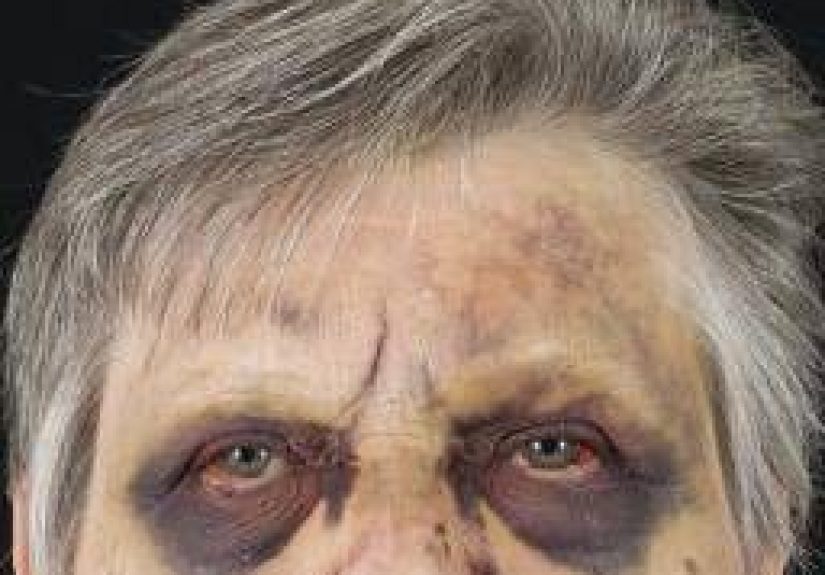
If you woke up looking like you auditioned for a raccoon-themed superhero movie, take a breath and then take it seriously. “Raccoon eyes” is the nickname for dark bruising around both the upper and lower eyelids. It can look dramatic, and sometimes it is dramatic. In some cases, it’s simply bruising after surgery or facial trauma. In others, it can be an important warning sign of a skull fracture, orbital fracture, or another underlying medical condition that needs quick attention.
The tricky part is that raccoon eyes are not a diagnosis. They’re a clue. Think of them as your body’s way of waving a flashlight instead of a tiny flag. The bruising happens when blood leaks into the delicate tissues around the eyes. Because the skin in that area is thin, even a small amount of bleeding can create a bold, dark look that seems bigger than life.
In this guide, we’ll break down what raccoon eyes really are, what causes them, how they’re treated, when they’re an emergency, and what recovery usually looks like. We’ll also cover several real-world style experiences people commonly have with this symptom, because medicine is easier to understand when it sounds like real life instead of a robot reading a dictionary.
What Are Raccoon Eyes?
Raccoon eyes are a form of periorbital ecchymosis, which is the medical term for bruising around the eyes. Unlike ordinary dark circles caused by fatigue, genetics, or skin tone, raccoon eyes involve actual bruising. The discoloration often looks blue, purple, dark brown, or black depending on your skin tone and how fresh the bleeding is.
One of the odd things about raccoon eyes is timing. They often do not show up right away. A person may have a head or face injury, feel sore, go home, and then notice the bruising one to three days later. That delayed appearance is one reason this symptom can catch people off guard.
Raccoon Eyes vs. Dark Circles vs. a Regular Black Eye
These terms are easy to mix up, but they are not the same thing.
Dark circles
Dark circles are usually related to skin pigmentation, aging, genetics, allergies, lack of sleep, or visible blood vessels. They are annoying, yes. Dangerous, usually no.
Black eye
A black eye is bruising around one eye after trauma. It may happen after getting hit in the face, falling, or bumping into something hard. The eye itself may be fine, but it still deserves medical evaluation because surrounding bones or the eyeball can also be injured.
Raccoon eyes
Raccoon eyes usually mean bruising around both eyes, often involving the upper and lower lids. This pattern raises more concern for deeper trauma, especially injuries involving the skull base, facial bones, or eye socket. It can also appear in a few unusual medical conditions.
Common Causes of Raccoon Eyes
1. Basilar skull fracture
This is the classic cause doctors think about first. A basilar skull fracture happens at the base of the skull and can allow blood to track into the tissues around the eyes. If raccoon eyes appear after a head injury, especially with clear fluid draining from the nose or ears, confusion, headache, nausea, vomiting, or bruising behind the ears, emergency care is essential.
2. Orbital fracture or other facial fractures
The bones around the eye socket are thin and vulnerable to blunt trauma. Car accidents, falls, sports injuries, or being hit in the face can fracture the orbit or nearby facial bones. In these cases, raccoon eyes may appear along with swelling, facial numbness, double vision, reduced vision, pain when moving the eye, or trouble moving the eyeball.
3. Head trauma without a major fracture
Sometimes raccoon eyes can develop after a concussion or non-severe head injury. Even then, the symptom should not be brushed off as “just bruising.” The pattern matters, and clinicians may still need to rule out deeper injury with an eye exam, neurologic exam, and imaging.
4. Surgery or medical procedures
Raccoon-eye style bruising can happen after rhinoplasty, facial surgery, jaw surgery, dental procedures, or certain cosmetic operations. This is usually due to blood tracking under the skin during healing. It can look alarming, but when it appears in the expected recovery window and the surgeon has warned you about it, it may be part of normal postoperative bruising. Still, severe pain, sudden worsening, fever, vision problems, or one-sided swelling should be reported right away.
5. Strong coughing, vomiting, sneezing, or pressure-related bleeding
Rarely, sudden pressure changes can break delicate blood vessels around the eyes. That does not mean every sneeze turns you into a woodland creature. It means that in susceptible people, minor vessel rupture can sometimes create noticeable bruising.
6. Amyloidosis and related blood or protein disorders
In some people, raccoon eyes appear without trauma at all. One important example is amyloidosis, especially light-chain (AL) amyloidosis, in which abnormal protein deposits make tissues and blood vessels more fragile. This can cause easy bruising, including purple or dark patches around the eyes. If unexplained raccoon eyes occur along with fatigue, weight loss, swelling, numbness, shortness of breath, or tongue enlargement, a doctor may consider this possibility.
7. Cancer, including neuroblastoma in children
In children, unexplained raccoon eyes can occasionally be associated with neuroblastoma, particularly when the cancer has involved tissues near the orbit. This may happen along with bulging eyes, changes in eye movement, fatigue, bone pain, irritability, or abdominal swelling. It’s uncommon, but it is one reason new unexplained bruising around the eyes should never be ignored in a child.
Symptoms That Can Happen Alongside Raccoon Eyes
The bruising itself is only one piece of the picture. Depending on the cause, a person may also have:
- Headache or worsening head pain
- Confusion, dizziness, or fainting
- Nausea or vomiting
- Double vision, blurry vision, or vision loss
- Pain when moving the eye
- Facial numbness
- Clear fluid leaking from the nose or ears
- Bleeding from the eye, nose, or ear
- Bruising behind the ear
- Swelling of the cheek, forehead, or eyelids
- Difficulty moving the eye
If the bruising follows a head injury and any of these symptoms show up, that is your cue to skip the “let’s see how it looks tomorrow” plan and get urgent medical care.
How Doctors Diagnose the Cause
Diagnosis starts with context. A clinician will want to know whether the bruising followed trauma, surgery, sports, a fall, a car crash, or whether it appeared out of nowhere. They will also ask about headache, confusion, vomiting, vision changes, weakness, numbness, recent procedures, and bleeding problems.
Depending on the situation, evaluation may include:
- A full eye exam
- A neurologic exam
- Checking pupil size and eye movements
- Examining the face for tenderness or broken bones
- CT scan or X-ray if fracture or head injury is suspected
- Blood tests if a medical cause such as a bleeding disorder or amyloidosis is possible
In plain English, doctors are trying to answer one big question: Is this surface bruising only, or is it the visible sign of something deeper?
Treatments for Raccoon Eyes
Treatment depends on the cause. That’s the headline. The bruising may look similar across people, but what fixes it can be wildly different.
For uncomplicated bruising or mild trauma
If the provider determines the injury is limited to soft-tissue bruising, treatment is usually conservative:
- Cold compresses during the first 24 to 48 hours
- Warm compresses after swelling begins to settle
- Rest
- Head elevation to reduce swelling
- Avoiding further injury
- Monitoring for vision changes, increasing pain, or new symptoms
And yes, this is the part where medicine politely asks you to retire the old movie trick: do not put raw meat on your eye. It does not help and it can increase the risk of infection. Hollywood gave us many gifts. Sterile steak was not one of them.
For skull fractures or significant head injury
These cases may require hospital observation, imaging, management of cerebrospinal fluid leaks, treatment for brain injury, seizure precautions, or surgery. The bruising itself is not the main problem; it’s the clue pointing toward the main problem.
For orbital or facial fractures
Treatment may include pain control, ice, rest, follow-up imaging, and sometimes surgery, especially if there is trouble moving the eye, double vision, deformity, or nerve or muscle involvement.
For post-surgical bruising
Recovery instructions from the surgeon matter most here. Cold packs, rest, head elevation, and time are usually part of the plan. If the bruising looks much worse than expected or comes with fever, severe asymmetry, or vision changes, call the surgeon promptly.
For medical causes like amyloidosis or cancer
Here, the bruising won’t improve for long unless the underlying disease is treated. Management may involve hematology, oncology, or other specialty care depending on the diagnosis.
When to Seek Emergency Care
Seek emergency help right away if raccoon eyes happen after a head injury or if they come with any of the following:
- Clear fluid leaking from the nose or ears
- Confusion or disorientation
- Sudden vision loss or major vision change
- Severe headache
- Repeated vomiting
- Bleeding from the eye, nose, or ears
- Fainting
- Trouble moving the eye
- Severe facial pain or numbness
You should also see a healthcare professional if raccoon eyes develop without any clear injury. Spontaneous bruising around the eyes is not something to self-diagnose with a cup of coffee and a search bar.
Recovery and Outlook
If the cause is a simple bruise, the color usually shifts over time from dark purple or blue to green, yellow, or brown before fading. Many cases improve within one to two weeks, though a standard black eye can take several weeks to fully resolve. Recovery takes longer when fractures, surgery, or systemic illnesses are involved.
The good news is that the bruising often looks worse than it feels. The not-so-good news is that sometimes it looks dramatic because the underlying issue really is serious. That’s why proper evaluation matters more than guessing.
Common Experiences People Have With Raccoon Eyes
To make this symptom easier to picture, here are several experience-based scenarios that reflect what people commonly go through.
Experience one: the delayed surprise after a fall. Someone slips in the bathroom, bumps the side of the head, and feels mostly embarrassed plus mildly sore. The next morning is not too bad. By day two, bruising shows up around both eyes, and suddenly the mirror looks much more dramatic than the original injury felt. This delayed appearance is one reason some people are shocked to learn they may have a skull or facial fracture even though the bruising did not appear immediately.
Experience two: the athlete who thought it was “just a hit.” A person gets struck in the face by a ball during a game. At first, there’s swelling, tearing, and a little pain. Later, bruising spreads under the eye and sometimes around both eyes. What often pushes them to seek care is double vision, pain with eye movement, or numbness in the cheek. In those cases, an orbital fracture becomes a real concern.
Experience three: the post-surgery panic moment. After rhinoplasty or facial surgery, some people wake up, glance in the mirror, and immediately think something has gone terribly wrong. In reality, under-eye bruising can be an expected part of early recovery. The experience often feels more emotionally intense than physically dangerous. The key difference is whether the bruising follows the expected timeline and comes without red-flag symptoms like fever, severe one-sided swelling, or vision changes.
Experience four: the unexplained bruising that starts a deeper workup. Some adults notice dark purple bruising around the eyes without trauma they can remember. Maybe they also feel unusually tired, have swelling in the legs, bruise easily elsewhere, or have lost weight without trying. In that situation, raccoon eyes can become the clue that sends doctors looking for a systemic cause such as amyloidosis. This experience is less common, but it matters because the symptom can be the first visible sign that something broader is happening in the body.
Experience five: the worried parent. A child develops bruising around the eyes and the family cannot connect it to a clear injury. Parents often describe this as the most stressful version of the symptom because kids do not always explain pain or symptoms clearly. If the child also has bulging eyes, low energy, bone pain, or behavior changes, evaluation should be prompt. Most cases still won’t be cancer, but unexplained eye bruising in a child deserves serious attention.
Across all these experiences, one theme shows up again and again: people often focus first on how alarming the bruising looks, while doctors focus on why it happened. That shift in perspective is important. Raccoon eyes are not mainly a cosmetic issue. They are a signal. Sometimes the signal points to a simple bruise. Sometimes it points to something urgent. Either way, the smartest move is to let a healthcare professional connect the dots.
Final Thoughts
Raccoon eyes may sound like a quirky phrase, but the symptom itself deserves respect. It can happen after trauma, surgery, fractures, and certain uncommon medical conditions such as amyloidosis or neuroblastoma. The bruising around the eyes may fade with time, but the real issue is identifying what caused it in the first place.
If raccoon eyes follow a head injury, come with vision changes, confusion, vomiting, bleeding, or clear fluid from the nose or ears, treat it like the red flag it is. If it appears without any obvious injury, do not shrug it off as a weird skin day. Get it checked. Your future self, and probably your face, will appreciate the responsible decision.







 Close
Close