
Table of Contents >> Show >> Hide
- What Radiation Therapy Is (and the Main Types You’ll Hear About)
- Step 1: The Consultation (Your “Game Plan” Appointment)
- Step 2: Simulation and Mapping (The “Practice Run” That Isn’t Treatment)
- Step 3: Treatment Planning (Where the Math Happens)
- Step 4: Your Daily (or Scheduled) Treatment Visits
- Weekly Check-Ins: The “How’s It Going, Really?” Visits
- Side Effects: What’s Common, When They Start, and What Helps
- Am I Radioactive? (The Question Everyone Asks, Usually Quietly)
- After Your Last Session: What Happens Next
- Questions Worth Asking Your Radiation Oncology Team
- Real-World Experiences: on What It Often Feels Like
- Conclusion
Radiation therapy has a reputation that ranges from “mysterious medical wizardry” to “that thing my cousin’s neighbor said was rough.” The truth is more practical (and honestly, a little less dramatic): radiation therapy is a carefully planned, highly targeted treatment used to damage cancer cells’ DNA so they can’t keep dividing. It’s common, it’s precise, and it usually becomes a routine surprisingly fast like going to the gym, except the equipment is more expensive and nobody tries to sell you protein powder.
This guide walks you through what typically happens before, during, and after radiation therapy, what it feels like day-to-day, and how side effects tend to show up (and calm down). Every person and every treatment plan is different, but knowing the “usual flow” can make the whole experience feel less like stepping into the unknown and more like showing up prepared.
What Radiation Therapy Is (and the Main Types You’ll Hear About)
Radiation therapy uses high-energy beams or radioactive sources to treat cancer (and occasionally some non-cancer conditions). The goal is to hit the target while limiting exposure to nearby healthy tissue. Your team designs the plan around your diagnosis, the location of the tumor, and your overall treatment strategy (for example, radiation before surgery, after surgery, or instead of surgery).
External Beam Radiation Therapy (EBRT)
EBRT is the most common type. A machine (often a linear accelerator) aims radiation at the treatment area from outside your body. You don’t see the radiation. You don’t feel it being delivered. And no, the machine is not judging your Spotify choices.
You might hear terms like IMRT, VMAT, IGRT, SRS, SBRT, proton therapythese describe ways of shaping beams, guiding delivery with imaging, or delivering high doses in fewer sessions. Translation: your team has multiple tools to customize accuracy.
Internal Radiation (Brachytherapy)
Brachytherapy places a radiation source inside the body (temporarily or permanently), near or in the tumor. It can be used for cancers such as prostate, cervical, endometrial, breast, and more. Because the source is close to the target, it can reduce dose to surrounding tissues.
Systemic (Radionuclide) Therapy
This involves swallowing or receiving an injection of a radioactive substance that travels through the body and targets certain tissues (a classic example is radioactive iodine for some thyroid cancers). This type can come with short-term safety precautions at home.
Step 1: The Consultation (Your “Game Plan” Appointment)
Your first major milestone is the radiation oncology consultation. You’ll meet the radiation oncologist and often members of the care team. Expect a review of your diagnosis, imaging, pathology, and prior treatments. They’ll explain why radiation is recommended, what area will be treated, and what the goals are (curative, adjuvant, neoadjuvant, palliative, or symptom relief).
You’ll also discuss risks, benefits, and alternatives. This is the best time to bring up practical concernswork schedule, transportation, childcare, claustrophobia, implanted devices, fertility goals, or “I’m fine unless you put a mask on my face” (which is more common than you think).
Step 2: Simulation and Mapping (The “Practice Run” That Isn’t Treatment)
Simulation (often called “sim”) is where your team captures the imaging and measurements needed to build your plan. You usually do not receive radiation during simulation. Think of it like measuring twice before cutting onceexcept the “cut” is an invisible beam.
What happens during simulation?
- Positioning: You’ll lie on a firm table while the team finds the exact position they’ll use every day. Comfort matters because consistency matters.
- Immobilization devices: Depending on the site, you may get a custom mold, cradle, headrest, or a thermoplastic mask (especially for head and neck). The purpose isn’t punishmentit’s precision.
- CT imaging: A CT simulation scan is common; sometimes MRI or PET is used too. These images help define the target and protect organs nearby.
- Skin marks/tiny tattoos: Many centers place small reference marks (often pinhead-sized) to line you up accurately each visit. These are not the fun kind of tattoos that come with a life story, but they are usually very small.
- Special instructions: For some pelvic treatments you might be asked to have a comfortably full bladder or an empty rectum. It’s glamorous. Cancer care is nothing if not humbling.
How long does simulation take?
It varies widelyoften about 1 to 3 hours, and sometimes longer depending on the complexity of imaging and device-making. You’ll likely spend more time on setup than on the actual scan. If you’re uncomfortable, tell the therapists early; small adjustments can make a big difference over multiple weeks.
Step 3: Treatment Planning (Where the Math Happens)
After simulation, your radiation oncologist, dosimetrist, and medical physicist design a plan. They contour the target and organs at risk on your imaging, calculate dose distributions, and run quality checks. This planning phase is a major reason radiation therapy can be so precise todaythere’s a lot of behind-the-scenes engineering devoted to protecting normal tissue.
Depending on your center and plan complexity, treatment may start a few days to a couple of weeks after simulation. During this time, you may have additional imaging, device adjustments, or a “verification” session to confirm alignment.
Step 4: Your Daily (or Scheduled) Treatment Visits
Most EBRT schedules involve treatments Monday through Friday for several weeks, though some modern approaches use fewer, higher-dose sessions (for example, SBRT may be delivered in a small number of treatments). Your schedule depends on the cancer type, location, and goal of treatment.
What a typical appointment feels like
- Check-in and changing: You may change into a gown depending on the body area.
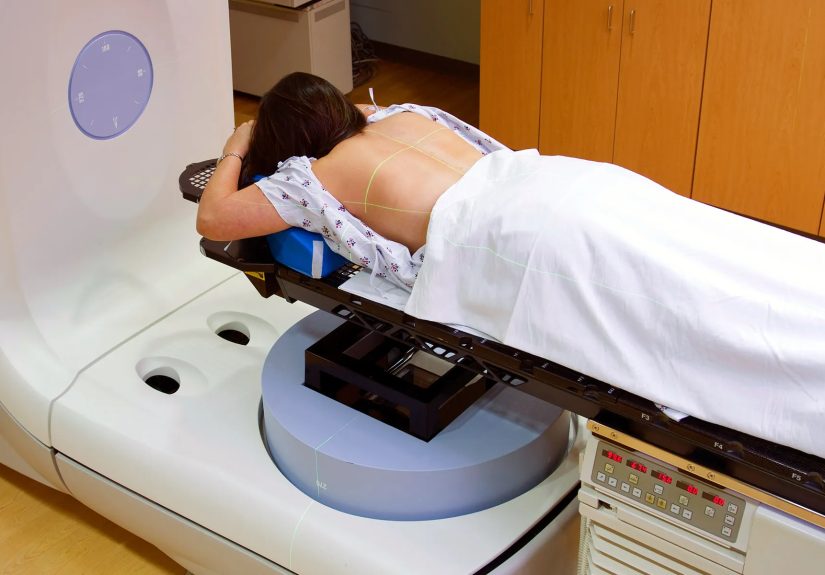
- Positioning and setup: Therapists line you up using your marks and lasers (the red lines are for alignment; no, you are not in a spy movie). They may take quick images (X-rays or CT-like scans) to confirm you’re in the correct position.
- Delivery: The machine rotates around you. Nothing touches you. You might hear buzzing or clicking. The treatment itself is painlessmany people feel absolutely nothing during beam delivery.
- Time: You may be in the department 15–45 minutes (sometimes longer), but the actual radiation delivery is often only a few minutes.
Can you bring someone with you?
Usually, someone can accompany you to the clinic, but the treatment room itself is typically restricted during delivery. For pediatric cases and special circumstances, rules may differ. If anxiety is a factor, ask your team about support options, music, breathing techniques, or mild medication strategies.
Weekly Check-Ins: The “How’s It Going, Really?” Visits
Many centers schedule weekly on-treatment visits with your radiation oncologist or advanced practice provider. This is where side effects are addressed earlyskin care adjustments, nausea control, pain management, mouth care for head and neck radiation, bowel/bladder strategies for pelvic treatment, and fatigue planning.
Pro tip: don’t downplay symptoms. Radiation side effects often build gradually. Reporting early can prevent a small annoyance from turning into a full-time job.
Side Effects: What’s Common, When They Start, and What Helps
Side effects happen because radiation can affect healthy cells near the treatment area. Healthy cells often repair themselves, but that repair takes time and energyhence fatigue and local irritation. Side effects depend heavily on the body part treated, the dose, and the schedule.
General side effects many people notice
- Fatigue: Often the most common. It can feel like “tired” plus “my battery is permanently at 42%.” It often builds over the course of treatment and may last weeks to months afterward.
- Skin changes (radiation dermatitis): Skin in the treated area may become red, dry, itchy, darker, tender, or peeloften starting after the first week or two, depending on the site and dose.
- Hair loss in the treated area: Radiation only affects hair where the beam goes (for example, scalp hair with brain radiation).
Site-specific examples (because location matters)
- Head and neck: Mouth sores, sore throat, dry mouth, thick saliva, taste changes, swallowing difficulty, and skin irritation in the field. Nutrition support here is crucialyour team may involve speech/swallow therapists and dietitians early.
- Chest: Cough, shortness of breath, and swallowing discomfort can occur depending on the area treated. Tell your team about new or worsening breathing symptoms.
- Abdomen/pelvis: Nausea, diarrhea, abdominal cramping, bladder irritation (frequency, burning), and fatigue are possible. Pelvic radiation can also affect sexual function and fertility.
- Brain: Fatigue, scalp irritation, hair loss, headaches, nausea, or cognitive “fog” can occur depending on dose and target.
Skin care basics (always follow your center’s instructions first)
- Use gentle soap and lukewarm water; pat dry instead of rubbing.
- Ask before applying lotions or deodorants in the treatment area (some centers have specific timing rules).
- Avoid sun exposure to the treated area; use protective clothing and ask about sunscreen timing.
- Avoid heat/ice packs directly on treated skin unless your team approves.
- Wear soft, loose clothing that won’t chafe the area.
Fatigue strategies that don’t require superpowers
- Light movement: Short walks can helpthink “steady,” not “training montage.”
- Sleep hygiene: Consistent bedtime, fewer late-day naps, and a wind-down routine.
- Energy budgeting: Do your “must-do” tasks when you feel best, and accept help for the rest.
- Nutrition and hydration: Small, protein-forward meals can help maintain strength.
Late effects (the long-game details)
Some effects can appear months or years laterlike fibrosis (stiffening), lymphedema, hormonal changes depending on the area, or rare secondary cancers. The risk depends on many factors, and your team balances these risks against the benefit of controlling the cancer. This is why follow-up care matters: it’s not just “Are we done?” It’s “How do we keep you well?”
Am I Radioactive? (The Question Everyone Asks, Usually Quietly)
With external beam radiation, you are generally not radioactive after treatment. You can typically hug your loved ones, hold babies, and live your normal life from a radiation-exposure perspective.
With brachytherapy or systemic radionuclide therapy, you may have short-term safety instructionsoften about limiting close contact (especially with pregnant people and young children) for a period of time. The exact precautions depend on the isotope, dose, and whether anything remains in your body temporarily or permanently. Your team will give you clear, specific rules; follow those, not your neighbor’s Facebook advice.
After Your Last Session: What Happens Next
Finishing radiation can feel anticlimacticthere’s rarely confetti (though emotionally, confetti is encouraged). Side effects may peak near the end of treatment or shortly after, then gradually improve over weeks. Your team will schedule follow-up appointments, and your oncologist may coordinate imaging and labs based on your cancer type and overall plan.
Keep a simple symptom log for the first few weeks after treatment. If you develop fever, severe pain, uncontrolled vomiting or diarrhea, rapidly worsening skin breakdown, bleeding, or new shortness of breath, contact your care team promptly.
Questions Worth Asking Your Radiation Oncology Team
- What is the goal of my radiation therapy (cure, control, symptom relief)?
- What area is being treated, and what organs are we trying hardest to protect?
- What side effects are most likely for my specific treatment site and dose?
- When do side effects typically start, peak, and improve?
- What skin care routine do you recommend (and what should I avoid)?
- Can I work/exercise/drive during treatment? Any restrictions?
- Will this affect fertility or sexual function, and what can we do proactively?
- Who do I call after hours if something feels urgent?
Real-World Experiences: on What It Often Feels Like
If you ask ten people about their radiation therapy experience, you’ll get twelve opinionsbecause humans are creative like that. Still, certain themes come up again and again, and knowing them can make you feel less alone when you hit the “Oh, so this is the part they meant” moments.
First, many people are surprised by how uneventful the actual treatment feels. The machine can look like a sci-fi sculpture, but once you’ve done a few sessions, the routine becomes familiar: check in, line up, hold still, hear the machine move, then you’re done. Several patients describe it as “the least dramatic part of cancer care,” especially compared with surgery recovery or certain chemotherapy regimens. The emotional weight can be heavy, but the physical sensation during delivery is often… nothing. Which is both comforting and weirdly anticlimactic.
Second, the schedule is a bigger character in your story than you might expect. Daily appointments can feel like a part-time job with a strict boss (the calendar). People often develop small rituals: a certain playlist in the car, a coffee stop afterward, or texting a friend a quick “zapped and out” message. Those routines aren’t trivialthey’re how you reclaim normalcy. If transportation or work flexibility is hard, many people say asking early for social work support or scheduling help was one of the best decisions they made.
Third, fatigue tends to be the sneakiest side effect. It’s not always immediate, and it’s not always proportional to what happened that day. People describe waking up feeling okay, then suddenly hitting a wall at 2 p.m. like someone swapped their legs for wet sandbags. What helps most, according to common experience, is pacing: doing one important thing per day, saying “yes” to help, taking short walks (even when you don’t feel like it), and letting “good enough” be good enough. It’s also normal to feel frustratedfatigue can mess with your identity if you’re used to being the person who does everything.
Fourth, skin and localized irritation can feel personalbecause it’s literally on your body in one specific place. Many people say the best practical tip was to treat skin care like a daily habit, not a reaction: gentle washing, approved moisturizers, loose clothing, and avoiding friction. If you’re getting head and neck radiation, mouth care can become your new hobby (not the fun kind). Patients often mention that early nutrition support and staying ahead of pain management made the difference between “uncomfortable but manageable” and “why does water hurt.”
Finally, there’s the emotional finish line. Some people feel triumphant on the last day. Others feel oddly flat, or even anxiousbecause the daily structure disappears and you’re left waiting for follow-up scans and recovery to unfold. That reaction is normal. Many people find it helpful to plan something small and kind for themselves after the last treatment: dinner with a friend, a new book, a quiet weekend away, or simply a nap without an alarm. Recovery is not a switch; it’s a process. And if your brain is still racing, it doesn’t mean you’re doing it wrongit means you’re human.
In short: radiation therapy is often more routine than people fear, but it can still be physically and emotionally demanding. Lean on your care team early, report symptoms honestly, accept support, and remember that “getting through it” counts as progresseven on days when your only accomplishment is showing up.
Conclusion
Radiation therapy is a carefully planned, highly targeted treatment that often becomes a predictable routine: consultation, simulation, planning, daily sessions, and follow-up. Knowing what to expectespecially around scheduling, setup, side effects, and safetycan reduce anxiety and help you focus on what matters: getting the right treatment with the best possible support. Keep communication open with your radiation oncology team, and don’t wait to mention side effects. Small adjustments early can make a big difference by the end.







 Close
Close