
Table of Contents >> Show >> Hide
- The Short Answer: Yes for Diseased Bee Balm, Maybe for Healthy Bee Balm
- Why Bee Balm Is Such a Fall-Pruning Debate
- When You Should Prune Bee Balm This Fall
- When You Can Leave Bee Balm Standing Until Spring
- How to Prune Bee Balm the Right Way
- What About Deadheading, Pinching, and Summer Pruning?
- How to Prevent the Need for Heavy Fall Pruning
- Common Fall Bee Balm Mistakes to Avoid
- So, Should You Prune Your Bee Balm This Fall?
- Real-World Garden Experiences With Fall Bee Balm Pruning
Bee balm is one of those garden plants that shows up to the party in full color, attracts every bee, butterfly, and hummingbird within shouting distance, and thenjust when you’re feeling smug about your pollinator borderstarts looking a little rough around the edges. By fall, many gardeners are staring at leggy stems, crispy leaves, and that all-too-familiar dusty coating of powdery mildew, wondering the same thing: should you prune your bee balm this fall, or leave it alone until spring?
After reviewing advice from extension horticulturists, botanical garden experts, and professional growers across the United States, the answer is not a dramatic yes or no. It is a very gardener-like: it depends. If your bee balm is healthy, you may not need to cut it all the way down in fall. If it was hit hard by powdery mildew or looks like it spent late summer losing an argument with humidity, fall pruning is usually the smarter move.
So before you grab the pruners and go full haircut montage on your Monarda, here’s what the pros want you to know about fall bee balm care, disease cleanup, pollinator habitat, and how to help this cottage-garden favorite return stronger next year.
The Short Answer: Yes for Diseased Bee Balm, Maybe for Healthy Bee Balm
If you want the simple version, here it is: prune bee balm in fall if it had powdery mildew, severe leaf disease, or badly declining foliage. Cut it back after frost or after the top growth dies down, remove infected debris, and do not leave the mess sitting around all winter.
But if your bee balm stayed relatively healthy, you have options. Some gardeners leave stems standing into late winter or early spring for wildlife value, winter structure, and sheer laziness dressed up as ecological wisdom. Honestly, sometimes that is valid. Hollow stems can offer habitat for beneficial insects, and seed heads can add a little texture to an otherwise sleepy winter bed.
So the real answer is this: fall pruning is often helpful, but it is not always mandatory. The deciding factor is usually plant health.
Why Bee Balm Is Such a Fall-Pruning Debate
Bee Balm Is Gorgeous, but It Can Be a Bit Dramatic
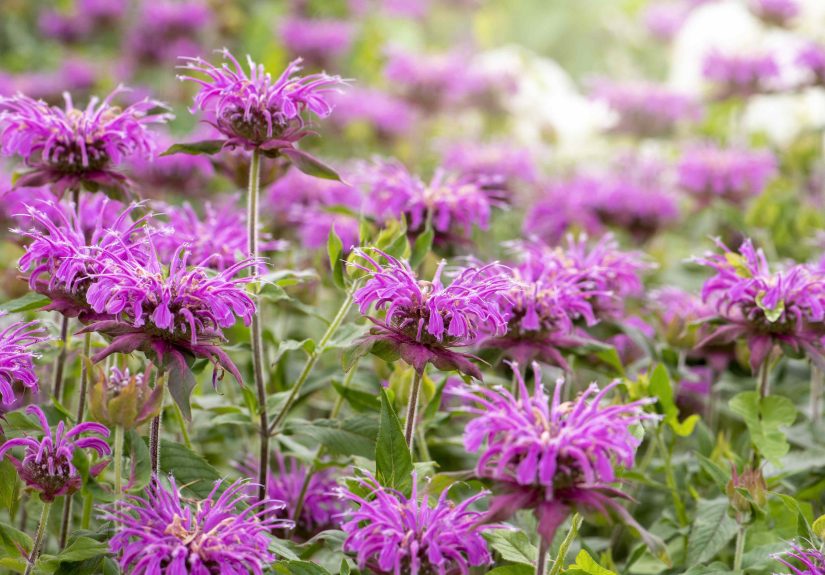
Bee balm, also called Monarda or wild bergamot, is loved for its shaggy, fireworks-like blooms and its ability to attract pollinators like a tiny floral theme park. It thrives best in full sun, moist but well-drained soil, and spots with good air circulation. When those conditions are right, it can be a star performer.
When they are not right, bee balm has a tendency to get powdery mildew, flop outward, spread by rhizomes, and generally act like the gifted student who refuses to organize their backpack.
That is why pruning matters. It is not just about appearance. Good pruning decisions affect disease pressure, airflow, rebloom potential, spread control, and winter habitat value.
Powdery Mildew Changes Everything
The biggest reason professionals recommend cutting bee balm back in fall is powdery mildew. This fungal disease is extremely common on bee balm, especially in crowded plantings, partial shade, dry stress, or humid conditions with poor airflow. It often shows up as a white or grayish powder on leaves and stems, and while mild cases are mostly cosmetic, heavy infections make the plant look tired fast.
Here is where the pros are surprisingly united: if your bee balm was badly infected, do not leave diseased leaves and stems lying around as winter décor. Clean them up. Infected debris can help carry disease into the next season, which means next year’s bee balm may start the season already behind.
When You Should Prune Bee Balm This Fall
You should cut back bee balm in fall if one or more of these applies:
- The foliage had obvious powdery mildew.
- The stems are brown, collapsed, and no longer attractive or useful.
- The planting was overcrowded and had poor airflow all season.
- You had repeated disease problems this year and want a cleaner reset.
- You simply do not want diseased stems hanging around the bed all winter.
In these situations, fall pruning is less about tidiness and more about sanitation. Think of it as taking out the botanical trash before it becomes next year’s problem.
A solid approach is to wait until frost has knocked back the top growth or until the plant has naturally died down, then cut stems back to a few inches above the soil line. If mildew was severe, bag or trash the infected stems and leaves rather than casually dropping them into a cold compost pile. A hot compost system may handle diseased material, but most home piles are more “enthusiastic leaf storage” than pathogen-destroying furnaces.
When You Can Leave Bee Balm Standing Until Spring
If your bee balm stayed mostly healthy, you do not have to rush out for a full fall cutback. Many gardeners leave healthy stems standing for part or all of winter, especially in pollinator-friendly gardens.
There are three good reasons for that:
1. Hollow Stems Can Help Wildlife
Some native bees use hollow or pithy stems as nesting sites. That means cutting every stem flush to the ground in fall can remove habitat you did not even realize you were providing. In wildlife-minded gardens, leaving some stems taller through winter can be a smart compromise.
2. Winter Structure Still Counts
Bee balm is not exactly an evergreen masterpiece, but its dried stems and seed heads can still add texture to a winter garden. If you like a softer, naturalized look, leaving healthy stems standing makes the bed look alive instead of shaved bald by Thanksgiving.
3. Spring Cleanup Is Easier When Plants Are Healthier
If there is no heavy disease issue, waiting until late winter or early spring gives you more flexibility. You can assess what still looks good, decide how much habitat to preserve, and avoid doing an aggressive cleanup just because the calendar says “fall chores.”
In other words, if the plant is healthy, leaving it standing is not neglect. It is a choice. A very defensible, ecologically trendy choice.
How to Prune Bee Balm the Right Way
If the Plant Was Diseased
- Wait until the top growth dies back or a hard frost finishes the job.
- Use clean, sharp pruners.
- Cut stems back to about 1 to 3 inches above the soil.
- Remove fallen leaves and stem debris around the crown.
- Dispose of infected material rather than leaving it in place.
This kind of cleanup helps reduce overwintering disease pressure and gives you a fresher start in spring.
If the Plant Was Healthy
- Either leave it standing through winter, or shorten some stems rather than taking the whole clump down.
- If you want to support cavity-nesting insects, consider leaving some stems 12 to 24 inches tall.
- Finish cleanup in late winter or early spring before vigorous new growth begins.
This balanced method keeps your garden from looking abandoned while still preserving some habitat value.
What About Deadheading, Pinching, and Summer Pruning?
Fall pruning is only part of the bee balm story. Professional gardeners also rely on strategic pruning earlier in the season to keep plants bushier, healthier, and less mildew-prone.
Deadheading After Bloom
Removing spent flower heads helps prolong bloom and tidies the plant. It can also reduce unwanted self-seeding in species that are eager to spread their legacy all over your border. If you want more flowers and a cleaner look, deadheading is worth the few minutes it takes.
Pinching in Spring
As new growth emerges in spring, a light pinch can encourage bushier growth and sometimes delay bloom slightly, which may help keep tall varieties from becoming lanky. Think of it as a gentle pep talk with scissors.
Thinning for Airflow
Because bee balm is so prone to powdery mildew, spacing and airflow matter a lot. If the clump becomes dense, selective thinning and division can do more for plant health than any dramatic fall haircut.
How to Prevent the Need for Heavy Fall Pruning
If you are tired of answering the same bee balm pruning question every autumn, the best move is to grow healthier bee balm from the start.
Give It Full Sun
Bee balm flowers best in full sun, and plants grown in too much shade are often more susceptible to powdery mildew. More light usually means sturdier plants, better blooms, and fewer fungal headaches.
Keep the Soil Evenly Moist
Bee balm likes moisture, but not soggy feet. Consistent watering during dry periods helps reduce stress, and stressed plants tend to become more disease-prone.
Do Not Overfertilize
Heavy feeding can push lush, soft growth that mildew loves. A modest spring feeding is usually enough. Bee balm does not need a bodybuilder diet.
Choose Resistant Cultivars
If powdery mildew is a repeat offender in your garden, start with cultivars known for better resistance. Varieties often recommended by U.S. gardening experts include selections such as ‘Marshall’s Delight,’ ‘Gardenview Scarlet,’ ‘Violet Queen,’ ‘Jacob Cline,’ and some newer compact series bred for cleaner foliage.
Divide Clumps Every 2 to 3 Years
Bee balm spreads by rhizomes, and older clumps often become crowded or start dying out in the center. Dividing in early spring helps rejuvenate growth, improve airflow, and keep the patch from becoming a mildew convention.
Common Fall Bee Balm Mistakes to Avoid
- Cutting healthy plants too aggressively for no reason. Sometimes a lighter hand is better.
- Leaving obviously diseased debris in place. That is not wildlife gardening; that is disease management denial.
- Confusing deadheading with full cutback. They are different jobs at different times.
- Ignoring site problems. If your bee balm is always mildewed, the issue may be shade, crowding, or stress rather than pruning timing alone.
- Dividing in the wrong season. Early spring is generally the best time to divide bee balm for vigor and control.
So, Should You Prune Your Bee Balm This Fall?
Yes, if it was diseased. Not necessarily, if it was healthy.
That is the pro-gardener answer in one line. Fall pruning is often recommended for bee balm that struggled with powdery mildew, because cleaning up infected stems and leaves can help reduce next year’s disease pressure. But if the plant looked good, you can leave some or all of it standing into winter, especially if you care about pollinator habitat and winter garden texture.
The smartest approach is not to treat every bee balm plant the same. Look at the foliage. Think about disease history. Consider your climate, your garden style, and whether you want a cleaner fall bed or more wildlife value through winter. The best gardeners are rarely the ones who prune on autopilot. They are the ones who pay attention.
And in the case of bee balm, paying attention usually beats panic-pruning every time.
Real-World Garden Experiences With Fall Bee Balm Pruning
In real gardens, bee balm usually teaches the same lesson over and over: the right fall pruning decision depends on what kind of year the plant had. Gardeners who grow bee balm in sunny beds with decent airflow often report that their plants still look respectable well into fall. The stems may fade, of course, but they are not always a disaster. In those cases, leaving some growth standing through winter tends to work just fine. The patch still comes back, the bed keeps a little structure, and spring cleanup is straightforward.
On the other hand, gardeners dealing with humid summers or crowded perennial borders often describe a very different experience. By late August, the lower leaves are tired, the stems are patchy, and powdery mildew has made itself at home like an uninvited relative who also critiques your furniture. In that kind of garden, leaving the whole mess standing until spring rarely feels wise. Cutting the bee balm back in fall usually makes the bed look better, simplifies cleanup, and gives the gardener a sense of control before winter sets in.
Another common experience is discovering that bee balm can look healthier from year to year when the clump is divided regularly. Many gardeners notice that older patches begin to thin in the center or spread farther than expected. Once they dig and divide the plant in early spring, the difference can be dramatic. The new divisions often bloom better, stay more upright, and suffer less mildew simply because the plants have more room to breathe. In that sense, the best fall pruning strategy sometimes starts with a spring shovel.
There is also a noticeable difference between gardeners who grow older, more mildew-prone varieties and those who switch to newer resistant cultivars. The second group often finds that the fall cleanup question becomes less urgent. When foliage stays cleaner longer, there is less pressure to cut everything down immediately. That does not mean resistant bee balm is maintenance-free, but it does mean the plant can act more like a garden favorite and less like a recurring project.
Wildlife-focused gardeners report another layer to the experience. Once they learn that some beneficial insects use hollow stems, they often become more selective about cleanup. Instead of cutting every stem to the ground, they leave a portion standing or postpone total cleanup until later. Many say this compromise gives them the best of both worlds: the bed still gets tidied, but it does not become sterile. This approach tends to feel especially satisfying in pollinator gardens where the goal is not just flowers, but habitat.
Of course, some gardeners simply prefer a neat fall garden. Others prefer a loose, natural winter look. Bee balm politely allows both styles, as long as disease is managed responsibly. That may be the most useful real-world takeaway of all. There is not one perfect pruning rule for every yard, every climate, or every gardener. The most successful bee balm growers usually adjust as they go. If the plant was healthy, they leave more. If it was mildew-ridden, they cut more. If the patch keeps flopping, they divide. If it keeps sulking in shade, they move it. Experience turns bee balm care from a yearly guessing game into a set of small, smart corrections.
And that is probably why seasoned gardeners sound so calm when this question comes up. After a few seasons with bee balm, they know the plant will tell you what it needs. Sometimes it asks for restraint. Sometimes it asks for a haircut. Sometimes it asks for full sun, more elbow room, and less fertilizer. Very rude, honestlybut usually correct.







 Close
Close