
Table of Contents >> Show >> Hide
- What Is Saffron, Exactly?
- Saffron Nutrition: Tiny Serving, Big Personality
- Potential Benefits of Saffron
- Side Effects and Risks of Saffron
- How to Use Saffron Safely and Deliciously
- Who Should Talk to a Healthcare Professional Before Using Saffron Supplements?
- The Bottom Line on Saffron
- Real-World Experiences With Saffron: What People Often Notice
- SEO Tags
Saffron has a reputation that sounds almost made up. It is dazzlingly colorful, famously expensive, and dramatic enough to make plain rice look like it won an award. But beyond the golden glow and luxury-spice status, saffron has also become a serious topic in nutrition and wellness conversations. People add it to tea, stir it into soups, sprinkle it into rice, and, increasingly, swallow it in supplement form with hopes of better mood, sharper memory, or calmer PMS symptoms.
So, does saffron deserve all that attention? In a word: partly. Saffron is a real food with real bioactive compounds and some genuinely interesting research behind it. At the same time, it is not magic fairy dust, and it definitely is not a free pass to self-prescribe huge doses because a social media video said it “changes everything in three days.” The truth is more useful than the hype.
This guide breaks down saffron’s nutrition, potential health benefits, possible side effects, supplement concerns, and practical ways to use it in everyday life. The goal is simple: help you understand what saffron can do, what it probably cannot do, and when it is smart to keep your enthusiasm at “delicious spice” level instead of “DIY pharmacist” level.
What Is Saffron, Exactly?
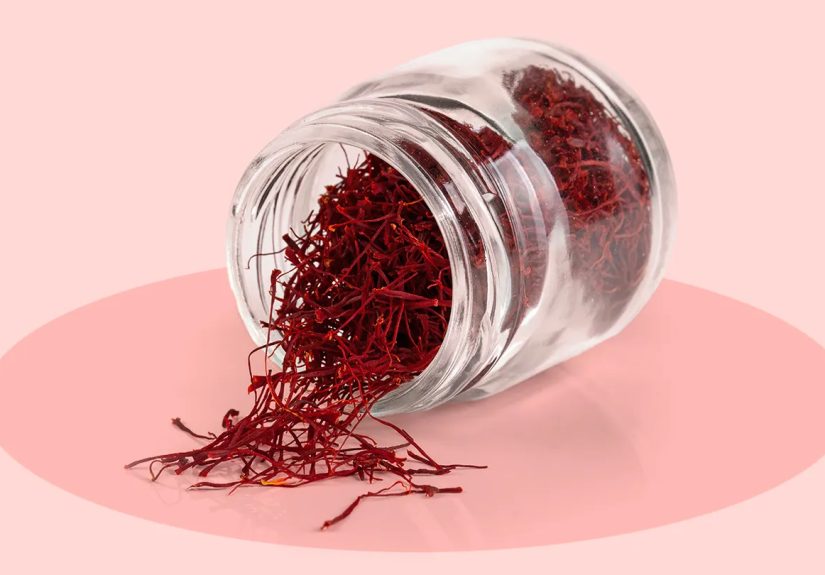
Saffron comes from the Crocus sativus flower, often called the saffron crocus. The spice itself is made from the flower’s thin red stigmas, which are harvested by hand. That labor-intensive process is a big reason saffron is one of the most expensive spices in the world. Tiny threads, giant price tag. Culinary drama achieved.
It is usually sold in two forms: threads and powder. Threads are generally the better choice because they are easier to identify and are less likely to be mixed with cheaper ingredients. Powder is convenient, but because saffron is so valuable, powdered products can be more vulnerable to adulteration. In other words, “mystery orange dust” is not a culinary love language.
Flavor-wise, saffron is earthy, floral, slightly sweet, and a little bitter. It is strong, so a little goes a very long way. You usually do not dump saffron into a dish the way you might shake garlic powder over fries. Instead, you use a pinch, often steeped in warm water, milk, or broth first, then added to rice, seafood, poultry, stews, baked goods, or tea.
Saffron Nutrition: Tiny Serving, Big Personality
Nutritionally, saffron is a funny little overachiever. Because it is used in such small amounts, it does not contribute many calories, protein, fat, or carbohydrates to your day. A typical culinary serving adds only a few calories. That means saffron is not the kind of ingredient you use because it is a major vitamin-and-mineral powerhouse in the same way spinach, salmon, or beans are.
What makes saffron interesting is not its macronutrient profile. It is the plant compounds. Saffron contains several antioxidant and bioactive substances, including crocin, crocetin, safranal, picrocrocin, and kaempferol. These compounds are responsible for its bright color, distinctive aroma, and many of the health claims researchers are studying.
Key nutritional highlights of saffron
Saffron is best thought of as a spice with concentrated phytochemicals rather than a major source of daily nutrition. It may provide small amounts of minerals and fiber, but its real nutritional identity is tied to antioxidants. That matters because antioxidants help protect cells from oxidative stress, which is one reason saffron keeps showing up in studies on mood, aging, cognition, and inflammation.
The most discussed compounds are crocin and safranal. Crocin helps give saffron its rich red-gold color, while safranal contributes much of the aroma. Researchers are interested in both because they may affect oxidative stress, inflammation, and neurotransmitter activity. That does not mean saffron is a cure-all. It means scientists have good reasons to keep studying it.
Potential Benefits of Saffron
1. It may deliver an antioxidant boost
This is saffron’s clearest strength. Its antioxidant compounds may help protect cells from damage caused by free radicals. That does not make saffron a superhero cape for your mitochondria, but it does make it a smart addition to a varied, plant-rich diet. Like other herbs and spices, saffron can help increase flavor without adding much sodium, sugar, or saturated fat.
That last point matters more than people realize. Sometimes the health benefit of a spice is not only what it contains. It is also what it helps you reduce. A flavorful saffron rice dish may need less salt. A saffron-infused broth may feel satisfying without heavy cream. That is not flashy, but it is practical.
2. It may help support mood
Saffron’s best-known wellness claim is its possible effect on mood. Several reviews and small randomized trials suggest saffron may help improve symptoms of mild to moderate depression, and in some studies it performed similarly to certain conventional antidepressants over the short term. That sounds impressive, and it is worth paying attention to.
Still, the important phrase here is over the short term. The research is promising, but it is not yet strong enough to say saffron should replace standard treatment. Depression is a real medical condition, not a seasoning problem. Anyone dealing with depression should work with a qualified clinician rather than swapping a treatment plan for a spice rack and optimism.
3. It may ease some PMS symptoms
Saffron has also shown potential for relieving emotional symptoms linked to premenstrual syndrome, including irritability, mood changes, and discomfort. Some small studies and more recent reviews suggest saffron may help with PMS and possibly PMDD-related symptom patterns in certain people.
That said, PMS is personal, messy, and often inconsistent from month to month. What helps one person may do very little for another. Saffron may be a useful option to discuss with a healthcare provider, especially if symptoms are recurring and disruptive, but it should not be treated like an instant reset button.
4. It may help with appetite regulation
Some research suggests saffron may help reduce snacking frequency or support appetite control. This has led to saffron being marketed as a weight-loss aid, which is where marketing usually enters the room wearing too much cologne.
The more grounded take is this: saffron may modestly support appetite or cravings for some people, but it is not a fat-loss shortcut. No spice can out-negotiate a long-term calorie surplus, poor sleep, chronic stress, and a takeout habit with main-character energy. If saffron helps, it is likely to be a small supporting player, not the entire movie.
5. It may support cognitive health
Saffron has attracted attention for possible brain-related benefits, including memory and cognitive function. Small studies in people with mild cognitive impairment or mild to moderate Alzheimer’s disease have suggested saffron may help some aspects of cognitive performance. Researchers think its antioxidant and neuroprotective compounds may play a role.
This is encouraging, but the evidence is still early. Saffron should be seen as an area of research interest, not a proven standalone therapy for memory disorders. Brain health is bigger than any single supplement. Sleep, exercise, blood pressure control, social connection, and medically appropriate treatment still do most of the heavy lifting.
6. It may help sexual function in some cases
Saffron has also been studied for sexual health, including libido and sexual dysfunction. Some findings suggest it may help certain people, particularly those experiencing sexual side effects related to antidepressant use. The results are not universal, but they are interesting enough that saffron keeps appearing in this conversation.
Again, this does not mean everyone should rush to buy saffron capsules and cue romantic background music. Sexual function is influenced by hormones, mood, medications, stress, sleep, relationships, and medical conditions. Saffron may help some people in a limited way, but it is rarely the whole story.
7. It may have broader anti-inflammatory potential
Laboratory and animal studies suggest saffron may have anti-inflammatory and protective effects in the body, and some early human research points in the same direction. But this is the exact moment when internet hype usually leaves the road. Cell studies are not the same thing as proven clinical outcomes in humans.
So yes, saffron is promising. No, that does not mean it has been proven to prevent cancer, reverse disease, or replace evidence-based medicine. When in doubt, respect the difference between “being studied” and “settled fact.”
Side Effects and Risks of Saffron
In normal food amounts, saffron is generally considered safe for most healthy adults. That includes using a pinch in rice, soup, tea, or baked goods. Problems are more likely to appear when saffron is taken in concentrated extract or supplement form, especially at higher doses.
Commonly reported side effects
Possible side effects of saffron supplements may include headache, nausea, stomach upset, appetite changes, dizziness, drowsiness, anxiety, or vomiting. Not everyone gets these effects, and some people tolerate saffron well, but “natural” is not the same thing as “consequence-free.” Poison ivy is natural too, and nobody is sprinkling that on paella.
High-dose concerns
High doses of saffron may be toxic. That is one reason experts consistently separate culinary use from concentrated supplement use. Food use is one thing. Taking large amounts because you think more equals better is a very different and much riskier situation.
Pregnancy and bleeding risk
Higher supplemental doses may be dangerous during pregnancy. There are also concerns about bleeding, especially in people with bleeding disorders or those using medications that affect clotting. If you are pregnant, trying to become pregnant, scheduled for surgery, or taking blood thinners, saffron supplements should be a conversation with your clinician, not a casual purchase tossed into an online cart at midnight.
Medication interactions
Saffron may interact with certain medications, including some mental health drugs and treatments that affect bleeding risk. People being treated for cancer should be particularly careful with supplements, since supplement-drug interactions can be complicated and product quality can vary.
Supplement quality is a real issue
Another major concern is that dietary supplements are not regulated like prescription medications before they reach the market. That means saffron supplements may vary in purity, strength, and quality. Some products may contain less saffron than advertised, while others may be contaminated or mixed with cheaper ingredients.
If you want saffron for flavor and general enjoyment, food is the simplest and safest lane. If you want saffron in supplement form for a specific health reason, it is best to talk with a healthcare professional first.
How to Use Saffron Safely and Deliciously
Choose threads when possible
Threads are usually the preferred form because you can see what you are buying. Look for deep red threads with a strong aroma. If the price seems suspiciously low, your inner skeptic should wake up immediately.
Bloom it first
One of the best ways to use saffron is to steep a small pinch of threads in warm water, milk, or broth for 10 to 20 minutes before adding it to your dish. This helps release the color and flavor more evenly. Tossing dry threads straight into a big pot sometimes works, but blooming is usually better.
Use it in real meals
Saffron works beautifully in rice dishes, seafood recipes, chicken, soups, stews, tea, and certain desserts. Even a tiny amount can make a dish feel more fragrant and layered. It is one of those ingredients that says, “Yes, I do have my life together,” even when your sink strongly disagrees.
Think food first
For most people, the smartest way to enjoy saffron is as part of food. That gives you flavor and bioactive compounds without pushing into the higher-risk territory of concentrated extracts.
Who Should Talk to a Healthcare Professional Before Using Saffron Supplements?
You should get medical guidance before using saffron supplements if any of the following apply to you:
You are pregnant or breastfeeding. You take blood thinners or have a bleeding disorder. You use antidepressants or other psychiatric medications. You are being treated for cancer. You have kidney issues or a complex medical history. You are planning surgery. You want to use saffron regularly in concentrated form rather than in food.
That does not mean saffron is automatically unsafe. It means context matters, and supplements are not one-size-fits-all.
The Bottom Line on Saffron
Saffron is more than a fancy garnish. It is a legitimate culinary ingredient with interesting nutrition science behind it, especially when it comes to antioxidant compounds and early research on mood, PMS, cognition, and appetite. But the smartest view of saffron is balanced: hopeful, not gullible.
If you enjoy it in food, great. That is an easy win. If you are curious about using it more intentionally for health reasons, the evidence is intriguing, but not strong enough to justify self-treating serious conditions. Food amounts are generally low-risk for most people. Supplements deserve more respect, more caution, and ideally, more professional guidance.
So yes, saffron is special. It can brighten a meal, deepen flavor, and bring a little science-backed intrigue to your spice cabinet. Just do not ask it to solve every problem in your life. That is still above its pay grade.
Real-World Experiences With Saffron: What People Often Notice
One of the most common experiences people report with saffron has nothing to do with supplements at all. It starts in the kitchen. Someone buys a tiny container, winces at the price, opens it, and immediately understands why saffron is treated like treasure. The aroma is warm, floral, and slightly honeyed. Then comes the surprise: you need far less than expected. A few threads can transform a whole pot of rice. For many people, that first experience is less “health experiment” and more “Oh, so this is why chefs get dramatic about it.”
Another frequent experience is learning that saffron is subtle. People often expect a loud, spicy flavor, but saffron is not hot, sharp, or punchy. It is gentler and more aromatic than that. The flavor tends to bloom slowly, especially when steeped first in warm liquid. Home cooks often describe the result as comforting and elegant rather than intense. It is the sort of ingredient that makes a dish taste expensive even when dinner is just rice, broth, and leftover chicken pretending it was always meant to be luxurious.
People who use saffron tea often describe the ritual as much as the taste. The threads turn water golden, the smell rises quickly, and the whole process can feel calming. That matters, because sometimes the “benefit” people notice first is not a dramatic physiological change. It is the experience of slowing down. Sitting with a warm cup of saffron tea in the evening may feel grounding in the same way other comforting routines do. That does not prove a medical effect, of course, but it does explain why saffron earns a loyal following among people who value small daily wellness rituals.
Supplement experiences tend to be more mixed. Some people say they notice subtle improvements in mood, fewer cravings, or a steadier emotional baseline after several weeks. Others notice nothing at all except that supplements are expensive and capsules are much less romantic than a steaming pot of saffron rice. That gap in experiences mirrors the research pretty well: promising for some people, not guaranteed for everyone. In the real world, the results tend to be more “maybe helpful” than “life changed by Tuesday.”
There is also a very practical experience many first-time buyers share: sticker shock followed by relief. Saffron looks costly upfront, but because each recipe uses such a small amount, a little jar can last a surprisingly long time. Once people learn how to bloom it properly and use it sparingly, saffron starts to feel less like a wild splurge and more like a special-occasion ingredient with excellent stamina.
Cultural experience matters too. For many families, saffron is not a trendy supplement or a wellness buzzword. It is tied to celebration, hospitality, tradition, and memory. It shows up in festive rice dishes, desserts, milk-based drinks, and recipes passed from one generation to the next. In those settings, saffron is experienced as something joyful and communal long before anyone starts talking about crocin or oxidative stress.
That may be the most grounded takeaway of all. In everyday life, saffron is often appreciated first as a sensory and cultural ingredient, second as a possible wellness tool. When people enjoy it that way, expectations stay realistic. You get flavor, color, ritual, and maybe some health upside too. Honestly, that is a pretty good deal for a handful of tiny red threads.







 Close
Close