
Table of Contents >> Show >> Hide
- Why These Two Conditions Get Mixed Up So Often
- Scalp Psoriasis vs. Dandruff: Quick Comparison
- What Scalp Psoriasis Usually Looks and Feels Like
- What Dandruff Usually Looks and Feels Like
- How to Tell the Difference at Home
- How Doctors Usually Diagnose It
- Treatment: Why the Right Label Matters
- When to See a Dermatologist
- Final Takeaway
- Extended Reader Experience Section: What People Often Go Through Before They Figure It Out
- SEO Tags
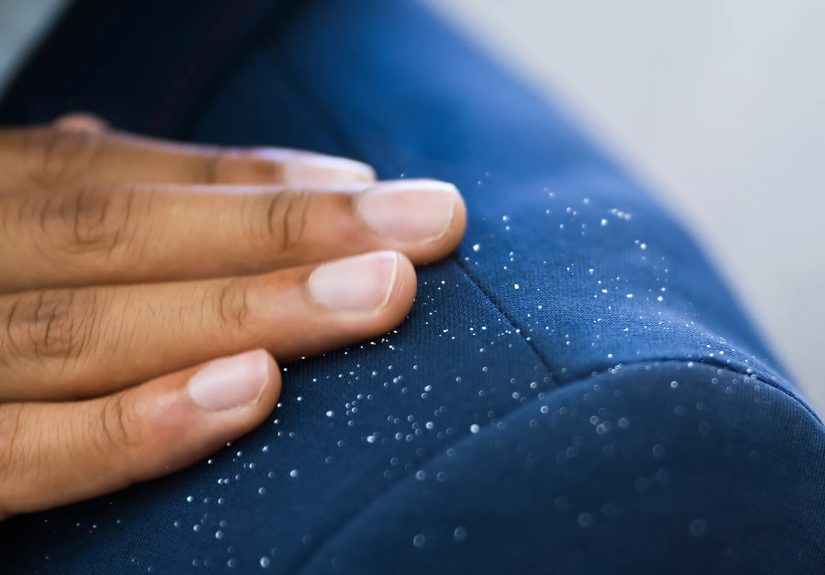
If your scalp has started producing flakes like it is auditioning for a snow machine, you are not alone. Plenty of people stare into the mirror, spot white bits on their shoulders, and immediately assume it is dandruff. Sometimes that guess is right. Sometimes it is not. One of the biggest look-alikes is scalp psoriasis, a chronic inflammatory skin condition that can mimic dandruff at first glance but behaves very differently once you know what to look for.
That is why the question scalp psoriasis vs. dandruff matters so much. The two conditions can both cause itching, flaking, irritation, and a very annoying relationship with black T-shirts. But they do not have the same underlying cause, they do not always look the same up close, and they do not always respond to the same treatment plan.
In this guide, we will break down the difference in plain English, with real-world clues you can actually use. You will learn what scalp psoriasis usually looks like, what dandruff usually feels like, when seborrheic dermatitis enters the chat, and when it is time to stop guessing and call a dermatologist.
Why These Two Conditions Get Mixed Up So Often
The confusion happens because both conditions can create an itchy, flaky scalp. From a distance, both can look like “just dry skin.” But under the surface, they are not the same thing.
Scalp psoriasis is linked to an overactive immune response that speeds up skin cell turnover. Instead of shedding normally, skin cells pile up fast and create thick, inflamed, scaly patches. It can show up only on the scalp, but it may also appear on other parts of the body, including the elbows, knees, lower back, or around the nails.
Dandruff is commonly tied to seborrheic dermatitis, a condition associated with inflammation, excess oil, and a reaction involving yeast that naturally lives on the skin. Dandruff tends to create loose flakes, itching, and irritation, especially in oily areas.
So yes, both can flake. But one is typically more inflammatory, more persistent, and more likely to show up with thicker scale and clues elsewhere on the body.
Scalp Psoriasis vs. Dandruff: Quick Comparison
| Feature | Scalp Psoriasis | Dandruff / Seborrheic Dermatitis |
|---|---|---|
| Flakes or scale | Usually thicker, drier, and often silvery | Usually smaller, looser, white or yellowish, and often greasy |
| Skin underneath | Well-defined red, inflamed plaques | Milder redness or irritation, often less sharply outlined |
| Oiliness | Often dry | Often oily or greasy |
| Where it spreads | May extend beyond the hairline and appear on elbows, knees, or lower back | Often affects oily areas like scalp, eyebrows, sides of nose, ears, chest |
| Itching | Common, sometimes intense | Common, often bothersome but usually less dramatic |
| Other clues | Nail pitting, thick plaques, cracking, bleeding | Greasy scale, recurring flakes, flare-ups with stress or weather changes |
| Response to OTC dandruff shampoo | May help a little, often not enough on its own | Often improves with regular use |
What Scalp Psoriasis Usually Looks and Feels Like
1. The scale is thicker and drier
One of the biggest clues is texture. Scalp psoriasis often creates thick, dry, silvery-white scale. It is not just a few tiny flakes drifting out of your hair. It may look more like built-up patches that cling to the scalp and do not leave quietly.
2. The redness is more obvious
Psoriasis often comes with well-defined inflamed plaques. In lighter skin tones, they may look red or pink. In deeper skin tones, they may appear purple, brown, or darker than the surrounding skin. Either way, they are usually more sharply outlined than ordinary dandruff.
3. It may go beyond the scalp
Dandruff usually stays in dandruff territory. Psoriasis, on the other hand, can spread beyond the hairline onto the forehead, back of the neck, or around the ears. If you also notice patches on your elbows, knees, or lower back, that is another clue pointing toward psoriasis.
4. The scalp may crack or bleed
When psoriasis gets dry and irritated, the skin can become sore enough to crack. Scratching can make this worse, and some people notice pinpoint bleeding or tenderness after picking at the scale. Not exactly the fun weekend hobby your scalp signed up for.
5. You may have nail changes or joint symptoms
Psoriasis can bring along extra clues that dandruff usually does not. Watch for pitted nails, thickened nails, or nails lifting from the nail bed. Some people with psoriasis also develop joint pain, stiffness, or swelling, which may point toward psoriatic arthritis and deserves medical attention.
What Dandruff Usually Looks and Feels Like
1. The flakes are usually smaller and looser
Dandruff tends to cause white or yellowish flakes that shed more easily. They may show up in your hair, on your pillow, or on your shoulders halfway through a meeting, which is rude but very on-brand for dandruff.
2. The scalp is often oily, not dry
Many people think all flaking means dryness, but dandruff is often associated with oilier skin. If the scalp feels greasy and flaky at the same time, seborrheic dermatitis becomes more likely.
3. It often shows up in other oily areas
If you also have flaking or redness in the eyebrows, around the nose, behind the ears, or on the chest, that pattern fits seborrheic dermatitis better than scalp psoriasis. This is one of the most useful real-life clues.
4. It comes and goes
Dandruff often flares with stress, cold weather, harsh hair products, or irregular shampooing. It can improve with the right medicated shampoo, then come back later like an annoying sequel nobody requested.
How to Tell the Difference at Home
You cannot diagnose yourself with complete certainty in the bathroom mirror, but you can look for patterns.
- Think psoriasis if the scale is thick, dry, and silvery; if plaques are sharply defined; if the rash crosses the hairline; or if you also have nail changes or psoriasis elsewhere.
- Think dandruff if the flakes are finer, whiter or yellowish, oily, and centered in the scalp or other oily areas of the face.
- Think “get checked” if your scalp is painful, bleeding, crusting, swollen, infected-looking, or not improving with over-the-counter care.
Also important: some people can have both scalp psoriasis and seborrheic dermatitis at the same time. So if your scalp seems to be sending mixed signals, that is not your imagination.
How Doctors Usually Diagnose It
Dermatologists often diagnose these conditions by examining the scalp, skin, and nails. They look at the shape of the patches, the type of scale, where the rash appears, and whether there are signs elsewhere on the body.
They may ask:
- Do you have psoriasis anywhere else?
- Do you get thick plaques or just flakes?
- Do you have itchy eyebrows, sides of the nose, or chest flaking?
- Have you noticed nail pitting or joint pain?
- Did dandruff shampoo help, or did your scalp laugh in its face?
Most of the time, the diagnosis is clinical, meaning the doctor can tell by looking. If the case is stubborn or unclear, they may consider additional evaluation.
Treatment: Why the Right Label Matters
Dandruff and seborrheic dermatitis treatment
Mild dandruff often improves with regular washing and an over-the-counter shampoo containing ingredients such as zinc pyrithione, ketoconazole, selenium sulfide, salicylic acid, sulfur, or coal tar. The exact routine depends on hair type and scalp sensitivity. Some shampoos need to sit on the scalp for several minutes before rinsing.
If dandruff is more inflamed or persistent, a clinician may recommend antifungal treatments, topical corticosteroids, or other medicated products. Avoiding irritating hair products can also help.
Scalp psoriasis treatment
Scalp psoriasis may need a stronger plan. Treatments can include medicated shampoos, salicylic acid to loosen scale, topical corticosteroids, vitamin D analogs, prescription solutions, foams, oils, or light therapy. More severe cases may require systemic treatment from a dermatologist.
The reason this matters is simple: if you treat psoriasis like plain dandruff, you may get partial relief at best. If you treat dandruff like severe psoriasis without guidance, you may overcomplicate a problem that responds to a smarter shampoo routine.
When to See a Dermatologist
Make an appointment if:
- Your scalp is painful, cracked, bleeding, or draining fluid
- You have thick plaques that extend beyond the hairline
- You notice nail pitting, joint pain, or patches on other body areas
- Over-the-counter dandruff shampoo is not helping after consistent use
- You are losing hair from scratching or inflammation
- You are not sure whether the problem is psoriasis, dandruff, eczema, or fungal infection
A good rule of thumb: if your scalp issue keeps coming back, keeps getting worse, or keeps making you change shirts before leaving the house, it is worth getting an expert opinion.
Final Takeaway
In the scalp psoriasis vs. dandruff debate, the biggest difference is not just the flakes. It is the whole pattern. Scalp psoriasis usually creates thicker, drier, more stubborn scale with clearer inflammation and possible signs elsewhere on the body. Dandruff, often linked to seborrheic dermatitis, usually causes smaller loose flakes, more oiliness, and irritation in other oily zones like the eyebrows and sides of the nose.
If your scalp is flaky but manageable with dandruff shampoo, dandruff may be the likely culprit. If your scalp is building plaques, crossing the hairline, cracking, or showing up with nail changes or body patches, psoriasis moves much higher on the list.
Either way, the good news is that both conditions can often be managed. The real trick is knowing which battle you are fighting before you reach for the shampoo aisle like it owes you money.
Extended Reader Experience Section: What People Often Go Through Before They Figure It Out
One reason this topic gets so much attention online is that the lived experience can be frustratingly similar at first. A lot of people begin with a simple assumption: “My scalp is flaky, so I must have dandruff.” They buy a shampoo, use it for a week, and expect a dramatic movie-montage transformation. Sometimes that happens. Sometimes the scalp stays itchy, the flakes get thicker, and the person starts wondering why nothing is working.
A common experience with dandruff is embarrassment more than pain. People often notice the flakes on dark clothing, especially during meetings, school, dates, or photos. The scalp may feel itchy after sweating, during colder months, or after using hair products that do not agree with them. Once they switch to a medicated shampoo and use it correctly, the improvement can be pretty noticeable. The itching calms down, the flakes shrink, and life becomes less about shoulder inspections and more about actual living.
Scalp psoriasis often feels different. People describe it less as “annoying flakes” and more as a stubborn scalp problem that keeps coming back, no matter what shampoo they try. Some say the scale feels stuck to the scalp. Others notice thick patches near the hairline, around the ears, or on the back of the neck. Scratching may bring temporary relief, but it can also make the skin feel raw. That cycle of itch, scratch, scale, repeat can wear people down fast.
Another common experience is confusion. Someone may have been told for years that they have dandruff, only to later learn they have psoriasis, seborrheic dermatitis, or even a mix of both. That can be oddly validating. It explains why ordinary anti-dandruff shampoo only helped a little, or why the scalp never fully cleared. For many people, finally getting the right diagnosis feels like the moment the mystery stops being personal failure and starts being a treatable medical issue.
There is also the emotional side, which does not get enough airtime. Scalp conditions are visible. They can affect confidence, hair styling, clothing choices, and social comfort. People may avoid dark tops, hesitate before haircuts, or worry that others think they are not clean, even though dandruff and psoriasis are not about poor hygiene. That misunderstanding can be more irritating than the itching itself.
On the positive side, many people report that things improve once they learn the pattern of their scalp. They figure out their triggers, stick to a routine, stop switching products every three days, and get medical help sooner when needed. The biggest lesson from those experiences is simple: persistent scalp flaking is not something you just have to “deal with.” If your scalp keeps sending distress signals, it is worth listening. The right diagnosis can save time, money, stress, and a surprising number of lint-roller sessions.






 Close
Close