
Table of Contents >> Show >> Hide
- What Is Halloumi and Why Is It So Good on the Grill?
- Grilled or Barbecued Halloumi Cheese Recipe
- Why This Halloumi Recipe Works
- Best Tips for Perfect Grilled Halloumi
- Flavor Variations to Try
- What to Serve With Grilled or Barbecued Halloumi
- Common Mistakes to Avoid
- Can You Make Halloumi Without an Outdoor Grill?
- Frequently Asked Questions
- Final Thoughts
- Extra Cooking Experiences: What Grilled Halloumi Is Really Like
- SEO Tags
There are foods that politely show up to a cookout, and then there is halloumi, which arrives like it owns the patio furniture. This firm, salty cheese is one of the few cheeses that actually enjoys a trip to the grill. Instead of melting into a tragic dairy puddle, it turns golden on the outside, soft in the middle, and irresistibly squeaky in that way people either find charming or immediately text their group chat about.
If you have been looking for a grilled halloumi recipe that feels easy enough for a weeknight but special enough for a summer spread, this is it. Whether you call it grilled halloumi, barbecued halloumi, or “the cheese that disappeared before dinner,” this recipe is quick, flavorful, and versatile. Serve it as an appetizer, tuck it into pita, stack it onto grain bowls, or pair it with tomatoes, herbs, peaches, or watermelon for a dish that tastes like warm weather showed up dressed nicely.
This guide covers everything: what halloumi is, why it works so well on the grill, how to cook it without sticking, the best flavor add-ons, serving ideas, and the small mistakes that can turn a brilliant cheese moment into a chewy disappointment. In other words, we are giving this legendary grilling cheese the respect it deserves.
What Is Halloumi and Why Is It So Good on the Grill?
Halloumi is a firm, briny cheese traditionally associated with Cyprus. It is often made with sheep’s milk and goat’s milk, though some versions include cow’s milk too. What makes it a star in any barbecued halloumi cheese recipe is its high melting point. Most cheeses surrender to heat. Halloumi negotiates with it.
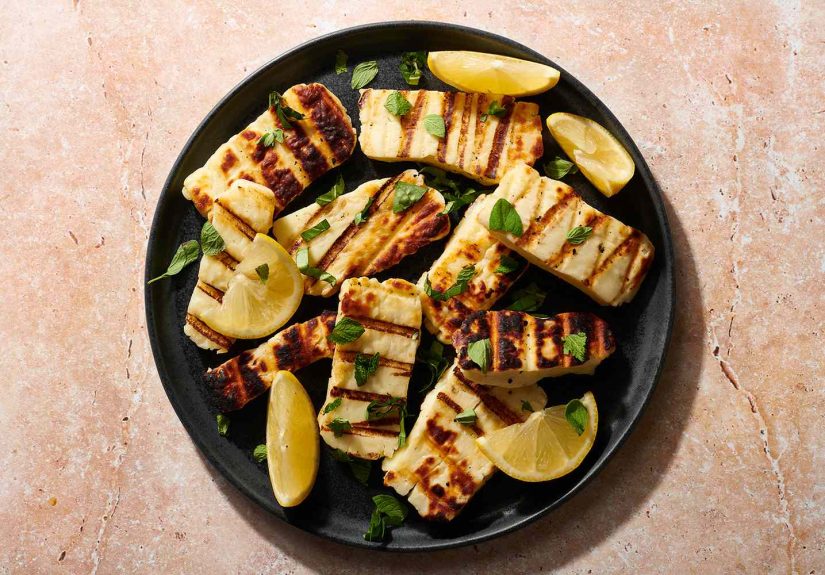
Once it hits a hot grill, the outside develops browned edges and beautiful grill marks while the inside softens just enough to become tender and meaty. The flavor is savory, lightly tangy, and salty enough that you usually do not need to add extra salt. That is one of halloumi’s great life skills: it shows up already seasoned.
Because it holds its shape, halloumi works beautifully in salads, skewers, sandwiches, wraps, and mezze-style platters. It also pairs well with sweet ingredients like watermelon, stone fruit, and hot honey, which is useful because balance is everything when your lead ingredient has this much personality.
Grilled or Barbecued Halloumi Cheese Recipe
Yield, Prep Time, and Cook Time
Serves: 4 as an appetizer or 2 as a light main
Prep time: 10 minutes
Cook time: 6 to 8 minutes
Total time: About 18 minutes
Ingredients
- 2 blocks halloumi cheese, about 8 ounces each
- 1 to 2 tablespoons olive oil
- 1 teaspoon dried oregano
- 1/2 teaspoon freshly ground black pepper
- 1 lemon, cut into wedges
- 1 tablespoon chopped fresh mint or parsley
- 1 teaspoon lemon zest, optional
- 1 teaspoon hot honey or regular honey, optional for drizzling
- Warm pita, grilled bread, or fresh vegetables, for serving
How to Make It
- Preheat the grill. Heat an outdoor grill or barbecue to medium-high. Clean the grates well and lightly oil them. A clean grill is not glamorous, but it is the reason your cheese leaves the grill in one piece instead of seven emotional fragments.
- Slice and dry the halloumi. Remove the halloumi from its package and pat it very dry with paper towels. Slice each block into slabs about 1/2 inch thick. Thick enough to stay sturdy, thin enough to heat through. That is the sweet spot.
- Season lightly. Brush both sides of the slices with olive oil. Sprinkle with oregano and black pepper. Skip the salt because halloumi already has plenty.
- Grill the cheese. Place the slices directly on the hot grill grates. Cook for 2 to 4 minutes per side, or until deep golden grill marks form and the cheese releases easily from the grates. Flip carefully with tongs or a thin spatula.
- Finish and serve. Transfer the grilled halloumi to a platter. Add lemon zest if using, squeeze over fresh lemon juice, scatter with mint or parsley, and drizzle with honey if you like a sweet-salty finish. Serve immediately while the outside is crisp and the center is warm and soft.
Why This Halloumi Recipe Works
A good grilled halloumi cheese recipe is all about restraint. Halloumi does not need a long marinade, a fussy breading station, or a complicated sauce lineup with twelve ingredients and a personal backstory. It needs heat, a little oil, and a short cooking time.
Patting the cheese dry helps it brown instead of steam. Lightly oiling the slices or the grill grates helps prevent sticking. Medium-high heat gives you those beautiful grill marks without overcooking the interior. Lemon brightens the richness, herbs add freshness, and a tiny drizzle of honey turns the whole thing into something you will “accidentally” keep picking at while telling people dinner is almost ready.
Best Tips for Perfect Grilled Halloumi
1. Dry the cheese really well
Moisture is the enemy of browning. If the halloumi is wet from its brine, it is more likely to steam and stick. A few extra seconds with paper towels makes a real difference.
2. Keep the slices fairly thick
Very thin slices can tear or toughen too quickly. Aim for about 1/2 inch thick for the best combination of char and tenderness.
3. Use a clean, hot grill
Halloumi can be grilled directly on the grates, but only if the grill is hot and clean. If your grill has seen a season of burgers without much self-reflection, clean it before the cheese goes on.
4. Do not overcook it
Halloumi is at its best when browned outside and just softened inside. Leave it on the grill too long and it can become rubbery. The window between “perfect” and “why is this chewing back?” is not huge.
5. Serve it right away
Fresh off the grill is where halloumi shines. As it cools, it firms up. Still tasty, but less magical.
Flavor Variations to Try
Lemon and Oregano Halloumi
This is the classic route: olive oil, oregano, black pepper, and a squeeze of lemon. Clean, simple, and hard to mess up.
Hot Honey Halloumi
Drizzle grilled halloumi with hot honey and add fresh thyme. This version lands somewhere between appetizer and personality trait.
Za’atar Halloumi
Brush with olive oil and sprinkle with za’atar before grilling. Serve with yogurt, cucumbers, and warm flatbread for a quick mezze board.
Halloumi Skewers
Thread cubes of halloumi onto skewers with bell peppers, red onion, zucchini, or cherry tomatoes. These are colorful, fast, and ideal for cookouts where everyone suddenly becomes very interested in “just one more bite.”
Fruit-and-Cheese Summer Plate
Pair grilled halloumi with watermelon, peaches, strawberries, or nectarines. The sweet fruit balances the salty cheese beautifully and makes the whole plate feel like it belongs in a magazine spread you pretend was effortless.
What to Serve With Grilled or Barbecued Halloumi
One of the best things about a barbecued halloumi cheese recipe is how flexible it is. You can keep it simple or turn it into a full meal. Here are a few great serving ideas:
- With watermelon and mint: A classic sweet-salty summer pairing.
- With tomatoes and cucumbers: Easy salad energy, very little effort.
- In pita or wraps: Add tzatziki, lettuce, tomato, and grilled onions.
- Over grain bowls: Excellent with farro, quinoa, couscous, or rice.
- With grilled vegetables: Try zucchini, eggplant, peppers, or corn.
- With bread and dips: Hummus, whipped feta, or yogurt sauces work well.
- As a burger filling: Yes, a halloumi burger is absolutely a thing, and yes, it is worth your time.
Common Mistakes to Avoid
Adding too much salt
Halloumi is naturally salty. Taste it before adding anything extra. Your blood pressure and your dinner guests will appreciate the diplomacy.
Using low heat
If the grill is not hot enough, the cheese can cling to the grates and miss out on that browned crust. Halloumi likes confidence.
Walking away
This is not a “set it and forget it” recipe. Halloumi cooks fast, which is wonderful unless you are inside looking for a serving plate you definitely had five minutes ago.
Overcomplicating the toppings
Halloumi already brings a lot of flavor. Keep the extras bright and fresh. Lemon, herbs, a drizzle of honey, a spoonful of chili crisp, or a few ripe tomatoes are usually more than enough.
Can You Make Halloumi Without an Outdoor Grill?
Absolutely. If you do not have an outdoor grill, use a grill pan, cast-iron skillet, broiler, or even a flat-top griddle. The method stays mostly the same: dry the cheese, add a little oil, cook over fairly high heat, and flip once the first side releases easily. The flavor will be slightly different without live-fire smoke, but the crispy exterior and soft center still deliver.
Frequently Asked Questions
Do I need to soak halloumi before grilling?
No. Some people briefly rinse or soak it if they want to reduce the saltiness, but for most recipes, simply patting it dry is enough.
Can I grill halloumi directly on the grate?
Yes. Halloumi is sturdy enough for direct grilling as long as the grates are hot, clean, and lightly oiled.
How long does halloumi take to grill?
Usually about 2 to 4 minutes per side, depending on thickness and grill heat.
Can I make it ahead?
You can slice and season the halloumi ahead of time, but cook it just before serving for the best texture.
Is halloumi vegetarian?
Some halloumi is made with animal rennet and some with vegetarian-friendly rennet, so check the package if that matters for your table.
Final Thoughts
This grilled or barbecued halloumi cheese recipe proves that a great cookout dish does not need to be complicated. Halloumi brings bold flavor, a satisfying texture, and the rare ability to stand up to open flame without losing its cool. With a hot grill, a little olive oil, and a quick finish of lemon and herbs, you get a dish that feels elegant but takes less time than most people spend deciding which playlist fits a summer dinner.
It is salty, crisp, tender, and wildly useful. Serve it as an appetizer, use it in wraps, pair it with fruit, or slide it onto a platter with grilled vegetables and pretend you had the whole thing planned days in advance. Halloumi does that for you. It makes a meal look smarter than it is, and frankly, that is a wonderful quality in both cheese and people.
Extra Cooking Experiences: What Grilled Halloumi Is Really Like
There is a particular kind of joy that comes from making grilled halloumi for the first time. Most people approach the grill with a healthy suspicion around cheese, and for good reason. We have all seen what happens when delicate dairy meets too much enthusiasm: it melts, drips, vanishes, and leaves you explaining dinner with the haunted expression of someone who once had a plan. Halloumi changes that entire experience. It feels almost surprising the first time you lay it on the grates and realize it is not only surviving, it is thriving.
One of the most memorable things about cooking halloumi is how fast it rewards you. There is no long marinating session, no overnight prep, and no ceremonial level of knife work. You open the package, dry the cheese, slice it, oil it, and cook it. A few minutes later, you have something that looks restaurant-worthy. That makes halloumi especially useful for weeknights, last-minute guests, and those moments when the refrigerator contains “ingredients” but nothing that seems remotely like dinner.
It also teaches a useful grilling lesson: not every successful barbecue recipe needs to be heavy. Halloumi brings the satisfaction of a grilled main without requiring a slow smoke, a complicated rub, or a backyard full of equipment. On a hot evening, a platter of grilled halloumi with tomatoes, cucumber, herbs, and warm pita feels generous without being overwhelming. Add peaches or watermelon, and suddenly the meal tastes like the kind of thing people describe as “so fresh” before immediately asking for the recipe.
Another real-life experience with halloumi is discovering how differently it behaves depending on the setting. On a charcoal grill, it picks up a little smokiness and feels bold and outdoor-ready. On a gas grill, it stays clean and crisp with reliable browning. In a grill pan indoors, it becomes the hero of an easy lunch, especially when layered into sandwiches or grain bowls. The cheese adapts. It does not throw a tantrum because your outdoor setup is limited or because the weather has decided your cookout plans are adorable but unrealistic.
Halloumi is also the kind of ingredient that gets people talking. Someone always asks what it is. Someone else always says they thought cheese could not go on a grill. Then one person takes a bite and starts planning future menus in real time. It is an easy crowd-pleaser because it feels slightly unexpected, but the flavor is instantly familiar in the best way: savory, rich, lemon-friendly, herb-friendly, and very hard to stop eating. Even people who claim they “just want a tiny piece” usually return for a second slice with the innocent expression of someone borrowing your favorite pen forever.
Perhaps the best experience of all is that halloumi makes you look like a more creative cook than you may actually be at that moment. A little char, a squeeze of lemon, a handful of herbs, and suddenly the plate has personality. It looks colorful, tastes balanced, and works as everything from appetizer to vegetarian main. That combination of low effort and high payoff is exactly why grilled halloumi keeps earning repeat invitations to the grill. In the world of barbecue recipes, that is star behavior.






 Close
Close